
Huairou Walnut: Dried Bags, Mountain Slopes and the Market Counter of Huairou District, Beijing
核桃壳裂仁香满,怀柔秋收一袋甜。Hétáo ké liè rén xiāng mǎn, Huáiròu qiūshōu yī dài tián – The walnut shell cracks open and the kernel fragrance fills the air; at the Huairou autumn harvest one bag tastes sweet.
怀柔核桃 Huáiròu hétao Huairou walnuts are the dried-bag specialty the mountain district has packed for generations, and the address is a counter: the rows of 核桃树 hétáo shù walnut trees that climb the hillsides of 怀柔区 Huáiròu Qū Huairou District, Beijing, where the villages under the farmland grew into the billing everyone prints – the walnut belt – slopes of brown bark and green canopy where mountains hand off to fields (worth confirming which villages hold the largest acreage). The crop runs on a calendar inversion most visitors never think about: Beijing walnuts ripen in the late autumn, inside the cool valleys that bank the low sun by day and hold it behind the mist by night, so the harvest runs from the first cold weeks into early winter – fruit for the New Year’s table, not the summer one. The craft most visitors under-rate is the tree itself: the walnuts here grow in pairs, each wrapped in a green husk that dries and splits open at the peak of ripeness – which is why the nuts run irregular and honest rather than machine-even, and why a hillside here hums with the sound of husks drying. The naming is the tell: a district that named its harvest trade after the belt answers to the road where the first orchard went up – a crop that took the town’s name because the town sold it by the basket.
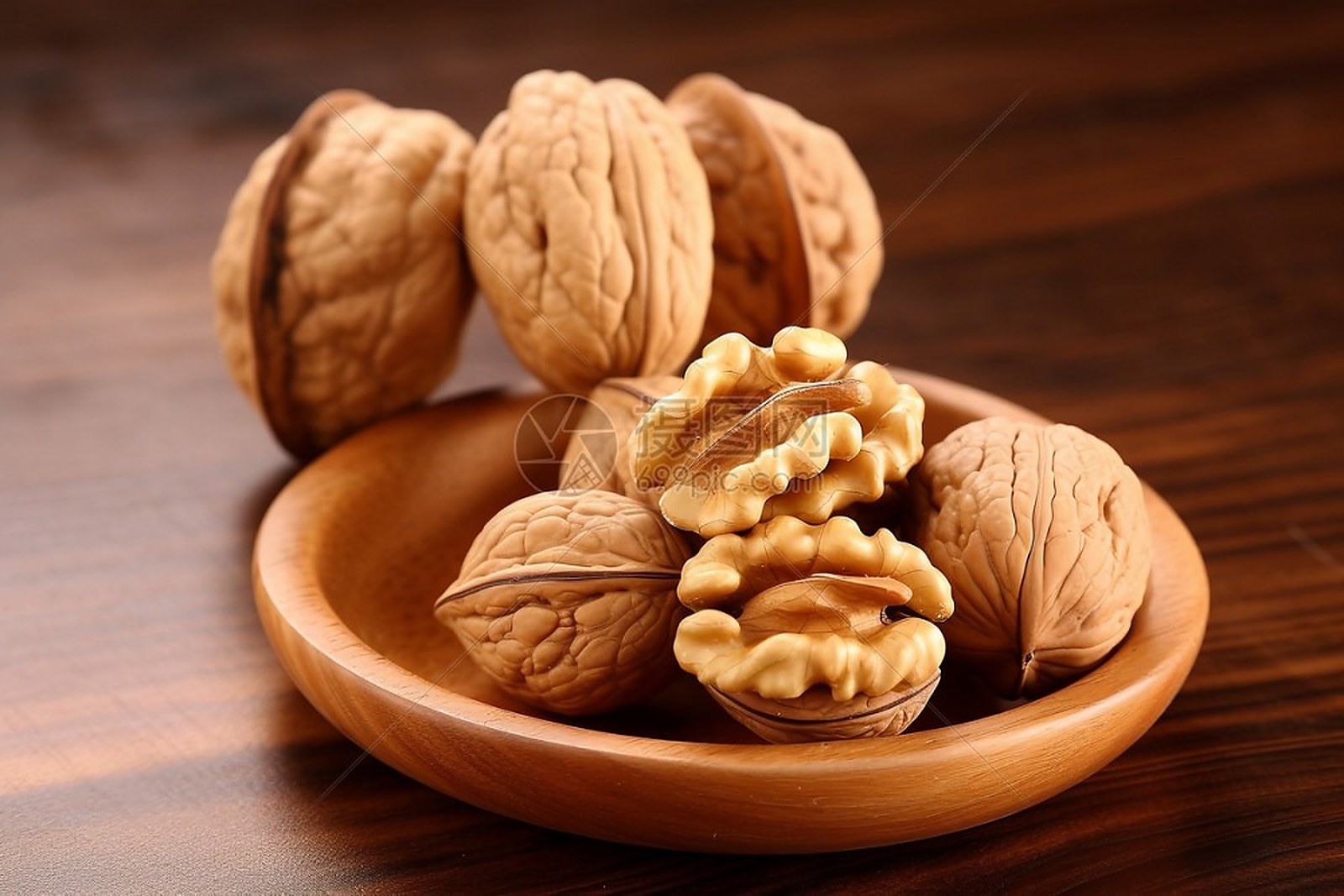
The eating is a crack-and-taste grammar written for nut that will not wait, and it leans 香 xiāng perfume plus 脆 cuì crisp to match the market counter. The anchor is the variety choice at the row’s mouth: 文玩核桃 wénwán hétáo wenwan walnut, the small dense one prized for its hard shell and smooth kernel that is the collector’s favourite, against 普通核桃 pǔtōng hétáo common walnut, the large soft one nicknamed 纸皮核桃 zhǐpí hétáo paper-skin walnut for its thin shell and pale flesh – two flavours, two rows, and the honest grower will crack you a nut of each before you choose (worth confirming which houses run which blocks). Off the vine the fruit runs to the belt’s other uses: roasted walnuts sold by the bag at the roadside stands, walnuts steeped into 核桃粥 hétáo zhōu walnut porridge for the winter table, boxes weighed at the shed for the drive home, and the autumn fair – the 北京农业嘉年华 Běijīng Nóngyè Jiāhuá Nián Beijing Agricultural Carnival that sets up each autumn at the belt’s 核桃博览园 Hétáo Bólǎnyuán Walnut Expo Garden – turning the crop into market stalls, tasting benches and a walnut-themed weekend (worth confirming each year’s calendar). The rule the trees teach: crack by colour to the shell and eat within the month – this nut was bred for the orchard door, not the shelf.
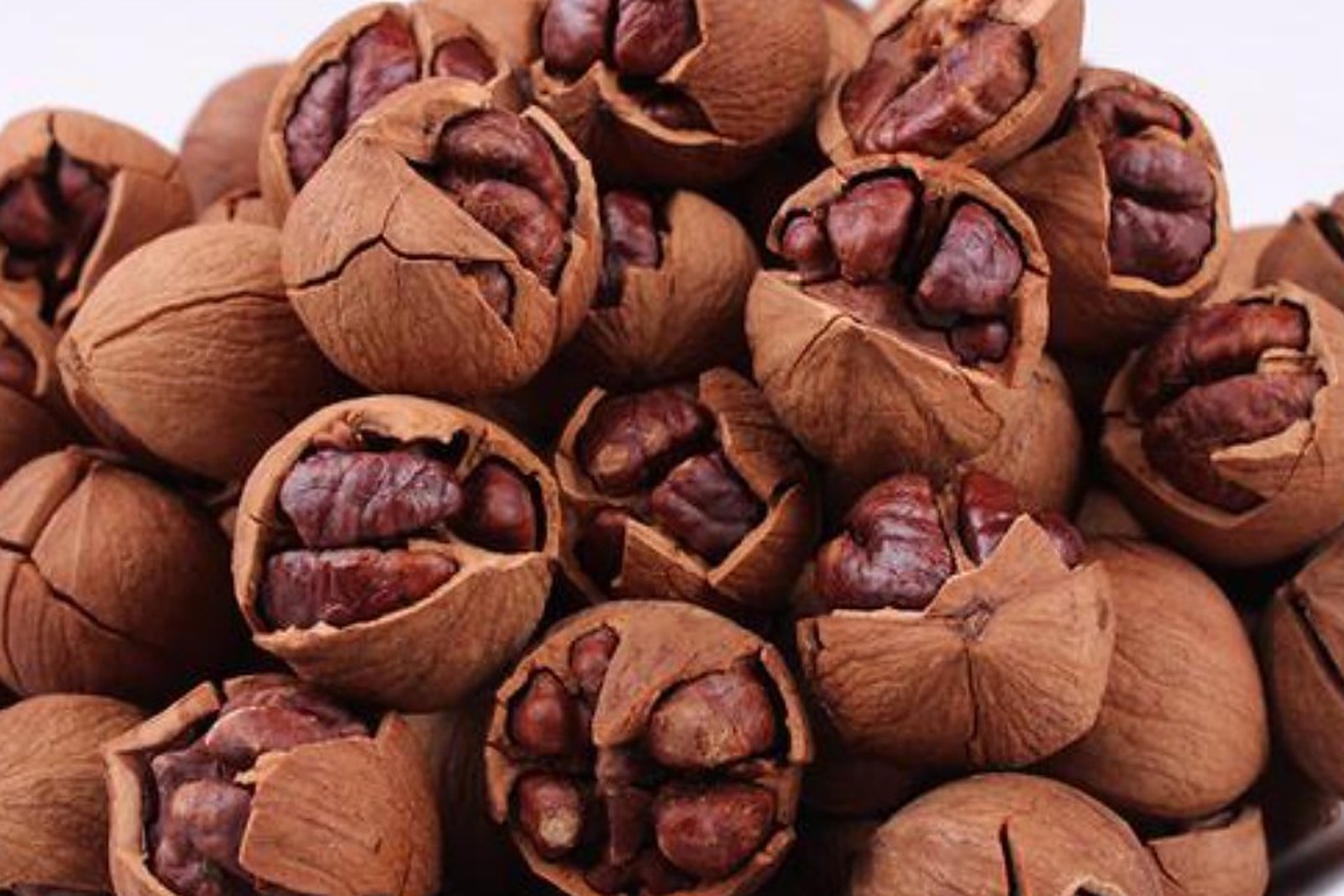
The honest grade is geography plus the ripeness clock. In 怀柔区 Huáiròu Qū Huairou District, Beijing the picking houses scatter along the belt’s farm roads, where the clientele is half 周末 zhōumò weekend families and half city buyers collecting reserved boxes – a mix that keeps the rows honest, because a grower here is graded by returning families who remember whose wenwan ran dense in November (worth confirming the details – which gardens book by phone). The district’s walnut carries a national geographical-indication listing (worth confirming year and registry), and the picker’s test outranks the plaque: a ripe nut parts from its husk with a soft tug and smells of itself; a firm pale one was picked to survive the van, and no clamshell hides it. A per-person bill runs on the basket and the month, so call it worth confirming the details rather than a fixed number, and book fine weekends early: the best beds empty their rows by noon.
The wry truth is that 怀柔核桃 Huáiròu hétao is over-rated as a photo outing and under-rated as autumn horticulture: the picking-visit genre files it under “farm experience”, while the actual thing – orchards that bank October light, green husks that dry and split at the peak of ripeness, and a nut that tastes of the slope it grew on – is controlled-environment farming the flyer never explains. The self-deprecating footnote, and the district braid: a food writer will compare the rows to a “wine terroir” no grower claimed, weigh a box at heroic shutter, and then call the fruit “commendably photogenic” as if brown were a season – which is the honest grade: 怀柔核桃 Huáiròu hétao is a working orchard belt the writer will romanticise more than he picks from, and the family at the next row has finished a kilo standing up and booked the next weekend before the shutter closes. The same 怀柔区 Huáiròu Qū Huairou District thread runs on: the iron-pot stews of 怀柔虹鳟鱼 Huáiròu hóngzūn yú Huairou rainbow trout simmer in the stream-side kitchens, the roasted trays of 怀柔板栗 Huáiròu bǐlì Huairou chestnuts warm the winter tables, the steaming pots of 怀柔杀猪菜 Huáiròu shāzhūcài Huairou kill-the-pig stew bubble through the cold nights, and the pale cups of 怀柔高山茶 Huáiròu gāoshānchá Huairou high-mountain tea steam through the cool mornings – one district, four more tables.
Words and Names
- 怀柔核桃 Huáiròu hétao / Huairou walnuts · the autumn fruit the district named for - 采摘 cǎizhāi / pick-your-own · the orchard trade the belt runs all season - 文玩核桃 wénwán hétáo / wenwan walnut · the dense hard-shelled collector’s favourite - 纸皮核桃 zhǐpí hétáo / paper-skin walnut · the pale soft one with the thin shell - 核桃粥 hétáo zhōu / walnut porridge · the winter serving the valley uses - 核桃博览园 Hétáo Bólǎnyuán / Walnut Expo Garden · the visitor-facing showcase of the belt - 怀柔区 Huáiròu Qū / Huairou District · the Beijing district holding the orchard rows
What the Locals Know
- Pick by the variety, not the queue: 文玩核桃 wénwán hétáo runs dense and hard, 普通核桃 pǔtōng hétáo pale and soft – taste one of each before choosing your row (worth confirming which house runs which blocks).
- Tug, don’t twist: a ripe nut parts from its husk with the softest pull – resistance means it was picked to travel, not to eat.
- Book the fine weekend early: autumn sun fills the rows by ten and empties them by two (worth confirming with each garden).
- Eat within the month: orchard fruit keeps its perfume a month, not a year – buy what the table finishes and cook the rest into porridge.
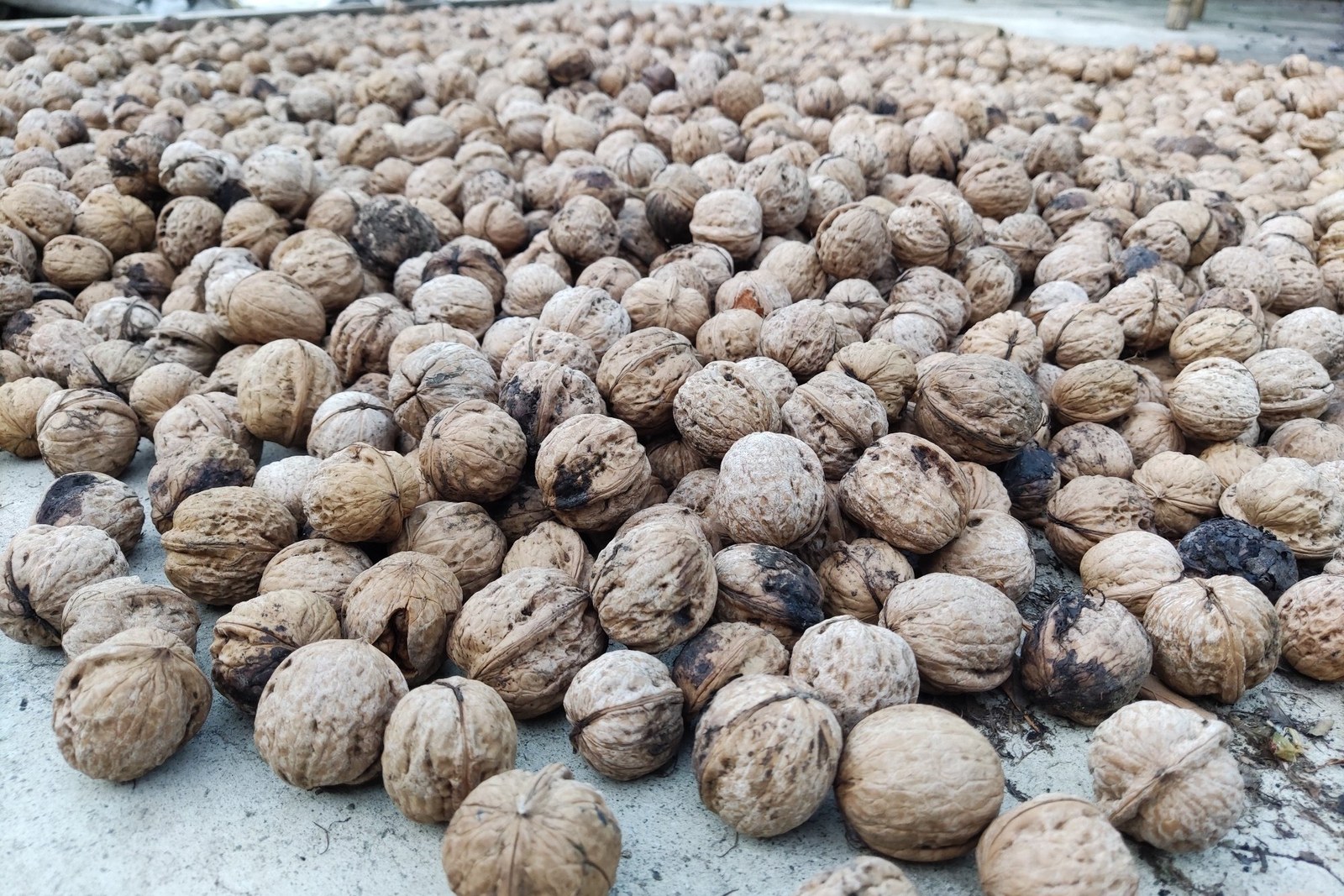
flowcloud would say that the 怀柔核桃 Huáiròu hétao is the dried bags, mountain slopes and the market counter of Huairou District, Beijing – a 文玩核桃 wénwán hétáo belt where 纸皮核桃 zhǐpí hétáo and 文玩核桃 wénwán hétáo ripen behind the husks’ backs – and that the honest move is to pick by the variety, tug don’t twist, and eat within the month, because the orchard keeps autumn out and calendar in. All checked October 2026. Where to find it: Huairou District Huáiròu Qū, Beijing – the picking orchards and shed counters along the farm roads of the district’s walnut belt, with the 核桃博览园 Hétáo Bólǎnyuán Walnut Expo Garden hosting the autumn carnival and market weeks (worth confirming the details – which gardens book and each year’s fair calendar); a per-person bill runs on the basket and the month, so call it worth confirming the details rather than a fixed number. Huairou walnuts are the dried bags, mountain slopes and the market counter of Huairou District, Beijing, row before box. All checked October 2026.
Where to find it: