
Huangtukan Ya Pears: Thin Skins, Autumn Juices and the Pear Harvest of Miyun District, Beijing
黄土坎村梨正熟,皮薄汁满一秋甜。Huángtǔkàn cūn lí zhèng shú, pí báo zhī mǎn yī qiū tián – In Huangtukan village the pears ripen; thin-skinned and full of juice, one autumn of sweetness.
黄土坎鸭梨 Huángtǔkàn yālí Huangtukan ya pears are the juice-fruit the eastern hills of Miyun have picked for generations, and the address is a village: the orchards of 黄土坎村 Huángtǔkàn cūn Huangtukan village under 大城子镇 Dàchéngzǐ zhèn Dachengzi town in 密云区 Mìyún Qū Miyun District, Beijing, where the 梨树 líshù pear trees fill the valley slopes and the village grew into the billing everyone prints – the district’s pear country (worth confirming which slopes hold the oldest rows). The craft most visitors under-rate is the skin: the 鸭梨 yālí ya pear – “duck pear”, named for the small duck-like nub at its stem – carries a skin so thin the fruit is graded by how little stands between palm and juice, a thinness that rules out rough transport and keeps the best fruit close to its orchard. The naming is the tell: a pear that answers to one village’s name answers to the slope where thin skins and heavy juice were the whole reputation – a fruit that took the village’s name because the village’s ground made it. The crop’s long standing in the district’s autumn markets (worth confirming the details – which registry lists it) matters less than the bite: the eater’s test is still the dripping chin, not the carton’s ribbon.
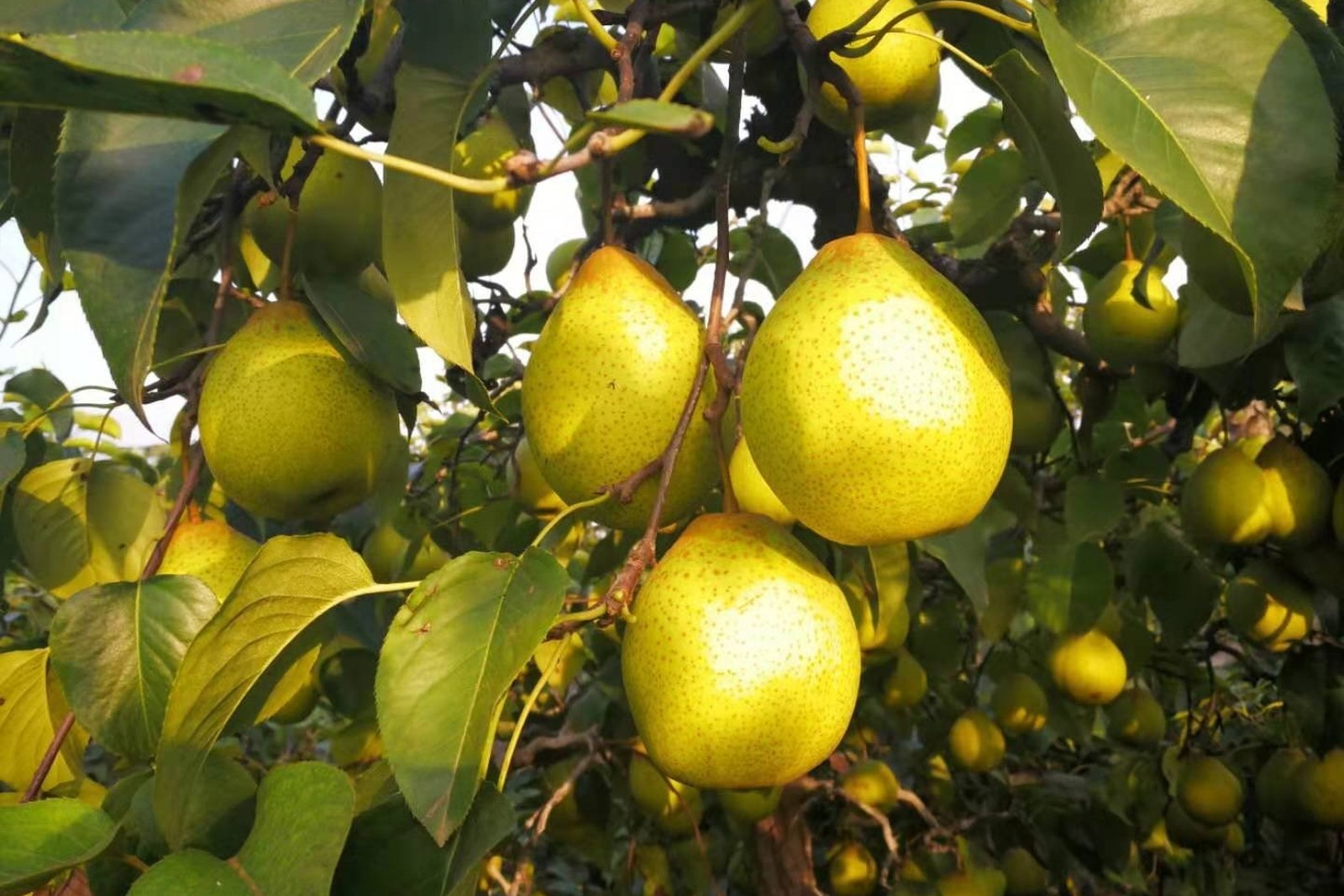
The eating is a bite-and-juice grammar written for fruit that bruises before it travels, and it leans 甜 tián sweetness plus 汁多 zhī duō heavy-juiced to match the harvest counter. The anchor is the pear itself: a green-gold ovoid under a skin the light nearly shows through, the flesh beneath fine-grained, crisp and running so freely the bite is best taken over the sink – the orchard’s answer to every mealy supermarket pear. Around the fruit the autumn runs its supporting cast: pears sold by the box at the orchard sheds, crates weighed for the drive back to the city, fruit laid out in the farmhouse cool to keep through the early winter, and the kitchen’s quiet uses – 冰糖炖梨 bīngtáng dùn lí pears stewed with rock sugar for the season’s dry coughs, and sliced fruit on the tea table under the drying corn (worth confirming the details – each house picks and packs its own way). The rule the orchard teaches: judge by weight, not by looks – a ya pear heavy for its size is the one the juice stayed with, and the duck-nub stem is the shape the old rows keep.
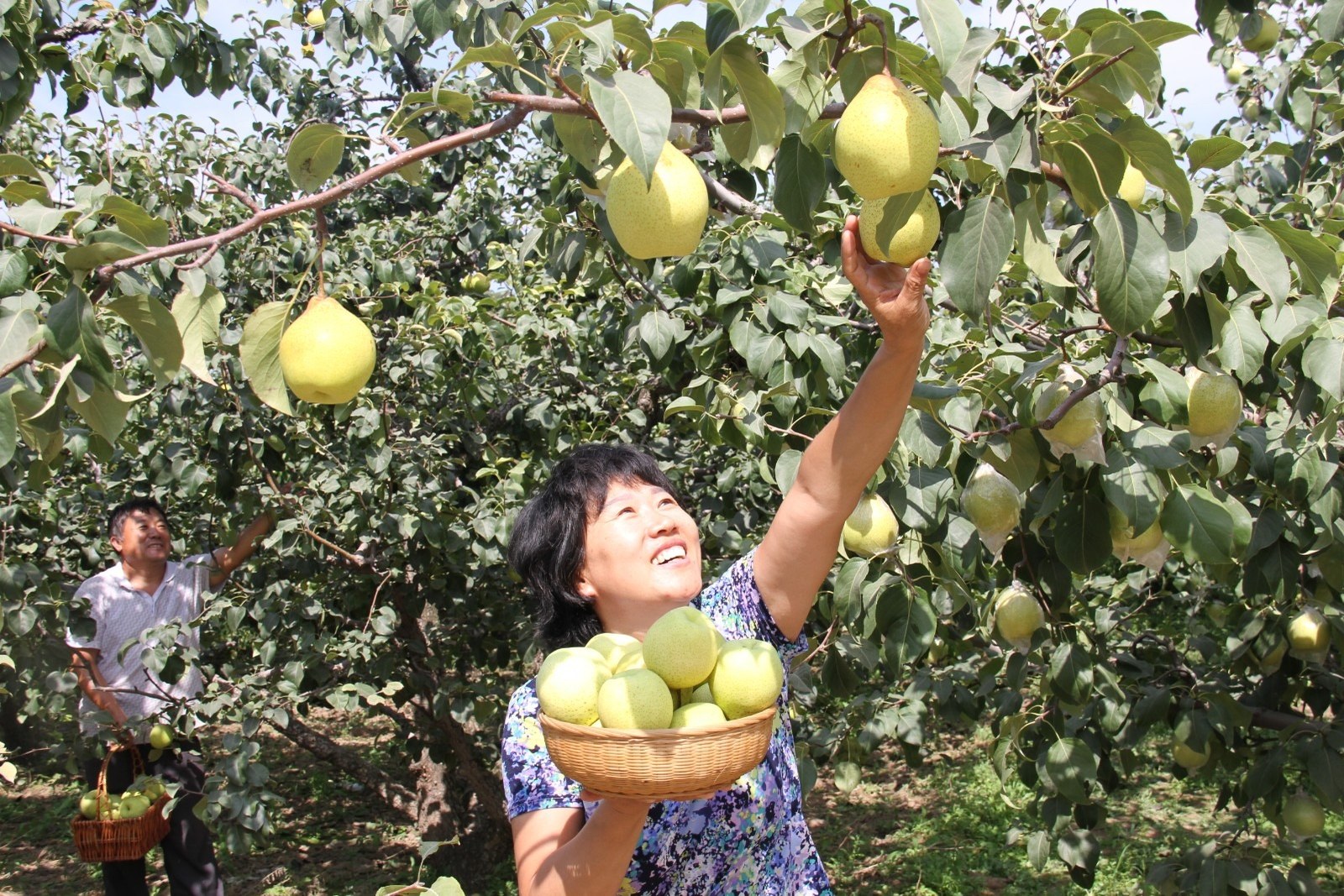
The honest grade is geography plus the picking clock. In 密云区 Mìyún Qū Miyun District, Beijing the honest buying is at the village sheds and orchard rows of 黄土坎村 Huángtǔkàn cūn Huangtukan village around the autumn harvest, where the clientele is half 周末 zhōumò weekend pickers and half city buyers collecting reserved boxes – a mix that keeps the rows honest, because a grower here is graded by returning families who remember whose pears ran juiciest last October (worth confirming the details – which orchards take phone orders and when the picking opens). The picker’s test outranks the carton: a ripe ya pear parts from the branch with a soft tug, sits heavy in the palm and smells of itself through the thin skin; a light dry one was picked early to survive the van, and no gift box hides it. A per-box bill runs on the grade and the month, so call it worth confirming the details rather than a fixed number, and come at the heart of the harvest: the fruit is at its heaviest mid-season, the thinned rows sell out first, and the last weeks trade firm pears for patience.
The wry truth is that 黄土坎鸭梨 Huángtǔkàn yālí is over-rated as an orchard-gate photo and under-rated as close-market logic: the harvest-festival genre files it under “country outing”, while the actual thing – a pear too thin-skinned to ship far, grown on one village’s slope because one village’s slope suits it, and eaten within days of the branch – is a geography lesson the crate never explains. The self-deprecating footnote, and the district braid: a food writer will compare the valley to a “pear terroir” no grower claimed, weigh a box at heroic shutter, and then call the fruit “commendably juicy” as if water were a season – which is the honest grade: 黄土坎鸭梨 Huángtǔkàn yālí is a working orchard the writer will romanticise more than he picks from, and the family at the next row has eaten two pears over the sink and reserved a crate for the winter before the shutter closes. The same 密云区 Mìyún Qū Miyun District thread runs on: the iron-pot braises of 水库炖鱼 Shuǐkù dùn yú Reservoir stewed fish roll in the lakeside village kitchens, the sugar-roasted pans of 燕山板栗 Yānshān bǎnlì Yanshan chestnuts rattle through the autumn streets, the hundred-flower jars of 密云蜂蜜 Mìyún fēngmì Miyun honey sweeten the mountain stalls, and the old braised perfume of 古北烧肉 Gǔběi shāoròu Gubei roast meat drifts through the Water Town tables – one district, four more tables.
Words and Names
- 黄土坎鸭梨 Huángtǔkàn yālí / Huangtukan ya pears · the juice-fruit the village named for - 鸭梨 yālí / ya pear, “duck pear” · the thin-skinned classic with the duck-nub stem - 黄土坎村 Huángtǔkàn cūn / Huangtukan village · the slope ground that makes the pear - 大城子镇 Dàchéngzǐ zhèn / Dachengzi town · the town holding the pear country - 冰糖炖梨 bīngtáng dùn lí / rock-sugar pear stew · the autumn kitchen use for the soft ones - 梨树 líshù / pear tree · the slope planter that carries the crop forward - 密云区 Mìyún Qū / Miyun District · the Beijing district holding the pear valley
What the Locals Know
- Judge by weight, not looks: a ya pear heavy for its size is the one the juice stayed with – the thin skin promises little and the palm tells all.
- Look for the duck nub: the small bump at the stem that gives 鸭梨 yālí its name is the shape the village’s old rows keep – a pear without it is someone else’s stock.
- Tug, don’t twist at the branch: a ripe pear parts with the softest pull – resistance means it was picked to travel, not to eat.
- Handle like eggs: the thin skin bruises at a look – carry the box flat, keep it cool, and eat the soft ones first as 冰糖炖梨 bīngtáng dùn lí rock-sugar pear stew.
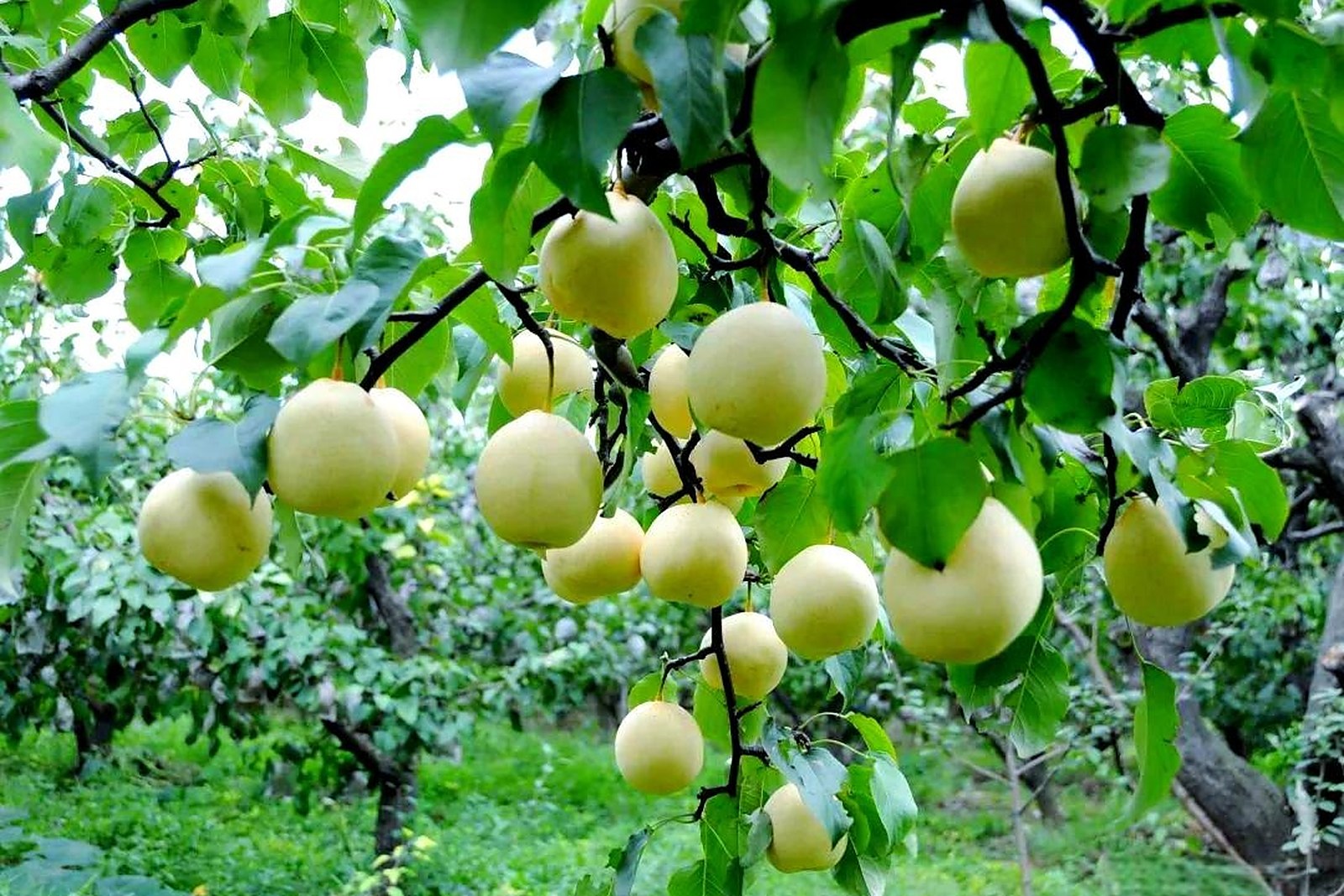
flowcloud would say that the 黄土坎鸭梨 Huángtǔkàn yālí is the thin skins, autumn juices and the pear harvest of Miyun District, Beijing – a 鸭梨 yālí discipline where 黄土坎村 Huángtǔkàn cūn ripens the juice behind the thin skin’s back – and that the honest move is to judge by weight, look for the duck nub, and eat the soft ones stewed, because the slope built the juice and the village built the name. All checked October 2026.
Where to find it: Miyun District Mìyún Qū, Beijing – the orchard sheds and village rows of 黄土坎村 Huángtǔkàn cūn Huangtukan village under 大城子镇 Dàchéngzǐ zhèn Dachengzi town, where the 鸭梨 yālí harvest runs through mid-autumn (worth confirming the details – which orchards sell at the gate, their picking dates and phone orders); a per-box bill runs on the grade and the month, so call it worth confirming the details rather than a fixed number. Huangtukan ya pears are the thin skins, autumn juices and the pear harvest of Miyun District, Beijing, weight before ribbon. All checked October 2026.