
A Wild Pairing From the Poplar Woods: Mushroom and Chicken, Fresh Without Apology
林下一筐鲜,炖鸡满院香 Lín xià yī kuāng xiān, dùn jī mǎn yuàn xiāng – A basket of wild freshness from the woods; stew it with chicken and the whole yard smells
The poplar mushroom Húyáng Gū is a wild fungus of the poplar forests along the Tarim River, gathered by folk around Yuli and Luntai for a century or more. It lives in symbiosis with the poplar roots, surfacing only in the humus under the woods, flush after flush after rain in spring and autumn. Fresh, the stems run thick and the caps meaty; dried, the aroma turns fiercer – locals rate it in four words: even the chicken can’t compete.
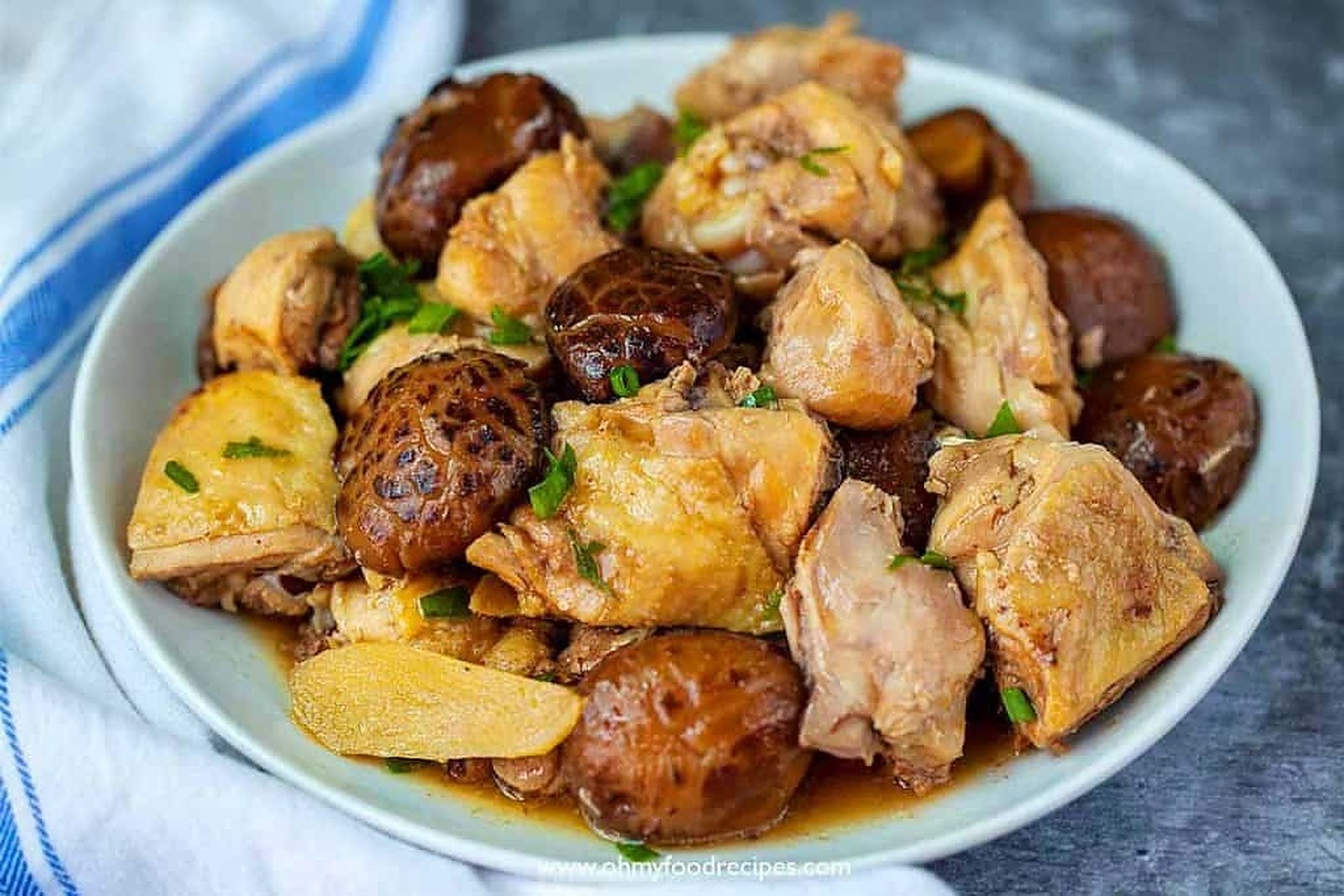
The stew’s recipe has held steady for decades: free-range chicken chopped, blanched cold to skim the scum; ginger, garlic, and dried chili hit hot oil; the chicken fries until the skin tightens, the mushrooms follow, and water finishes the job over a slow fire. The mushroom has a temper – it releases its full flavor only past forty minutes, the broth swinging from clear to deep, and the chicken quietly becomes the side character. Scatter local chili flakes before serving, pair with naan or noodles, but the broth is the soul – drink it first, without apology.
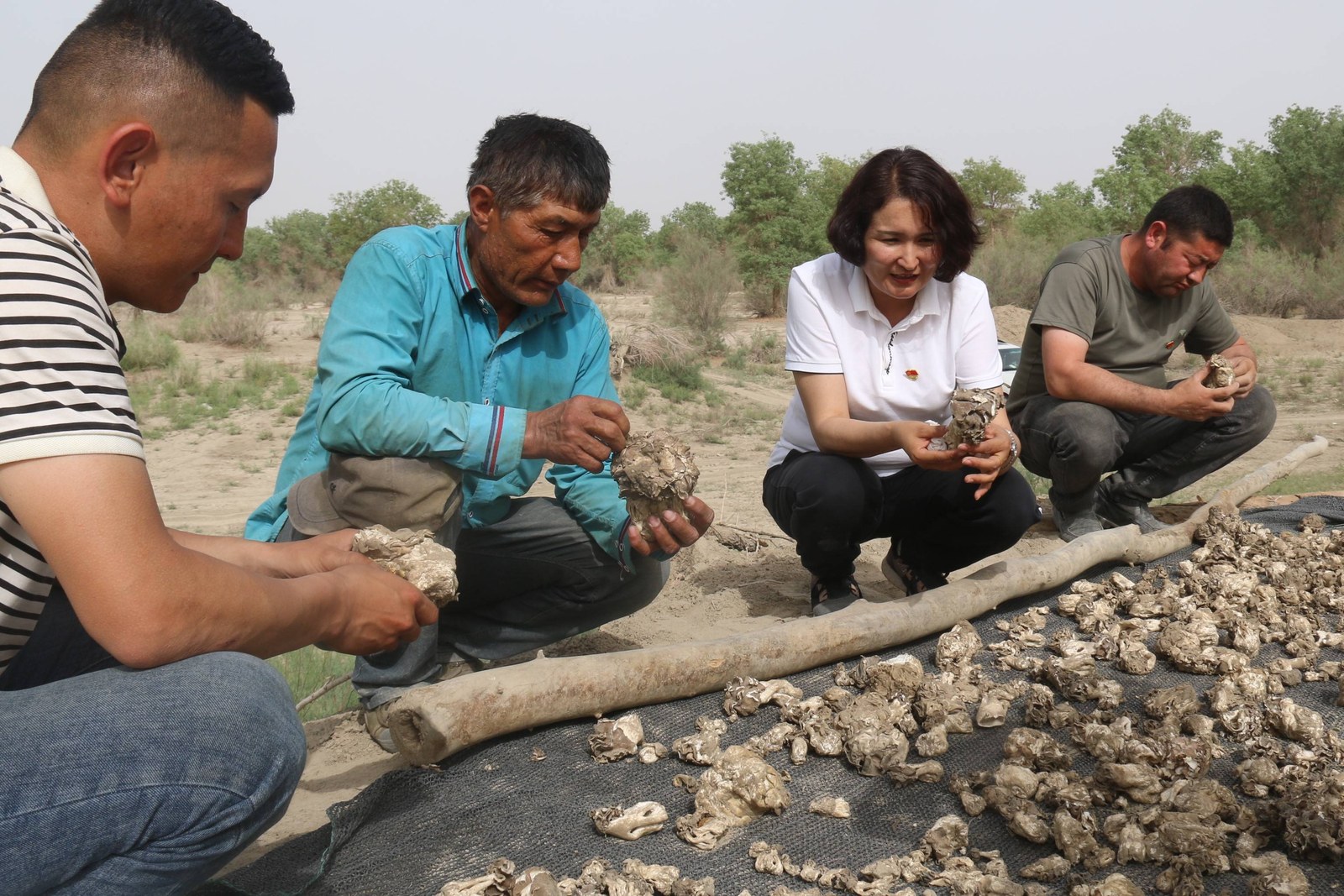
Gathering is a craft: veteran pickers read the forest itself – dense poplars, thick leaf litter, damp ground – and pinch the stem clean off without wounding the root so the same wood fruits again next year. Go at dawn after rain and the basket fills fastest, dew having washed the caps almost free of grit.
Dried mushrooms ask for method: soak two hours in warm water with a pinch of sugar, then let the soaking liquor settle and pour it into the pot – not one grain of flavor wasted. The dried fruit’s keeping power is why herders and farming families both love it: sealed away from light it holds a year without losing its scent. In autumn and winter the markets of Yuli and Luntai grade dried mushrooms by cap shape – big cap, thick stem, first gone.
The dish carries real rank at herding-family banquets: honored guests, winter slaughter, a child’s exam success – only a basin of poplar-mushroom chicken makes the occasion formal. The chicken ran in the yard, the mushrooms were picked by hand in the woods; one dish brings out the whole household’s bottom drawer. When the host refills the broth mid-meal, that is the ceremony’s second half.
Beyond the stew, the same 巴音郭楞蒙古自治州 Bāyīnguōléng Měnggǔ Zìzhìzhōu Bayingolin Mongol Autonomous Prefecture holds other flavors: 库尔勒香梨 Kù’ěrlè Xiānglí Korla fragrant pear, 博斯腾湖鱼 Bósīténg Hú Yú Bosten Lake fish, 若羌灰枣 Ruòqiāng Huīzǎo Ruoqiang grey jujube, and 罗布羊烤肉 Luóbù Yáng kǎoròu Lop sheep roast – four more doors into the same 巴音郭楞蒙古自治州 Bāyīnguōléng Měnggǔ Zìzhìzhōu Bayingolin Mongol Autonomous Prefecture. With the fresh soup warming you, our Bazhou travel map fills the day.
Season and safety both deserve respect: fresh mushrooms peak within a week of rain and then wait for the next one; for wild fungi always follow locals who know the species – anything unrecognized stays out of the mouth. The safest buy is dried goods from the scenic-area stalls and markets bearing local cooperative packaging.
Do not compromise on the starch: Yuli’s naan-pit naan and Luntai’s hand-pulled noodles are the natural partners – noodles boiled, rinsed, then dressed with mushroom broth and chicken for the local 「mushroom-soup mixed noodles」. A meal reaching this point has swallowed the Tarim autumn whole.
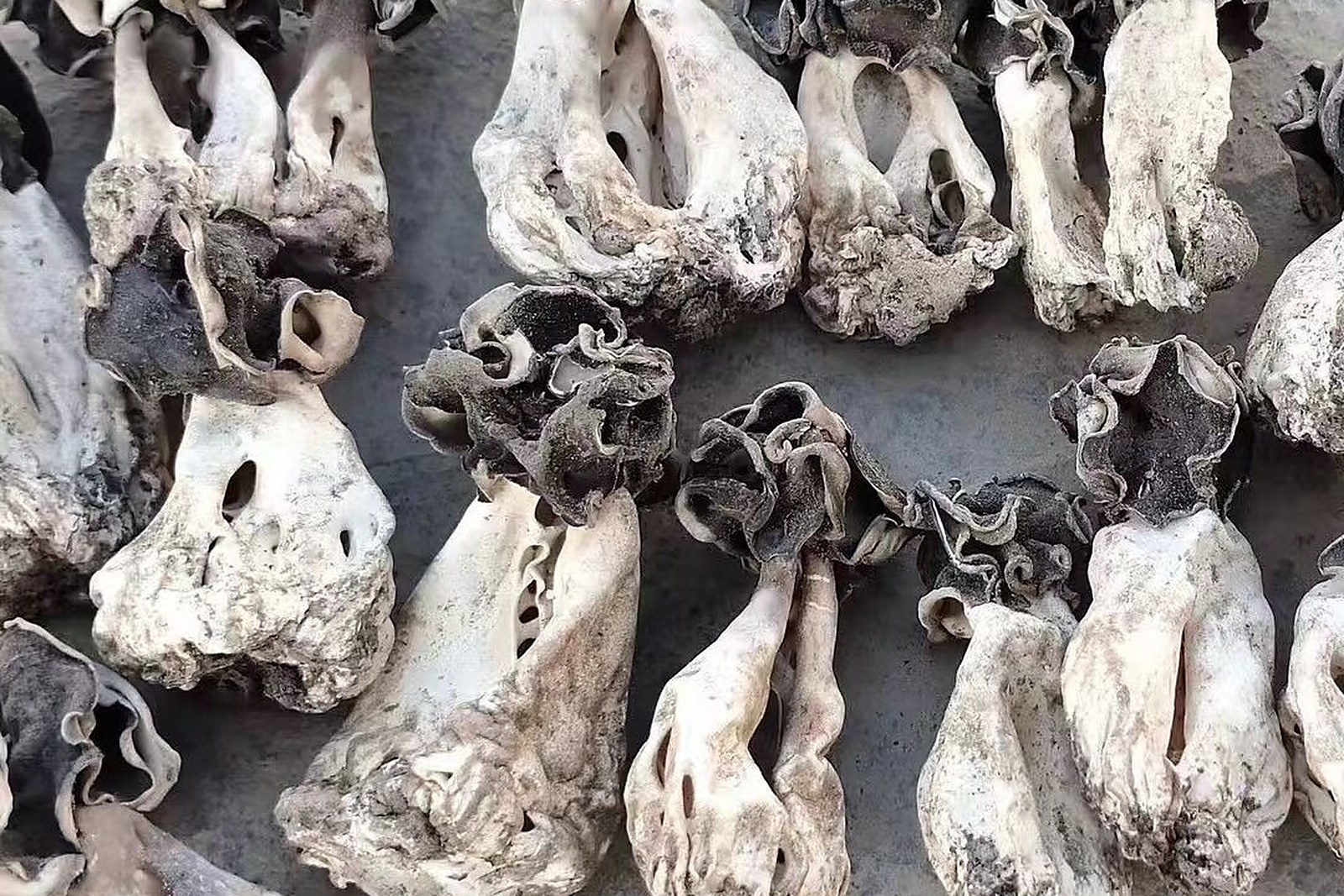
The market price moves yearly: rainy years steady it, dry years double it, and the dried-goods trade harvests twice – spring mushrooms and autumn mushrooms, the autumn ones fatter and more fragrant. Old buyers read the stem: short and thick means an old forest mushroom; long and thin usually means a shed-grown substitute a full rank below in flavor.
The dish’s supporting cast matters: potato and glass noodles are common partners, and soaked in mushroom broth they steal chopsticks from the chicken itself. Careful households add dried chili flakes and a few Sichuan peppercorns for one more layer; the mushroom-to-chicken ratio starts at one to two – any more mushroom and it steals the show.
The understory economy is changing pickers’ lives: cooperatives buy, dry, and package uniformly; pickers have gone from freelancers to licensed gatherers with someone watching the forest’s carrying capacity. Prices hold steady, and the will to protect the woods rises with them – good ecology is good harvest, an equation the Tarim riverside computes without trouble.
Cold chain now carries the fresh mushroom far: pre-cooled and iced, it flies to Urumqi the same day and reaches inland cities the next. Taste it fresh in the rainy season; after that, buy dried – drying concentrates the aroma, and a small handful stewed with chicken perfumes the whole pot, arguably the better value.
The simplified home version has spread too: broiler for free-range chicken, electric pressure cooker for the stew pot – twenty minutes under pressure, ten to simmer. The wild edge softens one notch, but for everyday cravings it is ample, and local aunties grade it kindly: six of ten is already the ceiling of an outside kitchen.
Words and Names
What the Locals Know
flowcloud would say this dish is the poplar forest’s rent collected in flavor: the trees lend the mushroom, the yard lends the chicken, and the pot pays everyone back in one soup. All checked November 2026.
Where to find it: At the farm kitchens around Yuli and Luntai, ask specifically for poplar-mushroom chicken – only the same-day picked, same-day stewed version is the real thing. For dried mushrooms trust local cooperative packaging, and keep the soaking liquor for the pot. All checked November 2026.