
Jiading Country Eats: Farmhouse Kitchen Tables, Salted-Pork Vegetable Rice and the Northern Countryside Seasonal Belt of Jiading District, Shanghai
乡野灶头咸肉饭,草头圈子配河鲜。Xiāngyě zàotóu xiánròu fàn, cǎotóu quānzi pèi héxiān – On the country stoves the salted-pork vegetable rice steams; braised pork rounds and greens beside the season’s river fare.
嘉定乡野土菜 Jiādìng xiāngyě tǔcài Jiading country cooking is the farmhouse-table trade of the district’s northern countryside around 华亭镇 Huátíng Zhèn Huating town in 嘉定区 Jiādìng Qū Jiading District, Shanghai – the flat green reach of farm plots, orchards and creek-line villages where 毛桥集市 Máoqiáo Jíshì the Maoqiao market village and the 浏河花市 Liúhé huāshì Liuhe flower market draw the weekend tide, and where 农家乐 nóngjiālè farmhouse restaurants and 采摘园 cǎizhāi yuán picking-garden kitchens cook the country register for the day’s visitors. The menu is the countryside’s own almanac: 草头圈子 cǎotóu quānzi braised pork intestines over clover greens – the Shanghai classic done at the farmhouse pot – 咸肉菜饭 xiánròu càifàn salted-pork vegetable rice steamed in the big kitchen rice bowl, and the 河鲜 héxiān river-fresh plates that follow the season’s catch from the local creeks (worth confirming the details – which farmhouse holds which courtyard frontage turns over with the village leases, and the specific doors are best confirmed in the village rather than recited). The clientele is the self-drive tide: 自驾 zìjià self-driving families and 骑行 qíxíng cycling clubs who come for the picking, the flower market and the flat-road riding, and sit down to the pots after. The blunt definition: the district’s country kitchen – the taste of Jiading eaten where the rice is grown within sight of the table.
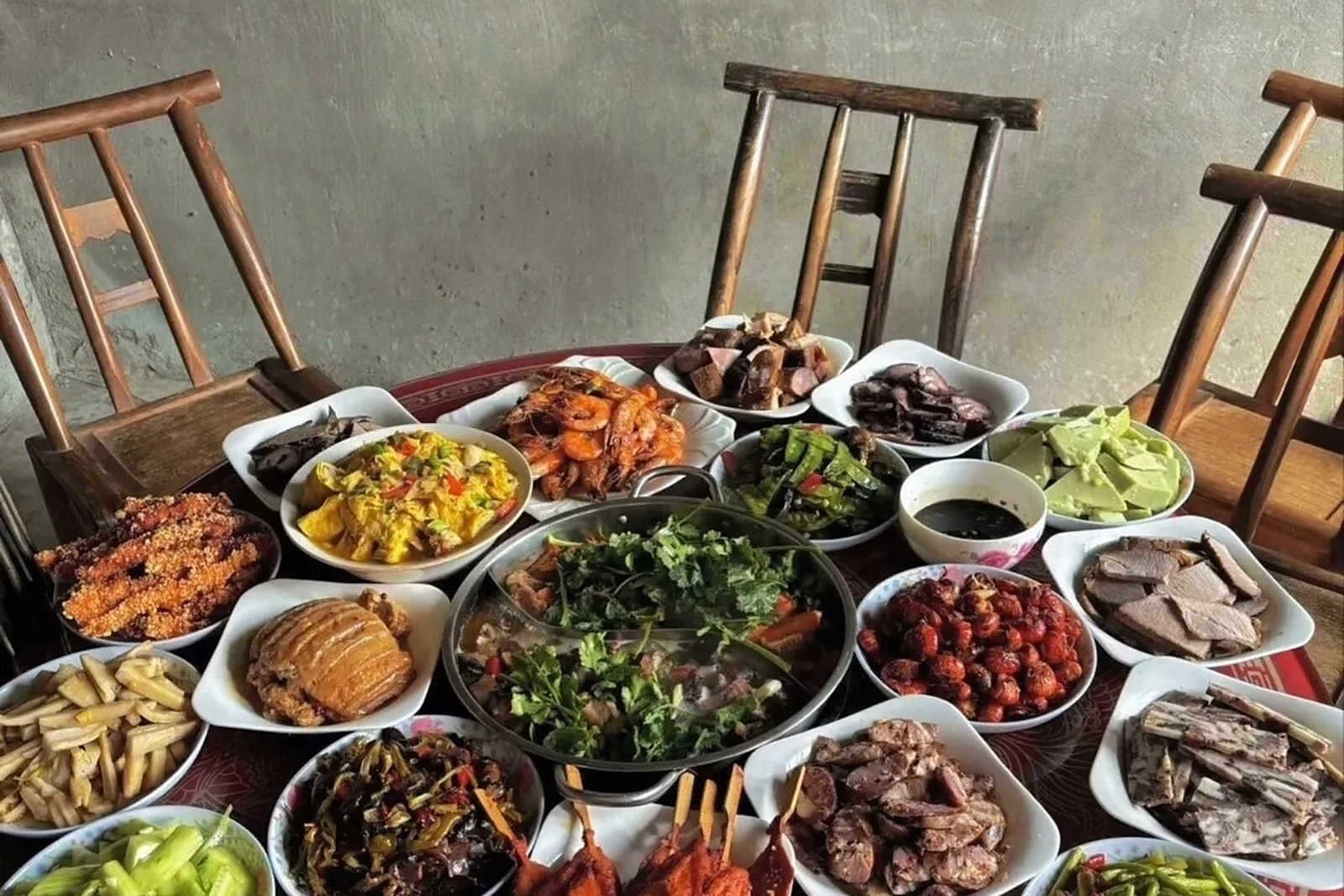
Call it honestly: farmhouse money on a harvest clock. Getting there is the countryside’s own arithmetic: 地铁11号线 dìtiě shíyī hào xiàn Metro Line 11 to 嘉定西站 Jiādìng Xī zhàn Jiading West station is the rail door, and the last stretch into the 华亭 Huátíng village lanes runs by bus – 公交 gōngjiāo local services connecting out of the station area toward the market village (worth confirming the details for the connecting routes and their frequencies, which run thin and follow the market days more than the metro’s timetable) – though most of the trade arrives by car or bicycle, and the lanes keep parking at the courtyard doors. A vegetable-rice plate prices at farmhouse money, a full table of clover-braise, river plates and rice at casual-neighbourhood money – though exact figures are worth confirming the details on rather than quoting, the kitchens pricing for the weekend tide and repricing with the seasons. The crowds run to the almanac: picking-season weekends pack the courtyards through late afternoon, flower-market days swell the lanes, and a weekday lunchtime, when the pots cook for the field hands and the courtyards belong to the villagers, is the eater’s own hour (worth confirming the details for individual kitchens’ hours, which follow the harvest and the bus charters rather than any posted sign).
The honest star is the farmhouse pot itself, graded against the season. What gets oversold is the “hidden country feast” framing: guides sell an endless harvest carnival of rustic tables, and a first-timer may meet an ordinary village of courtyard restaurants, picking sheds and flower stalls – which is not the disappointment but the point. What repays the effort is grading the pot the way the countryside does: a 咸肉菜饭 judged by whether the salted pork is the family’s own cure and the greens cut that morning, a 草头圈子 judged by whether the braise tastes of the kitchen’s old pot rather than the banquet pan, a river plate judged by whether it answers the season rather than the freezer. The test costs nothing: eat where the cycling clubs pile their helmets on the next table and order what the field hands ordered – a village that feeds its own farmers grades its kitchens daily, and the courtyard queue is the certificate (worth confirming the details – the courtyards change hands with the leases, and today’s plainest gate may be next season’s remembered one).
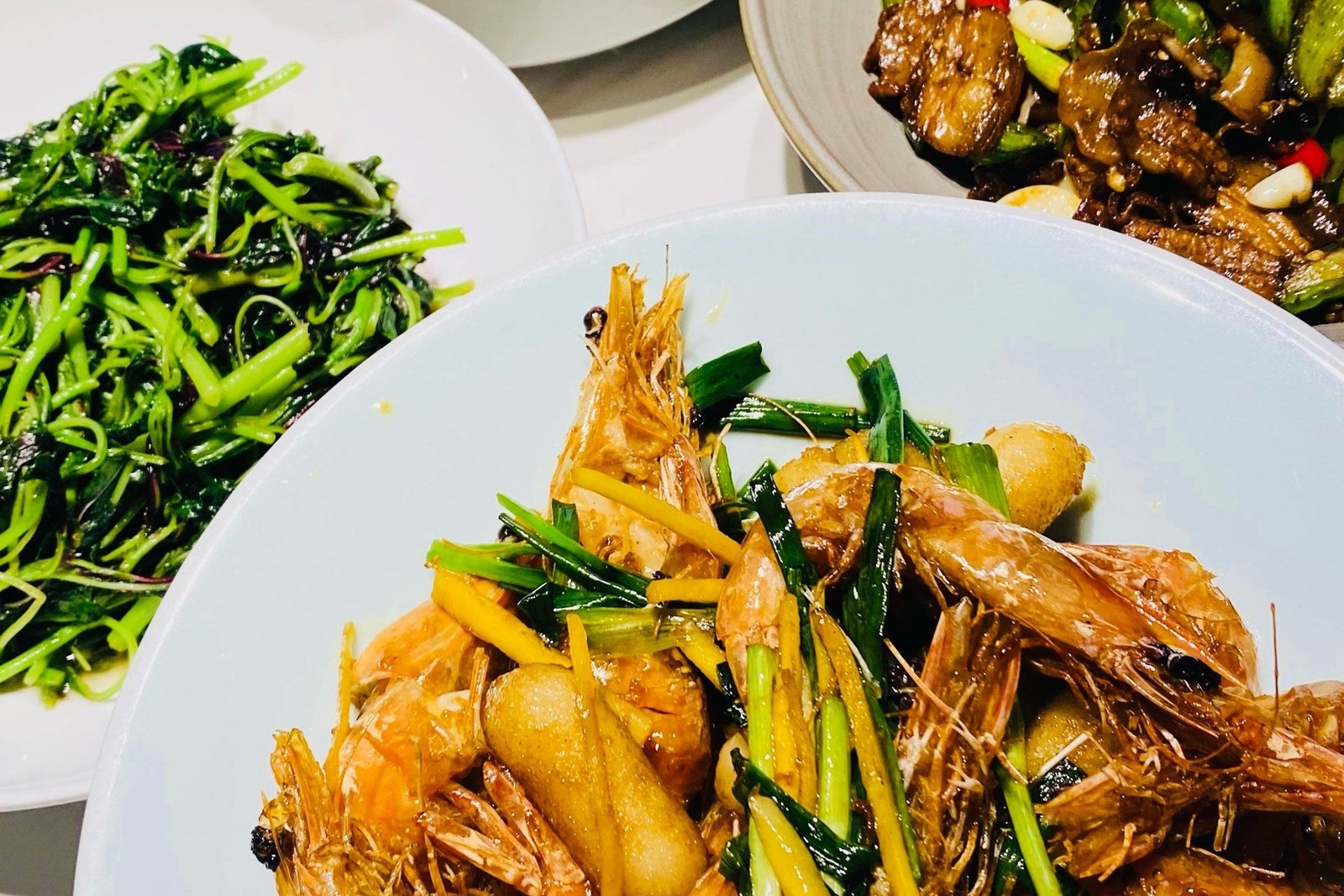
The countryside’s deepest habit is the shared-table set: a fixed country meal of rice, braises and the season’s river plates, carried out to the courtyard boards in big bowls and eaten at the pace of the afternoon – a format built for picking parties and riding clubs, kept because the pot prefers it. Time it right – a weekday ride out on the flat roads, the bus connection confirmed the day before – and the table arrives as the country meant it: rice steamed in the big bowl, braise from the morning pot, the season on every plate (worth confirming the details – which courtyards still cook the full farmhouse set today, the trade thickening on weekends and thinning to the locals on weekdays).
The rest of this Jiading list keeps other tables: the origin-town steamers of 南翔小笼包 Nánxiáng xiǎolóngbāo Nanxiang xiaolongbao fog a Line 11 ride south, the pagoda-lane snack belt of 州桥老街小吃 Zhōuqiáo Lǎojiē xiǎochī Zhouqiao Old Street snacks steams at the district seat, the twin-clock tables of 安亭美食 Āntíng měishí Anting eats run the old street and the Auto City malls to the west, and the vineyard season tables of 马陆葡萄与周边美食 Mǎlù pútao yǔ zhōubiān měishí Malu grape area eats ripen down the line – one district, four more tables, all inside 嘉定区 Jiādìng Qū Jiading District; and when the country afternoon needs a bed in a village courtyard or a route onward, the stay-and-street notes for the district pick up where the rice fields leave off.
Words and Names
What the Locals Know
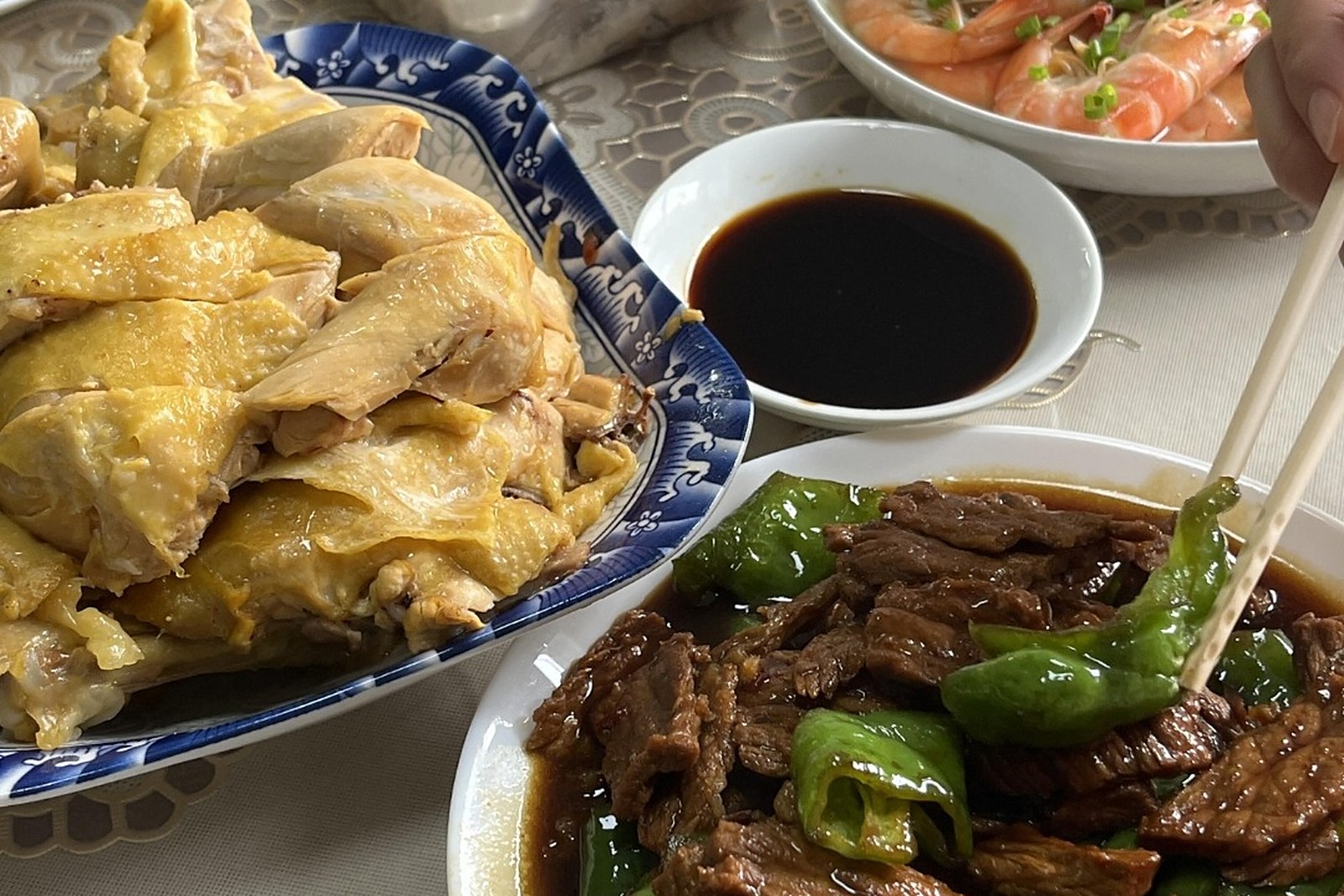
flowcloud would say that the 嘉定乡野土菜 Jiādìng xiāngyě tǔcài is the farmhouse kitchen table and the salted-pork vegetable rice of the northern countryside of Jiading District, Shanghai – a 灶头菜 zàotóu cài discipline where the wood-fired stove answers the river-shrimp woks and the pickle jars of the 华亭镇 Huátíng Zhèn Huating farmhouses – and that the honest move is to sit down at the shared table, eat what the field brought in that morning, and let the cycling clubs’ helmet-piled corner cast the vote, because the pot and the field keep the same address and the address keeps the pot. All checked October 2026.
Where to find it: 嘉定区 Jiādìng Qū Jiading District, Shanghai – the farmhouse-table belt of the northern countryside around 华亭镇 Huátíng Zhèn Huating town, strung between 毛桥集市 Máoqiáo Jíshì the Maoqiao market village and the 浏河花市 Liúhé huāshì Liuhe flower market, reached by car or bicycle or from 嘉定西站 Jiādìng Xī zhàn on Metro Line 11 and the thin local bus connections out toward the village lanes (worth confirming the details – which farmhouse kitchen and which picking-garden room hold which courtyard today, village doors turning over with the leases); farmhouse to casual-neighbourhood money for the shared table, so call it worth confirming the details rather than a fixed number, and let the cycling clubs’ helmet-piled table cast the vote. Jiading country eats is the farmhouse kitchen tables, salted-pork vegetable rice and the northern countryside seasonal belt of Jiading District, Shanghai – the taste of 嘉定区 Jiādìng Qū Jiading District eaten where the pot and the field keep the same address. All checked October 2026.