
One Bowl at a Time: Jiajia Noodles
一口一碗七十二,马帮古道面香传 Yī kǒu yī wǎn qīshí’èr, mǎbāng gǔdào miàn xiāng chuán – One bite, one bowl, seventy-two in all; the noodle smell travels the old caravan road
盐井加加面 Yánjǐng Jiājiā Miàn Jiajia noodles are Yanjing’s answer to highway hunger: bowls so small that eating becomes a game, one thimble-sized serving of wheat noodles under a spoonful of minced yak meat at a time. In the villages of 西藏自治区昌都市 Xīzàng Zìzhìqū Chāngdū Shì Chamdo along the salt-wells road, the rule of the table is one bowl per mouthful, refilled the instant the chopsticks pause – and the standing joke is the stack of seventy-two empty bowls that marks a serious eater.
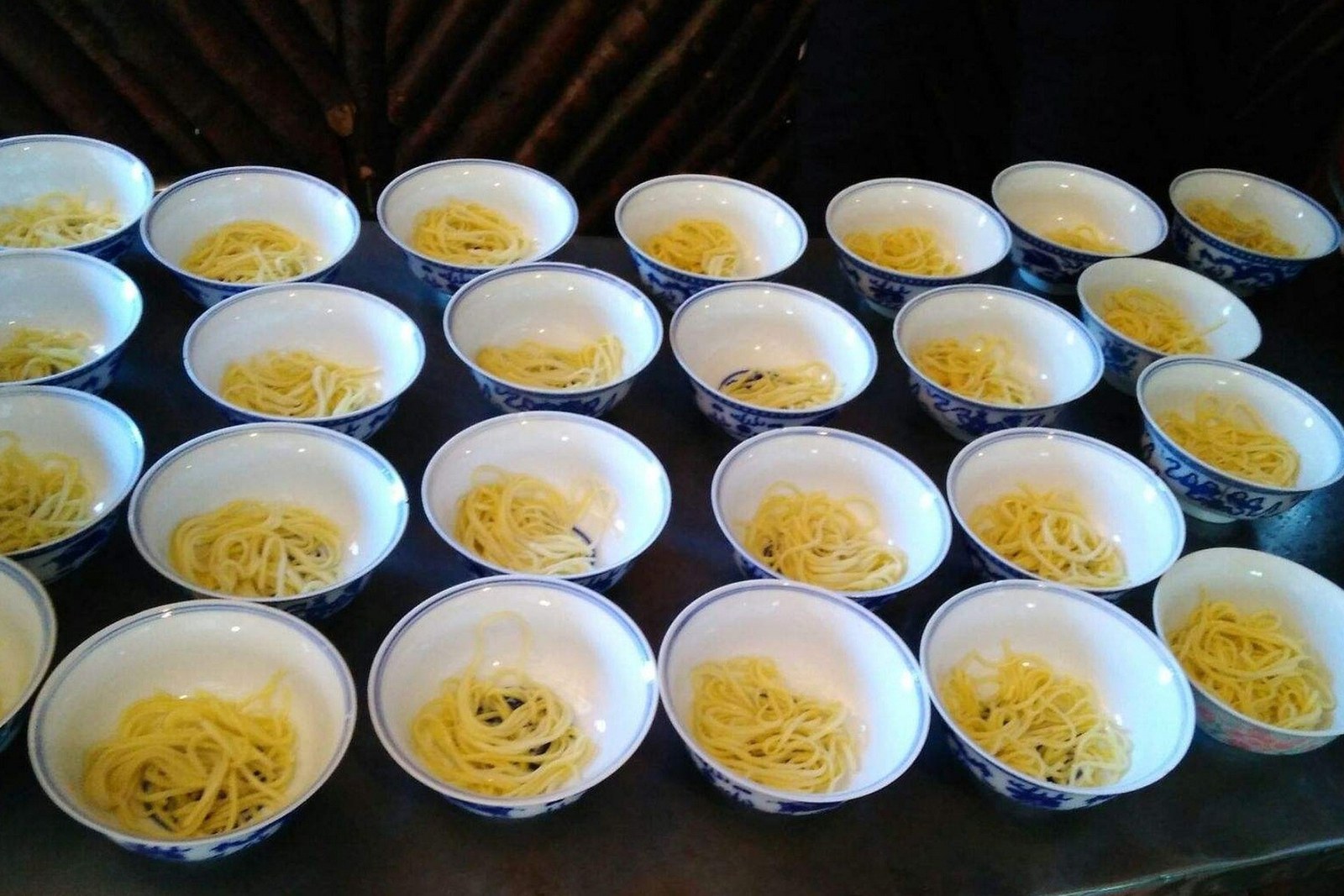
The noodles themselves are simple and exact: a springy wheat noodle rolled and cut in the morning, a topping of minced yak beef cooked down with scallion in its own fat, and a ladle of the meat broth that keeps everything loose. The bowl is barely two bites, which is the point – the caravan drivers of the old tea-horse road needed a hot meal they could eat without leaving the table, and the format never changed once it worked.
Eating becomes entertainment. The server keeps count in a tower of empty bowls by your elbow, families compete across tables, and the record display by the door – a pole stacked with dozens of bowls – tells newcomers exactly what they have signed up for. The taste is homey rather than fierce: wheat and meat and scallion, a spoon of crisp pickle on the side, and the pride of the house in whether you lose count before the kitchen slows down.
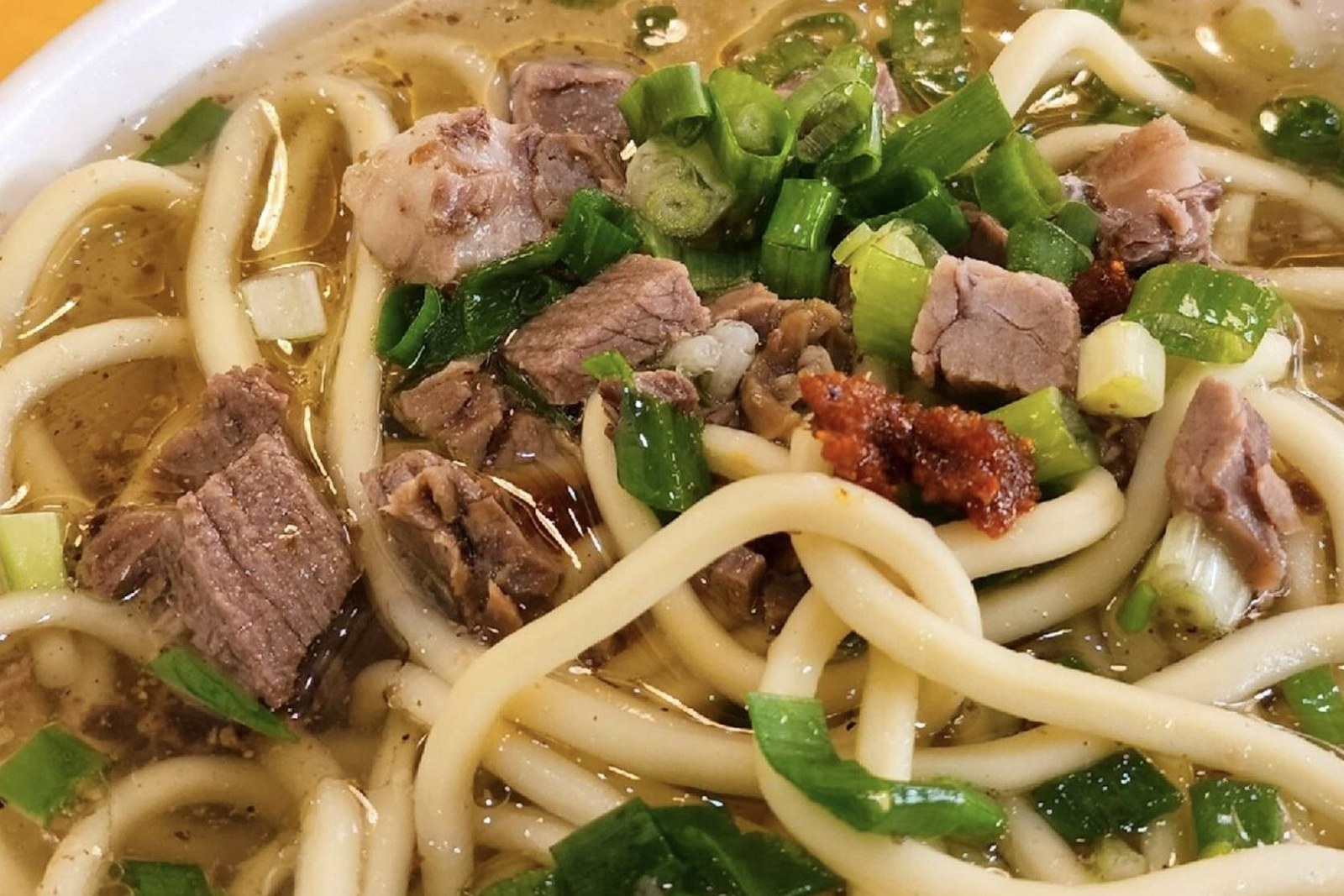
What jiajia noodles really carry is the valley’s trade history. The salt-wells road fed salt, wine and noodles to every caravan between Yunnan and Chamdo, and the dish belongs to that world of mule bells and roadside tables – fast, hot, endless and social. For a traveler it is the rare meal that is also a show: order a stack, pace yourself, and let the bowls tell the story of the road one mouthful at a time.
The same 西藏自治区昌都市 Xīzàng Zìzhìqū Chāngdū Shì Chamdo holds more flavors worth chasing: 盐井葡萄酒 Yánjǐng Pútáojiǔ the missionary-valley red, 藏式血肠 Zàngshì Xuècháng the winter blood sausage, 人参果饭 Rénshēnguǒ Fàn the sweet droma rice, or 藏东松茸 Zàngdōng Sōngróng the rain-season matsutake – four more doors into the same Chamdo table.
Words and Names
加加面 jiājiā miàn jiajia noodles, “add-add noodles” refilled bowl by bowl; 盐井 Yánjǐng Yanjing, the salt-wells valley on the G214; 牦牛肉 máoniú ròu yak beef, the topping’s backbone; 茶马古道 chámǎ gǔdào the tea-horse road that shaped the dish; 一口一碗 yī kǒu yī wǎn “one bite, one bowl”, the table rule; 七十二碗 qīshí’èr wǎn the seventy-two-bowl legend of the full stack.
What the Locals Know
The count is the whole game – servers read your pace from the tower of bowls and slow the refills before you ask. The best bowls come when the kitchen is busiest, because the topping pot is freshest at full boil. And the local trick is pacing: steady small bites, no heroics, and save the last three bowls for the broth-only finish that the old drivers swore by. All checked November 2026.
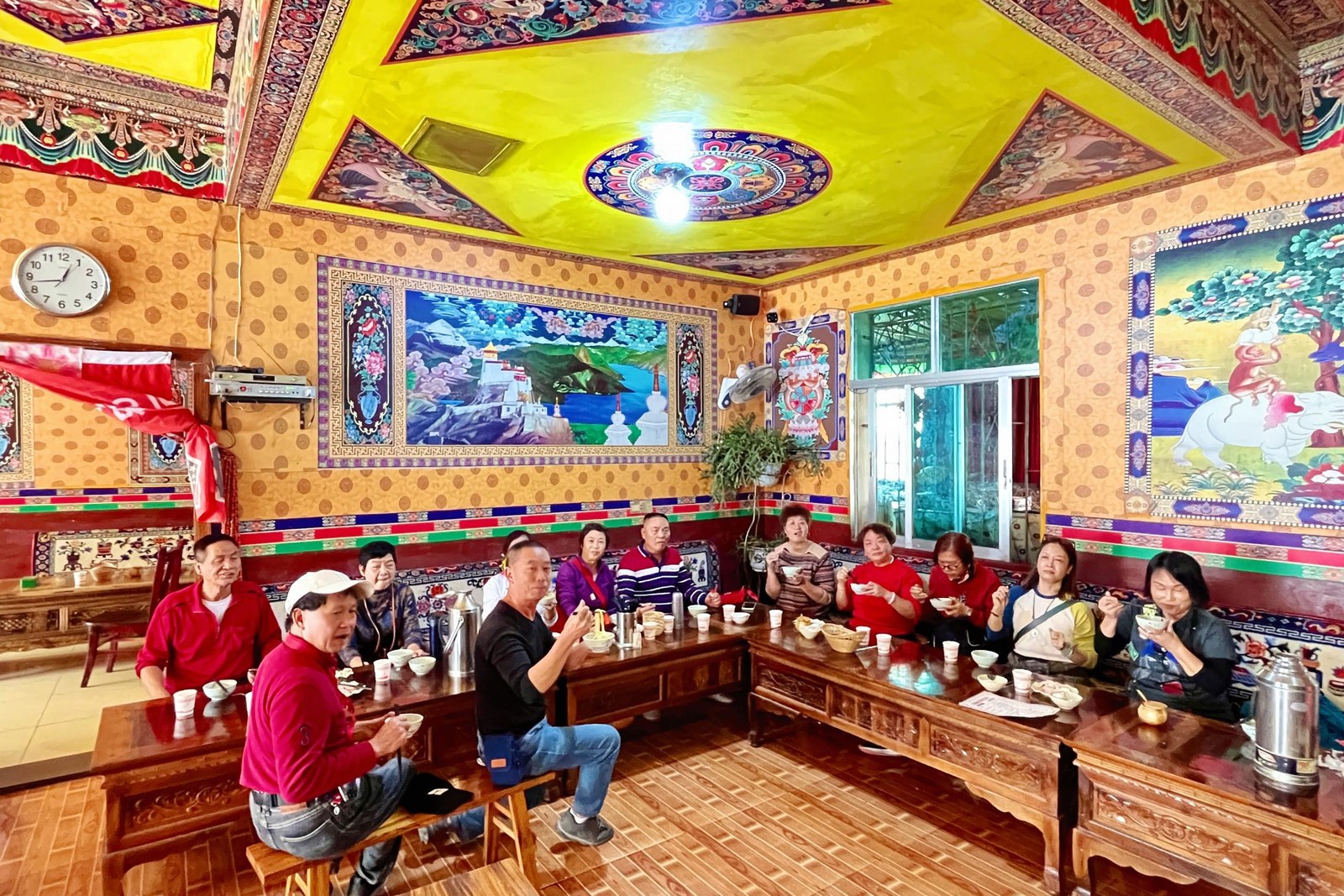
flowcloud would say jiajia noodles are the tea-horse road still running: one mouthful, one bowl, one more – the valley counts your visit the way it counted the caravans, in small bowls stacked to the record line.
Where to find it: The noodle houses along the salt-wells road through Yanjing township keep the bowls coming all afternoon; the houses nearest the salt-terrace viewpoint fill first at lunch. All checked November 2026.