
Jiangchuan Road Eats: Workers’ Satellite Benbang Small Rooms, Rich-Oil Dark-Soy Tables and the Old Minhang Eating Corridor of Minhang District, Shanghai
江川路上赤酱浓,小馆家常味最真。Jiāngchuān lù shàng chìjiàng nóng, xiǎoguǎn jiācháng wèi zuì zhēn – Along Jiangchuan Road the dark soy runs rich; in the small rooms the home taste is truest.
江川路本帮小馆 Jiāngchuān Lù běnbāng xiǎoguǎn Jiangchuan Road benbang small rooms are the eating trade along 江川路 Jiāngchuān Lù Jiangchuan Road in 老闵行 Lǎo Mǐnháng Old Minhang, the southern reach of 闵行区 Mǐnháng Qū Minhang District, Shanghai – the 工人卫星城 gōngrén wèixīngchéng workers’ satellite city raised in the 1950s around the 四大金刚 sì dà jīngāng “four great pillars” industrial plants, and the long avenue that has fed its factory generations ever since. The doors thicken along the road into a dense small-room belt: 本帮小馆 běnbāng xiǎoguǎn benbang small rooms cooking 浓油赤酱 nóngyóu chìjiàng rich-oil dark-soy home flavours, noodle houses running their broth pots from morning, and family kitchens where the menu is the family’s own repertoire rather than a trend cycle (worth confirming the details – which room holds which frontage turns over slowly but does turn, and the specific doors are best confirmed on the street rather than recited). The clientele is the block itself: retirees at the midday tables, workers and families at the evening ones, and the pricing follows the residents rather than the guidebooks. The blunt definition: the satellite city’s own kitchen – the taste Shanghainese mean when they say a road still cooks like 1960.
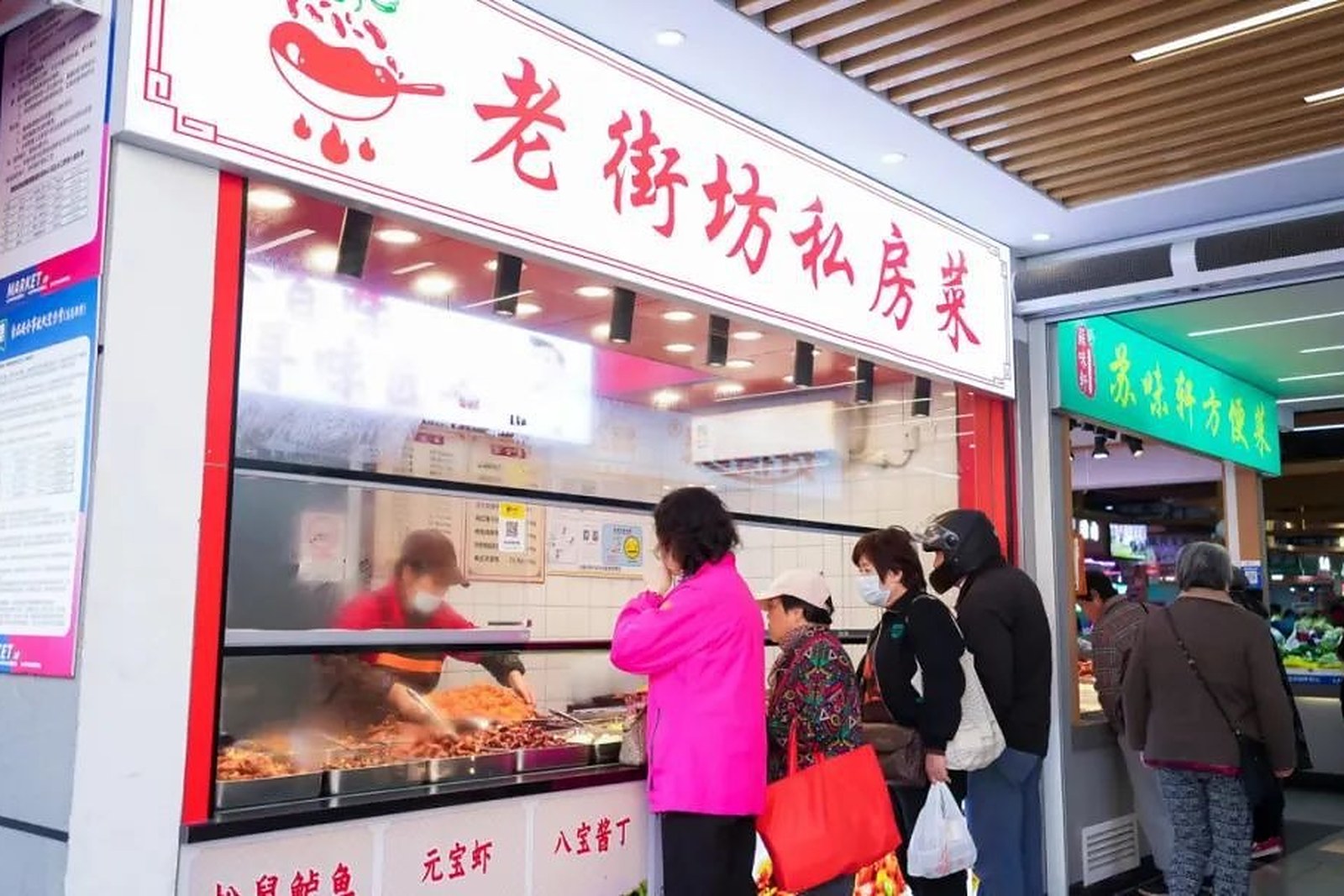
Call it honestly: satellite-city money on a factory clock. Getting there is one door: 地铁5号线 dìtiě wǔ hào xiàn Metro Line 5 to 江川路站 Jiāngchuān Lù zhàn Jiangchuan Road station opens directly onto the small-room belt, which lines the road either side of the platform. A noodle bowl prices at street-snack money, a table of benbang home dishes at casual-neighbourhood money – among the gentlest arithmetic in the city – though exact figures are worth confirming the details on rather than quoting, the rooms being small, family-run and chalkboard-honest. The crowds run to the works’ rhythm: midday brings the retiree tables and the plant-shift lunches, evening brings the families home to the small rooms, and a weekday mid-afternoon, between the two waves, is the eater’s own hour – pots still full, tables still open, owners willing to talk (worth confirming the details for individual rooms’ hours, which follow the residents’ rhythms rather than any posted sign).
The honest star is the neighbourhood, and the cooking is how it is read. What gets oversold is the “forgotten old Shanghai” framing: guides sell a lost-benbang romance, and a first-timer expecting a staged heritage quarter may meet an ordinary working road of housing blocks and shopfronts – which is not the disappointment but the point. What repays the effort is eating the way the satellite city eats: a benbang room judged by whether the 红烧 hóngshāo red-braise tastes of the family pot rather than the banquet kitchen, a noodle house judged by whether the broth is the same pot at three as at seven, a corner kitchen judged by whether the neighbours queue without reading the sign. The test costs nothing: order what the table of regulars ordered, sit within earshot of the kitchen, and time the turnover – a road that has cooked for the same plant families for two generations grades its kitchens nightly by people who could make the dishes themselves (worth confirming the details – the old rooms change hands slowly, and the best doors are often the plainest).
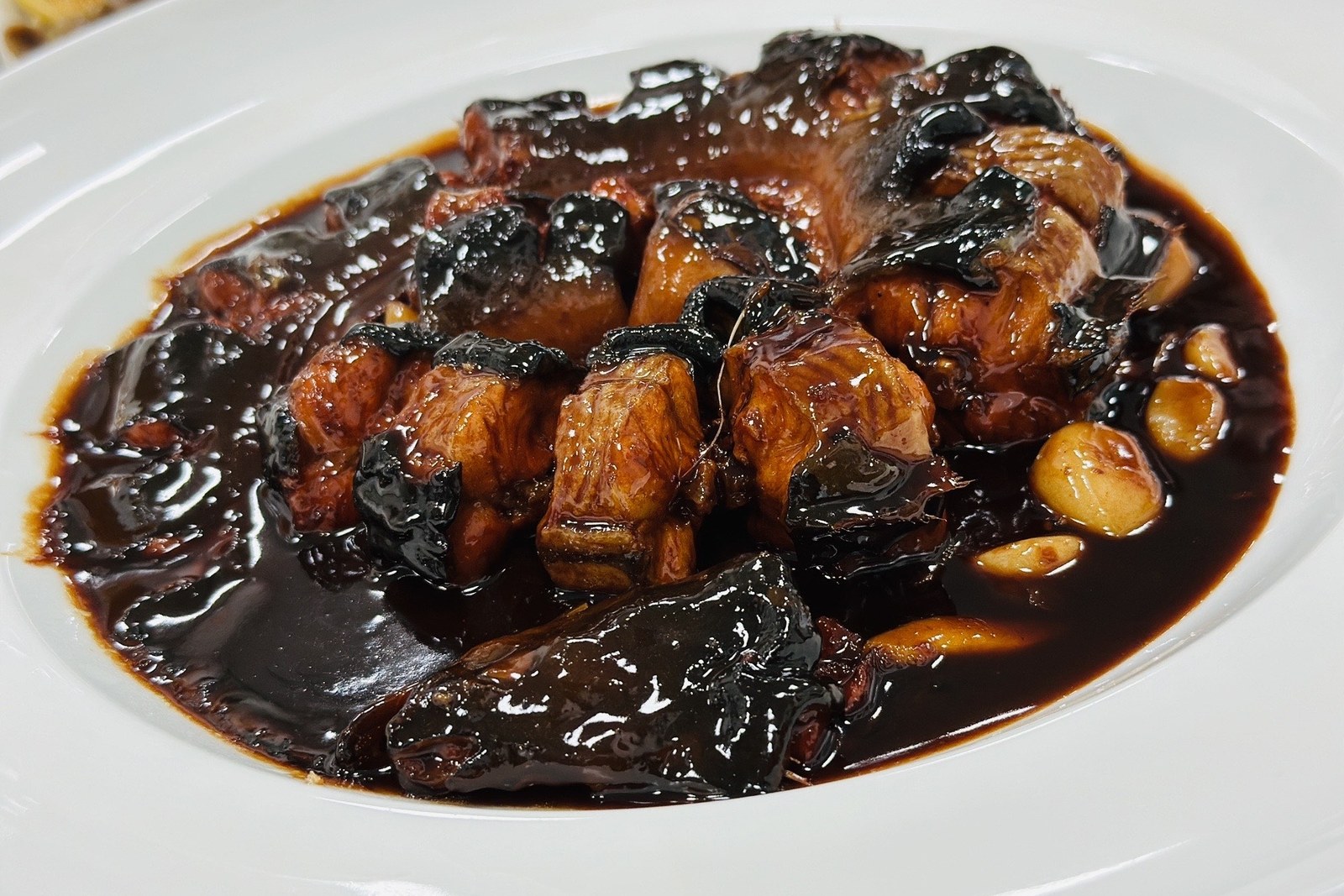
The register here is 浓油赤酱 nóngyóu chìjiàng – rich oil, dark soy, sugar answering salt – and the small rooms keep it without apology: red-braised dishes glossed dark, river fare cooked to the season’s catch, vegetable plates that taste of the wok rather than the menu card. Eat one honest table here and the city’s benbang argument settles itself: the vocabulary was never lost, it only moved to where the workers live (worth confirming the details – each room keeps its own repertoire, and the seasonal dishes are chalkboard news rather than printed promise).
The rest of this Minhang list keeps other tables: the stone-lane snack line of 七宝老街小吃 Qībǎo lǎojiē xiǎochī Qibao Snacks runs its old-town trade a metro ride north, the mall-and-doorstep matrix of 莲花路商圈美食 Liánhuā Lù shāngquān měishí Lianhua Road dining stacks up along Line 1, the disused-rail international row of 老外街多国料理 Lǎowài Jiē duōguó liàolǐ Laowai Street dining pours in the district’s east, and the hub platforms of 莘庄商圈美食 Xīnzhuāng shāngquān měishí Xinzhuang area eats steam at the Lines 1 and 5 crossing – one district, four more tables, all inside 闵行区 Mǐnháng Qū Minhang District; and when the satellite-city evening needs a bed nearby or a route onward, the stay-and-street notes for the district carry the road from here.
Words and Names
- 江川路本帮小馆 Jiāngchuān Lù běnbāng xiǎoguǎn / Jiangchuan Road benbang small rooms · the satellite city’s home-style eating trade - 江川路 Jiāngchuān Lù / Jiangchuan Road · the avenue that holds it - 老闵行 Lǎo Mǐnháng / Old Minhang · the southern reach where the road runs - 工人卫星城 gōngrén wèixīngchéng / workers’ satellite city · the 1950s housing the road cooks for - 四大金刚 sì dà jīngāng / four great pillars · the founding industrial plants of the city - 本帮小馆 běnbāng xiǎoguǎn / benbang small rooms · the rich-soy home kitchens - 浓油赤酱 nóngyóu chìjiàng / rich oil, dark soy · the register of the satellite table - 江川路站 Jiāngchuān Lù zhàn / Jiangchuan Road station · the Line 5 approach - 闵行区 Mǐnháng Qū / Minhang District · the Shanghai district holding the road
What the Locals Know
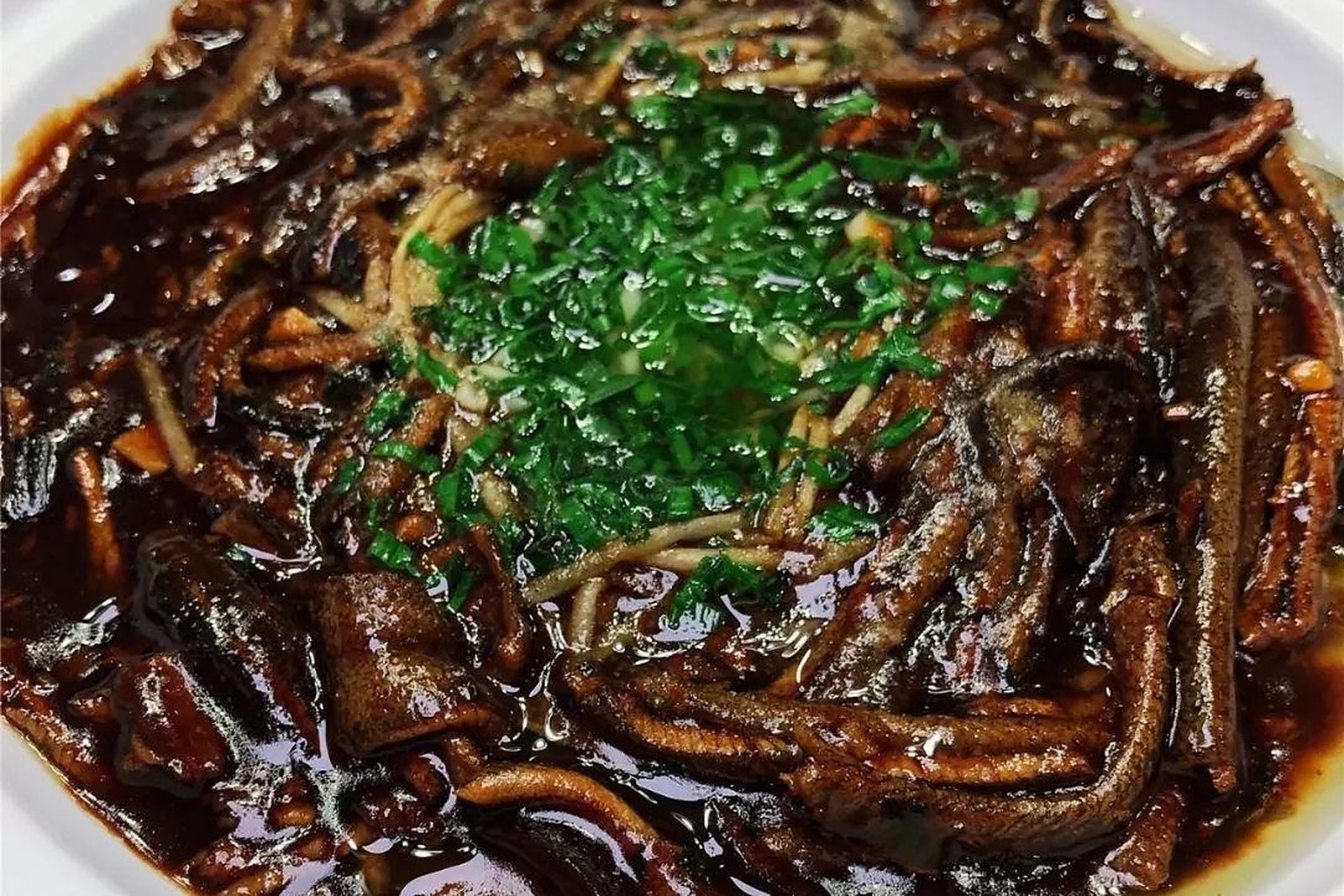
flowcloud would say that the 江川路本帮小馆 Jiāngchuān Lù běnbāng xiǎoguǎn is the workers’-satellite benbang small rooms, rich-oil dark-soy tables and the old Minhang eating corridor of Minhang District, Shanghai – a 浓油赤酱 nóngyóu chìjiàng discipline where the factory clock answers the broth pots and red-braise woks along the avenue – and that the honest move is to order what the regulars ordered, sit within earshot of the kitchen, and let the turnover cast the vote, because the plants built the customers and the customers built the kitchens. All checked October 2026.
Where to find it: 闵行区 Mǐnháng Qū Minhang District, Shanghai – the benbang small-room belt along 江川路 Jiāngchuān Lù Jiangchuan Road through 老闵行 Lǎo Mǐnháng Old Minhang, the 1950s 工人卫星城 gōngrén wèixīngchéng workers’ satellite city of the 四大金刚 sì dà jīngāng plants, opened directly by 江川路站 Jiāngchuān Lù zhàn on Metro Line 5, where the road keeps the factory clock – retiree tables through midday, family tables through the evening, weekday mid-afternoon the eater’s own (worth confirming the details – which benbang room and which noodle house hold which frontage today, the old doors turning over slowly but surely); noodle-bowl to casual-neighbourhood table money, so call it worth confirming the details rather than a fixed number, and let the regulars’ table cast the vote. Jiangchuan Road eats is the workers’-satellite benbang small rooms, rich-oil dark-soy tables and the old Minhang eating corridor of Minhang District, Shanghai – the taste of 闵行区 Mǐnháng Qū Minhang District eaten where the road still cooks like home. All checked October 2026.