
江津广柑 Guǎnggān, the Jiangjin broad-peel orange, is the district’s old citrus trade: a century of grower families – Cantonese in origin, moved up the river – planting the Yangtze terraces above the district seat with the deep-gold winter oranges the trade calls guangan. The variety that made the name is the 晋橙 Jìnchéng Jingcheng orange, a winter fruit that holds on the tree into the cold months and ships without refrigeration, which is why the packing sheds grew here along the rail lines rather than elsewhere. The picking season runs from late autumn through the new year, and the district still runs it as an institution: cooperative orchards, the winter boxes sold on the stem, the drive-in picking rows for the Chongqing weekend.
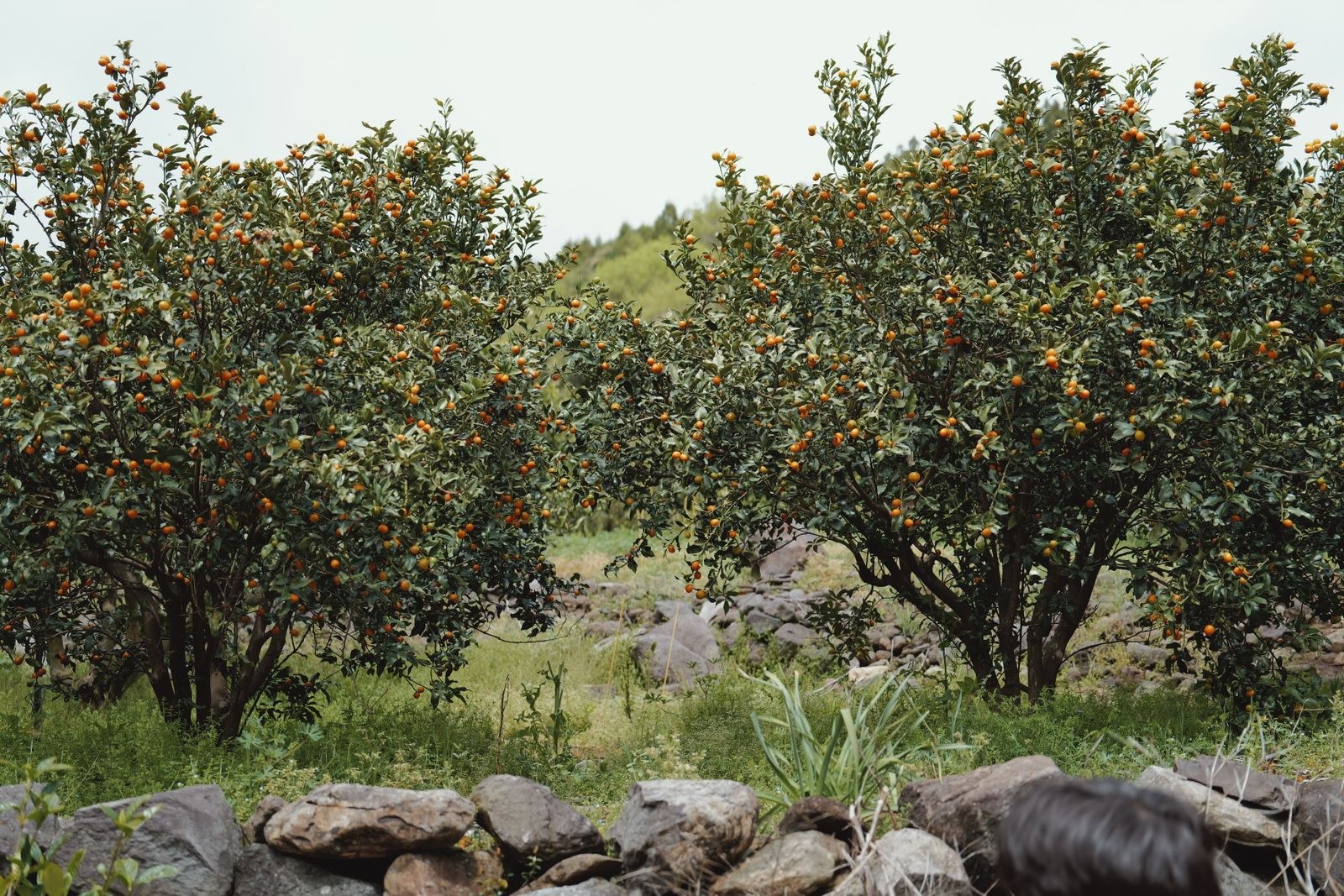
The terraces explain the trade. Citrus wants exactly what the Yangtze slopes above Jiangjin offer – well-drained ground above the flood line, river humidity that softens the winters, and a south-facing tilt that ripens the crop into the cold months – and the Cantonese grower families read the slopes correctly: the orchards they planted still run the same terraces. The Jingcheng orange became the name’s anchor because it solved the trade’s real problem, storage: a fruit that hangs ripe through winter and ships without ice meant a picking season of months and a market that reached far. The railside packing sheds were the logical child of that fruit.
The season is the product’s second half. A winter orange that hangs on the tree converts the harvest from a fortnight into a season, and the district’s cooperative orchards sell the season as much as the fruit: the winter box picked on the stem for the buyer, the drive-in rows that bring Chongqing families down for an orchard afternoon, the roadside scales running into the new year. The fruit itself is the everyday kind – sweet, plain-skinned, built for the pocket rather than the display case – and the trade’s longevity is the argument: a district that has sold the same orange off the same slopes for four generations is running a working institution, not a marketing campaign.
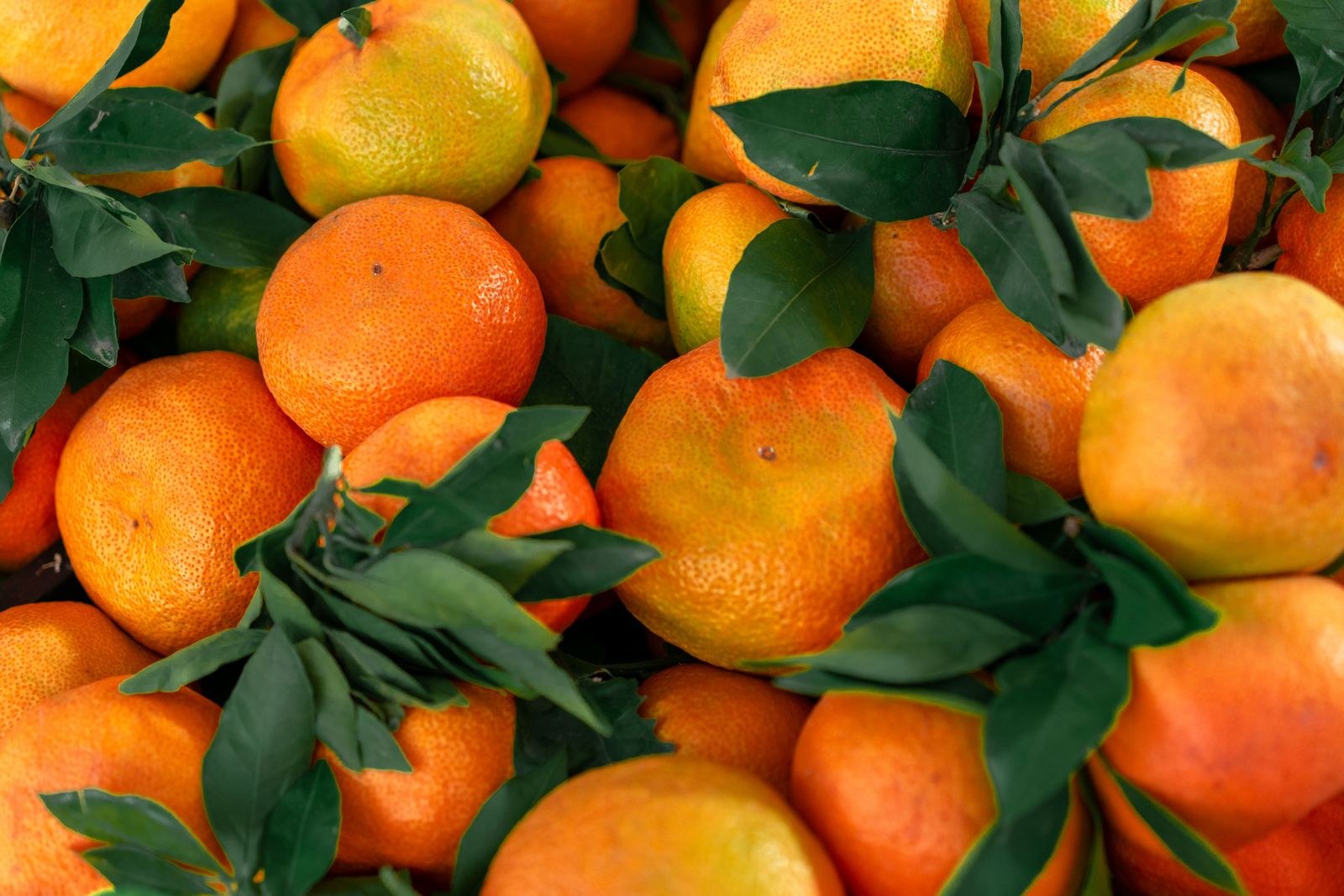
What the record supports and what it does not is worth stating plainly, because a century-old produce trade is exactly the kind of subject that collects invented detail. The record consulted names the trade’s century, its Cantonese-origin growers, the Yangtze terraces above the district seat, the guangan category, the Jingcheng orange, the winter hanging season, the cooperative orchards and the winter-box and picking-row formats; it does not name a famous estate, a posted price or an exact founding year, and none is invented here. The honest page treats the trade as a district institution with many growers behind it rather than as one family’s brand.
What the visitor does is pick in the cold months and buy on the stem. The season’s logic is simple: the fruit improves as the winter deepens, because the sugars climb while the fruit hangs, so a December box beats a November one and a new-year box beats both, which is why the locals buy deep into the season. A picking afternoon is an orchard walk and a box cut from the stem, so the fruit ships and stores with its calyx intact. The plain-skinned everyday orange is not a gift-fruit showpiece, and that is the point: a working fruit for a working table, sold by the people who grew it. All checked October 2026.
Words and Names
江津广柑 Guǎnggān, the Jiangjin broad-peel orange, the citrus trade of 江津区 Jiāngjīn Qū, Jiangjin District: a century of grower families of Cantonese origin on the Yangtze terraces above the district seat, with the 晋橙 Jìnchéng Jingcheng orange – a deep-gold winter fruit that hangs ripe into the cold months and ships without refrigeration – as the variety that made the name. The season runs from late autumn through the new year, sold through cooperative orchards as winter boxes cut on the stem and as drive-in picking rows; no estate name, posted price or exact founding year is on the public record consulted, and none is invented here.
What the Locals Know
The local knowledge is the calendar, not the fruit stand. Because the orange hangs ripe on the tree, later is sweeter: the locals buy their winter boxes deep in the season. The second check is the stem: fruit cut on the stem with the calyx intact stores for weeks in a cool room, and a buyer who keeps the box out of the sun eats Jiangjin oranges into the spring. The fair-weather weekends are crowded; a weekday afternoon has the rows to itself. What the record does not carry is any posted price or estate ranking, and the page declines both; the cooperative counter sets its own terms, and the season is the review.
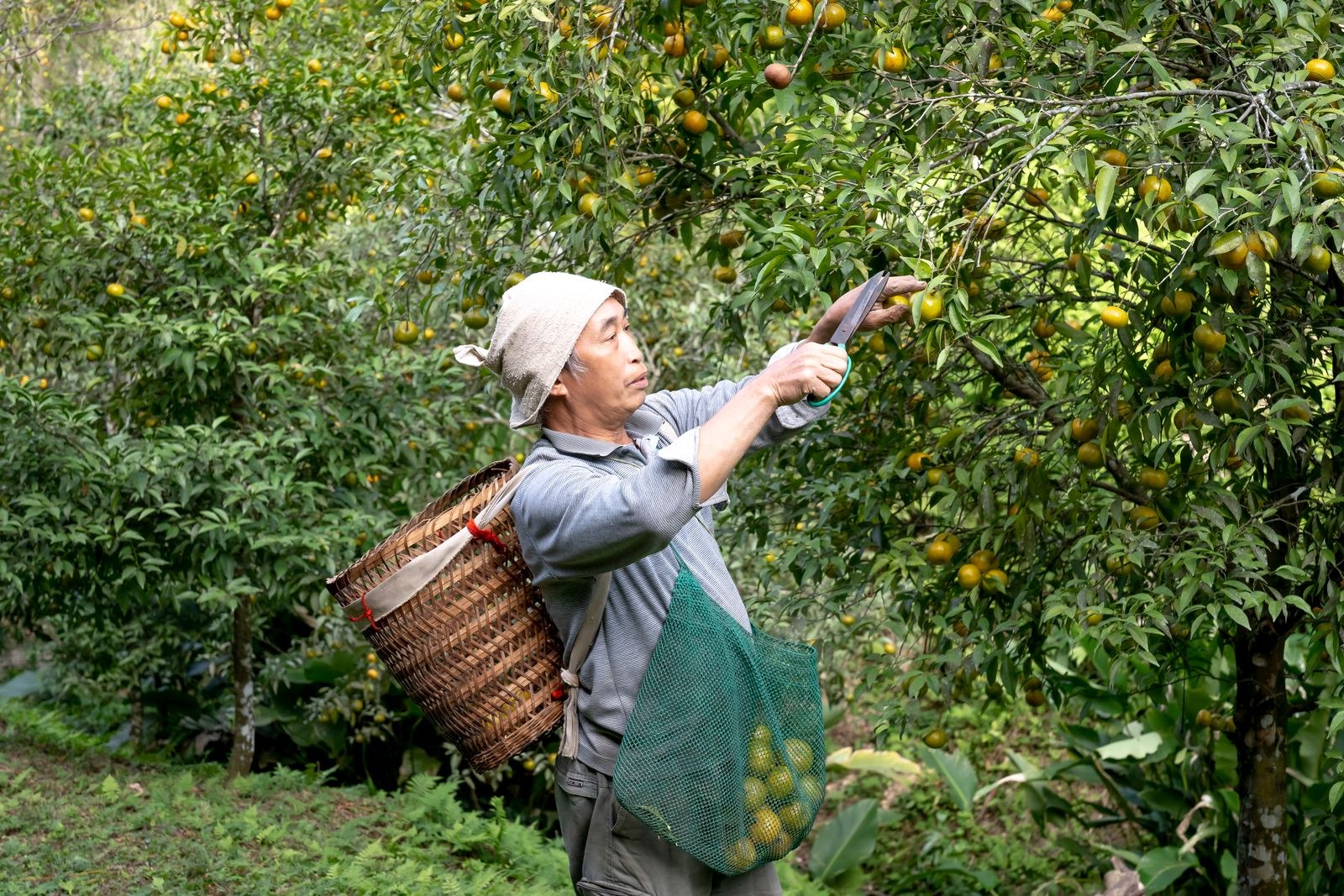
flowcloud would say that Jiangjin guangan is a century-old citrus trade built on the right fruit in the right place – broad-peel winter oranges planted by Cantonese-origin grower families on the Yangtze terraces above the district seat, the 晋橙 Jingcheng orange that hangs ripe into the cold months and ships without refrigeration, cooperative orchards selling winter boxes on the stem and drive-in picking rows through the winter – and that the page quotes no estate name or price because the record carries none, only four generations of the same orange off the same slopes. All checked October 2026.
Where to find it: the terraces, cooperative orchards and picking rows run on the slopes above the district seat in 江津区 Jiāngjīn Qū, Jiangjin District, close enough to Chongqing for a weekend picking drive; the season runs from late autumn through the new year and deepens in flavour as it goes, and no posted price, estate booking line or founding year is on the public record consulted and none is invented here. Pair this page with the pepper chicken page for the district’s savoury signature, and with the district-seat business-hotel page for the riverside base the picking trips run from.