
The Pepper Chicken of China’s Sichuan-Pepper Hometown
花椒鸡 Huājiāo jī, pepper chicken, is the calling-card dish of 江津区 Jiāngjīn Qū, Jiangjin District, the Yangtze district southwest of Chongqing that grows more Sichuan pepper than anywhere else in the country. The pepper is the 九叶青 jiǔyèqīng nine-leaf green variety, raised on the district’s hillsides, oil-rich enough to carry the national protected-origin mark – and the district’s kitchen keeps one dish as its showcase: a whole bird braised in a green-pepper broth heavy with fresh nine-leaf peppercorns, served in the clay pot it cooked in. The order of sensation is the district’s signature, because the green pepper numbs before it burns, and the chicken cooks through in that oil until the meat itself carries the aroma. This is the first page a Jiangjin food reader should read.
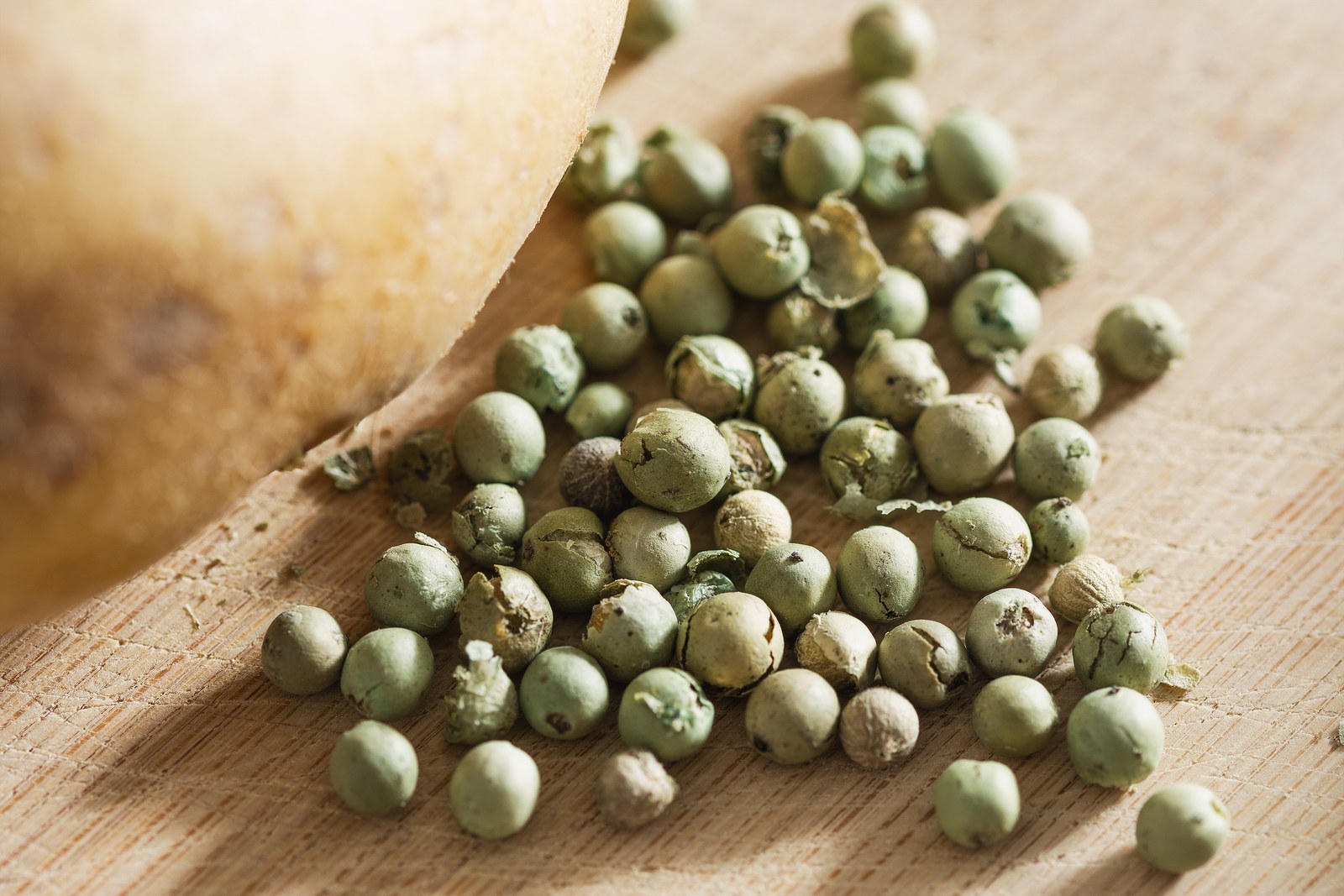
The crop explains the kitchen. Jiangjin’s pepper grows on the district’s low hills, and the harvest each late summer brings the picking crews whose baskets feed both the national spice trade and the district’s own pots – the same afternoon’s picking can be a sack bound for a drying yard and a handful thrown fresh into a restaurant broth. The spice shelf carries the district’s name into pantries across China, and a crop with that reach produces a kitchen that cooks with it recklessly: handfuls of fresh green peppercorns where other kitchens use a pinch. A district that grows the national supply of a spice does not treat it as seasoning; it treats it as the subject.
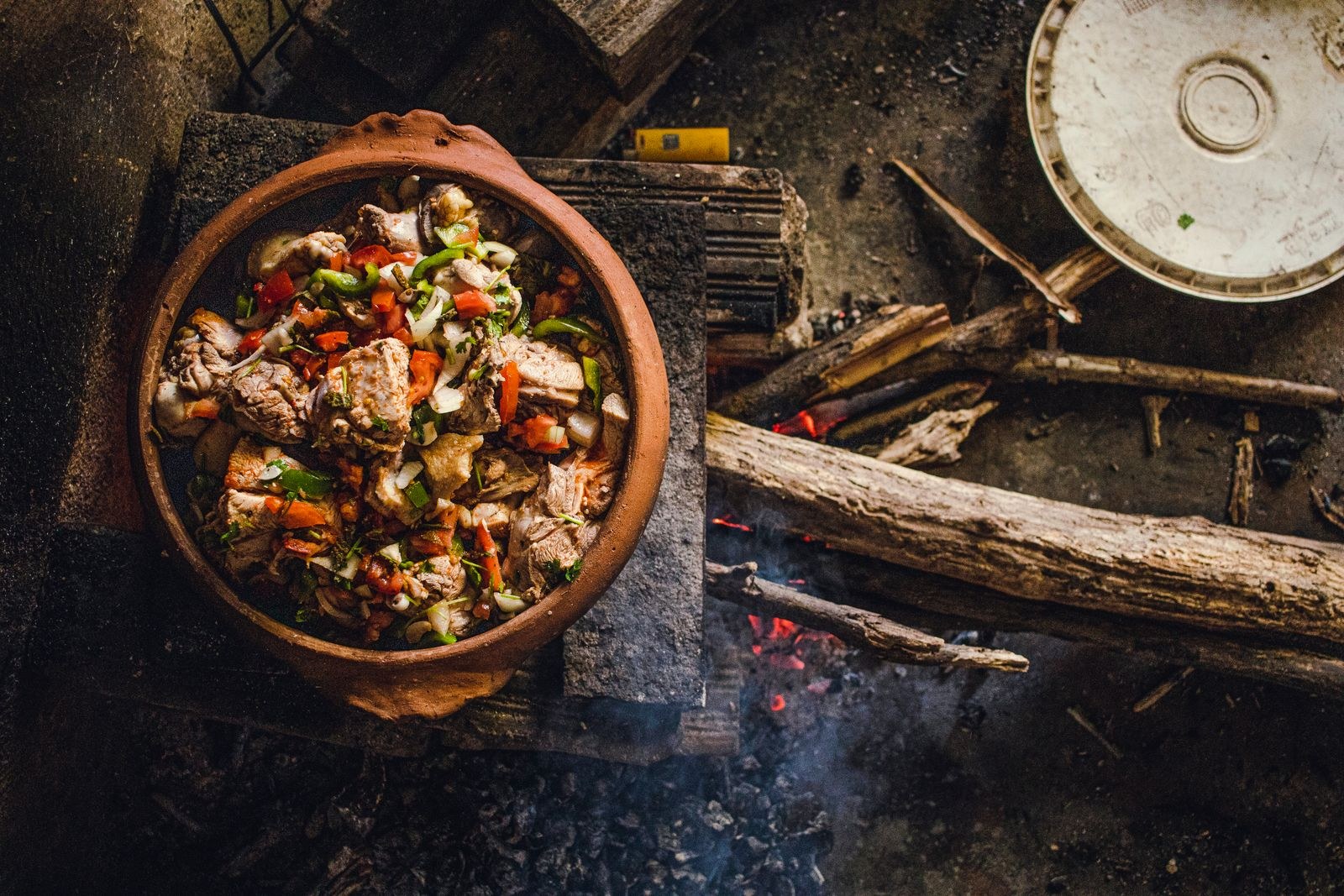
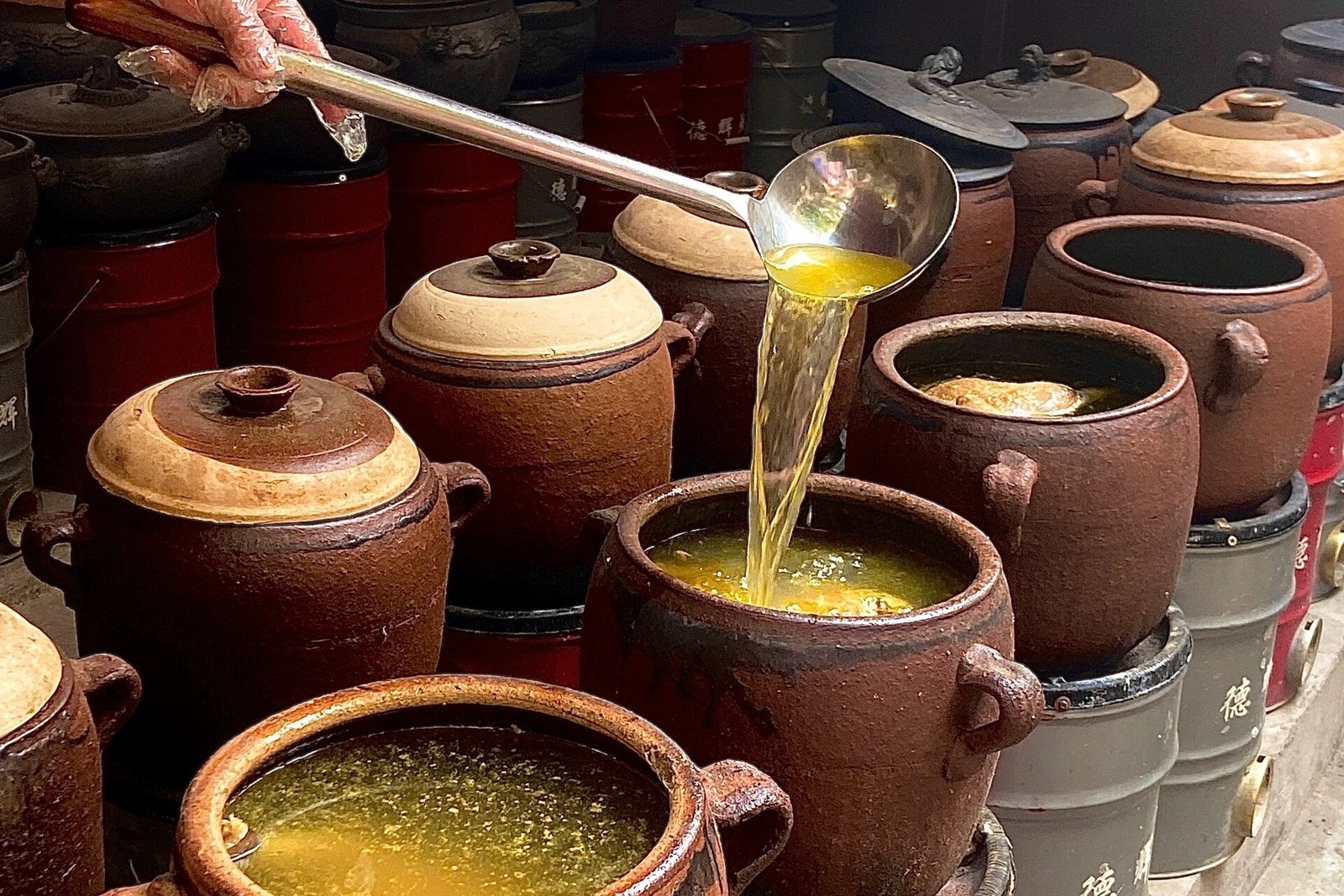
The dish is built so the pepper can be the subject. A whole bird is chopped through the bone, cooked hard in oil and broth that carry fresh green peppercorns by the cluster, and served in the clay pot it braised in, the broth still rolling when it lands. The eating order the district quotes is the honest one: the numbing arrives first, the heat behind it, and the chicken – cooked through in pepper oil rather than added to a finished broth – carries the aroma into the bone. Farm restaurants along the district roads hang the pot out as their main signboard, and roadside signs that name nothing but 花椒鸡 are the local proof that the dish is the district’s shorthand for itself.
What the record supports and what it does not is worth stating plainly, because a famous one-crop dish is exactly the kind that attracts invented detail. The record consulted names the pepper primacy, the nine-leaf green variety, the protected-origin mark and the whole-bird clay-pot format; it does not name a founding cook, a famous original restaurant or a dated recipe, and none is invented here. The honest page reports a farm-restaurant format run by many kitchens along the district roads, each pot the house’s own.
What the visitor does is order the pot and pace the numbing. The pot is a table dish, ordered for the group with rice and something cold, and the meat under the broth surface is milder than the green suggests – the peppercorn cluster on the ladle is the strongest bite on the table. The fresh green pepper and the dried red pepper of the familiar shelf are different ingredients with different work, and the green’s citrus edge over the numbing is the taste the district owns. All checked October 2026.
Words and Names
花椒鸡 Huājiāo jī, pepper chicken, the whole-bird clay-pot dish of 江津区 Jiāngjīn Qū, Jiangjin District, braised in a green-pepper broth heavy with fresh 九叶青 jiǔyèqīng nine-leaf green Sichuan peppercorns, numbing first and hot second. The nine-leaf green is the district’s protected-origin pepper, grown on the hillsides and harvested in late summer. The dish is a farm-restaurant format along the district roads; no founding cook, original restaurant or posted price is on the public record consulted, and none is invented here.
What the Locals Know
The local knowledge is about the pot, not the legend. The broth keeps working after it lands: the numbing builds over the meal, so the local pace is rice between rounds of chicken, and the skin and joints – which held the most oil – are the connoisseur’s cuts. The peppercorn clusters on top are the cooking medium and not a dare, but chewing one cluster is a recognised rite, and the tingle that follows is the honest taste of the crop the district lives by. The second thing locals know is the season: the fresh-pepper weeks of late summer give the pot its loudest voice. What the record does not support is any ranking of restaurants, so the page leaves the choice to the road’s signboards – the pot in the window is the review.
flowcloud would say that Jiangjin pepper chicken is the showcase dish of China’s Sichuan-pepper hometown – a whole bird braised in a clay pot of green-pepper broth heavy with fresh 九叶青 nine-leaf peppercorns, the protected-origin crop Jiangjin grows more of than anywhere in the country, numbing first and hot second – and that the honest page reports a farm-restaurant format rather than any famous house, with no founding cook or price on the record and none invented. All checked October 2026.
Where to find it: the dish is cooked across 江津区 Jiāngjīn Qū, Jiangjin District, at the farm restaurants along the district roads, which hang the clay pot out as their signboard; no single house, founding cook or posted price survives in the record consulted and none is invented here. The fresh-pepper season runs through late summer, when the same restaurants sell the harvest at the roadside. Pair this page with the rice candy and citrus pages, the district’s other crop stories, and with the Simian Mountain pages for the bacon end of the district’s table.