
四面山老腊肉 Lǎo làròu, the old cured bacon of the 四面山 Sìmiàn Shān, Simian Mountains, is the mountain half of Jiangjin’s table: the high farms inside the forest park cure their winter pork the way the ridge always has – salt and Sichuan pepper rubbed into the cuts, a week of pressing under stone, then weeks hanging in the smokehouse above a mixed hardwood fire of cypress and pine, until the rind turns amber and the fat goes glassy. The high cold does half the work and the smoke the rest; the result is the mountain’s table fat and its souvenir at once: sliced thin and steamed at every farmstay table, sold in waxed bundles for the drive home.
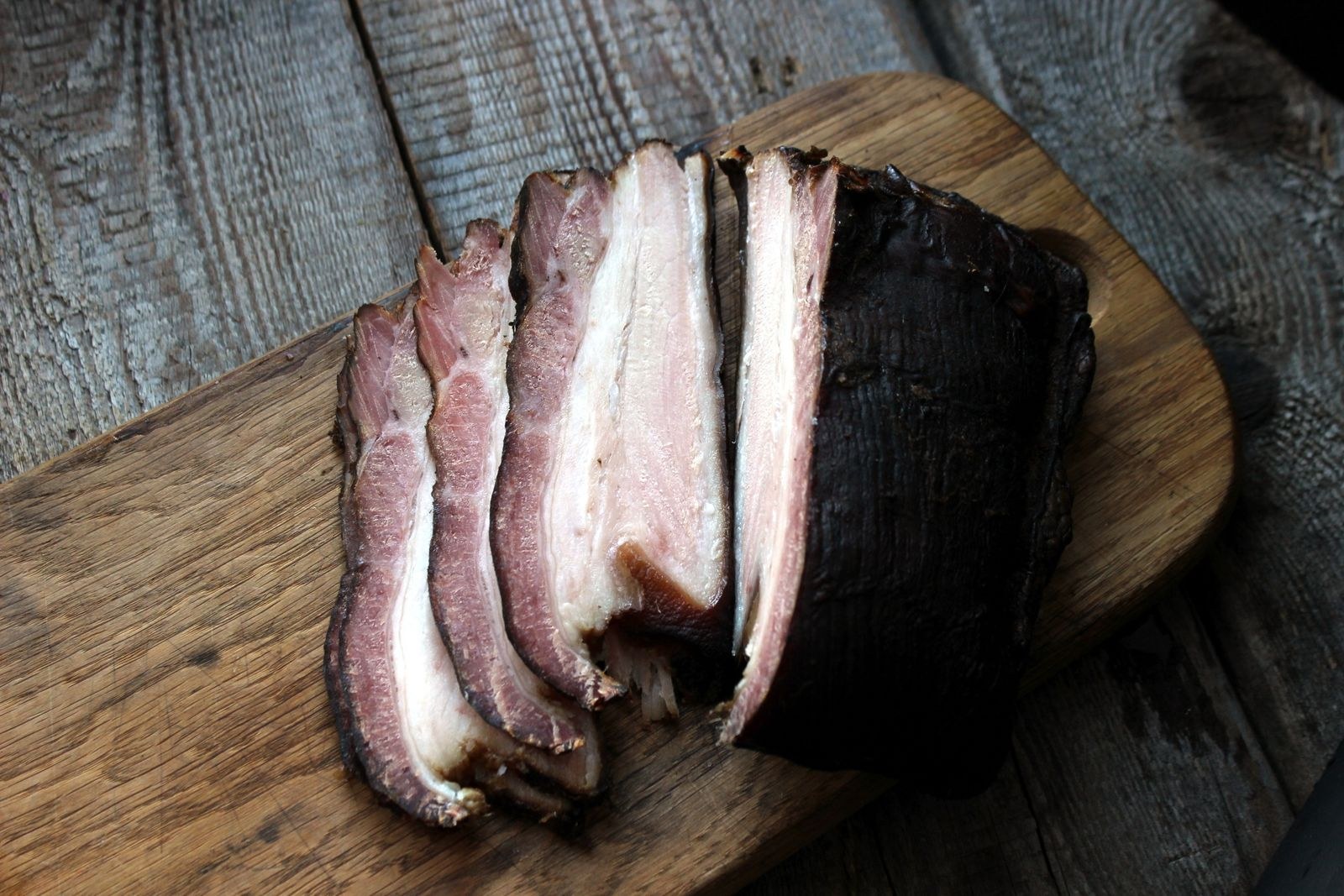
The mountain explains the method. The Simian Mountains sit a vertical world above the Chongqing basin, cold enough through winter that a farmhouse kitchen’s rafters are a natural curing chamber, and the farms run on the calendar the cold dictates: pigs slaughtered at the coldest stretch around the new year, the cuts rubbed and pressed while the frost holds, the smokehouse loaded through January, the first slices cut in spring as the year’s prize. The wood is a mixed fire – cypress and pine together – because the smoke is meant to perfume rather than scorch; the weeks of slow hanging take the pork from salted to cured, the rind deepening to amber and the fat to translucent.
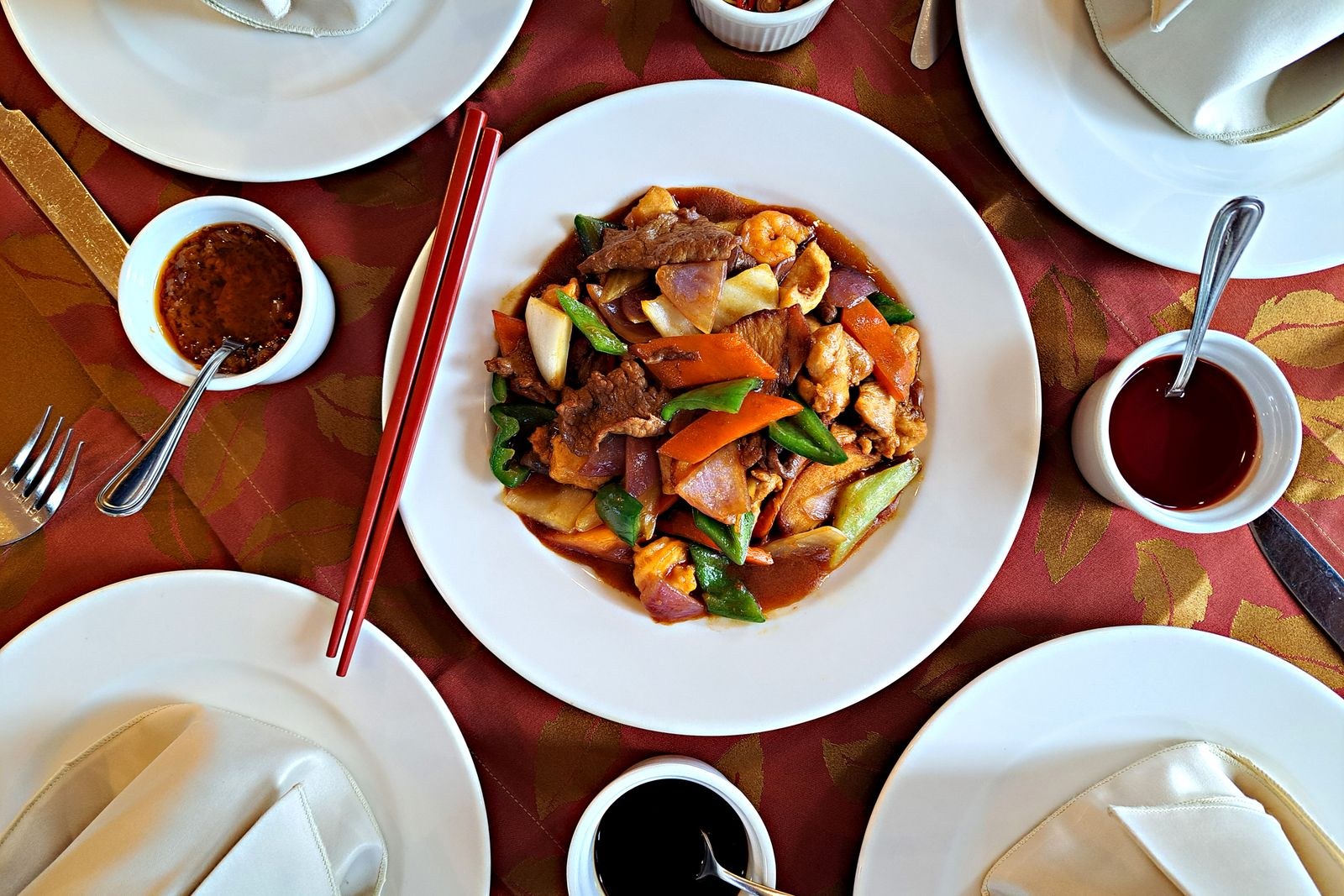
The table is where the bacon earns its keep. At the farmstay tables the standard presentation is the thin slice, steamed or tossed with dried radish or garlic sprouts – the preserved vegetables the farm stores from autumn – so the smoke, the fat and the sour-earthy vegetable sit in one dish. The same bacon leaves the mountain as trade: waxed bundles at the roadside for the drive home, and, in the district seat, restaurants that build whole specials around a particular farm’s smoke, because the batches differ by wood, weather and household, and the good batches sell out before the season turns.
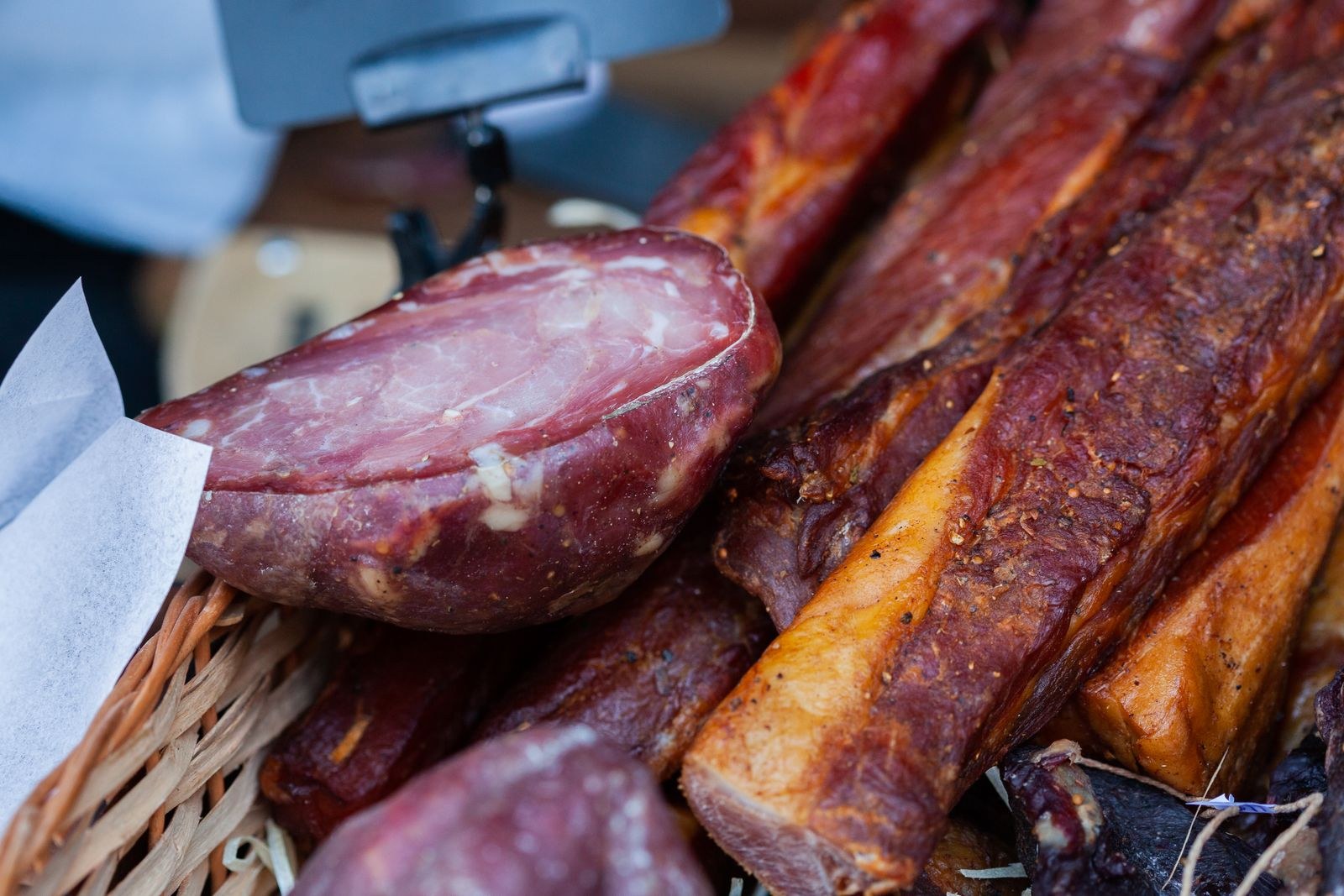
What the record supports and what it does not is worth stating plainly, because a heritage-style food is exactly the kind that collects invented lineage. The record consulted names the mountain, the method – the salt and Sichuan pepper rub, the stone pressing, the mixed hardwood smoke, the amber rind and glassy fat – the new-year slaughter calendar, the farmstay table and the roadside bundle trade; it does not name a famous smokehouse, a brand or a posted price, and none is invented here. The honest page reports a household format rather than an estate, and the buyer’s guarantee is the rind and the fat, not a certificate.
What the visitor does is eat it at the table it was cured above. The farmstay lunch inside the park is the correct setting – the slice with dried radish or garlic sprouts, the household’s own batch on the plate – and the waxed bundle for the boot is the souvenir that actually survives the drive. The bundle should be chosen by eye: the rind amber rather than dark, the fat translucent rather than chalky, the smoke a wood perfume rather than a tar note. All checked October 2026.
Words and Names
四面山老腊肉 Lǎo làròu, the old cured bacon of the 四面山 Sìmiàn Shān, Simian Mountains, in 江津区 Jiāngjīn Qū, Jiangjin District: pork rubbed with salt and Sichuan pepper, pressed under stone for a week, then smoked for weeks over a mixed hardwood fire of cypress and pine until the rind turns amber and the fat goes glassy. The calendar is pigs at the coldest new year, the smokehouse through January, the first spring slices the year’s prize. It is served thin-sliced with dried radish or garlic sprouts at the park’s farmstay tables and sold in waxed bundles at the roadside; no smokehouse name, brand or posted price is on the public record consulted, and none is invented here.
What the Locals Know
The local knowledge is in the eye, not the label. Cured pork is read at the counter: amber rind and translucent fat mean a slow smoke over good wood, a blackened rind means a fire pushed too hot, and a chalky fat means the cure rushed the cold – the three checks take a second, and no brand stands behind a household batch. The bundle for the road is bought waxed and whole, sliced at home, and it keeps through the spring without refrigeration. The second thing locals know is the season’s two prizes: the January smokehouse, when the fire perfume sits over the valleys, and the first spring slices, which the farmstay tables compete to serve first. What the record does not support is any ranking among farms, and the page declines to make one – the batch you eat at the table is the review.
flowcloud would say that Simian Mountain laolarou is the winter bacon of Jiangjin’s forest-park farms – salt and Sichuan pepper rubbed in, a week under stone, weeks over a mixed cypress-and-pine fire until the rind goes amber and the fat glassy, pigs slaughtered at the coldest new year and the smokehouse loaded through January – and that it is eaten thin-sliced with dried radish or garlic sprouts at the farmstay tables and carried home in waxed bundles, with no famous smokehouse or price on the record and none invented. All checked October 2026.
Where to find it: the curing farms, farmstay tables and roadside bundle trade are inside and around the 四面山 Sìmiàn Shān, Simian Mountains scenic and forest-park area of 江津区 Jiāngjīn Qū, Jiangjin District, with the smokehouse season through deep winter and the first slices in spring; no specific farm address, posted price or brand name is on the public record consulted and none is invented here. The honest setting is the farmstay lunch above the fire that cured the batch, and the waxed bundle is the souvenir that travels. Pair this page with the Simian Mountain waterfall and farmstay pages for the mountain that makes the bacon, and with the pepper chicken page for the lowland half of the district’s table.