
静观镇 Jìngguān Zhèn Jingguan Town is a fruit town forty kilometres out along the north-west road, and on 7 July 2026 the district’s grape growers’ association put a number on it. 400-odd mu of grapes were ripening in Jingguan alone, an expected 350,000 jin, sold at 10 to 15 yuan a jin for a total of about 3 million yuan, with picking running to the end of September. The figures are the secretary of the 北碚区葡萄专业技术协会 Běibèi Qū Pútáo Zhuānjì Huì Beibei District Grape Professional Technique Association, 江金秀 Jiāng Jīnxiù, speaking to the district’s own news channel in a report published on 13 July 2026, and the varieties named are 夏黑 xiàhēi Summer Black, 玫瑰香 méiguīxiāng Rose Fragrance, 巨峰 jùfēng Kyoho, 茉莉香 mòlìxiāng Jasmine and 蓝宝石 lánbǎoshí Sapphire. A year earlier the whole district was given in the same series: more than 1,300 mu planted, more than ten varieties, an expected 1,200-odd tonnes and a value above 10 million yuan, with picking running into mid-October because early, mid and late varieties were planted together and stretched the season over four months. That two-scale contrast is the useful part. Jingguan’s 400-odd mu is a single town’s peak ripening inside a district season that begins before it and ends after it.
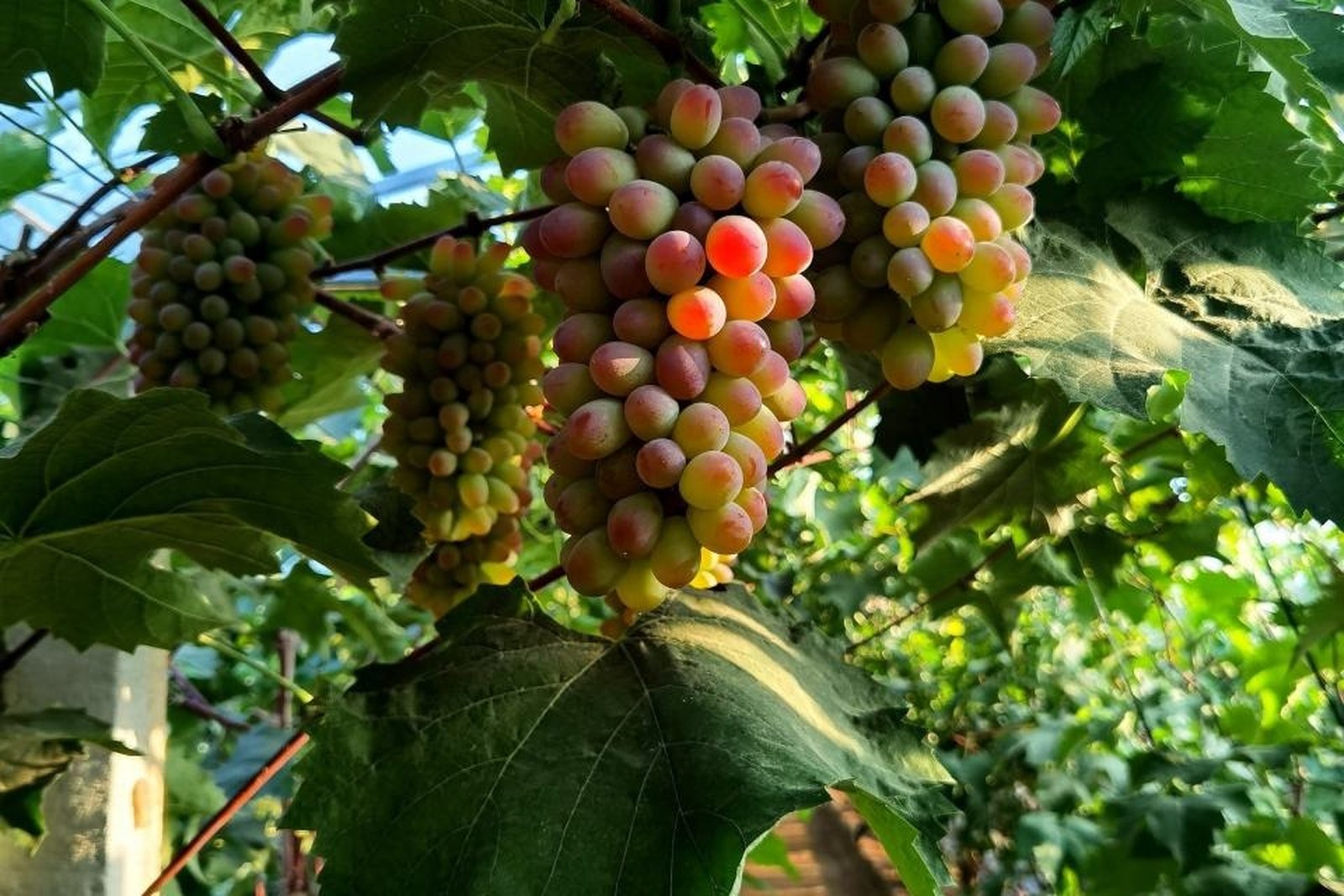
Two hard numbers are worth keeping beside those. First, Jingguan is credited as one of the country’s first national agricultural industry strong towns, a title the district’s 2024 work report claims for it, while local accounts date the award to 2021 – both dates are on record and the award is the same one. Second, the three figures in the 2026 sentence do not fully reconcile: 350,000 jin at 10 to 15 yuan a jin comes to between 3.5 and 5.25 million yuan rather than the 3 million stated, so the association’s total should be read as its own round number rather than as an arithmetic result. The town is also known as a flower and wintersweet town rather than only a fruit town, and it holds the 素心蜡梅主题公园 Sùxīn Làméi Zhǔtí Gōngyuán Suxin Wintersweet Theme Park, where the district’s route literature records hundreds of varieties and thousands of plants. In Taping Village, the same village the grapes come from, there is a 塔坪寺塔 Tǎpíng Sìtǎ pagoda with its stone and iron towers, a municipally protected site from the Song and Qing periods with no published opening information at all.
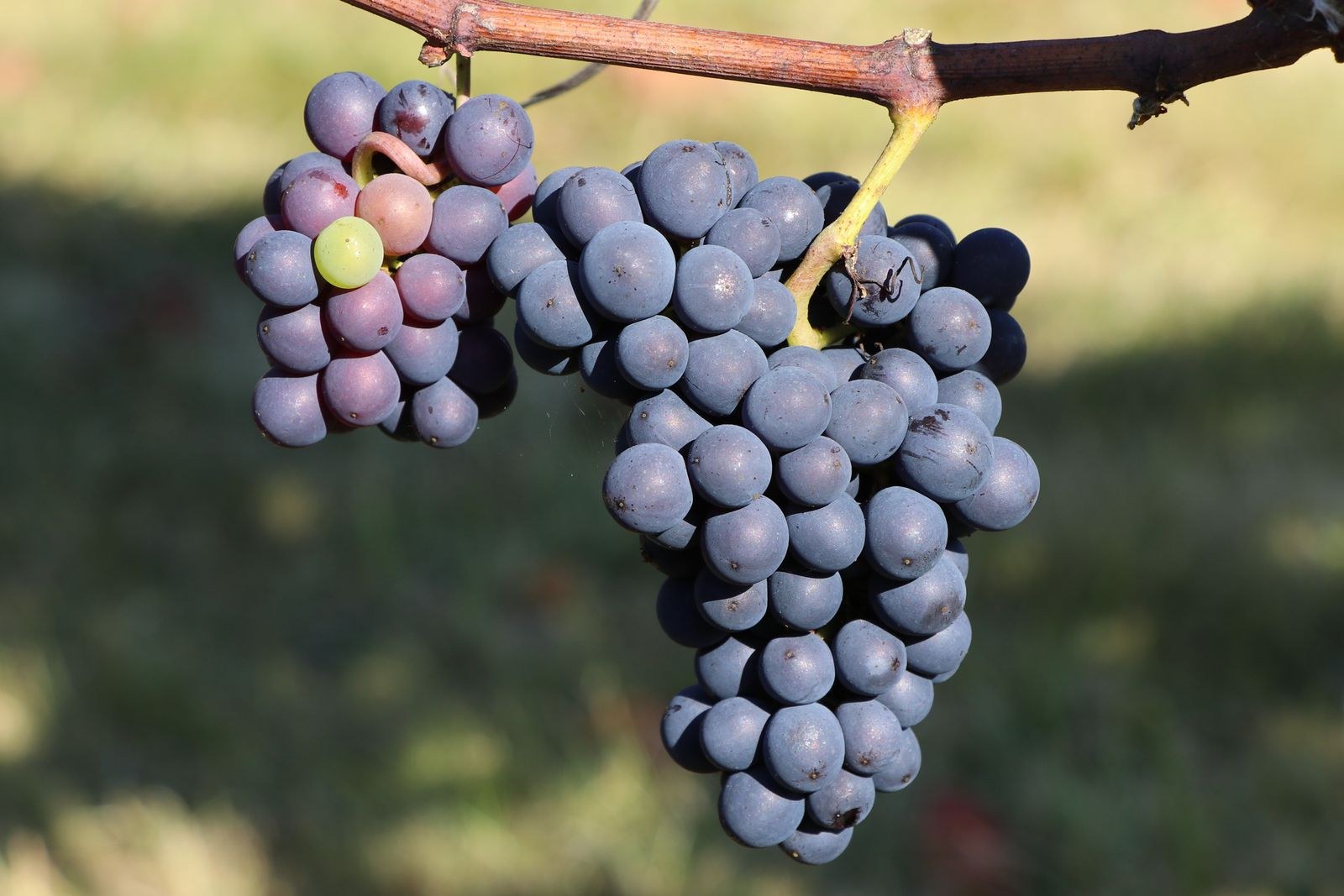
After the fruit the district published its own answer to the question of what else is worth eating here, and it is the most useful document in this whole sheet. In January 2025 the Beibei District Agriculture and Rural Affairs Committee published three winter rural leisure tourism routes, organised under finding food, finding plum blossom and soaking a first bath. The first, on food, is the one to walk. Its first stop is the Jindaoxia Town highland lamb food festival, described officially as highland lamb soup pots and highland frost-touched vegetables, at villages above 1,000 metres, and it then runs to 偏岩古镇 Piānyán Gǔzhèn Pianyan Ancient Town, to Liuying’s Dongsheng village, which was named China’s beautiful leisure village, and out to Sansheng for the ten-thousand-mu red yew base and the citrus picking at Tiangong Village. The second route names two foods without describing either: 广安坝牛肉 Guǎng’ānbà Niúròu Guang’anba beef and 既白山货 Jíbái Shānhuò Jibai mountain goods, both given as farmhouse recommendations on a plum-blossom route through Su Xin. The third runs the western mountain loop through the Tianfu section to the Suxin park and two wintersweet gardens. The honest position on Guang’anba beef is that the district’s route document is the only place it has ever been named: no independent report, no address, no hours, no price, and nothing else in this dossier, so it stays a name on a map. The same is true of Jibai mountain goods. Six village guesthouses were recommended on the food route and not one of them has a published rate, an address or a telephone number.
Words and Names
静观镇 Jìngguān Zhèn Jingguan Town, credited as one of the country’s first national agricultural industry strong towns in the district’s 2024 work report and dated locally to 2021, and also known as a flower and wintersweet town. Grapes in 塔坪村 Tǎpíng Cūn Taping Village: on 7 July 2026 the 北碚区葡萄专业技术协会 reported 400-odd mu ripe, about 350,000 jin expected, sold at 10 to 15 yuan a jin for about 3 million yuan, picking to end September, varieties 夏黑, 玫瑰香, 巨峰, 茉莉香 and 蓝宝石; on 30 July 2025 the district was given as 1,300-odd mu, 10-odd varieties, 1,200-odd tonnes and over 10 million yuan, picking to mid-October. 素心蜡梅主题公园 Suxin Wintersweet Theme Park, and the 塔坪寺塔 pagoda of Song and Qing date, municipally protected, opening status unpublished. The Beibei District Agriculture and Rural Affairs Committee’s three winter routes of January 2025: 乡野觅食,高山尝鲜, which begins at the 金刀峡镇 Jindaoxia Town highland lamb food festival above 1,000 metres and runs to 偏岩古镇 Pianyan Ancient Town, 柳荫镇 Liuying’s Dongsheng village and 三圣镇 Sansheng; 凌寒寻香,西山赏梅, which names 广安坝牛肉 Guang’anba beef and 既白山货 Jibai mountain goods; and 泡头汤, the western loop through the Tianfu section. Six village guesthouses and four more named, no rates published for any.
What the Locals Know
Growers in Jingguan judge the harvest by three things and a visitor can check all three. The first is sugar rather than size, tested by rolling a berry between finger and thumb and watching whether the skin gives without the fruit collapsing, and a wet year gives the weight without the sugar. The second is the smell of the bunch, which should be the fruit and not the leaf, and a bunch that smells green was picked before it was ready and will not improve in the bag. The third is the stem, which should be dry and snapped rather than bent, because a bent stem is a bunch that has been pulled and will go soft first at the join. After that the argument is about timing rather than quality, and it is the timing that explains the two sets of numbers: Jingguan’s own peak in late July sits inside a district season that starts earlier with the early varieties and runs into mid-October with the late ones, so a farm that only has one variety has a fortnight of trade and a farm with four has four months. The second half of the local knowledge is about the winter table the district recommends, and the useful thing about that document is that it is a route rather than a menu. It was published in January 2025, no 2026 route has been published, and the lamb festival on its first leg is seasonal with no return announced, so the food stops listed on it are stops the district named once and has not yet named again.
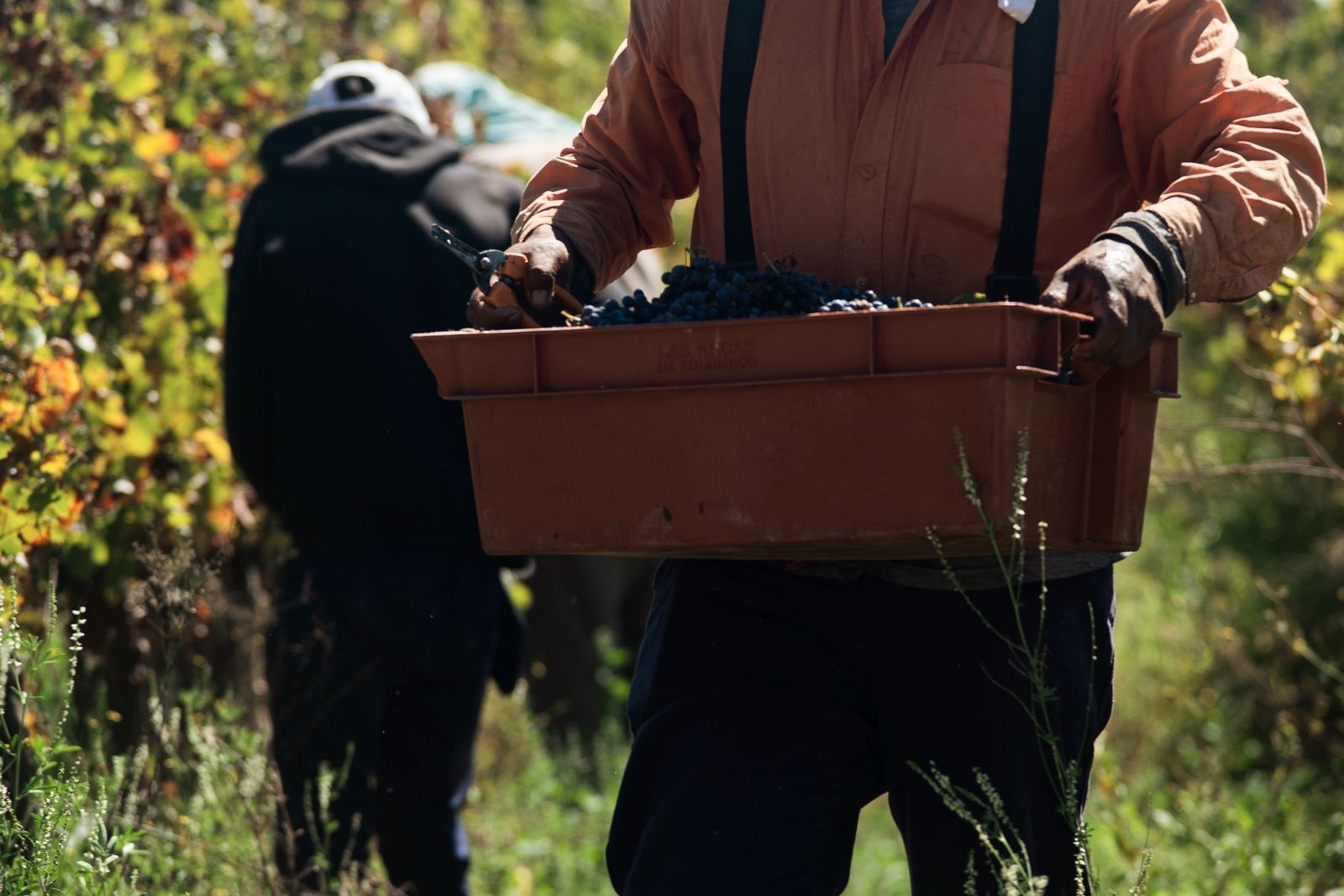
flowcloud would say that Jingguan is the district’s fruit town and gave 400-odd mu of grapes in 2026, about 350,000 jin sold at 10 to 15 yuan a jin for roughly 3 million yuan with picking to the end of September, against a district figure of 1,300-odd mu and 1,200-odd tonnes the year before picking into mid-October, with the association’s own three figures not quite reconciling – all from 江金秀 of the Beibei District Grape Professional Technique Association. After the fruit comes the district agriculture committee’s own answer, published as three winter rural routes in January 2025: the food route running from the Jindaoxia highland lamb soup-pot festival above 1,000 metres to 偏岩古镇 Pianyan Ancient Town, to Liuying’s Dongsheng village and to the red yew base and citrus at Sansheng; a plum route naming 广安坝牛肉 Guang’anba beef and 既白山货 Jibai mountain goods, which exist nowhere else in the record; and a western loop. It is a 2025 document, no 2026 route has been published, and the lamb festival is seasonal with no return announced. All checked October 2026.
Where to find it: the grape picking is at 塔坪村 Tǎpíng Cūn Taping Village, 静观镇 Jìngguān Zhèn Jingguan Town, Beibei District, in the far north of the district, with the picking season running from the July peak into late September and, across the wider district, to mid-October. The 10 to 15 yuan a jin is a farmgate figure from the growers’ association, not a retail price, and no individual farm is named in any source consulted, so treat the association as the address rather than any one gate. Jingguan is outside the metro network and is a road trip from the city. The winter food route the district published in January 2025 begins at 金刀峡镇 Jīndāoxiā Zhèn Jindaoxia Town, above 1,000 metres, and runs on through 偏岩古镇 Pianyan Ancient Town, 柳荫镇 Liǔyīn Zhèn Liuying Town’s Dongsheng village and 三圣镇 Sansheng Town; the six village guesthouses it recommended have no published rate, address or telephone number, and the 高山羊肉美食节 highland lamb food festival on its first leg is seasonal with no 2026 return announced. The district’s western edge changed hands in November 2025, when the former Yubei District was abolished and Daxing, Dawan, Tongjing, Xinglong and Cizhu were transferred into Beibei, so the wine country on that side is new Beibei territory rather than old. No prices are quoted beyond the association’s farmgate range.