
Jingxi White Honey: Glass Jars, Mountain Blossoms and Beekeeper Patience of Mentougou District, Beijing
京西山深花气重,一罐白蜜封山光。Jīng xī shān shēn huā qì zhòng, yī guàn bái mì fēng shān guāng – Deep in the west hills the flower air hangs heavy; one jar of white honey seals the mountain light.
京西白蜜 Jīngxī báimì Jingxi white honey is the jarred sweetness the western mountains have sold down to the city since before the city had supermarkets, and the address is a hillside: 京西 Jīngxī “west of the capital”, the old geography word for the mountain country of 门头沟区 Méntóugōu Qū Mentougou District, Beijing, where 蜂场 fēngchǎng apiaries sit along the slopes and valley edges and the hives work the mountain bloom – tradition credits the 荆条 jīngtiáo vitex scrub that clothes the dry slopes in high summer, though every jar’s true source is a mix of whatever flowered within the bees’ range that year (worth confirming the details of each keeper’s claim). The form is the 土蜂蜜 tǔfēngmì native-honey farm product – glass jars with plain lids, farmhouse counters and mountain-product shelves, festival gift boxes for the city relatives – sold by the keeper or the village rather than the brand. The craft most visitors under-rate is the patience: a hive makes what the 山场 shānchǎng mountain site and the year’s rain allow, and the honest keeper sells the harvest he has rather than the harvest you imagine – a jar that promises one unvarying colour every year is promising chemistry, not beekeeping. The naming is the tell: 白蜜 báimì “white honey” – the pale, fine-setting honey the mountain trade has long prized, a name that describes what the jar becomes in the cold months, not a marketing grade.
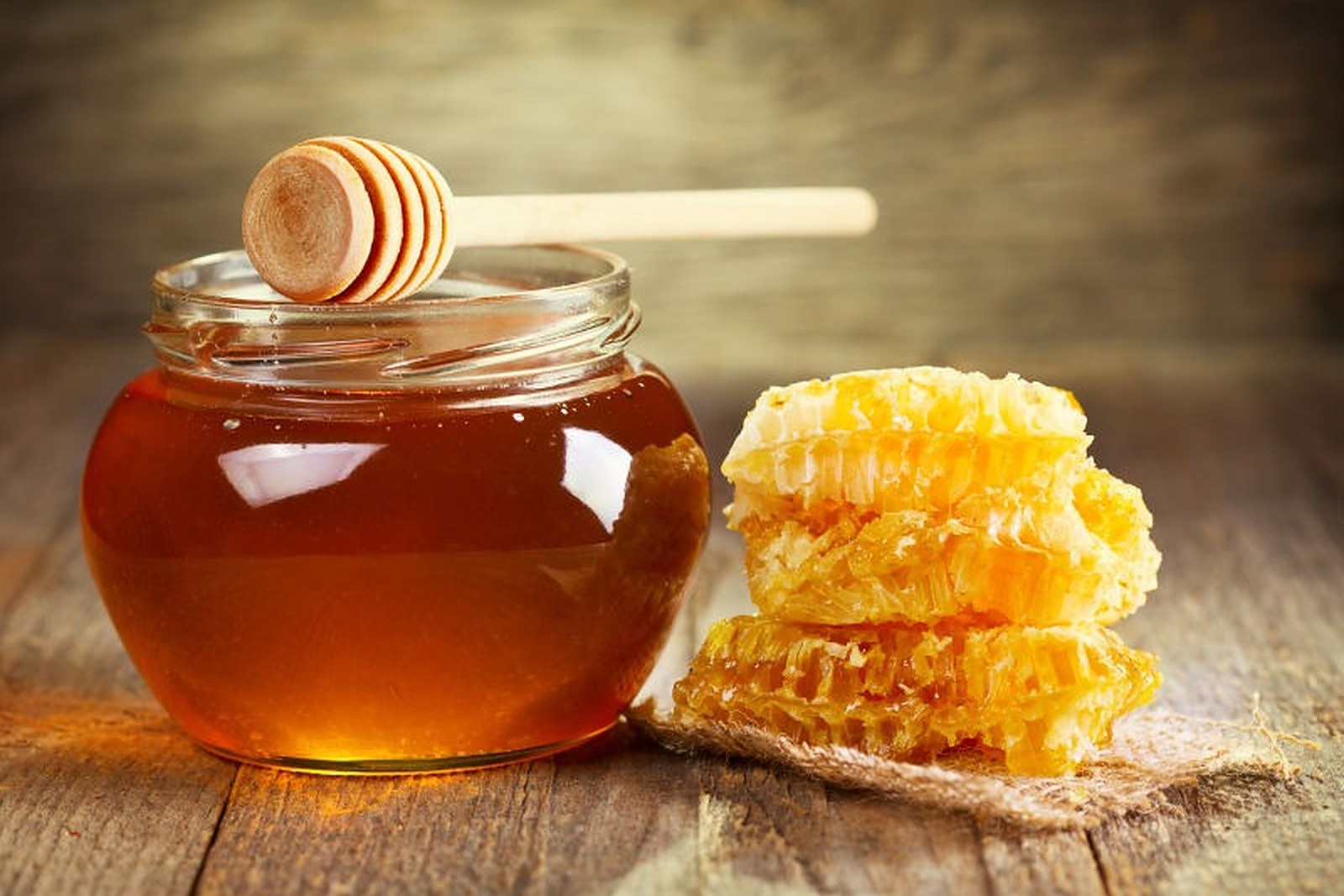
The eating is a spoon-and-jar grammar, and it leans 清甜 qīngtián clean sweetness to match the mountain table. The anchor is the jar itself – set honey the texture of pale marble, eaten off the spoon, stirred into 温水 wēnshuǐ warm water, or spread the old way onto 贴饼子 tiēbǐngzi maize cakes and 馒头 mántóu steamed bread at the farmhouse table – backed by the comb honey some keepers cut by the block, the festival gift boxes the mountain-product shops assemble, and the 蜂场 fēngchǎng visits where the keeper lifts a frame and the tasting happens standing, in the smell of wax and smoke. The bloom sets the calendar: the 荆条 jīngtiáo vitex flow in high summer is the season the old keepers call 流蜜期 liúmìqī – the weeks the hives fill fast and the extraction room runs – while spring and autumn give lighter, smaller takes depending on slope and rain (worth confirming the details of any specific harvest’s dates). City buyers meet the trade twice: at the mountain counters on the way through the valley, and at the winter stalls where the district’s farm products come down to the seat’s streets and shops.
The honest grade is geography plus the 流蜜期 liúmìqī nectar-flow clock. In 门头沟区 Méntóugōu Qū Mentougou District, Beijing the hives and honey counters scatter along the valley roads and the mountain-product shops of the district seat, where the clientele is half 周末 zhōumò weekenders who taste at the 蜂场 fēngchǎng and half city families who buy the festival boxes on trust, a mix that keeps the jars honest in a way a supermarket shelf never could – a keeper here is graded by returning customers who remember last year’s jar and can tell a thin year by the spoon (worth confirming the details – which keepers sell their own harvests and which resell wholesale honey under a mountain label). What gets oversold is the health claim: the jar is food, not medicine, and the honest keepers say so; what repays the effort is a question – ask the keeper how the year’s flow ran, and the answer will be more truthful than any label, because a dry warm season reads thick and aromatic, a wet one reads lighter, and that difference is the mountain’s own handwriting. A jar’s price runs wide with size, comb and keeper, so call it worth confirming the details rather than a fixed number.
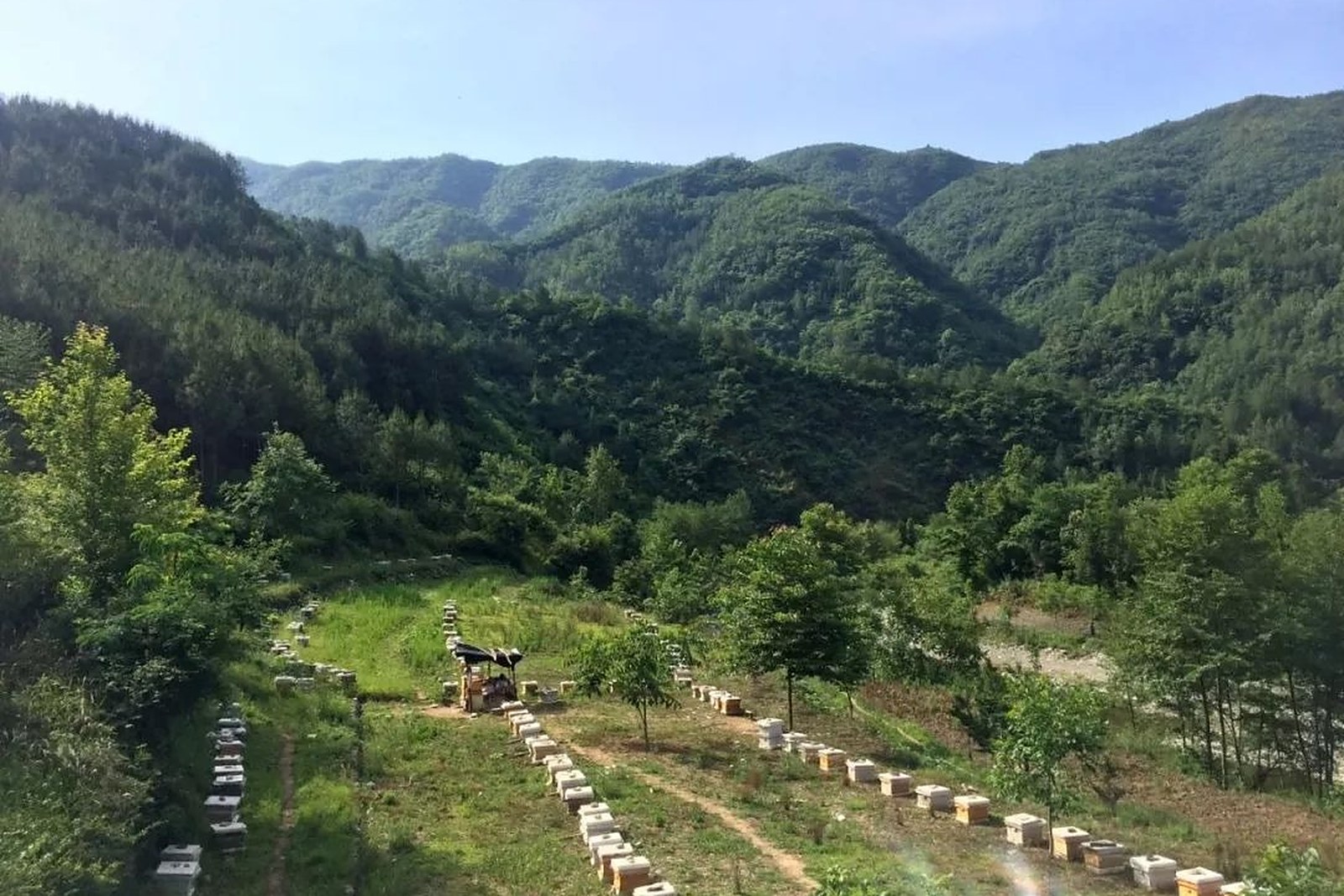
The wry truth is that 京西白蜜 Jīngxī báimì is over-rated as a tonic and under-rated as a landscape: gift-box marketing files it under health products, while the actual thing – bees, slopes, rain, a keeper’s seasons – is the most legible taste of the mountain the district sells, more honest than any postcard. The real divide is 蜂场蜜 fēngchǎng mì farm-keeper honey versus 分装蜜 fēnzhuāng mì repackaged commodity: the keeper’s jar crystallises fine and pale in the cold months and reads faintly of wax and the year’s flowers, while a repackaged jar stays inert and identical, and no uniform glow hides the difference – worth confirming the details, jar by jar, because both wear similar labels. Crystallisation itself is the honest test most visitors misread: a jar that sets solid and white in winter is behaving exactly as good honey does, and the keepers who explain this at the counter are the ones whose hives you can trust. Season rules the trade softly: summer is extraction and tasting, winter is gift boxes and set honey, and the jar on the shelf is always the record of a specific slope and a specific year.
The self-deprecating footnote, and the district braid: a food writer will swat at a curious bee at the 蜂场 fēngchǎng and then lecture the keeper on “bee welfare”, explain terroir to a man whose whole answer is “this slope, this rain”, photograph the golden frames at heroic shutter, and then call the set honey “commendably artisanal” as if patience were a branding strategy – which is the honest grade: 京西白蜜 Jīngxī báimì is a mountain harvest the writer will poeticise more than he understands, and the keeper at the next counter has sold three jars and answered twelve questions before the shutter closes. The same 门头沟区 Méntóugōu Qū Mentougou District, Beijing thread runs on: the vegetarian pots of 潭柘寺素斋 Tánzhè Sì sùzhāi Tanzhe temple vegetarian food simmer by the ancient temple, the rose ovens of 妙峰山玫瑰饼 Miàofēng Shān méiguībǐng Miaofeng rose pastries bake in the flower valley, the wood-fire courtyards of 爨底下农家菜 Cuàndǐxià nóngjiācài Cuandixia farmhouse food steam in the ancient village, and the noodle steam of 大峪城区食肆 Dàyù chéngqū shísì Dayu area eats rises by the district seat – one district, four more tables.
Words and Names
京西 Jīngxī / West of the Capital · the old name for Beijing’s western hill country 白蜜 báimì / white honey · the pale fine-setting honey the mountain trade is named for 荆条 jīngtiáo / vitex · the dry-slope shrub whose high-summer bloom anchors the honey calendar 蜂场 fēngchǎng / apiary · the hillside bee-yard where the tasting happens standing 土蜂蜜 tǔfēngmì / native-bee honey · the farm-keeper jar tradition the district sells 流蜜期 liúmìqī / nectar-flow season · the weeks the hives fill and the extraction room runs 结晶 jiéjīng / crystallisation · the winter setting that grades good honey and fools buyers 门头沟区 Méntóugōu Qū / Mentougou District · the Beijing district holding the mountain hives
What the Locals Know
- Buy where you can ask: a keeper who answers “this slope, this rain, this year” sells his own harvest; identical jars with no story are 分装蜜 fēnzhuāng mì repackaged stock (worth confirming the details).
- Trust the crystallisation: a jar that sets pale and solid in winter is behaving well – spoon it warm, don’t return it.
- Time the flow: high summer’s 荆条 jīngtiáo bloom is the 流蜜期 liúmìqī when the new harvest and the live 蜂场 fēngchǎng tastings happen (worth confirming the details of each keeper’s season).
- Gift boxes travel, farm jars stay honest: buy the box for the office, but keep the plain keeper’s jar for your own bread and 贴饼子 tiēbǐngzi.
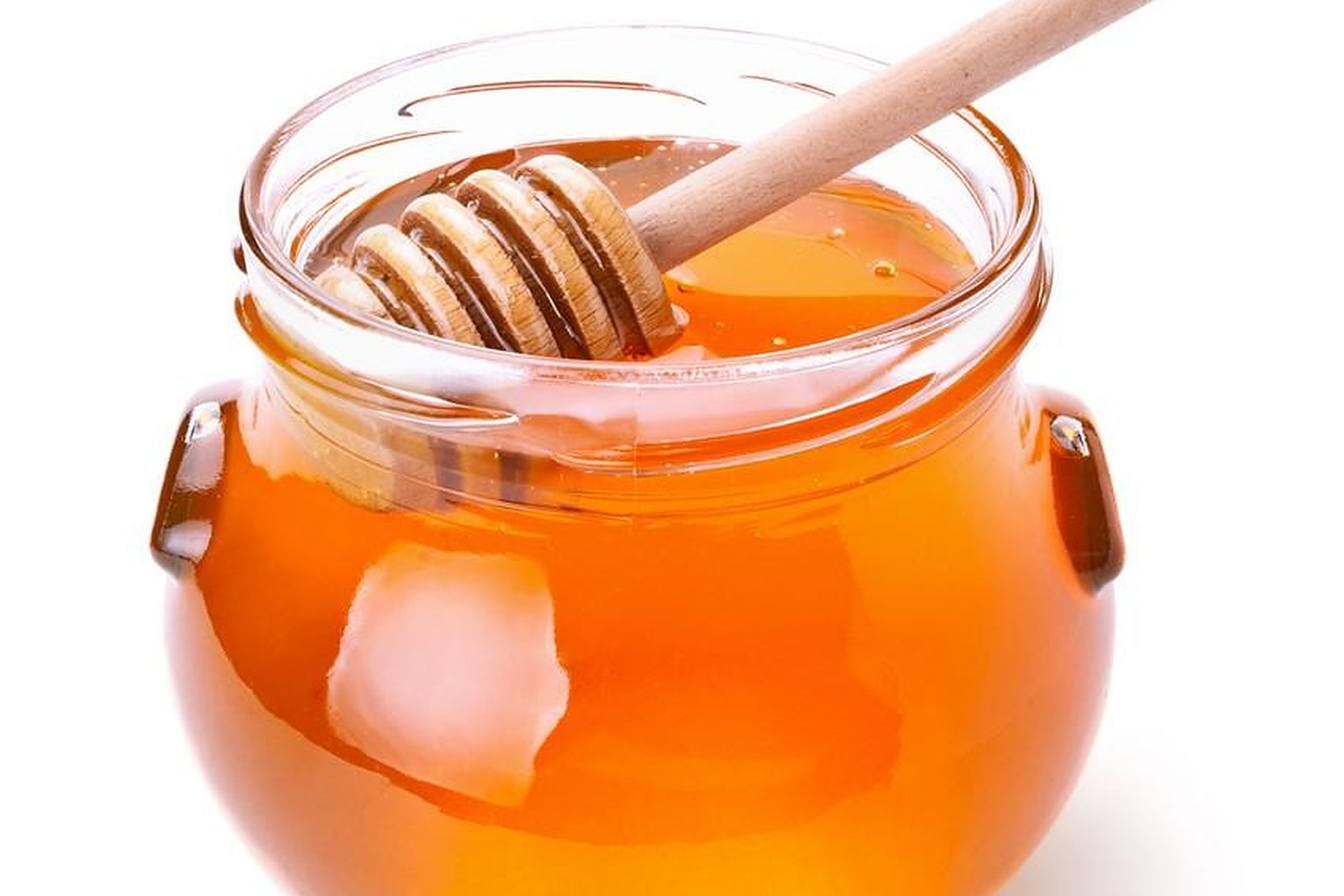
flowcloud would say that the 京西白蜜 Jīngxī báimì is the glass jars, mountain blossoms and beekeeper patience of Mentougou District, Beijing – a 京西 Jīngxī hillside trade where the 荆条 jīngtiáo bloom and 蜂场 fēngchǎng harvests set into the pale jars the valley has sold for generations – and that the honest move is to buy where you can ask, trust the crystallisation, and read the jar as the record of one slope and one year, because the bees make the crop and the keeper signs it. All checked October 2026.
Where to find it: Mentougou District Méntóugōu Qū, Beijing – the 京西 Jīngxī hill apiaries and honey counters along the valley roads of Mentougou, and the mountain-product shops around the 大峪街道 Dàyù Jiēdào district seat, where keepers sell jars of 白蜜 báimì, comb honey and festival gift boxes (worth confirming the details – which keepers sell their own harvests and which resell wholesale stock); jar prices run wide with size, comb and keeper, so call it worth confirming the details rather than a fixed number. Jingxi white honey is the glass jars, mountain blossoms and beekeeper patience of Mentougou District, Beijing, bees before brands.