
Army Grain on the Table: Junliangcheng Rice
军粮城外稻花白,渤海风来新米香 Jūnliángchéng wài dàohuā bái, Bóhǎi fēng lái xīnmǐ xiāng – Outside the granary town the rice flowers whiten; the Bohai wind arrives with the scent of new rice
军粮城稻米 Jūnliángchéng dàomǐ Junliangcheng rice is 天津市东丽区 Tiānjīn Shì Dōnglì Qū Dongli District’s oldest credential on a dinner table – paddy rice grown on the salt-washed flats where the town took its name from an army granary, grain that fed garrisons by barge centuries before it fed families. The ground here was seabed not long ago, and that coastal soil, watered fresh and salt, is exactly what Tianjin’s celebrated rice family – the 小站稻 Xiǎozhàn dào paddies of the old military-farm belt – grows best in. Junliangcheng sits at the belt’s eastern edge, and its rice still signs the district’s markets every autumn.
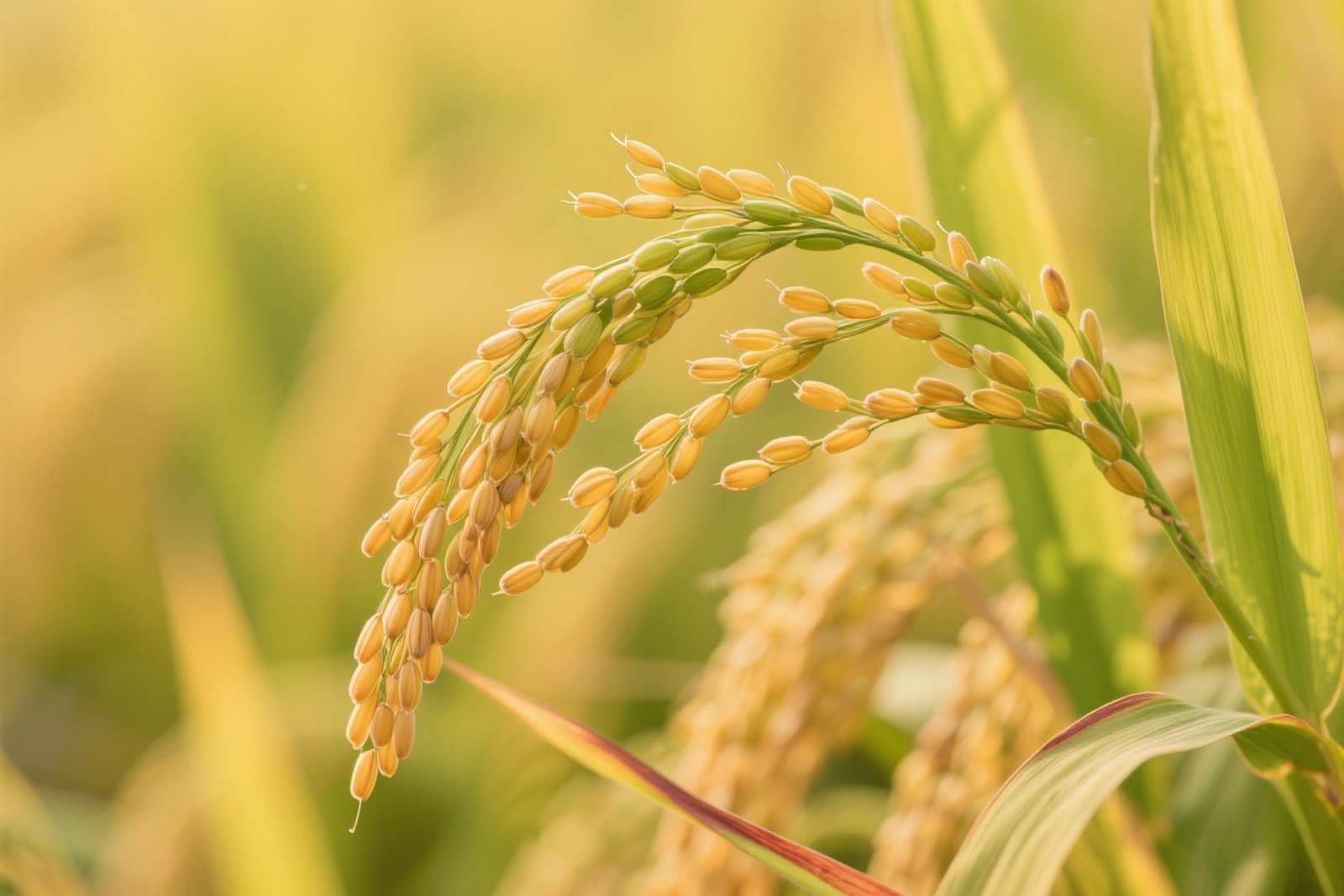
The paddies explain the grain. From spring flood to October cut, the fields run a slow calendar – seedbeds, transplanting, the long green stand through mosquito summer – until the ears bend copper-gold and the harvesters open the stubble in long rows. The flats hold heat into the evening and the coastal light burns slow, so the grain fills wide and dense; old farmers read the year from the ear’s droop the way sailors read weather.
In the pot the difference argues for itself. New-season 军粮城 rice steams up glossy and separate, each grain holding its shape yet giving under the chopstick, with a faint sweetness that survives even cold. Families time the winter to it – the first bags of 新米 xīnmǐ new rice are a small festival, cooked plain the first night so nothing competes with the grain, and ladled beside whatever the wok is doing for the rest of the season.
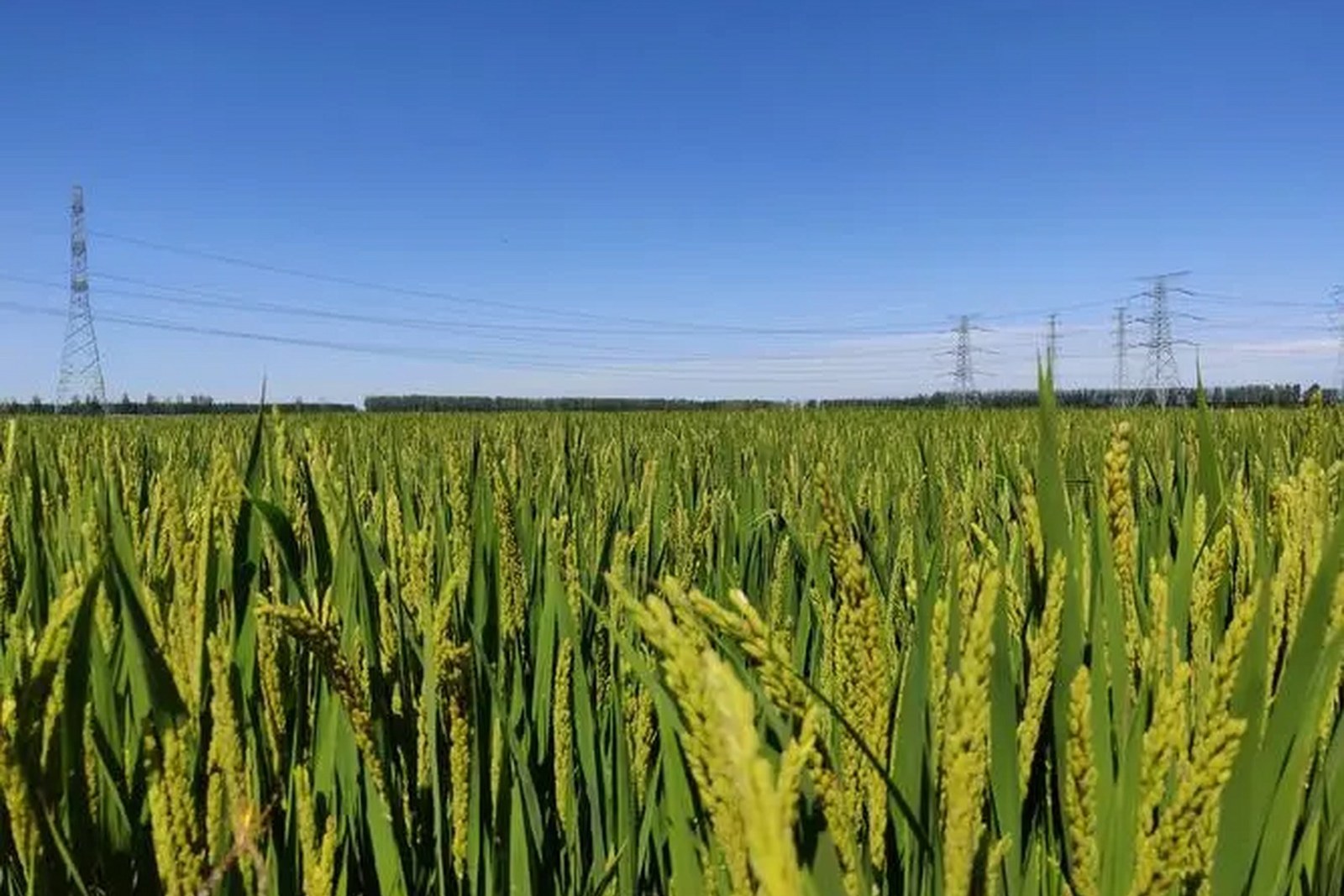
The rice also carries the town’s memory in commerce. Rice sacks still print 军粮城 the way wine labels print a slope, and the name does honest work: it stands for the granary barges, the reclamation farms and the paddies that never left. Eat a bowl in the old town’s home-style restaurants and you are tasting the district’s founding industry, still arriving on schedule.
The same district holds more flavors worth chasing: 清炒虾仁 qīngchǎo xiārén the silk-glazed shrimp, 糖炒栗子 tángchào lìzi the sugar-roasted chestnuts, 银丝卷 yínsījuǎn the thousand-thread rolls, or 锅贴 guōtiē the laced pan-fries – four more doors into the same Dongli District table.
Words and Names
军粮城 Jūnliángchéng “army-granary town,” the rice’s home address; 稻米 dàomǐ the paddy rice; 小站稻 Xiǎozhàn dào the celebrated Tianjin rice family this belt farms; 退海地 tuìhǎidì the land the sea gave back; 新米 xīnmǐ the new-season crop of late autumn.
What the Locals Know
The rice calendar runs on the first cold snaps – new-season bags land from late October, and connoisseurs buy early because the best lots go fast. Cook it with slightly less water than supermarket rice and skip the rinse beyond one pass; the grain is milled soft and rewards a light hand. And never judge it on the first bowl straight off the heat – the sweetness opens as the bowl settles. All checked November 2026.
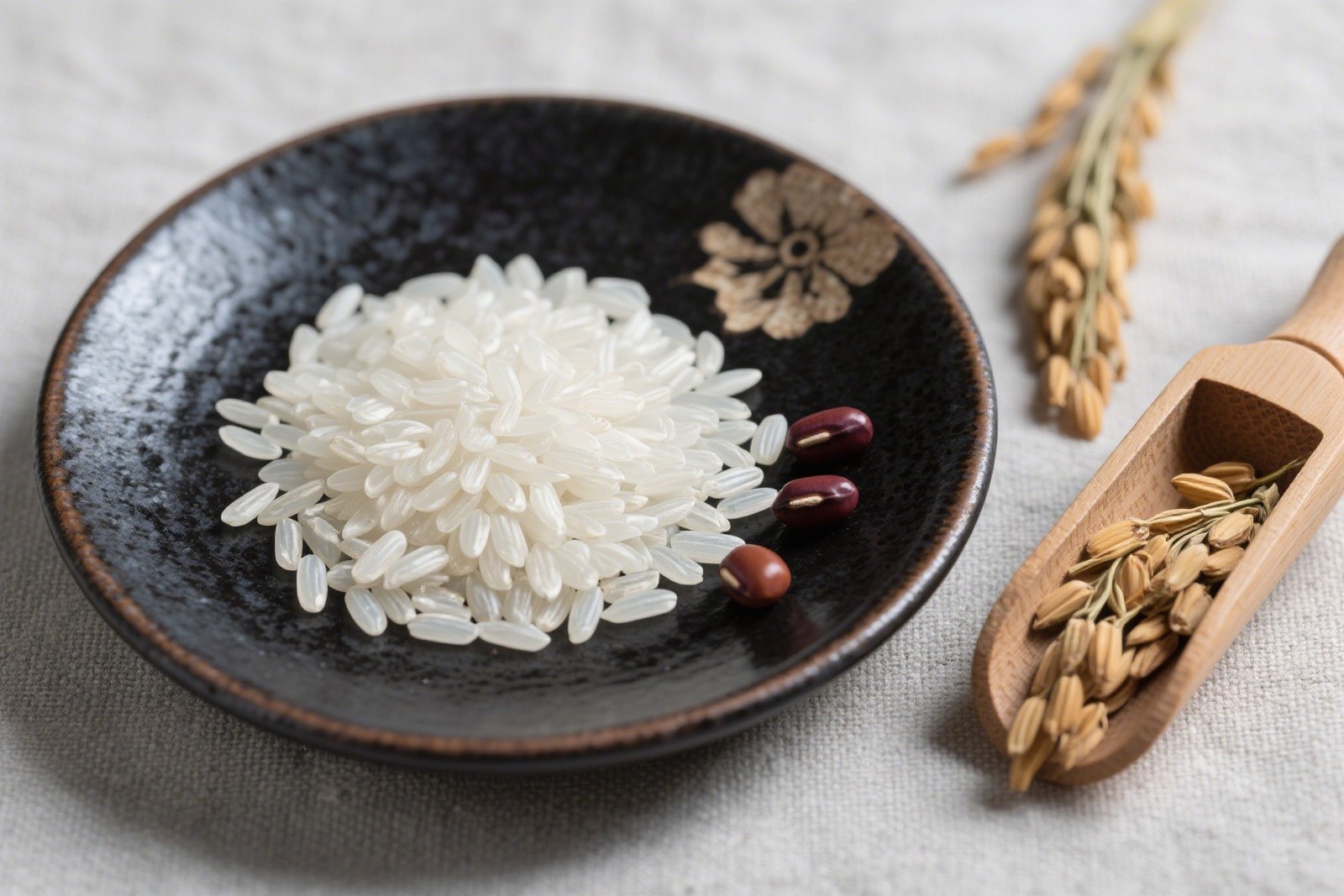
flowcloud would say Junliangcheng rice is the district’s longest-serving officer: it provisioned garrisons by barge, retired into paddies, and now signs every good bag of grain on the shelf.
Where to find it: Home-style restaurants around 军粮城 Jūnliángchéng and family tables across 天津市东丽区 Tiānjīn Shì Dōnglì Qū Dongli District serve the local rice by the bowl – ask for the year’s new rice from autumn onward. All checked November 2026.