
Fish Raised in Spring Water: Kaihua Qingshuiyu
钱江源头活水养,一锅奶白自成汤 Qiánjiāng yuántóu huóshuǐ yǎng, yī guō nǎibái zì chéng tāng – Raised in living water at the Qiantang source; one pot turns milky white into soup by itself
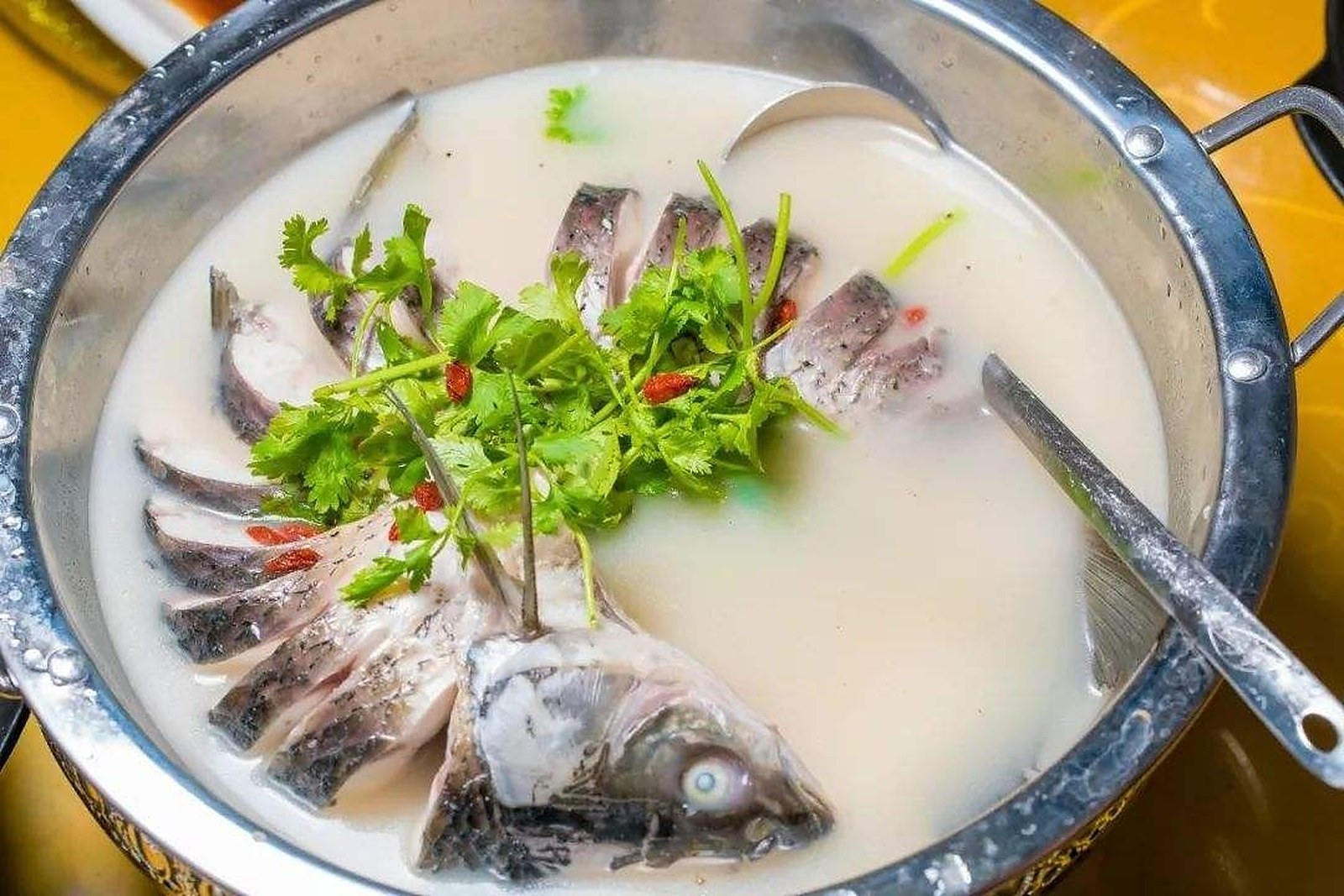
开化清水鱼 Kāihuà qīngshuǐ yú the clear-water fish of 开化县 Kāihuà Xiàn Kaihua county is a two-year argument for patience: grass carp raised in hillside ponds fed by flowing spring water – the headwaters of 钱塘江 Qiántáng Jiāng the Qiantang River – on grass and nothing else, then simmered whole in the same spring water with ginger and salt, until the broth turns milky white on its own. No wine, no oil fry, no stock cheats: the county’s claim is that water this clean at the source needs a cook who mostly keeps out of the way.
The ponds are the first recipe: in 何田乡 Hétián Xiāng Hetian valley and the hill villages around it, families keep cold flowing ponds stacked like rice terraces – spring enters at the top, spills pond to pond, and the fish hold in the current, exercising lean and eating grass cut by hand. The system is old enough to be listed among China’s important agricultural heritage systems, and the fish command prices that make the two-year wait rational.
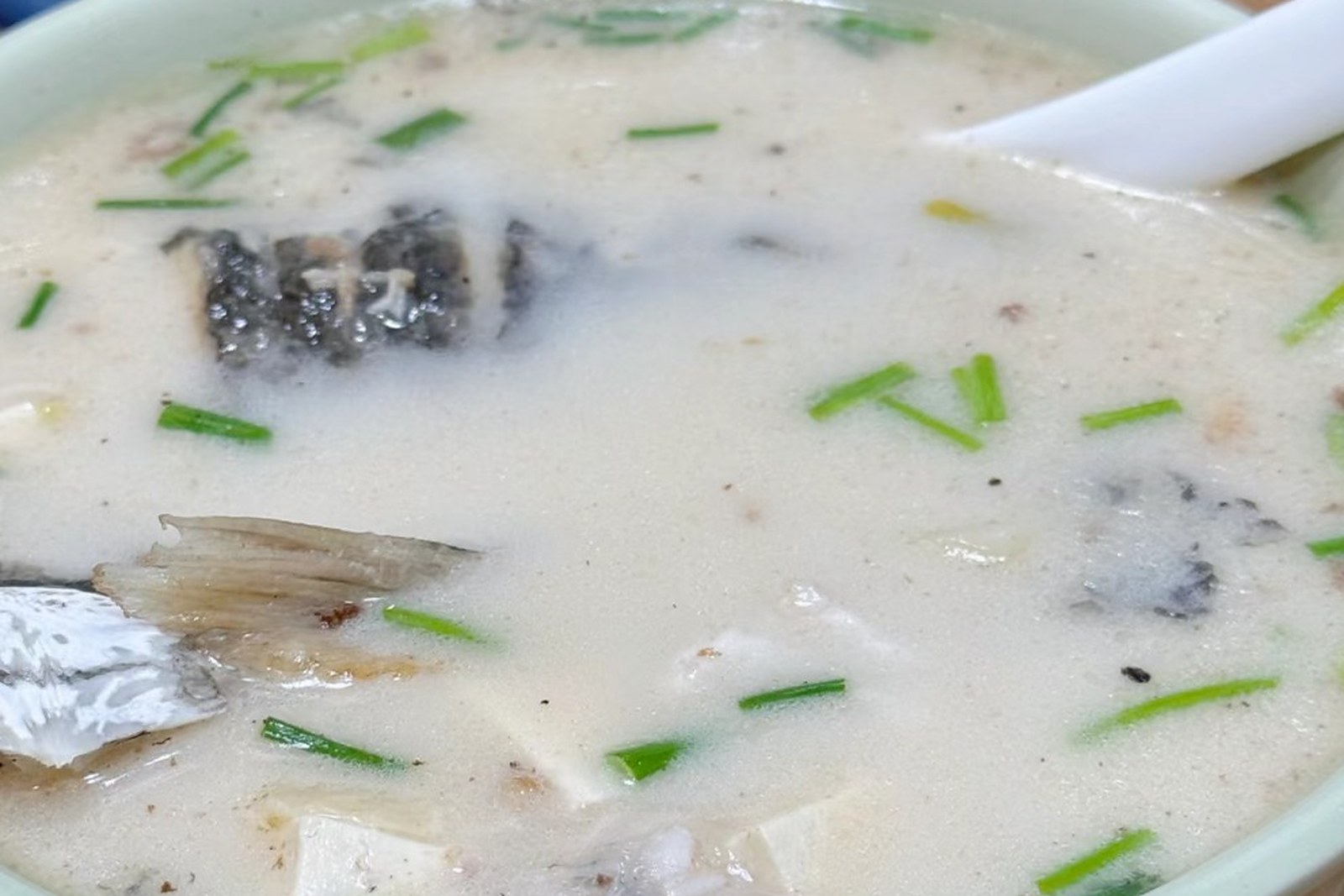
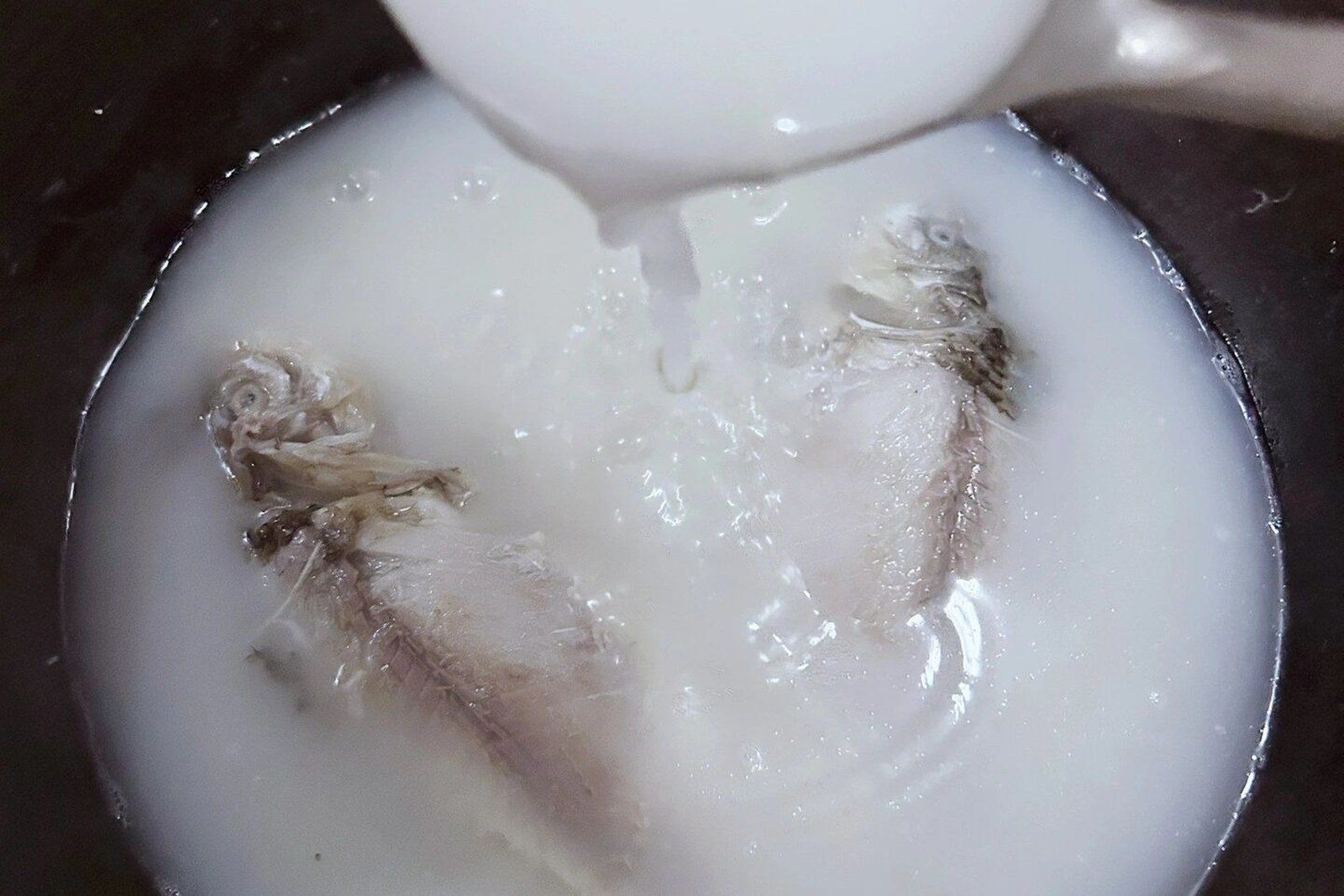
The cook is the second recipe: the whole fish goes into spring water with ginger, scallion and salt, boiled hard at first to emulsify the broth, then simmered until the soup clouds white. The flesh pulls off in firm, sweet flakes with no muddy note – the flavor of current-raised fish – and the broth is drunk first, by itself, as the dish’s opening argument. Chili is optional at the table; in the pot it is considered vandalism.
Ordering is simple county logic: pick your fish alive from the flowing pond if the restaurant has one – most do – and ask for 奶白汤 nǎibái tāng the milky broth. In Kaihua the dish is the homecoming meal, the festival centerpiece and the reason food travelers drive up from 衢州市 Qúzhōu Shì Quzhou City; the ponds double as a day trip through the Qianjiangyuan source country.
The same city holds more flavors worth chasing: 三头一掌 sān tóu yī zhǎng the chili-braised heads, 龙游发糕 Lóngyóu fāgāo the risen rice cake, 常山贡面 Chángshān gòngmiàn the tribute noodles, or 衢州烤饼 Qúzhōu shāobǐng the charcoal-drum flatbread – four more doors into the same 衢州市 Qúzhōu Shì Quzhou City table.
Words and Names
清水鱼 qīngshuǐ yú clear-water fish, the spring-pond grass carp; 何田 Hétián Hetian, the fish-valley heartland; 奶白汤 nǎibái tāng the milky-white broth, the dish’s own test; 钱江源 Qiánjiāng Yuán the Qiantang River source, the headwater system feeding the ponds; 流水塘 liúshuǐ táng flowing-water pond, the raising method that names the flavor.
What the Locals Know
Broth color is chemistry, not dairy – hard boil first, then simmer, and the spring water whitens on its own; a pale soup means the cook hurried. Drink it before anything else, salt and all. And the belly flake near the dorsal fin is the connoisseur’s bite; locals silently divide it among elders first.
flowcloud would say Kaihua’s fish is a water feature you can eat: two years of current, one pot of patience, and a broth that turns white because the county never let its springs learn anything dirtier. All checked November 2026.
Where to find it: Every county-town restaurant in 开化县城 Kāihuà Xiànchéng Kaihua keeps a flowing pond – pick the fish alive, ask for the milky broth, sixty to a hundred-plus yuan by weight; the valley farmstays of 何田 Hétián serve their own ponds by reservation, and the fish is the fixed centerpiece of any Kaihua table. All checked November 2026.