
The Tandoor’s Gift: Kashgar Samsa, the Crisp Lamb Parcel Worth Queuing For
馕坑贴金脆,一咬汁满口 Nǎngkēng tiē jīn cuì, yī yǎo zhī mǎn kǒu – Golden-crisp from the tandoor wall; one bite and the juices fill your mouth
正文:烤包子 Kǎobāozi samsa is the street food 喀什地区 Kāshí Dìqū Kashgar Prefecture runs on – a squat parcel of thin dough stuck to the inside wall of a tandoor oven, baked until the bottom cracks and the shell shatters, filled with hand-chopped lamb, onion, cumin and a spoon of fat that turns to gravy inside. Kashgar eats samsa from dawn onward: the ovens are hottest and the parcels brightest at seven in the morning, and the city’s bakers have been pulling them from the same clay walls for as long as anyone can remember. Watch the maker slap raw parcels onto the oven’s throat one by one, retrieve them with a hook, and you understand why nobody bothers inventing a better breakfast.
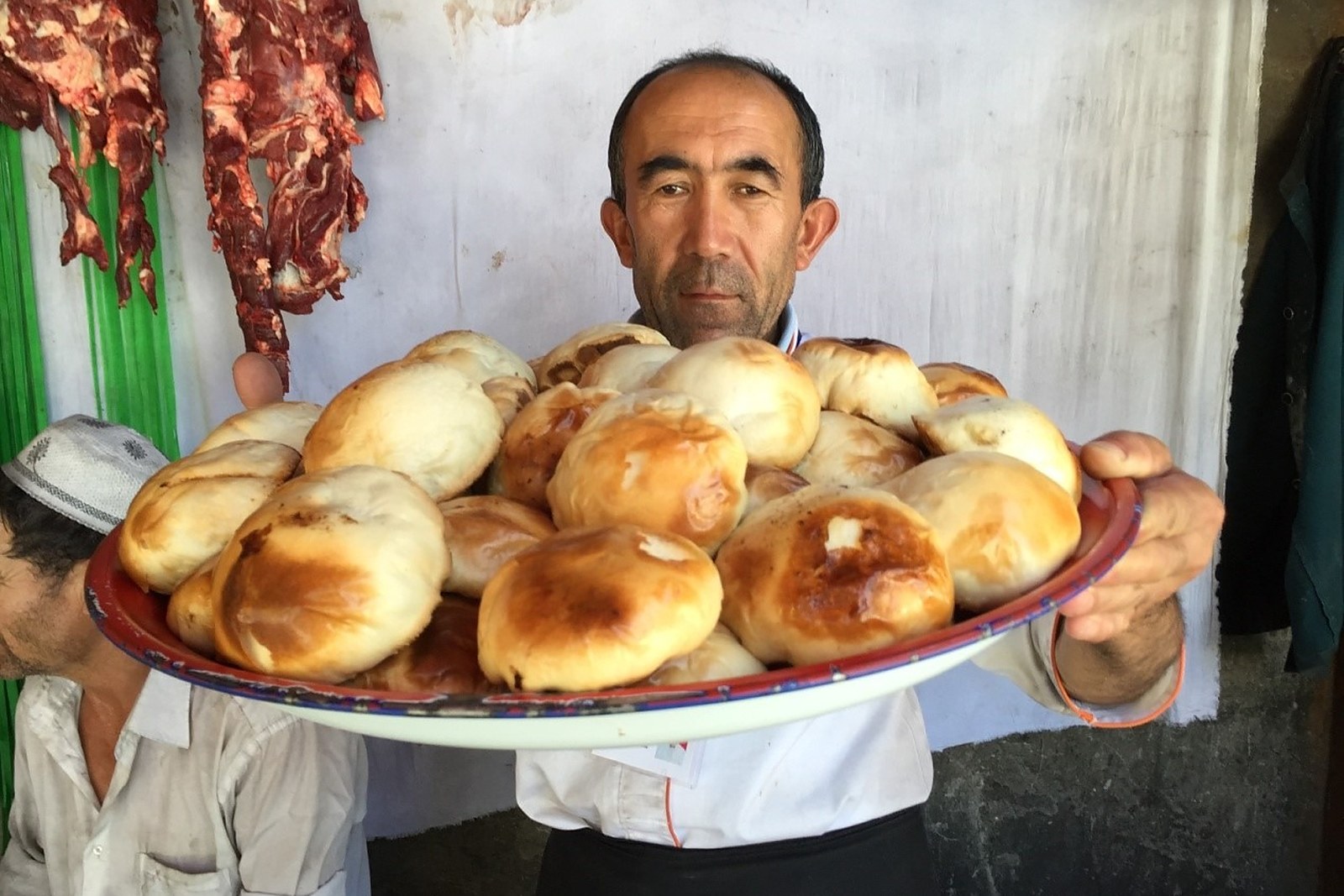
The construction is the whole secret. The dough is rolled thin, filled generously, folded into a triangle or half-moon, and sealed with a pleat that locks the steam in. Inside the tandoor’s vertical heat the shell dries crisp while the lamb renders into broth; the finished parcel stands as a small architecture of crunch outside, soup inside. The best shops chop the meat by knife, never grind it – you want ribbons of fat and identifiable onion, not a paste – and the filling counts as a point of family honour, defended across generations with total seriousness.
A fresh samsa is a timing exercise. Hold it too long and the shell softens; bite immediately and scald yourself on the broth; the correct technique, taught by observation, is to nibble the top corner, drink the steam out, then commit. Locals pair it with milk tea or the thin brick tea from the samovar, and the combination – crisp, hot, savory, washed with tea – is the flavour that Kashgar travellers reproduce at home for years and never quite match.
Beyond the tandoor wall, the same 喀什地区 Kāshí Dìqū Kashgar Prefecture holds other flavors: 鸽子汤 Gēzitāng pigeon soup, 缸子肉 Gāngziròu mug-stewed lamb, 百年老茶馆 Bǎinián Lǎocháguǎn the century teahouse, and 喀什石榴 Kāshí Shíliu Kashgar pomegranate – four more doors into the same 喀什地区 Kāshí Dìqū Kashgar Prefecture. With the samsa settled, our Kashgar travel map fills the day.
Samsa stalls anchor every market in the city. The old town’s oven rows sell them by the tray; the Sunday livestock bazaar’s food court does a roaring trade; and the grand bazaar’s covered arcades hold shops that bake all day and sell out by mid-afternoon anyway. Prices are street-level, the queue moves fast, and the etiquette is simple: point, hold out change, and step aside – the regulars behind you have buses to catch and no patience for deliberation.
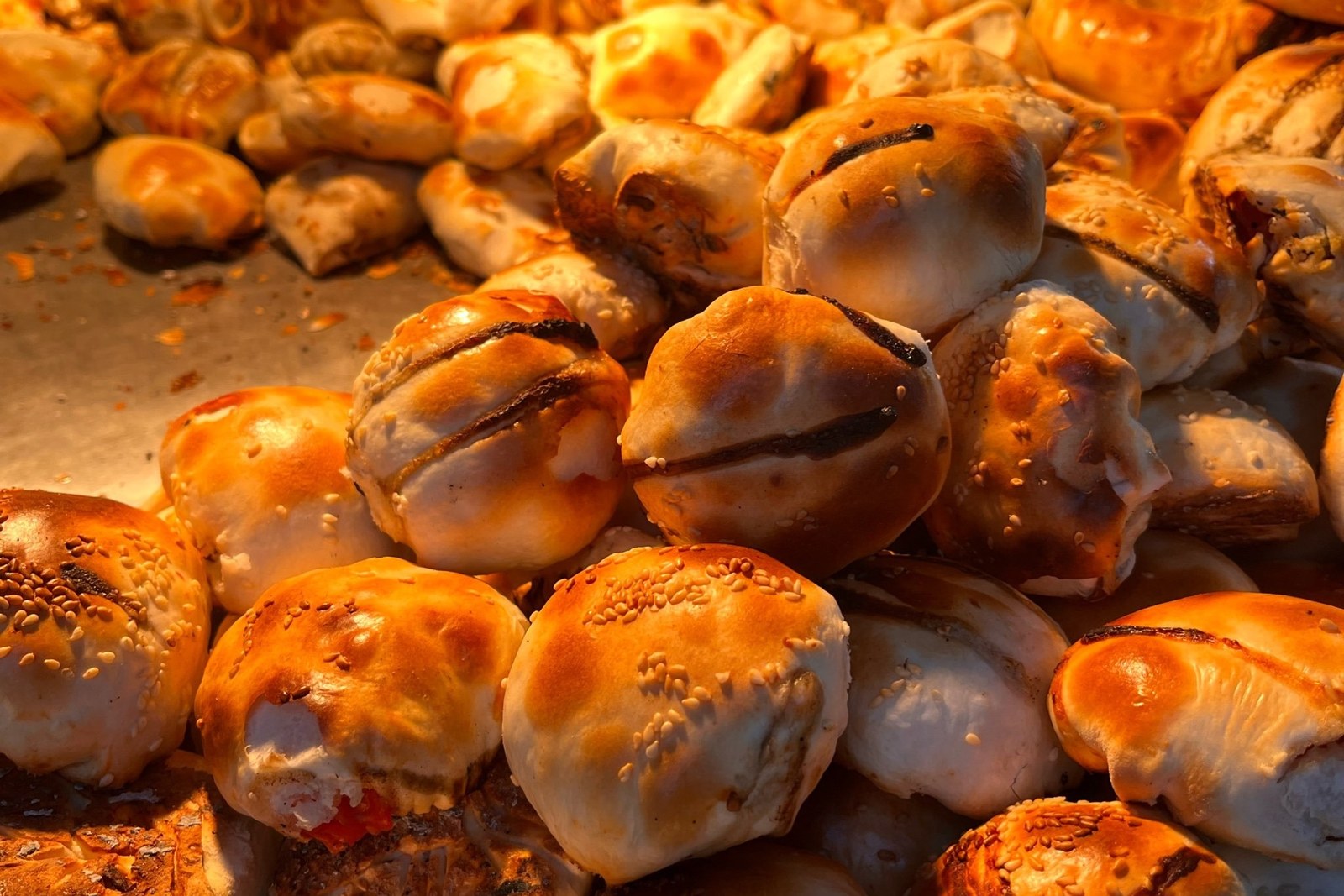
The regional variations reward a small safari. Some ovens fold theirs square with a knob of sesame crust; the bazaar version runs larger, cut open and filled with a spoon of pilaf drippings; a few shops around the Id Kah square do a pumpkin samsa in autumn that locals defend as fiercely as the lamb original. Ask for “the one that just came out” – taze chiqqan – and the seller’s grin says you understand the assignment.
Practicalities first. Samsa costs pocket change, is sold by the piece with no seating ceremony, and tastes best within five minutes of the hook. Morning batches are the standard by which all others fall short; the after-lunch batches survive the oven less tenderly. No shop runs late – the ovens cool with the day – so treat samsa as a breakfast and pre-lunch discipline rather than an evening plan.
Beyond the first bite, samsa is the key that opens Kashgar’s food map: the same tandoors bake the city’s naan, the same lamb filling runs through the pilaf and the dumplings, and a week of Kashgar eating tends to circle back to the oven wall where it began. Start here, and the rest of the city’s cooking reads itself in order.
Words and Names
What the Locals Know
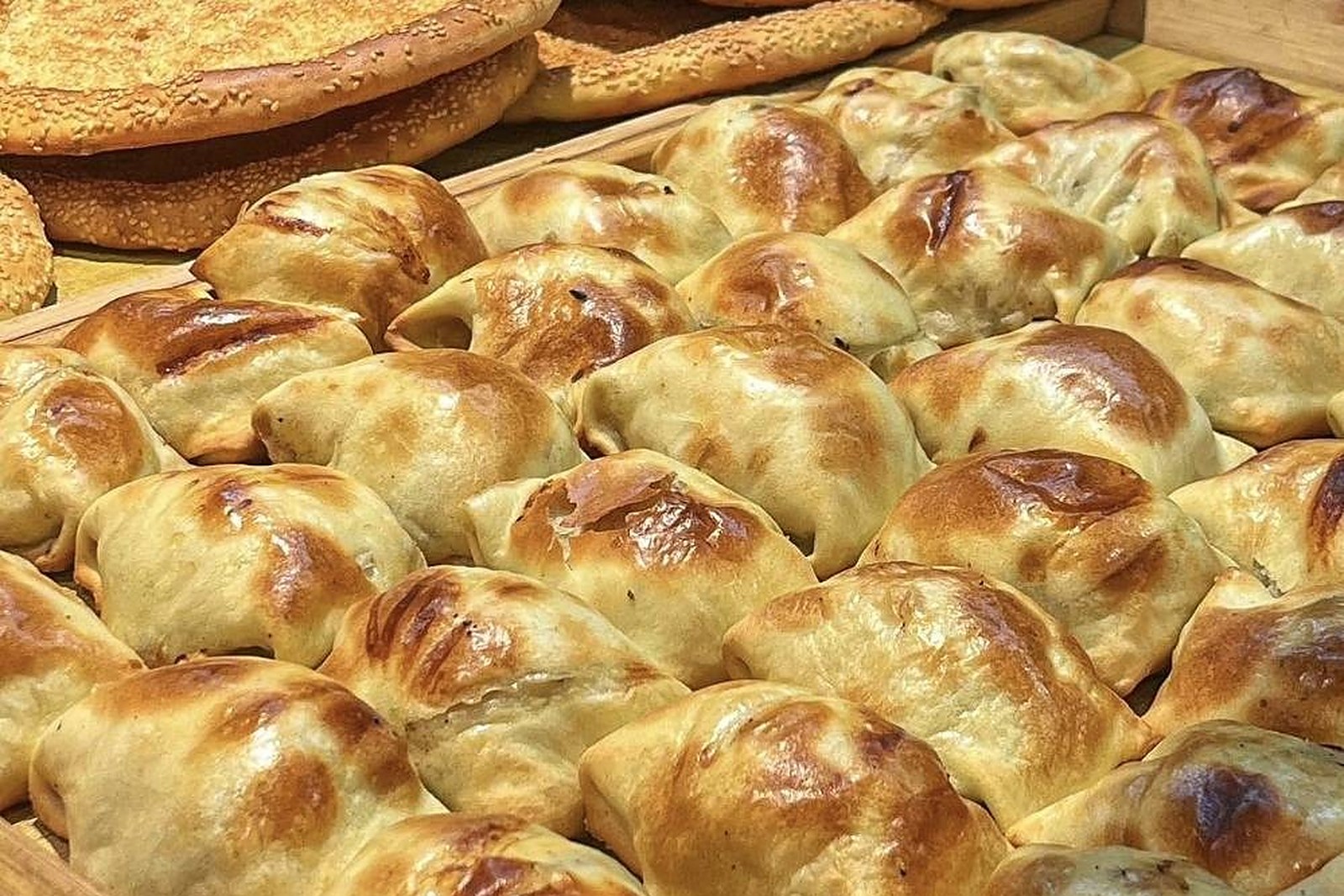
flowcloud would say samsa is Kashgar’s alarm clock made edible: a crackling parcel off the tandoor wall, soup-hot inside, best eaten before eight with tea and no plan – the city’s first and best daily performance. All checked November 2026.
Where to find it: The oven rows just off the Id Kah square and the grand bazaar’s samsa counters bake through the morning; buy at the tray as they come off the wall, eat standing, and time the visit for the first trays before nine. All checked November 2026.