
Khapse — the Golden Fried Pastry of the Tibetan New Year
油锅滚出千层脆,一盘卡赛待客来 Yóuguō gǔn chū qiān céng cuì, yī pán kǎsài dài kè lái – The boiling oil rolls out a thousand layers of crisp; a plate of khapse waits for the guest to come
卡赛 kǎsài Khapse is the sound of the Tibetan New Year before you hear the word: dough meeting hot butter-oil, the hiss and the sweetness, plates of fried pastry stacking up in every kitchen of the 泽当 Zédāng Zetang streets as Losar approaches. Shaped into twists, crescents, discs and braids, fried deep gold, some dusted with sugar, khapse is the festival food – offered on the household altar, set before guests, and carried in bags when visiting season begins.
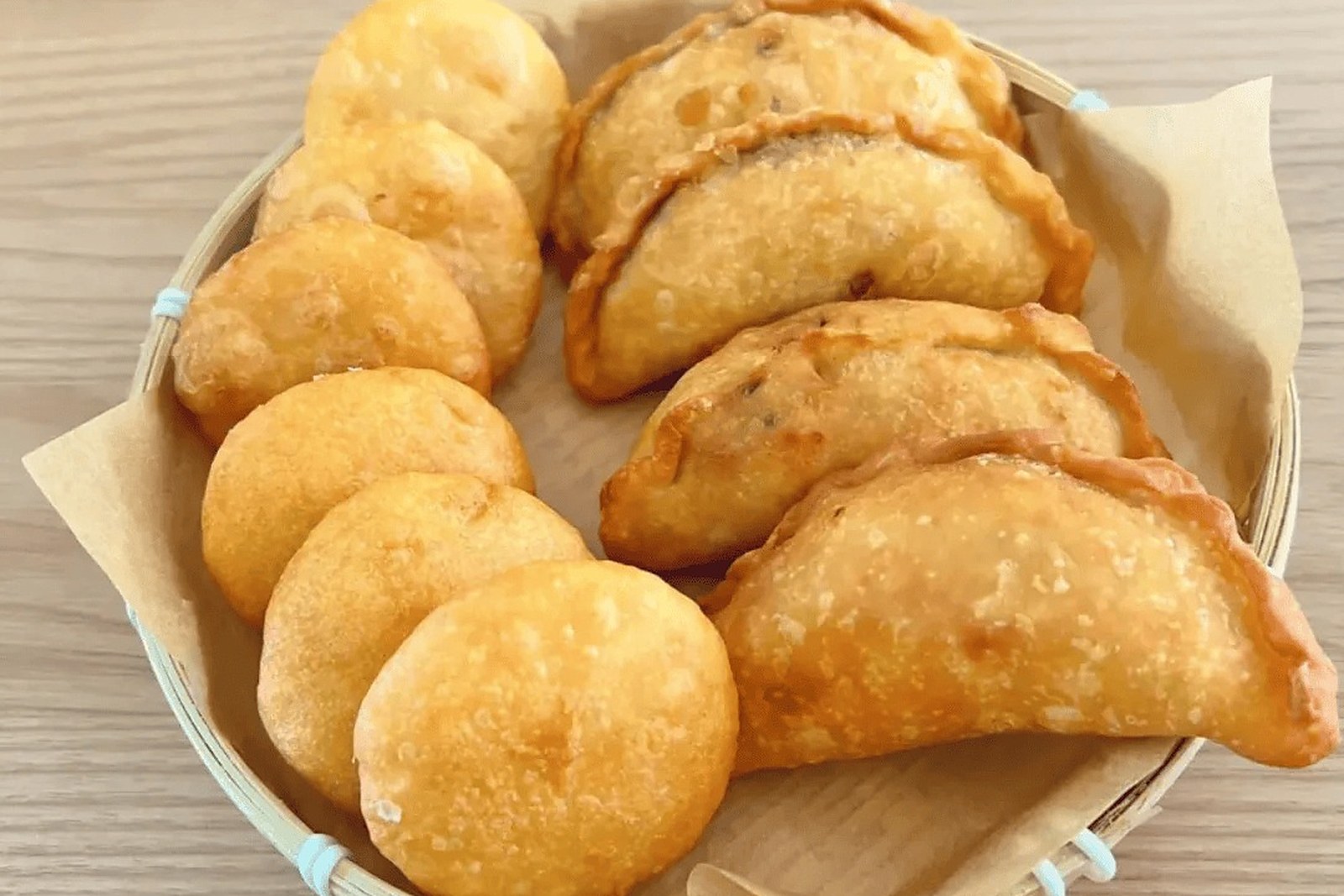
The shapes carry the tradition. Households fry simple ribbons and deep twists for the tea table, elaborate layered forms for the altar, and every region keeps its own signatures; in the Shannan valleys the classics are the long braided ropes and the crescent moons that fry into hollow, shatter-crisp shells. Dough is flour, butter and water – nothing else – so the craft lives entirely in the hands: how thin the rope is rolled, how tightly it is folded, how long it rides the oil.
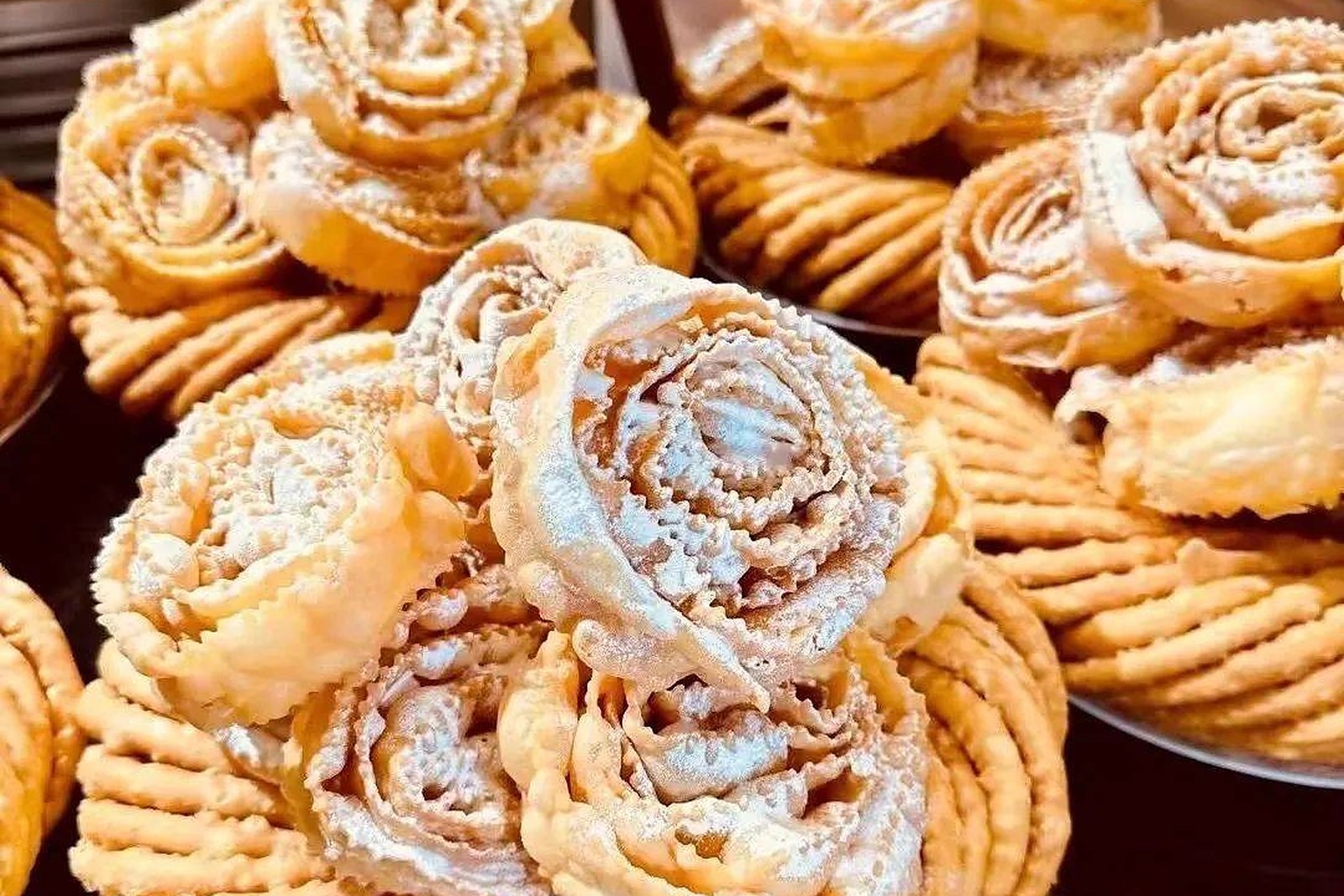
Frying day is a family production in the weeks before the New Year. Grandmothers twist, aunts cut, teenagers mind the oil, and trays cool on windowsills until the whole house smells like a bakery crossed with a festival. The logic is practical as much as sacred: khapse keeps for weeks without spoiling, feeds every guest who walks in, and survives the long drives between relatives’ houses – festival fuel for the coldest month of the plateau year.
Visitors meet khapse three ways. In homes during Losar it comes with butter tea, unturndownable, the plate refilled as fast as it empties. In tea houses and bakeries it sells by the kilo all festival season – buy the twist kind for the road and the thin sugared kind for the evening. And in markets like Zetang’s, stalls pile the golden shapes into towers before the New Year, selling families their festival stock by the bag: the crunch that tells the whole valley the year has turned.
Words and Names
卡赛 kǎsài khapse, the fried pastry of the Tibetan New Year; 罗萨 luósà Losar, the Tibetan New Year festival; 酥油 sūyóu butter, the frying and flavor base of festival baking; 泽当 Zédāng Zetang, the Shannan seat whose markets pile khapse high before the holiday; 待客 dàikè guest-honoring, the custom the pastry plate serves. The same 山南市 Shānnán Shì Shannan holds more flavors worth chasing: 隆子黑青稞 Lóngzǐ Hēi Qīngkē the dark highland barley of Longzi, 桑日葡萄 Sāngrì Pútáo the riverside grapes of Sangri, 桑耶素斋 Sāngyē Sùzhāi the monastery-town vegetarian table, or 羊湖羊 Yánghú Yáng the lakeside lamb of Yamdrok – four more doors into the same Shannan table.
What the Locals Know
Locals judge khapse by its keeping quality, not just its crunch: a good batch stays crisp for weeks in a tin, and families that fry early pride themselves on batches that last to the end of the festival month. The braided rope shape is the traveler’s pick precisely because it travels. And no household fries in single dozens – the unit of khapse is the tin, sized for every guest the New Year can bring. All checked November 2026.
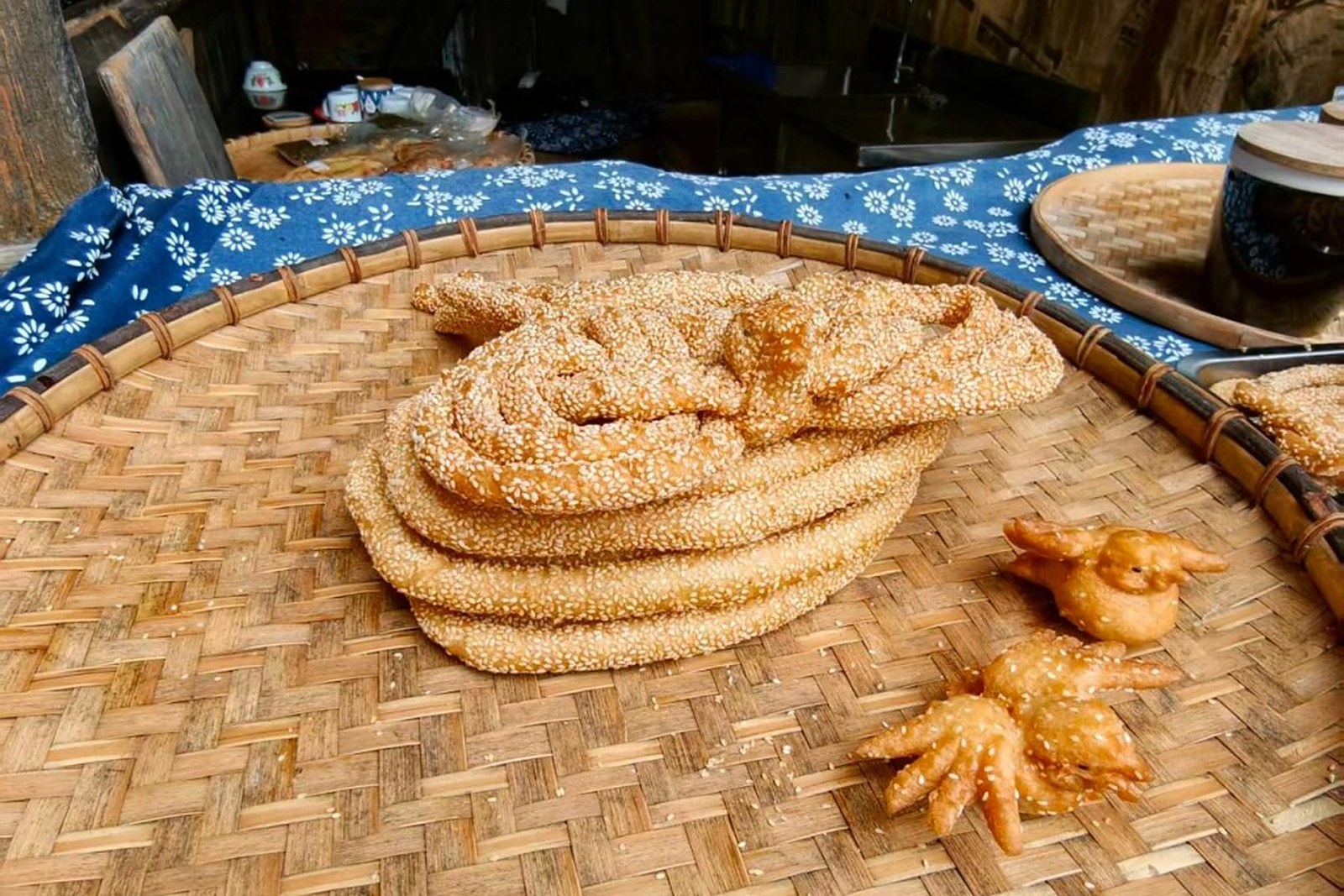
flowcloud would say khapse is the calendar you can chew – one bite of festival gold and the year has officially turned.
Where to find it: Zetang’s central market and bakery rows carry the year’s stock in Losar season, with the best range of shapes; tea houses around 山南市 Shānnán Shì Shannan keep plates through the festival month. All checked November 2026.