
Naren, the Ceremony Noodle: How Kizilsu Serves a Feast in Layers
手擀千条面,肉香盖雪原 Shǒugǎn qiān tiáo miàn, ròuxiāng gài xuěyuán – A thousand hand-rolled noodles; the meat’s fragrance covers the snowfield
Naren Nàrén is the ceremony dish of the Kyrgyz table in 克孜勒苏柯尔克孜自治州 Kèzīlèsū Kē’ěrkèzī Zìzhìzhōu Kizilsu Kirghiz Autonomous Prefecture – wide hand-cut noodles laid in steaming layers, buried under shredded mutton or horse meat and a snowfall of fried onions, with the broth poured on last. The word itself simply means noodles, but the dish means occasion: weddings, Nowruz, the return of a guest from far away, the end of shearing. A household that serves naren is saying something formal – you are honoured here, and there is enough.
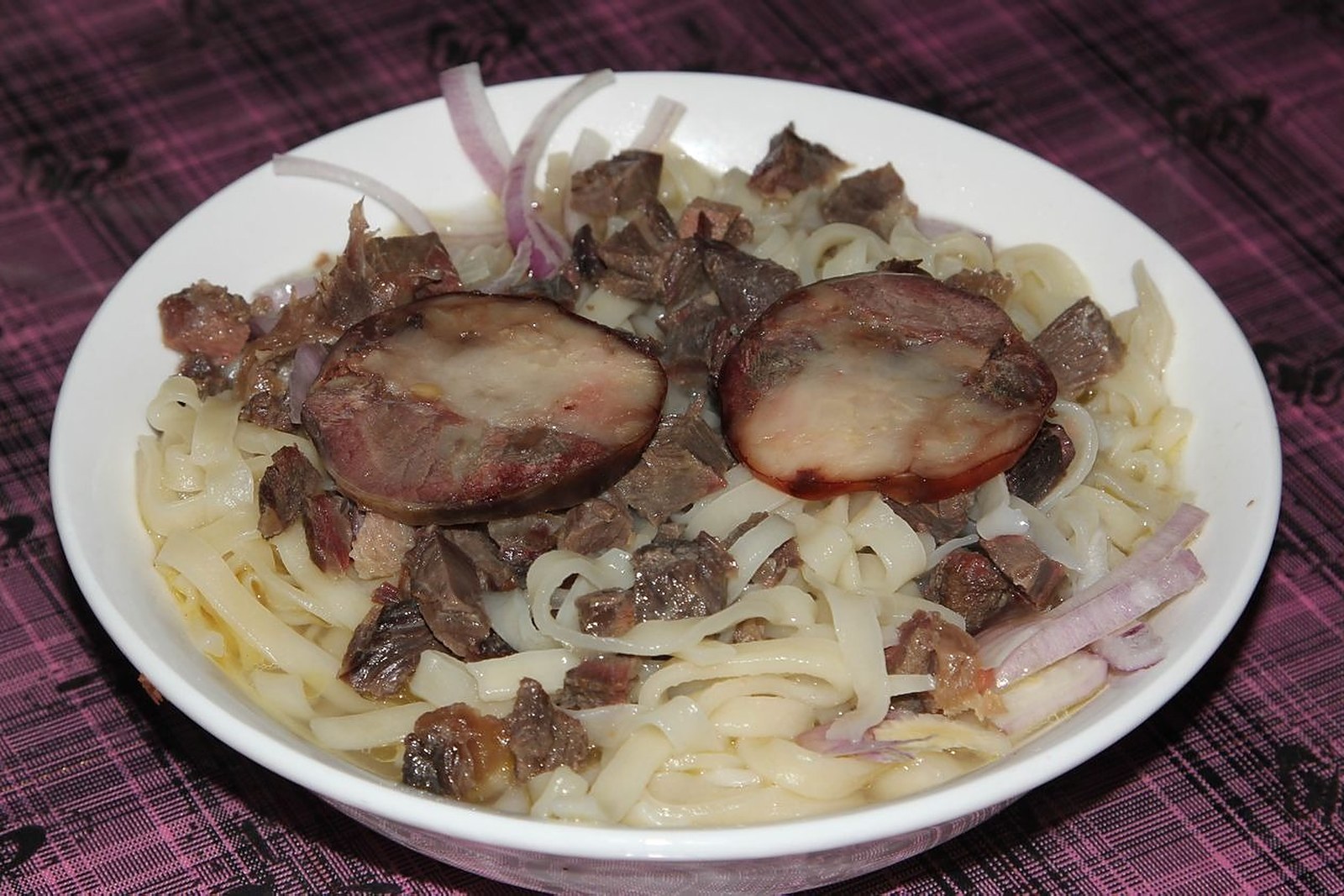
The craft hides in three stages. First the noodles: a stiff dough of flour, water and salt, rolled thin and cut wide, boiled just short of soft so the strands keep a backbone under the meat. Second the meat: mutton or horse boiled long with nothing but salt, then shredded by hand across the grain – never cut with a knife if the cook is proud – so the fibres fluff instead of slick. Third the assembly, which is where ceremony speaks: noodles down, meat piled on, onions fried to gold scattered over, and broth ladled until the layers just float. Pepper arrives at the table, not the pot, so each diner tunes the heat.
Beyond the ceremony bowl, the same 克孜勒苏柯尔克孜自治州 Kèzīlèsū Kē’ěrkèzī Zìzhìzhōu Kizilsu Kirghiz Autonomous Prefecture holds other flavors: 阿图什无花果 Ātúshí Wúhuāguǒ Atush fig, 巴仁杏 Bārén Xìng Baren apricot, 马奶酒 Mǎnǎijiǔ kumis, and 乌恰牦牛 Wūqià Máoniú Wuqia yak – four more doors into the same 克孜勒苏柯尔克孜自治州 Kèzīlèsū Kē’ěrkèzī Zìzhìzhōu Kizilsu Kirghiz Autonomous Prefecture. With the naren settled, our Kizilsu travel map fills the day.
Eating naren well is an etiquette lesson. The bowl arrives shared, centred, and everyone eats from the near edge with the grain of the noodles – reaching across or stirring the pile is the table’s one true sin. Hosts watch guests’ broth levels like hawks; an empty edge triggers a reflexive refill from the kitchen, so pace the noodles if you want the meal to end. Bread tears at the fat and onions, and the tea that follows is not optional – the meal formally closes on it.
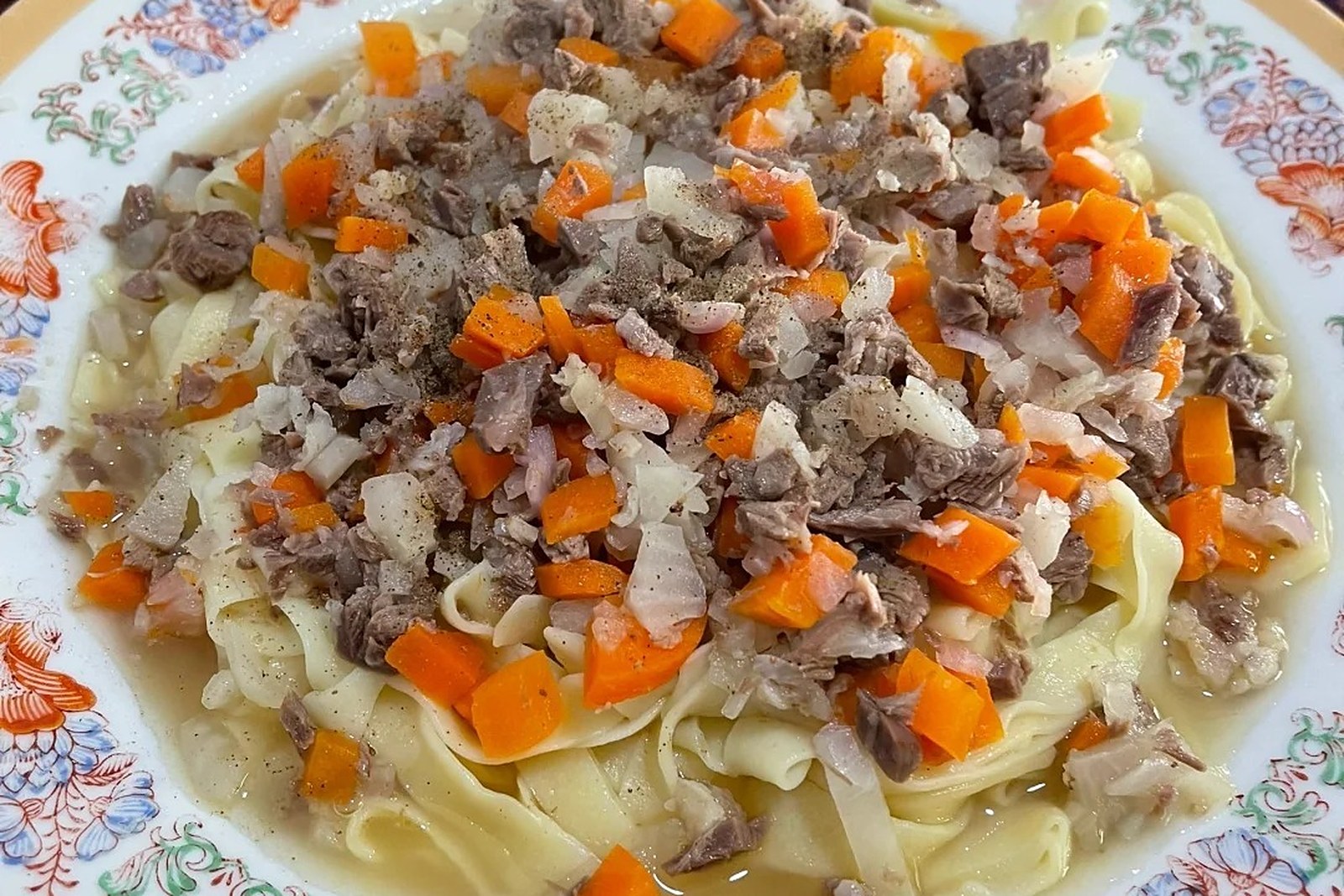
Variations mark the map. Aheqi households in the grassland counties lean toward horse meat in winter – richer, sweeter, built for cold – while Aktao and Wuqia tables mostly run mutton, and town restaurants add thin-sliced raw onion and black pepper to brighten the bowl. At festival scale the meat doubles, the noodles come out in batches like linen sheets, and a single proper naren service feeds thirty from one cauldron – the dish’s real genius being that it scales without ever seeming industrial.
For travellers, the honest way in is invitation, not ordering. Town restaurants serve competent naren at lunch, but the dish’s register – its generosity, its timing, its pride – only shows at a table with a family behind it, which in Kizilsu is less rare than it sounds: homestay hosts, falcon-festival acquaintances and herder families all fold guests in when naren is on the stove. Say yes to the second bowl. It is the compliment the cook is listening for.
Words and Names
What the Locals Know
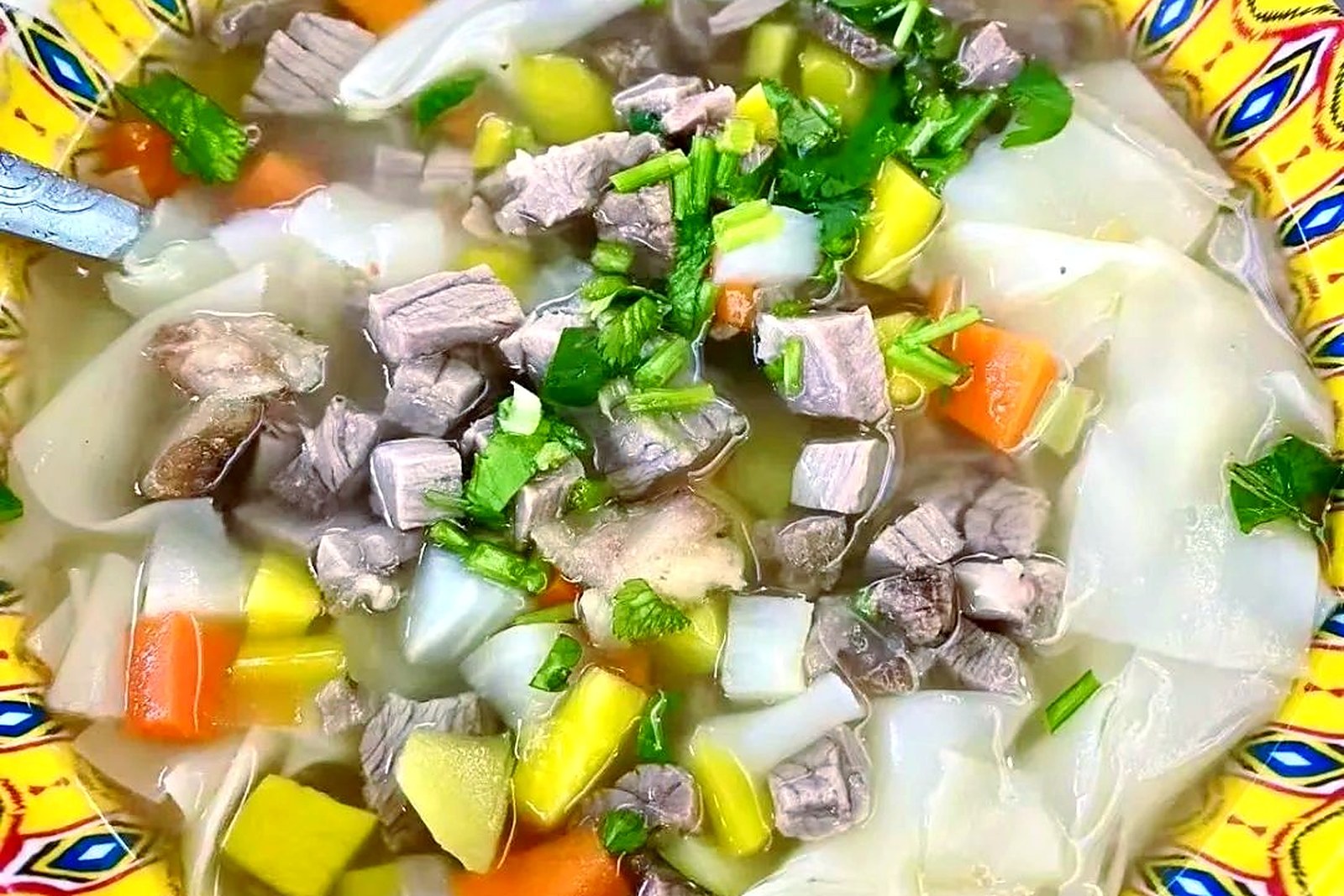
flowcloud would say naren is hospitality laid in layers: noodles for the base, meat for the honour, broth for the weather outside – a bowl that scales from six guests to a wedding without ever learning to hurry. All checked November 2026.
Where to find it: Ask at homestays and herder-family visits in Aheqi and the grassland townships – festival weekends raise the odds sharply; in town, the bazaar-adjacent Kyrgyz lunch counters serve the honest daily version with black tea alongside. All checked November 2026.