
Kongjiang Road Home Cooking: Workers’ New-Village Benbang Tables, Noodle Bowls and the Neighbourhood Eating Corridor of Yangpu District, Shanghai
控江路畔炊烟暖,赤酱浓油本帮鲜。Kòngjiāng lù pàn chuīyān nuǎn, chìjiàng nóngyóu běnbāng xiān – By Kongjiang Road the hearth-smoke is warm; dark soy and rich oil, the benbang freshness.
控江路家常菜 Kòngjiāng Lù jiācháng cài Kongjiang Road home cooking is the eating trade along 控江路 Kòngjiāng Lù Kongjiang Road, the long residential main road through the 工人新村 gōngrén xīncūn workers’ new villages of central 杨浦区 Yángpǔ Qū Yangpu District, Shanghai – the hinterland housing blocks raised for the city’s factory generations, and the road that has fed them ever since. Around the 鞍山新村 Ānshān Xīncūn Anshan Xincun area the doors thicken into the densest stretch: 本帮小馆 běnbāng xiǎoguǎn benbang small rooms cooking 浓油赤酱 nóngyóu chìjiàng rich-oil dark-soy home flavours, noodle houses whose broth pots run from early morning, and 点心铺 diǎnxīnpù corner pastry and dim-sum counters that measure the day in trays rather than courses (worth confirming the details – which shop holds which frontage turns over slowly but does turn, and the specific doors are best confirmed on the street rather than recited). The clientele is the block itself: retirees at the morning tables, families at the evening ones, and the pricing follows the residents rather than the guidebooks. The blunt definition: the workers’ new villages’ own kitchen – the taste Shanghainese mean when they say a road cooks like home.
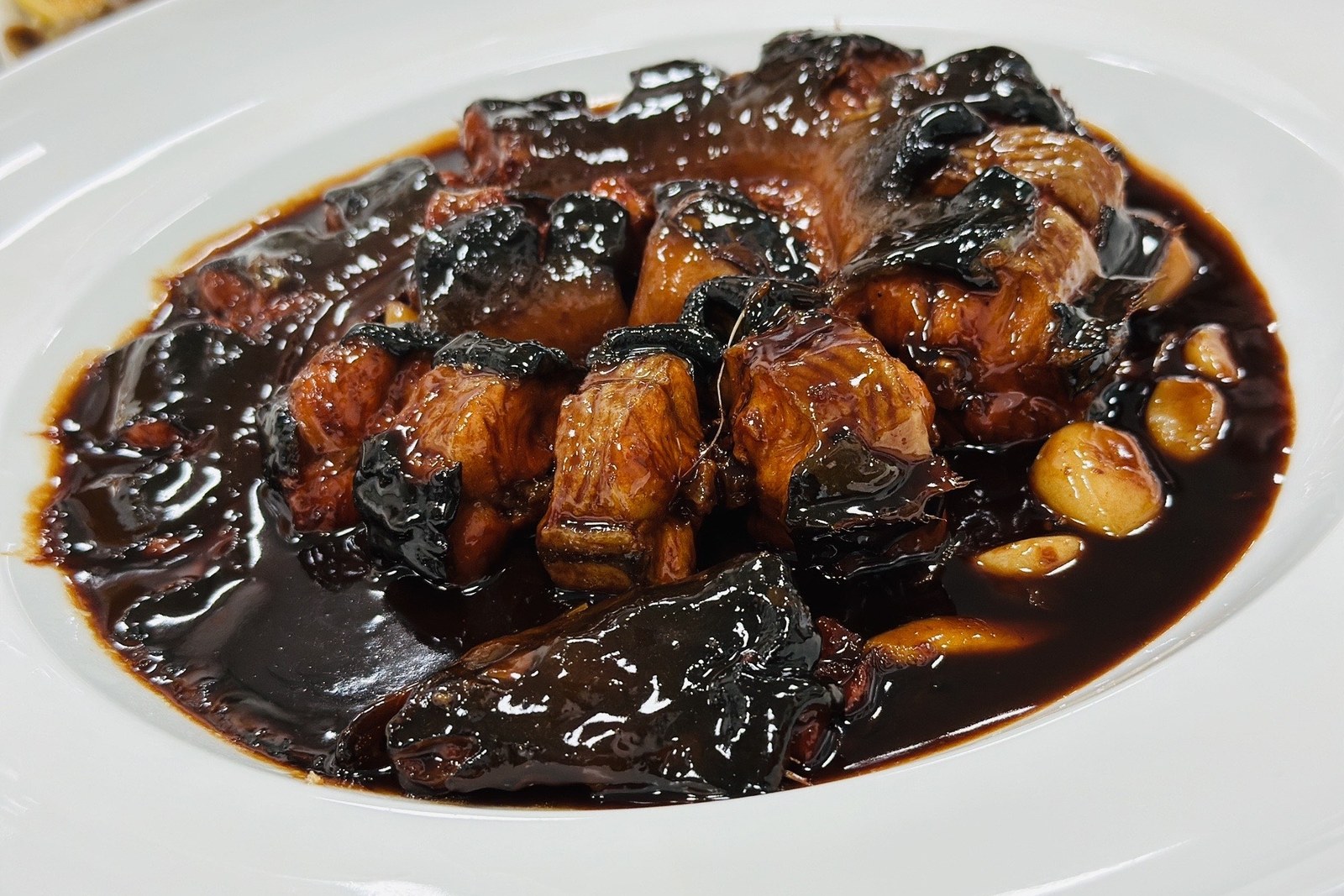
Call it honestly: neighbourhood money on a village clock. Getting there is one door: 地铁8号线 dìtiě bā hào xiàn Metro Line 8 to 鞍山新村站 Ānshān Xīncūn zhàn Anshan Xincun station opens directly into the densest eating stretch, where the small rooms and noodle houses line the road either side of the station. A noodle bowl prices at street-snack money, a table of benbang home dishes at casual-neighbourhood money – among the gentlest arithmetic in the city – though exact figures are worth confirming the details on rather than quoting, the rooms being small, family-run and chalkboard-honest. The crowds run to the village’s own hours: early morning brings the retiree breakfast wave and the pastry trays at their hottest, evening brings the families home to the small rooms, and a weekday mid-afternoon, between the two waves, is the eater’s own hour – pots still full, tables still open, owners willing to talk (worth confirming the details for individual rooms’ hours, which follow the residents’ rhythms rather than any posted sign).
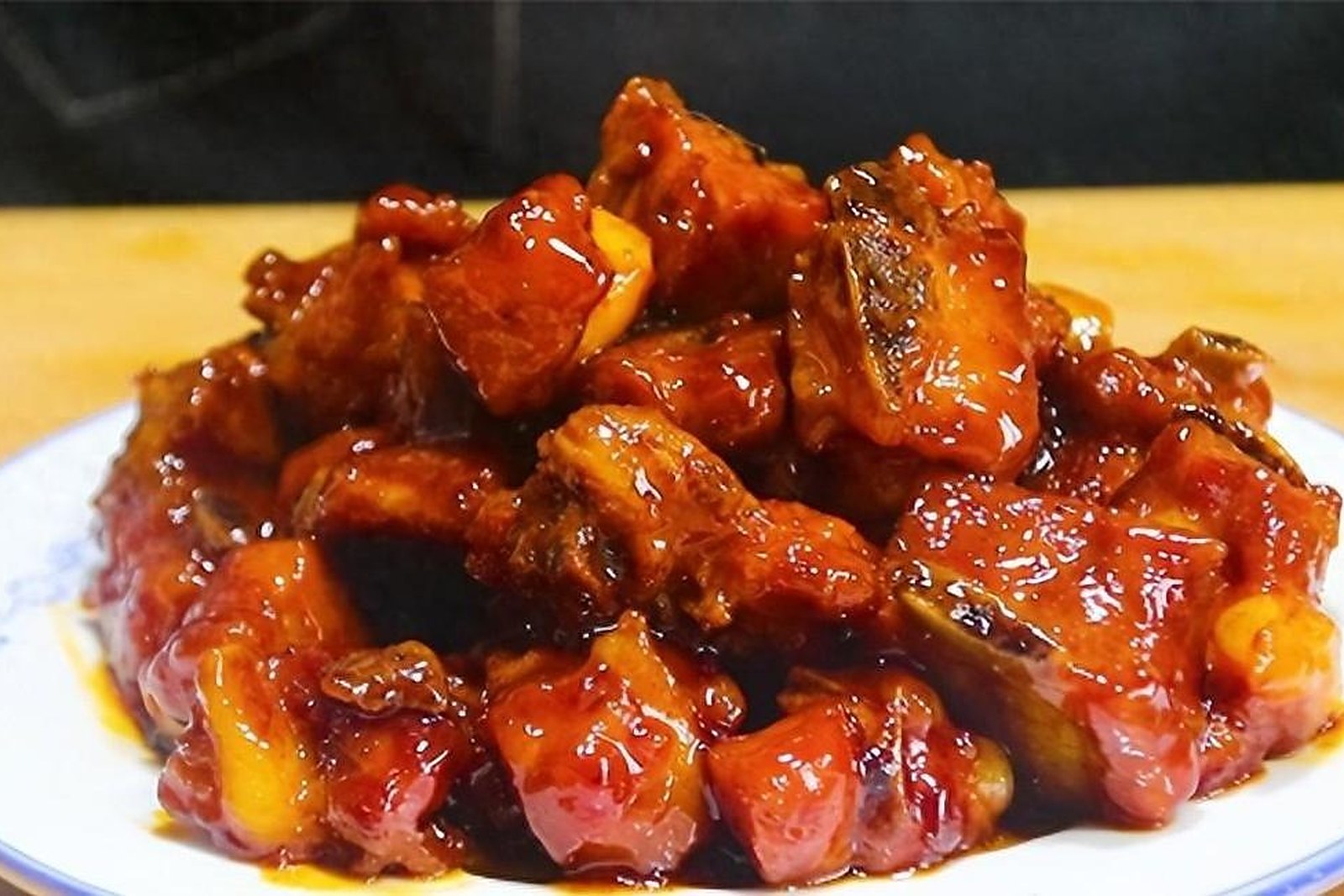
The honest star is the neighbourhood, and the cooking is how it is read. What gets oversold is the “authentic old Shanghai” framing: guides sell a lost-benbang romance, and a first-timer expecting a staged heritage street may meet an ordinary working road of housing blocks and shopfronts – which is not the disappointment but the point. What repays the effort is eating the way the village eats: a benbang room judged by whether the 红烧 hóngshāo red-braise tastes of the family pot rather than the banquet kitchen, a noodle house judged by whether the broth is the same pot at eleven as at seven, a pastry counter judged by whether the neighbours queue without reading the sign. The test costs nothing: order what the table of regulars ordered, sit within earshot of the kitchen, and time the turnover – a road that has cooked for the same housing blocks for generations grades its kitchens nightly by people who could make the dishes themselves (worth confirming the details – the old shops change hands slowly, and the best doors are often the plainest).
The rest of this Yangpu list keeps other tables: the mall food floors and underground food streets of 五角场商圈餐饮 Wǔjiǎochǎng shāngquān cānyǐn Wujiaochang dining stack up at the junction a metro ride northeast, the leafy cafe-and-bistro row of 大学路美食街 Dàxué Lù měishí jiē Daxue Road eats pours under the trees of the innovation district, the warehouse dining rooms of 杨浦滨江餐厅 Yángpǔ bīnjiāng cāntīng Yangpu Riverside dining face the Huangpu off the rust-belt promenade, and the snack lanes of 复旦周边小吃 Fùdàn zhōubiān xiǎochī Fudan student eats run their budget trade along the campus grid – one district, four more tables, all inside 杨浦区 Yángpǔ Qū Yangpu District; and when the village evening needs a bed nearby or a route onward, the stay-and-street notes for the district carry the road from here.
Words and Names
- 控江路家常菜 Kòngjiāng Lù jiācháng cài / Kongjiang Road home cooking · the village road’s home-style eating trade - 控江路 Kòngjiāng Lù / Kongjiang Road · the residential main road that holds it - 工人新村 gōngrén xīncūn / workers’ new villages · the housing blocks the road cooks for - 鞍山新村 Ānshān Xīncūn / Anshan Xincun · the densest eating stretch of the road - 本帮小馆 běnbāng xiǎoguǎn / benbang small rooms · the rich-soy home kitchens - 浓油赤酱 nóngyóu chìjiàng / rich oil, dark soy · the register of the village table - 点心铺 diǎnxīnpù / pastry counter · the tray-measured corner trade - 面馆 miànguǎn / noodle house · the all-day broth doors of the road - 鞍山新村站 Ānshān Xīncūn zhàn / Anshan Xincun station · the Line 8 approach - 杨浦区 Yángpǔ Qū / Yangpu District · the Shanghai district holding the road
What the Locals Know
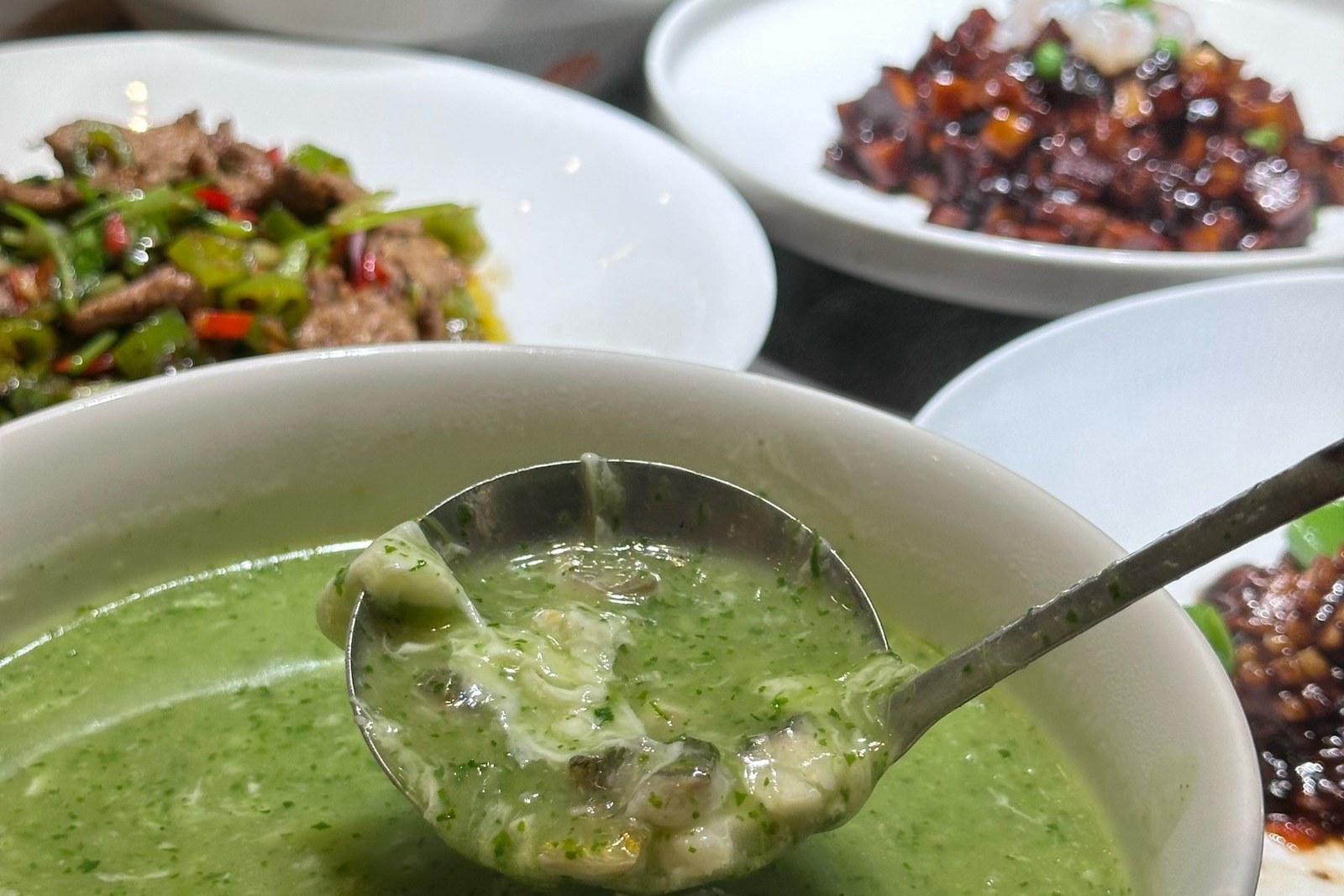
flowcloud would say that the 控江路家常菜 Kòngjiāng Lù jiācháng cài is the workers’ new-village benbang tables, noodle bowls and the neighbourhood eating corridor of Yangpu District, Shanghai – a 浓油赤酱 nóngyóu chìjiàng discipline where the housing blocks’ village clock answers the broth pots and red-braise woks along the road – and that the honest move is to order what the regulars ordered, sit within earshot of the kitchen, and let the turnover cast the vote, because the villages built the customers and the customers built the kitchens. All checked October 2026.
Where to find it: 杨浦区 Yángpǔ Qū Yangpu District, Shanghai – the home-style eating doors along 控江路 Kòngjiāng Lù Kongjiang Road, densest around the 鞍山新村 Ānshān Xīncūn Anshan Xincun stretch of the workers’ new villages, opened directly by 鞍山新村站 Ānshān Xīncūn zhàn on Metro Line 8, where the road keeps the village clock – pastry trays and retiree tables through the morning, family tables through the evening, weekday mid-afternoon the eater’s own (worth confirming the details – which benbang room and which noodle house hold which frontage today, the old doors turning over slowly but surely); noodle-bowl to casual-neighbourhood table money, so call it worth confirming the details rather than a fixed number, and let the regulars’ table cast the vote. Kongjiang Road home cooking is the workers’ new-village benbang tables, noodle bowls and the neighbourhood eating corridor of Yangpu District, Shanghai – the taste of 杨浦区 Yángpǔ Qū Yangpu District eaten where the road cooks like home. All checked October 2026.