
The Aristocrat of Pears: Korla’s Fragrant Fruit, Skin Thin Enough to Let the Light Through
雪水滋根梨自香,一口清甜忘他乡 Xuěshuǐ zī gēn lí zì xiāng, yī kǒu qīngtián wàng tā xiāng – Snow-fed roots give the pear its scent; one crisp bite and home fades away
The Korla fragrant pear Kù’ěrlè Xiānglí is the calling card of 巴音郭楞蒙古自治州 Bāyīnguōléng Měnggǔ Zìzhìzhōu Bayingolin Mongol Autonomous Prefecture: skin thin enough to let light through, a core so small it barely registers, and juice that runs down your wrist with the first bite. The trees drink Peacock River water and Tianshan snowmelt across oasis orchards measured in the hundreds of thousands of mu; fruit starts coming off the trees each September, and once the rail cold-chains start rolling, the pear claims its slot on fruit tables nationwide.
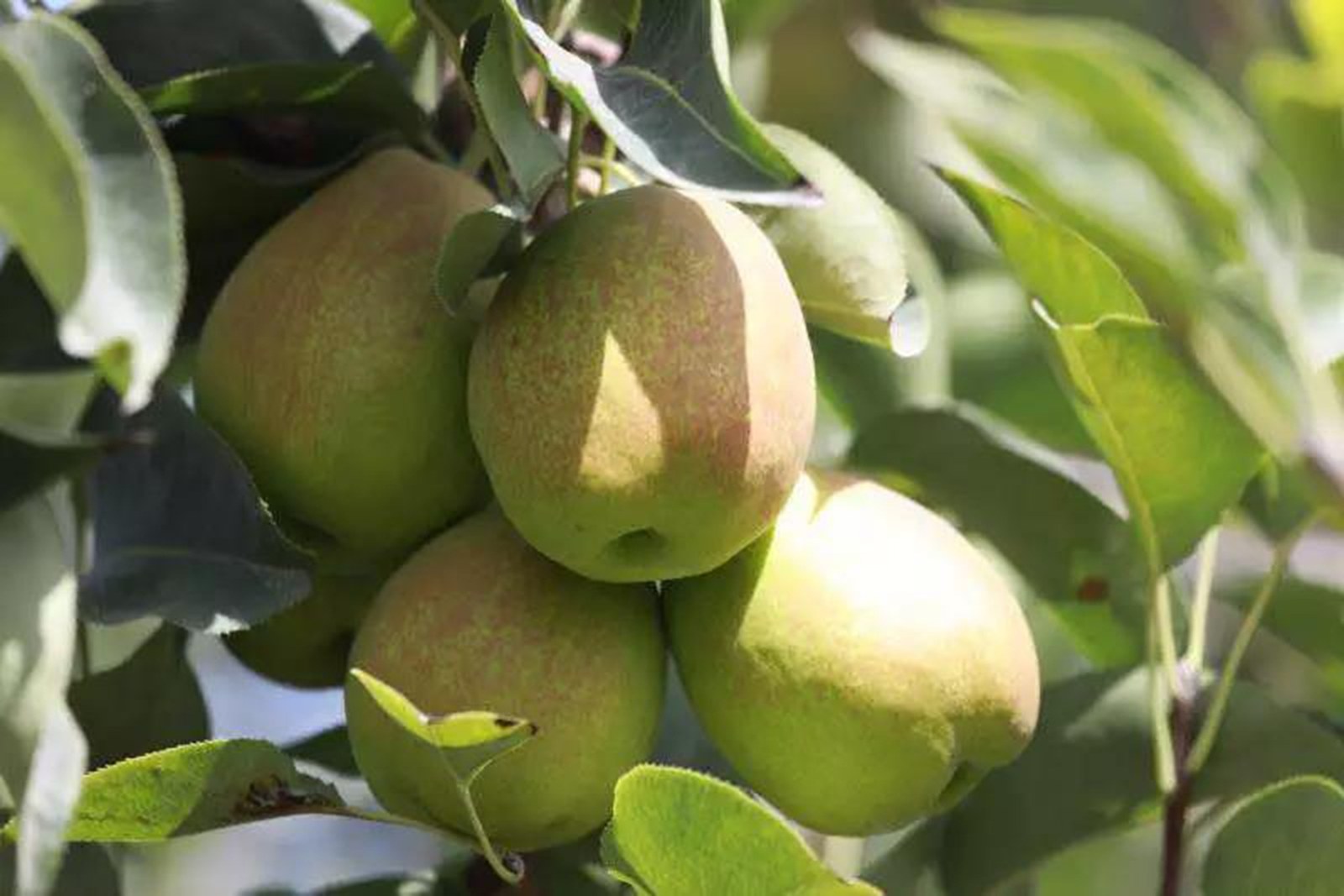
The local picking rhyme has traveled far: check the 「belly button」 – a concave one marks a female pear, sweeter and juicier, while the convex male runs harder and slightly astringent. Look for skin in yellow-green flushed with red, and do not be put off by rough russet dots – on a tree-ripened fruit they are a plus. Growers joke that the pear tests your patience: its sweetness peaks only a few days off the tree, when the sugars finish banking – the impatient, they say, go home with sour ones.
Orchard door sales are a Korla pleasure in themselves. In October the groves on the city’s edge hang heaviest; walk under the trees, pick at will, and the owner weighs in front of you at prices a notch below the city fruit shops. Some gardens keep a few fifty-year-old veterans – trunks propped on wooden posts – purely for visitors’ photographs, and their fruit routinely out-sweets the young rows, which is why the old-tree claim carries real conviction here.
Eating splits into two local camps. The whole-bite camp is after the juice burst – chill the pear, halve it, and scoop with a spoon for the coolest finish to a late-summer afternoon. The steaming camp pairs pear with rock sugar for a throat-soothing dessert, the home version of the classic pear-syrup remedy. In autumn the farm kitchens by the orchards pour pear soup alongside grilled lamb – one cooling, one blazing, on the same table, a small oasis joke.
Storage and travel favor the visitor: foam nets and a carton keep the fruit two weeks at room temperature, a month or two refrigerated. In season the couriers queue at the orchard gates and a box ships within a day, its fragrance arriving before you do. One caution – the pear hates compression, so growers pad layer by layer; carry yours lying flat, never bagged upright under heavier luggage.
Beyond fresh fruit, the same 巴音郭楞蒙古自治州 Bāyīnguōléng Měnggǔ Zìzhìzhōu Bayingolin Mongol Autonomous Prefecture holds other flavors: 博斯腾湖鱼 Bósīténg Hú Yú Bosten Lake fish, 若羌灰枣 Ruòqiāng Huīzǎo Ruoqiang grey jujube, 罗布羊烤肉 Luóbù Yáng kǎoròu Lop sheep roast, and 胡杨菇炖鸡 Húyáng Gū dùnjī poplar mushroom chicken – four more doors into the same 巴音郭楞蒙古自治州 Bāyīnguōléng Měnggǔ Zìzhìzhōu Bayingolin Mongol Autonomous Prefecture. With the sweet pear settled, our Bazhou travel map fills the day.
The industry ledger is worth knowing: the Korla pear is a national geographical-indication product, graded strictly, with exports to Europe and America growing year by year. Water-saving drip lines and blossom-and-fruit thinning are standard across the groves – a tree keeps only so many fruit, and growers call the discipline 「less but better」: a tree, like a person, does worse when overloaded.
The pear culture festival opens every autumn: orchard adoption, eating contests, and fruit auctions turn the town half-holiday. Miss it and nothing is lost – walk into any orchard and the first pear the owner hands over is the welcome speech.
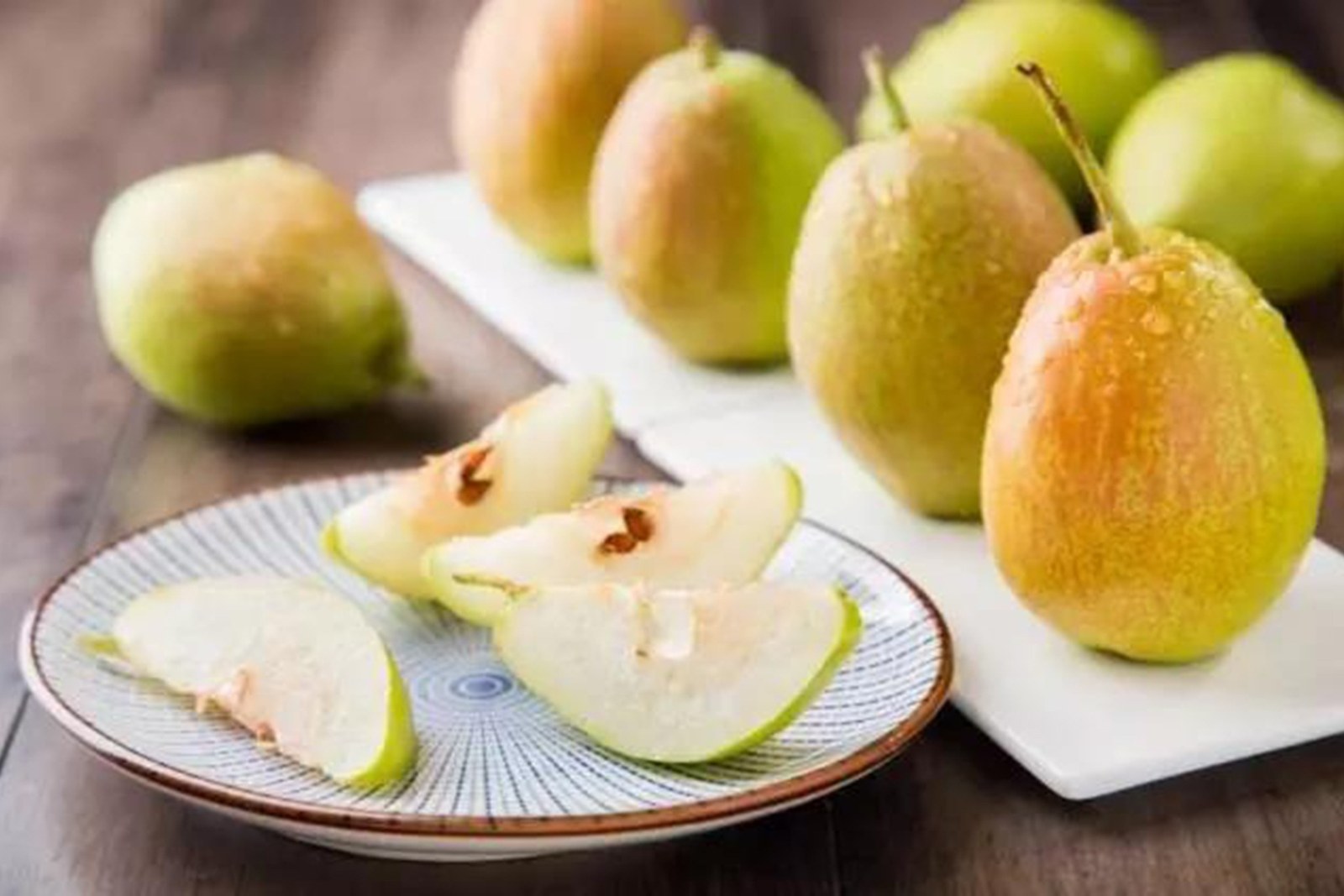
For the ultimate version, come at dawn: night chill still beads the skin, a wipe on the sleeve is all the prep, and crisp, cool, and sweet arrive together. Growers say the dawn fruit 「still carries the night’s words」 – a cool thread under the sweetness that cold storage never reproduces.
Blossom season is Korla’s spring headline: in mid-April the orchards whiten all at once like a snowfall, and visitors with cameras refuse to leave. The window lasts barely ten days, and growers race it to hand-pollinate and thin – every flower is a position for an autumn pear. See the bloom before you eat the fruit, and the pear earns a second layer of respect.
Orchard management is meticulous to the point of theatre: insect bags, branch props, harvest graded by fruit diameter – a single tree passes five pairs of hands. Yet the thirty-year veterans deliver steadiest, and growers shrug that a tree past its young fire spends all its strength on the fruit.
Processing keeps pace: pear syrup, juice, and freeze-dried slices fill supermarket shelves, and the company-plus-grower model gives sub-grade fruit an outlet. Travelers favor the freeze-dried slices – light, durable, and rehydrated into an instant pear soup, the smart desk-gift choice.
Korla airport’s cargo terminal reserves belly space for the pear in season: picked in the morning, flying by night, and tasting tree-fresh in first-tier cities the next day. Behind it runs the cold-chain sorting line – pre-cooling, grading, and packing done within twelve hours of leaving the branch.
The best pairing is a settled consensus: brick tea against the sweetness, grilled lamb against the salt, pilaf against the oil. Korla hospitality is blunt – a plate of sliced pear always sits on the table, and a guest who never touches it leaves the host convinced he failed somehow.
Words and Names
What the Locals Know
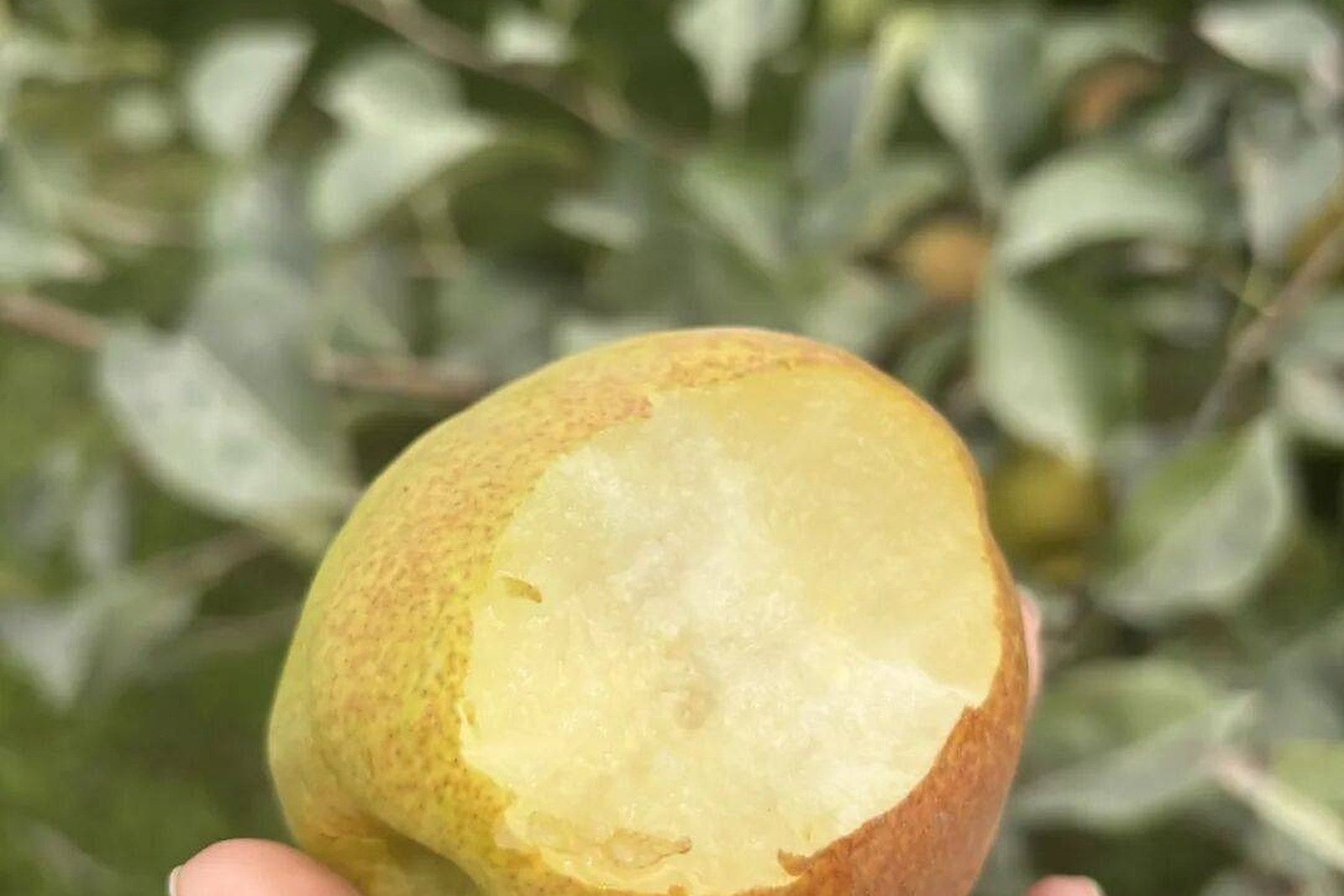
flowcloud would say the Korla pear is the oasis’s diplomacy: snow water in, sweetness out, and every visitor leaves with a box they swear they will not finish on the train. All checked November 2026.
Where to find it: The Korla wholesale fruit market and the roadside orchards are the first-hand sources; look for the 「Korla Pear」 geographical-indication mark and origin code on the box. For picking, contact the Yingxia Township orchards directly – most owners haggle gladly and teach the belly-button test. All checked November 2026.