
Kumis, the Fermented Mare’s Milk: Kizilsu’s Summer Drink of Welcome
皮囊酿奶香,一碗敬远方 Pínáng niàng nǎixiāng, yī wǎn jìng yuǎnfāng – The hide vessel brews its milky fragrance; one bowl salutes the far road
Kumis Mǎnǎijiǔ – fermented mare’s milk – is the drink that defines Kyrgyz hospitality on the grasslands of 克孜勒苏柯尔克孜自治州 Kèzīlèsū Kē’ěrkèzī Zìzhìzhōu Kizilsu Kirghiz Autonomous Prefecture, where every summer pasture household between Aheqi and the high basins keeps a skin or vat of it working from June to September. The taste is unlike anything in a city refrigerator: tart, faintly fizzy, milky-sweet underneath, with a warmth that arrives only after the glass is down. First-time visitors grimace on the second sip and ask for a refill by the fourth – kumis is an acquired taste with one of the fastest acquisition curves in food.
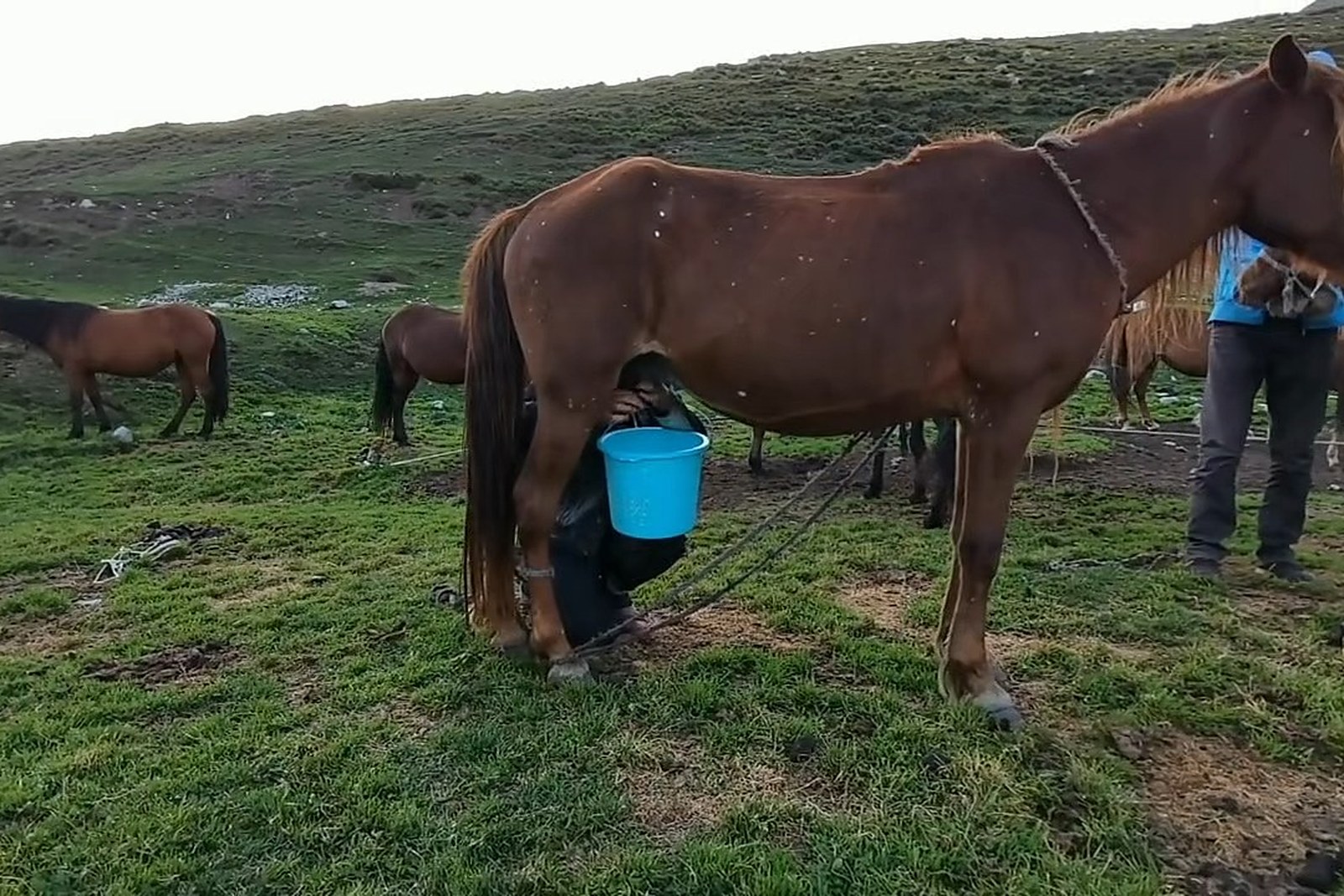
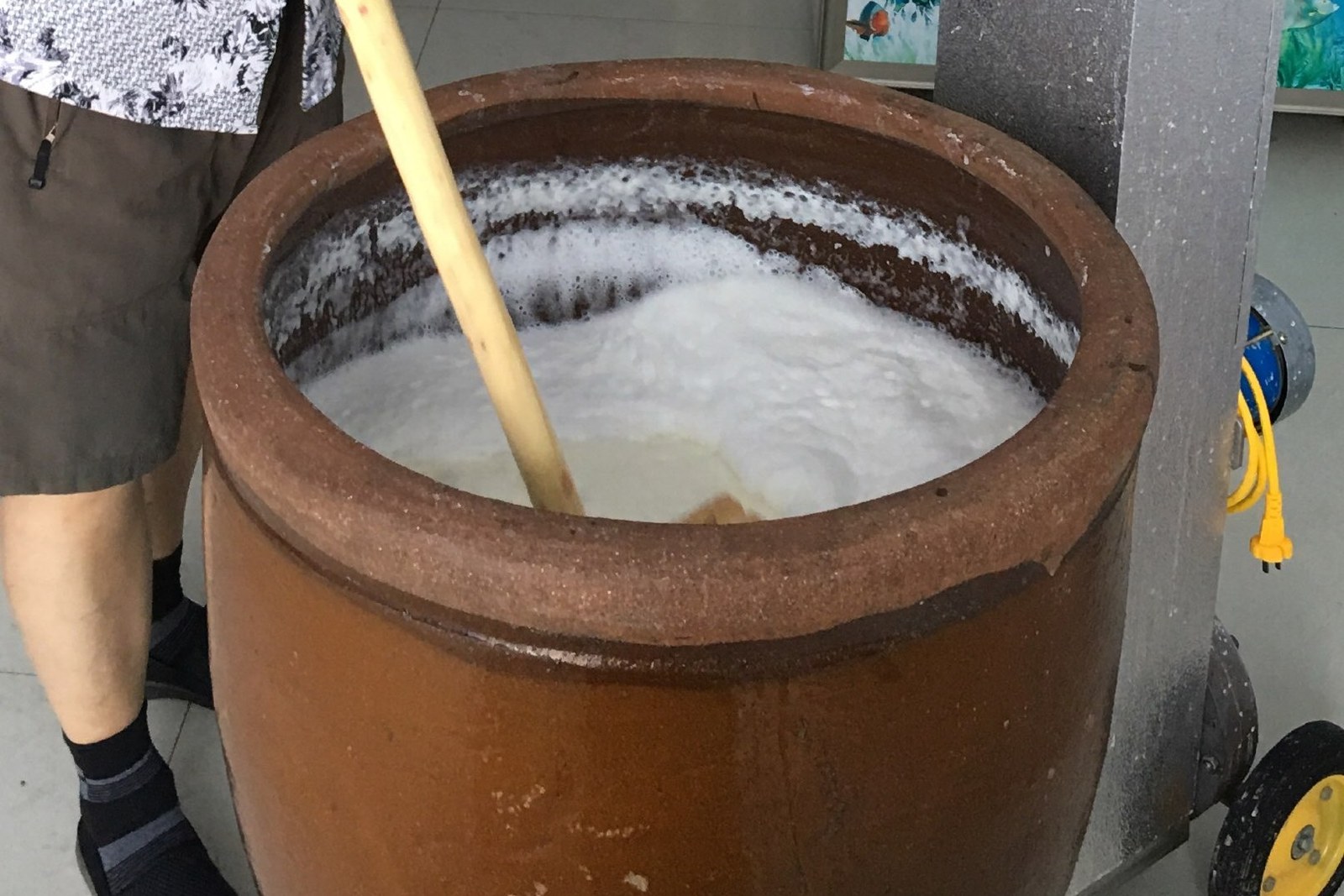
The brewing is daily, domestic and physical. Milking mares is dawn and dusk work – a mare gives a couple of litres at a time and only to her own foal’s stirrings nearby – and each fresh milking joins the vessel, where wild yeasts and lactobacilli do the work over hours. The brew must be agitated constantly: the long wooden plunger, the slosh of the hide vessel, the stir before every pouring. Well-made kumis runs mildly alcoholic – around one or two percent, never more – and its fizz is live; the drink keeps working in the bottle, which is why it is never sold far from where it is made.
Beyond the milk, the same 克孜勒苏柯尔克孜自治州 Kèzīlèsū Kē’ěrkèzī Zìzhìzhōu Kizilsu Kirghiz Autonomous Prefecture holds other flavors: 阿图什无花果 Ātúshí Wúhuāguǒ Atush fig, 巴仁杏 Bārén Xìng Baren apricot, 柯尔克孜纳仁 Kē’ěrkèzī Nàrén Kyrgyz naren, and 乌恰牦牛 Wūqià Máoniú Wuqia yak – four more doors into the same 克孜勒苏柯尔克孜自治州 Kèzīlèsū Kē’ěrkèzī Zìzhìzhōu Kizilsu Kirghiz Autonomous Prefecture. With the kumis settled, our Kizilsu travel map fills the day.
The etiquette of drinking kumis carries the culture. The first bowl is poured by the host and offered standing or with both hands; refusing it entirely is a wound, so travellers who truly cannot should accept, touch the lips, and say so honestly – the gesture registers. Bowls go around in rounds, and the talk between rounds is the point: pasture news, horse bloodlines, the price of lambs, the roads over the pass. Summer visitors describe afternoons spent in yurts where the kumis bowl circulated for hours, the conversation outlasting the afternoon sun by a wide margin.
Health lore here is old and confident. Pasture households treat kumis as food and medicine in one – a summer tonic for digestion, a strength-restorer for the tired, the first thing offered to a guest who has ridden far. The science is friendlier than folklore usually is: live cultures, B vitamins, and an electrolyte profile that genuinely helps at altitude. Visitors should still pace themselves – the fizziness tempts fast drinking, and a litre of live fermented milk announces itself to any stomach new to it.
Finding the real thing is a geography exercise. Town shops bottle a pasteurised, still version that tastes of the idea rather than the drink; the true article only lives within reach of mares, which means the Aheqi pastures, the festival grounds, and the yurt camps that host summer travellers. Those places pour it fresh, agitated that morning, cold from the vessel – and once tasted there, the bottled version reads like a postcard of a mountain you have actually stood on.
Words and Names
What the Locals Know
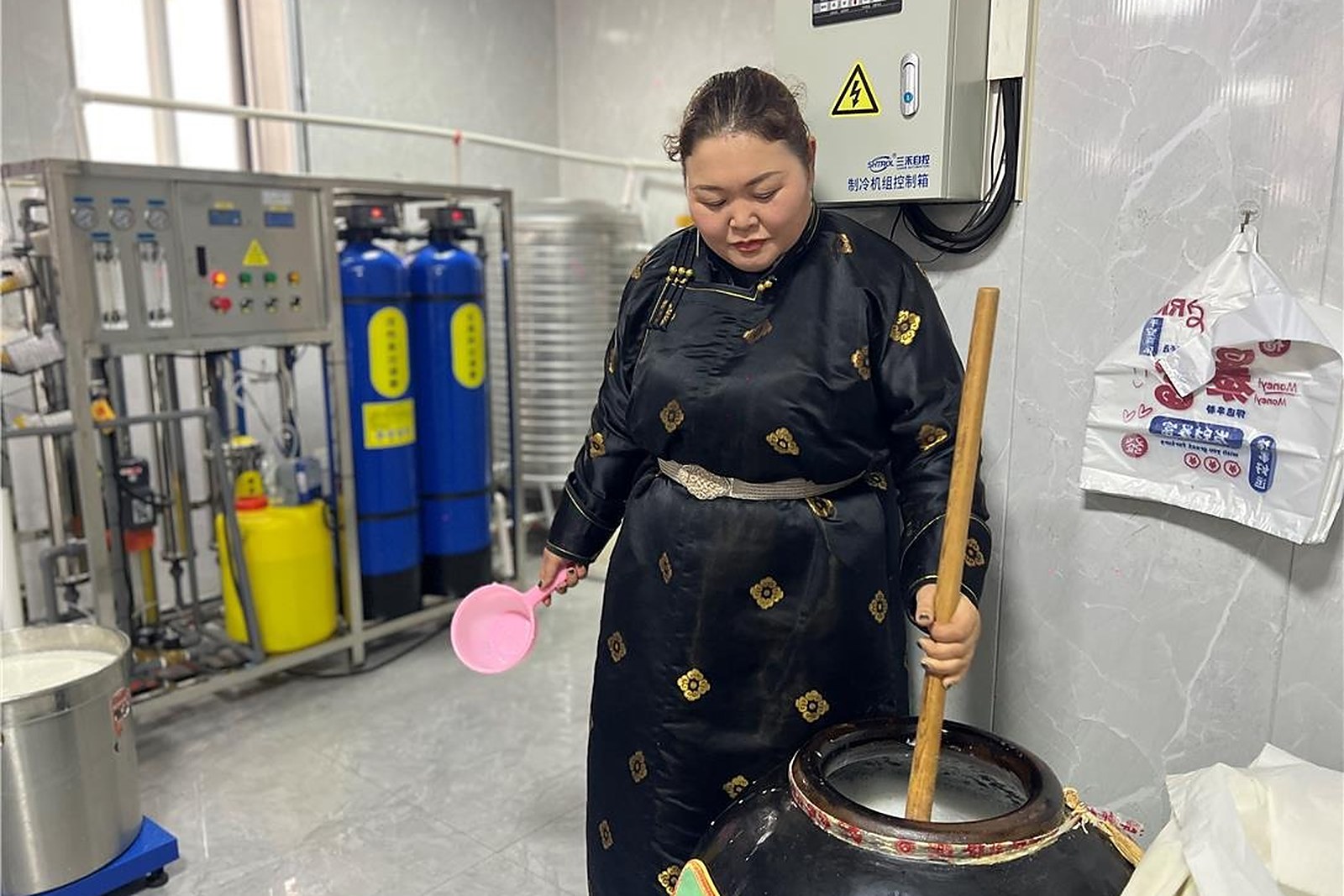
flowcloud would say kumis is the pasture’s clock: stirred every day, poured every visit, sour and bright and faintly fizzing – a drink that measures hospitality in rounds, not glasses, and turns strangers into afternoon-long relatives. All checked November 2026.
Where to find it: Accept the first bowl offered in any Aheqi yurt camp or summer pasture household between June and September – the fresh, stirred, still-working version; in towns, look only for the coldest local bottles and judge them kindly. All checked November 2026.