
Braised to Mush, Loved to the Last Grain: Lanhu Shansi
一勺鳝糊浇热饭,浓油赤酱是湖州 Yī sháo shànhú jiāo rèfàn, nóng yóu chì jiàng shì Húzhōu – One ladle of eel stew over hot rice; rich oil and dark sauce, that is Huzhou
烂糊鳝丝 lànhú shànsī is Huzhou’s proudest home-kitchen dish, and its name says the method out loud: 烂糊 lànhú “braised to mush” – river eel shredded and cooked down slowly with garlic, ginger and a heavy hand of oil and soy until the sauce turns glossy, the shreds go velvet-soft, and the whole thing half-dissolves into itself. It is the dish Huzhou orders when it wants to feel at home: spooned over hot rice, the sauce flooding the grains, garlic counts as a vegetable, and no one at the table is in a hurry.
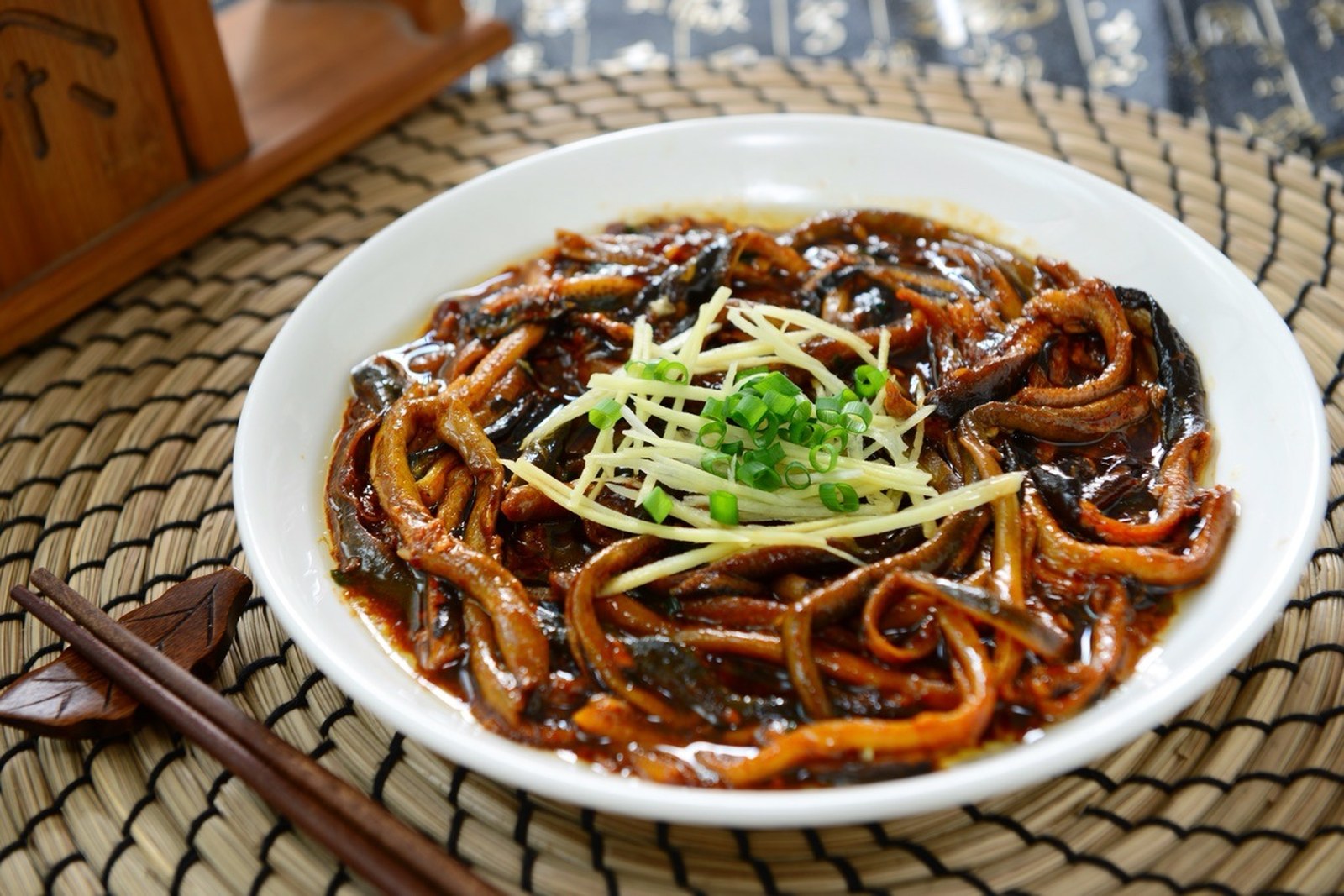
The eel are the small river kind – slim, bone-in, full of flavor – skinned and shredded by hand, then fried hard to take color before the braise. The slow half hour is where the dish happens: the shreds give up their chew, the soy and sugar turn brick-dark, and a final rain of white pepper and scallion goes on at the very end.
The serving is deliberately rustic: a deep bowl of the dark mass, a pot of rice beside it, and the table does the rest – each spoonful pressed into the rice, the sauce managed to the last grain. Restaurants argue the recipe’s borders (some add bamboo shoots, some a splash of vinegar), but the constants are oil, patience and enough garlic to keep the table’s conversation honest.
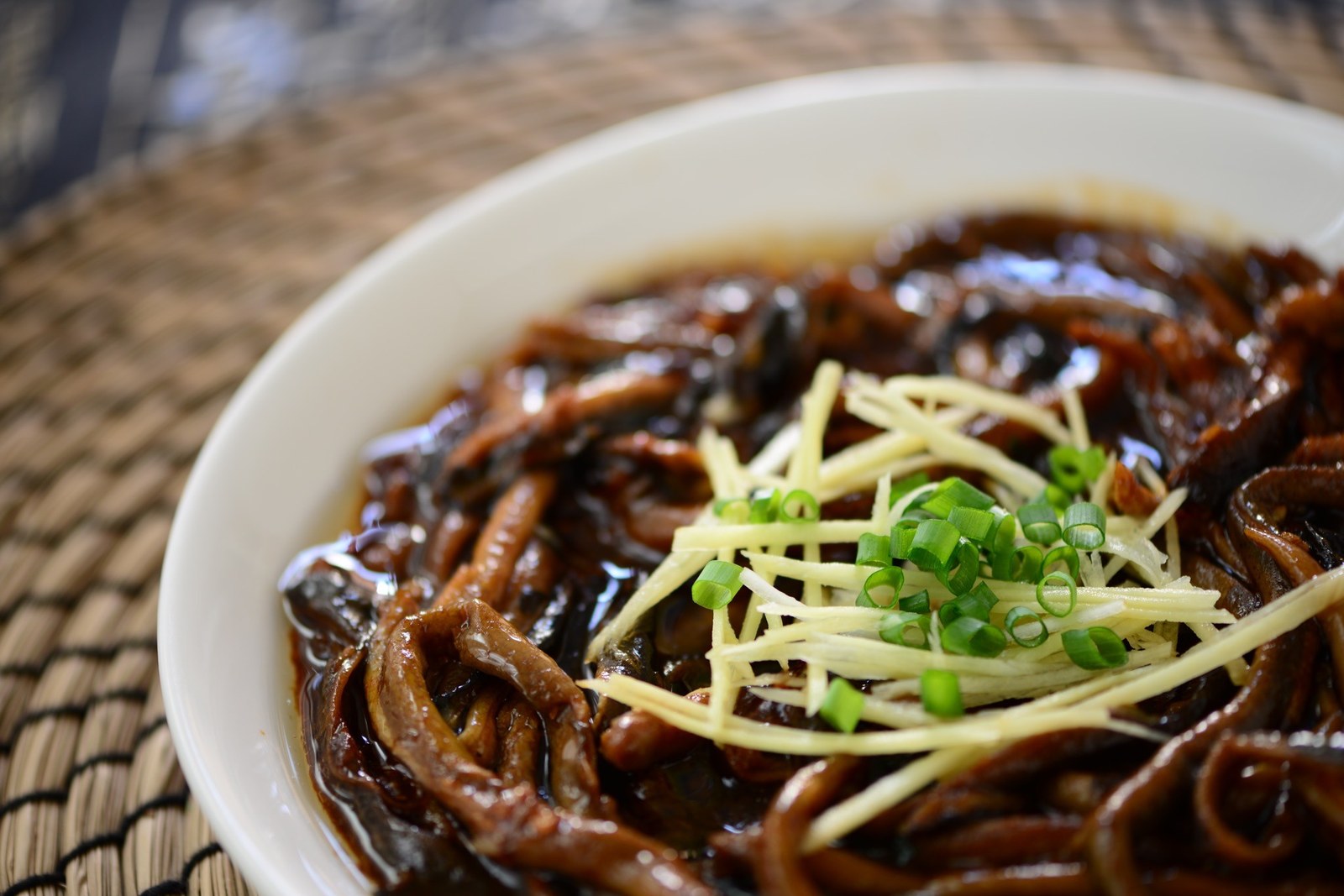
Eel season runs warm months, but Huzhou eats the dish year-round – the old restaurants around 衣裳街 Yīshang Jiē Yichang Street and the neighborhood eateries keep it on the winter menu too, ladled thicker over rice congee for the cold mornings. It pairs naturally with a small cup of local huangjiu and an argument about whose grandmother made it best.
The same city holds more flavors worth chasing: 千张包子 qiānzhāng bāozi the tofu-skin buns, 湖州粽子 Húzhōu zòngzi the pillow rice dumplings, 太湖蟹 Tàihú xiè the autumn crab, or 安吉竹笋 Ānjí zhúsǔn the bamboo-shoot banquet – four more doors into the same 湖州市 Húzhōu Shì Huzhou City table.
Words and Names
烂糊 lànhú “braised to mush”, the dish’s method and name; 鳝丝 shànsī eel shreds, the hand-cut base; 浓油赤酱 nóng yóu chì jiàng “rich oil, dark sauce”, the Jiangnan flavor school; 盖饭 gàifàn the over-rice serving, the standard form; 黄酒 huángjiǔ huangjiu rice wine, the companion pour.
What the Locals Know
Ask for the rice separate and press the stew in yourself – pre-poured versions go soggy at the bottom. The best bowls come from kitchens that shred the eel daily, not from pre-cut supply. And the white pepper goes on at the table, last thing: it lifts the sauce without sweetening it.
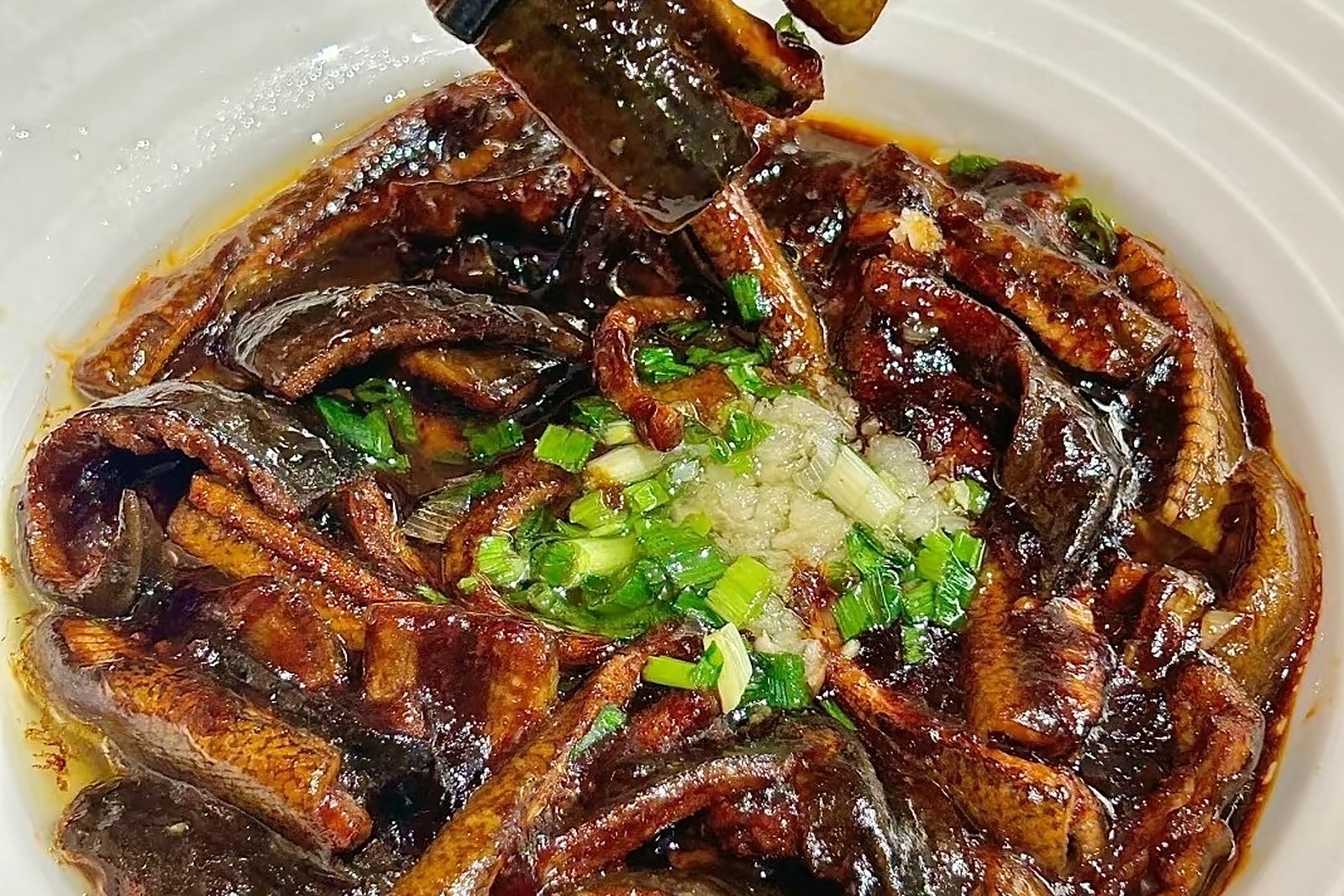
flowcloud would say a bowl of lanhu shansi is Huzhou cooking down its own definition: take something slippery, cook it until it surrenders, and pour the result over the plainest possible rice – comfort, at this address, is measured in ladles. All checked November 2026.
Where to find it: Old-town restaurants and neighborhood eateries around 湖州市 Húzhōu Shì Huzhou City keep the dish on all day – twenty to forty yuan a bowl over rice, the shreds must go velvet not rubbery, and the sauce-to-rice ratio is the table’s own religion. All checked November 2026.