
Two Organs, One Fire: Laobaoer
肝腰同锅火候急,青椒一点芡色深 Gān yāo tóng guō huǒhòu jí, qīngjiāo yīdiǎn qiàn sè shēn – Liver and kidney share one hurried wok; a touch of green pepper in the deep lacquer of the glaze
老爆二 lǎobào’èr Laobaoer is the 天津市河北区 Tiānjīn Shì Héběi Qū Hebei District lunch-counter legend – pork liver and pork kidney, sliced thin, thrown into a roaring wok with scallion, garlic and a slick of dark glaze, and out again before either organ has time to think. The 老 lǎo “old” in the name is affection, not age: it marks the dish as the old faithful of the 爆 bào stir-fry family, the two-organ version that the three-organ 爆三样 bàosānyàng built upon.
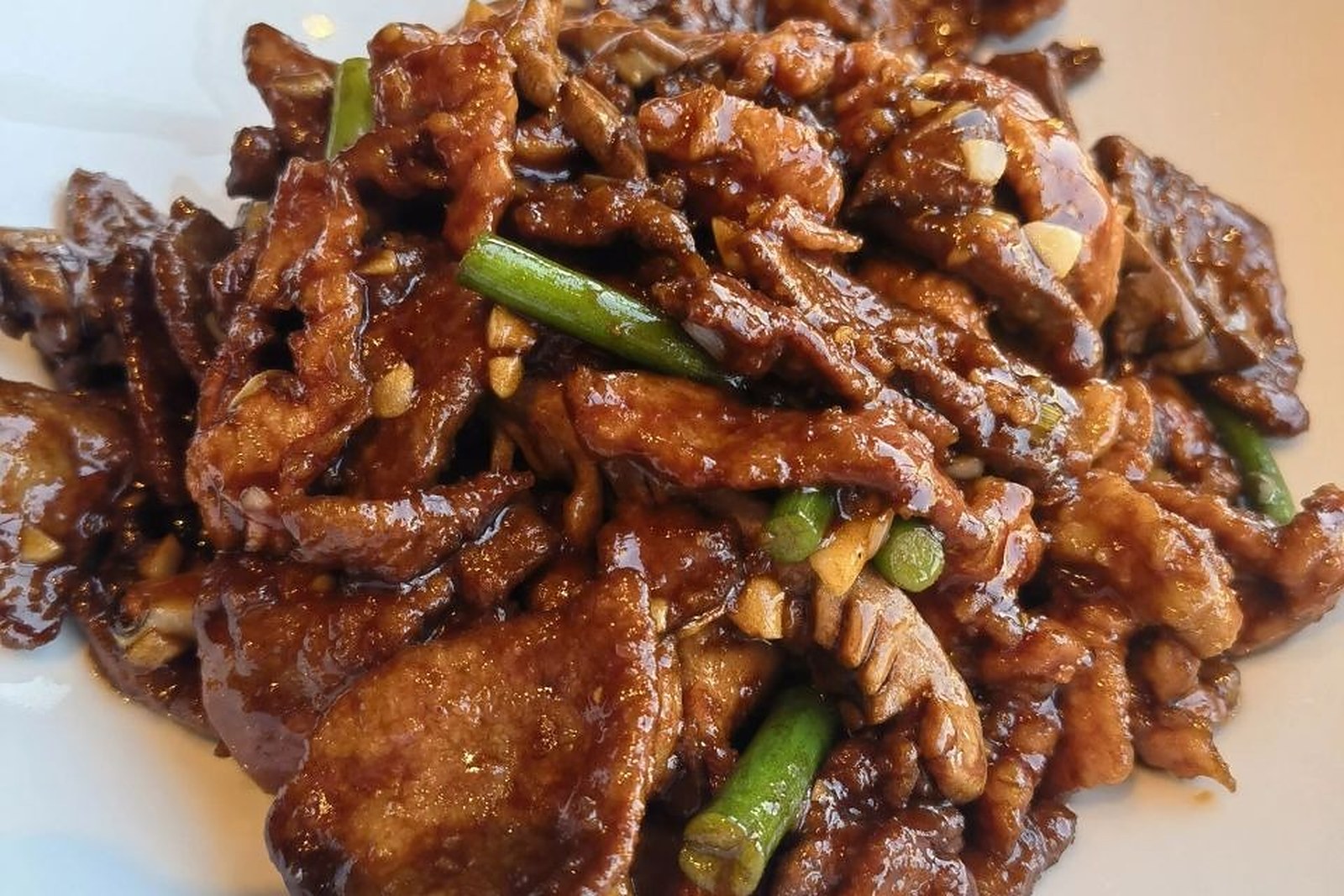
The craft is timing. Liver turns rubbery at the count of ten past done; kidney turns to rubber one count sooner. The Tianjin answer is a wok at full scream, a starch dress on both organs, and a glaze of soy, vinegar and stock that lands at the same second the meat does – everything finished in one continuous clatter. The result should smell sharp, taste round, and leave the plate glossy, not pooled.
The dish belongs to the lunch hour. around 中山路 Zhōngshān Lù and the district’s working streets, the lunch counters that keep laobaoer on a handwritten card serve it over rice or beside 馒头 mántou steamed buns, and the regulars judge the kitchen by the kidney’s cross-hatch bloom – properly cut, it flowers in the wok and stays tender to the last piece. Add the green pepper for crunch or skip it; both schools are old enough to have opinions.
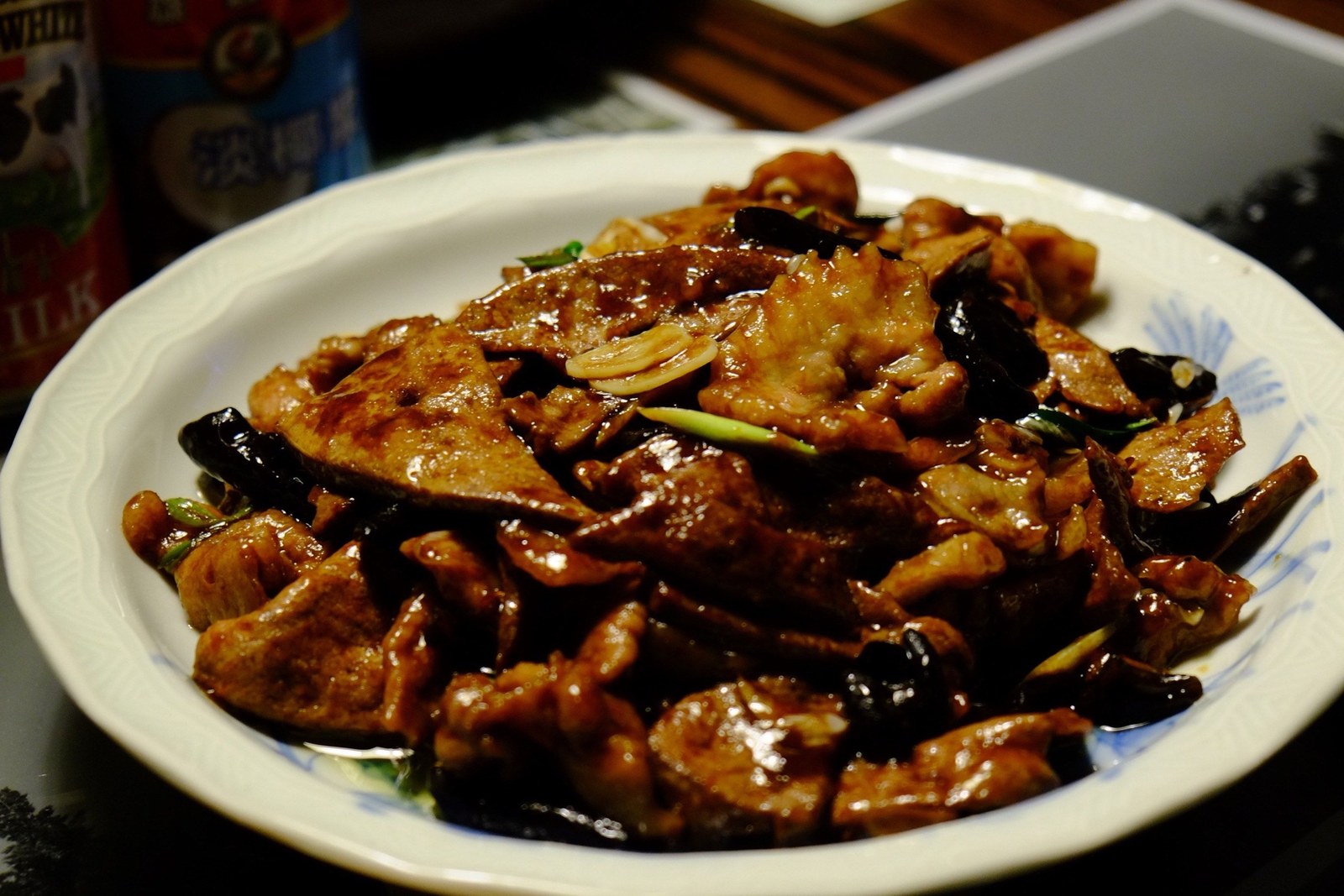
Eat it as the wok-fire dish of the table – it announces the kitchen the way a headline announces a paper. Price sits at the bottom of the card, portion at the top of the plate, and the best compliment a Tianjin table pays is ordering a second round before the first is finished.
The same district holds more flavors worth chasing: 罾蹦鲤鱼 zēngbèng lǐyú the scale-crisp carp, 锅塌里脊 guōtā lǐjǐ the egg-wrapped tenderloin, 四大扒 sìdà bā the Four Great Braises, or 茶汤 chátāng the millet paste from the dragon urn – four more doors into the same Hebei District table.
Words and Names
老爆二 lǎobào’èr laobaoer, the old two-organ stir-fry; 爆 bào the high-flame flash-fry; 爆三样 bàosānyàng the three-organ upgrade; 肝 gān liver; 腰 yāo kidney, cross-hatched to bloom in the wok.
What the Locals Know
Offal waits for no one – the dish should reach the table still hissing, and the glaze should coat rather than drown. Locals read a kitchen by its kidney work: cross-hatched, bloomed, tender. If the liver eats rubbery, the wok was crowded, and the fix is ordering less, not more. All checked November 2026.
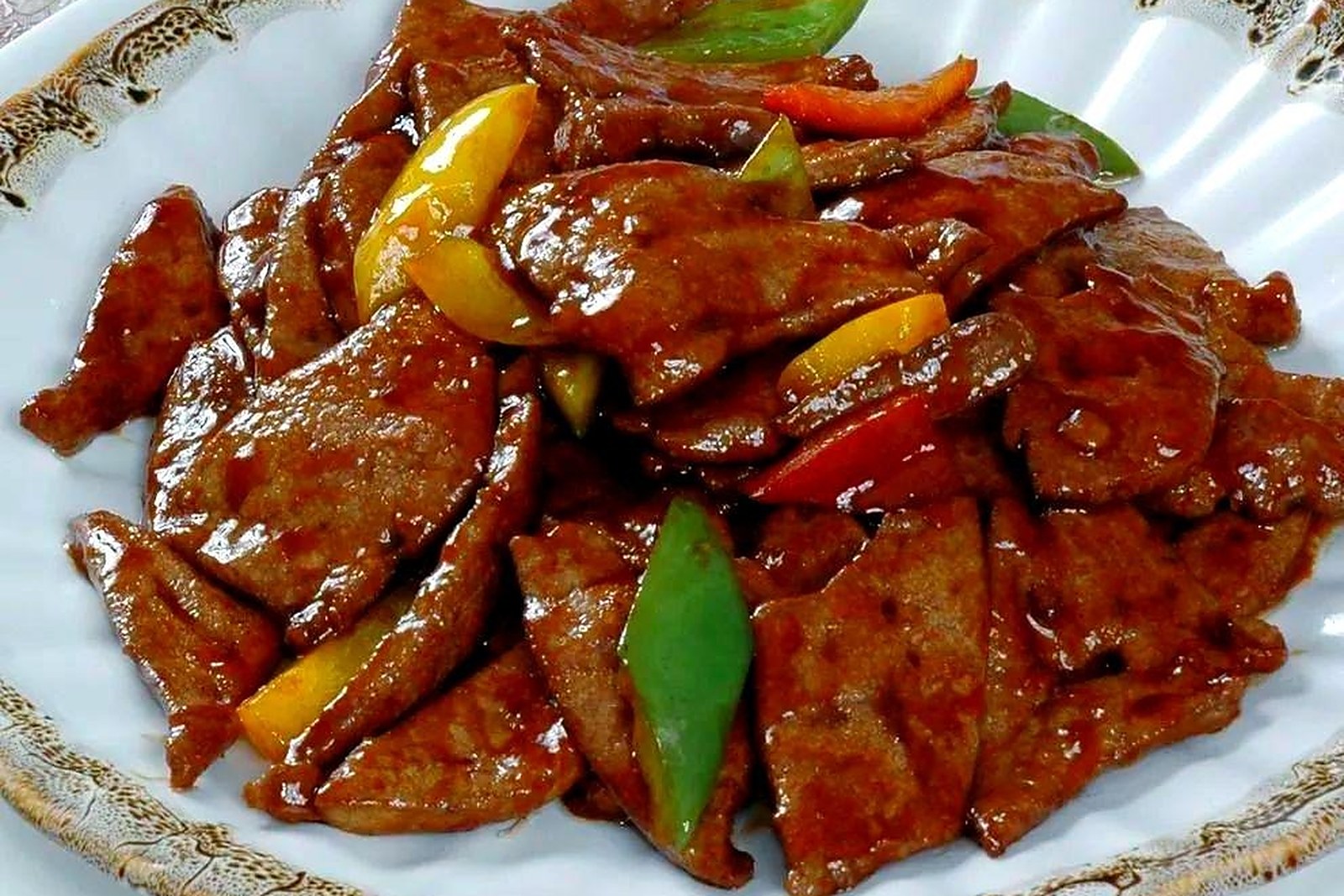
flowcloud would say laobaoer is the working lunch set to music: two organs, one fire, no rehearsal – the cheapest cut on the card played like a solo.
Where to find it: The lunch counters and neighborhood 副食 fùshí restaurants around 天津市河北区 Tiānjīn Shì Héběi Qū Hebei District keep laobaoer on the everyday card – order it by name and eat it first, while the wok is still arguing. All checked November 2026.