
Smoke Over the Old Street: Jiang Family’s Lao Erwei
一炉果木熏肉兔,香透芦台老街深 Yī lú guǒmù xūn ròu tù, xiāng tòu Lútái lǎo jiē shēn – One fruitwood smoker for meat and rabbit; the aroma soaks deep through Lutai’s old streets
老二位熏肉 Lǎo èrwèi xūnròu is the smoke-shop name Lutai queues for in 天津市宁河区 Tiānjīn Shì Nínghé Qū Ninghe District – the Jiang family’s old-flavor counter where pork bellies and whole rabbits come out of a fruitwood smoker mahogany-dark, sliced by weight and wrapped in paper while the queue debates thighs versus belly. This is the town’s takeaway meat: breakfast slices in steamed buns, banquet cold plates, and the boxes families carry home for New Year.
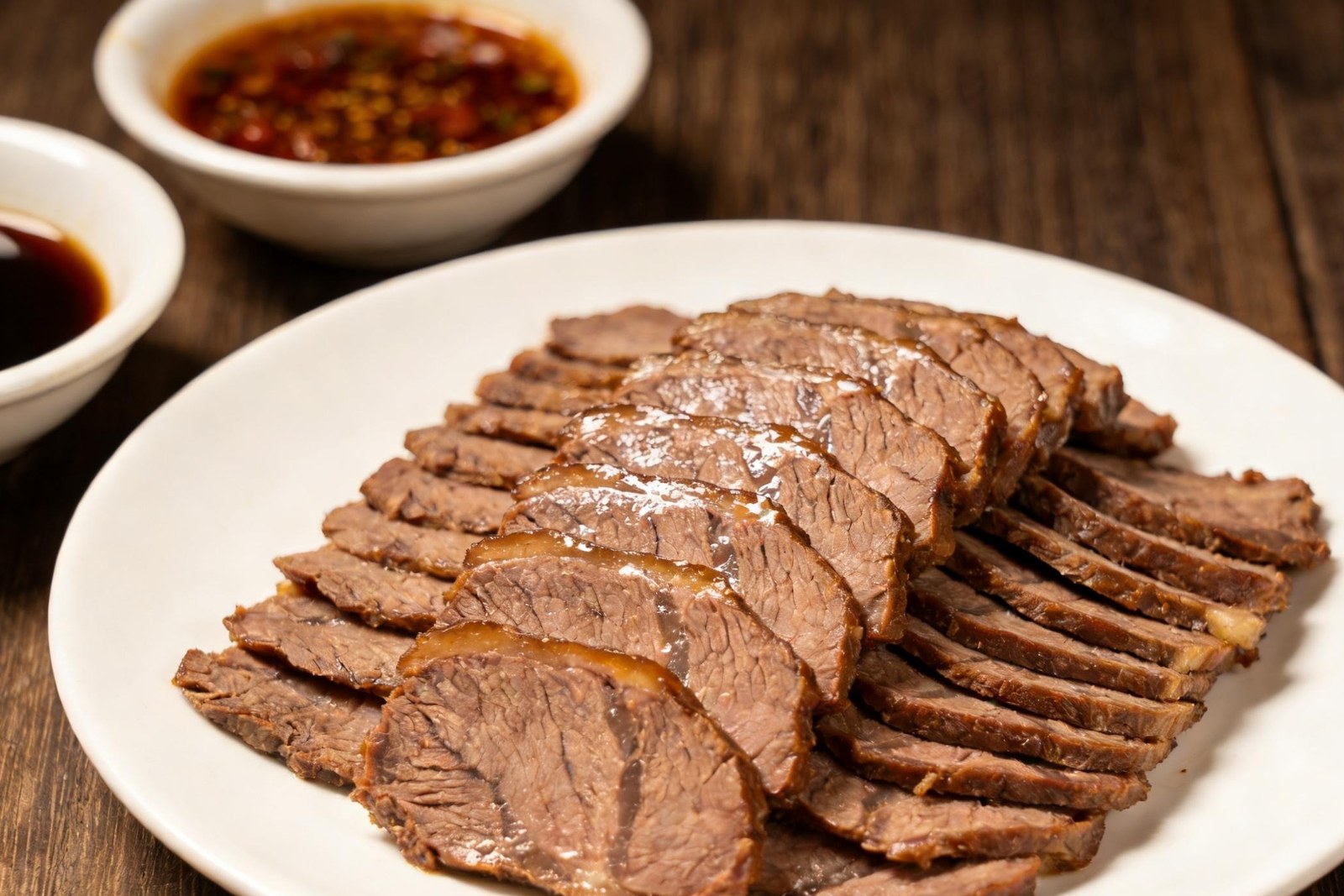
The craft runs two stages. Meat cures first – salt, spice, a night in the brine – then goes over smoldering fruitwood with a dusting of sugar for color, the smoke doing in hours what sauce cannot fake. The rabbit is the connoisseur’s cut, smoked until the meat pulls in soft pink threads; the belly is the crowd’s, fat rendered glassy under a bark the color of old lacquer.
The counter keeps old habits. Prices run by the jin and the scale sits in view; regulars call their cut from the street and it is wrapped by the time they reach the board. Slices go home for the dinner table, but the shop’s best selling hour is morning, when smoked slices fold into hot mantou and the day’s first batch never reaches afternoon.
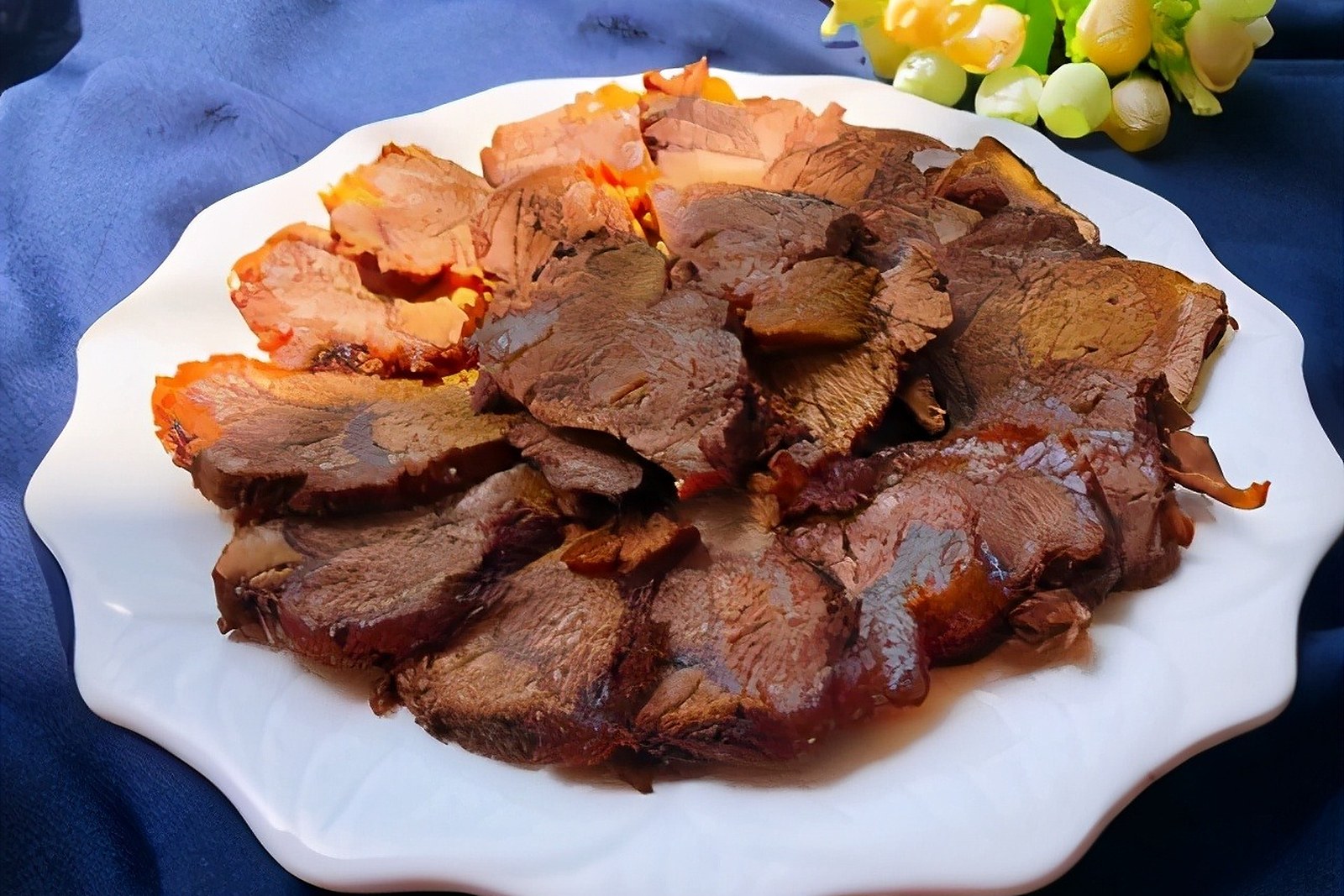
The smoke table anchors the Ninghe feast. Cold plates of smoked rabbit open the banquet courses, the eight-bowl village dinners call for sliced smoked pork alongside, and festival gift boxes travel to relatives in Tianjin city the way other counties send fruit. Old flavor is the brand’s whole argument – the Jiang family smokes the way the town remembers, and the town keeps the queue to prove it.
The same 天津市宁河区 Tiānjīn Shì Nínghé Qū Ninghe District holds more flavors worth chasing: 七里海河蟹 Qīlǐhǎi héxiè the river crab of the marsh, 七里海河蟹面 Qīlǐhǎi héxiè miàn the crab-roe noodles, 芦台春酒 Lútái Chūn jiǔ the district’s house spirit, or 杨泗八大碗 Yángsì bādà wǎn the village feast of eight bowls – four more doors into the same Ninghe table.
Words and Names
熏肉 xūnròu smoked meat, the counter’s calling card; 熏兔 xūn tù the smoked rabbit, the connoisseur’s cut; 果木 guǒmù the fruitwood that feeds the smoke; 老味 lǎo wèi the old flavor, a brand’s whole promise; 按斤卖 àn jīn mài sold by the jin, scale in plain sight.
What the Locals Know
The color is the receipt – a proper smoke runs mahogany, never black, and a black bark means the sugar burned, which locals forgive once. Ask for the belly’s middle band, where fat and lean stack in even layers, and the cutter knows you are a regular. And never buy for the freezer: the smoke fades in a week, which is why the queue repeats every morning. All checked November 2026.
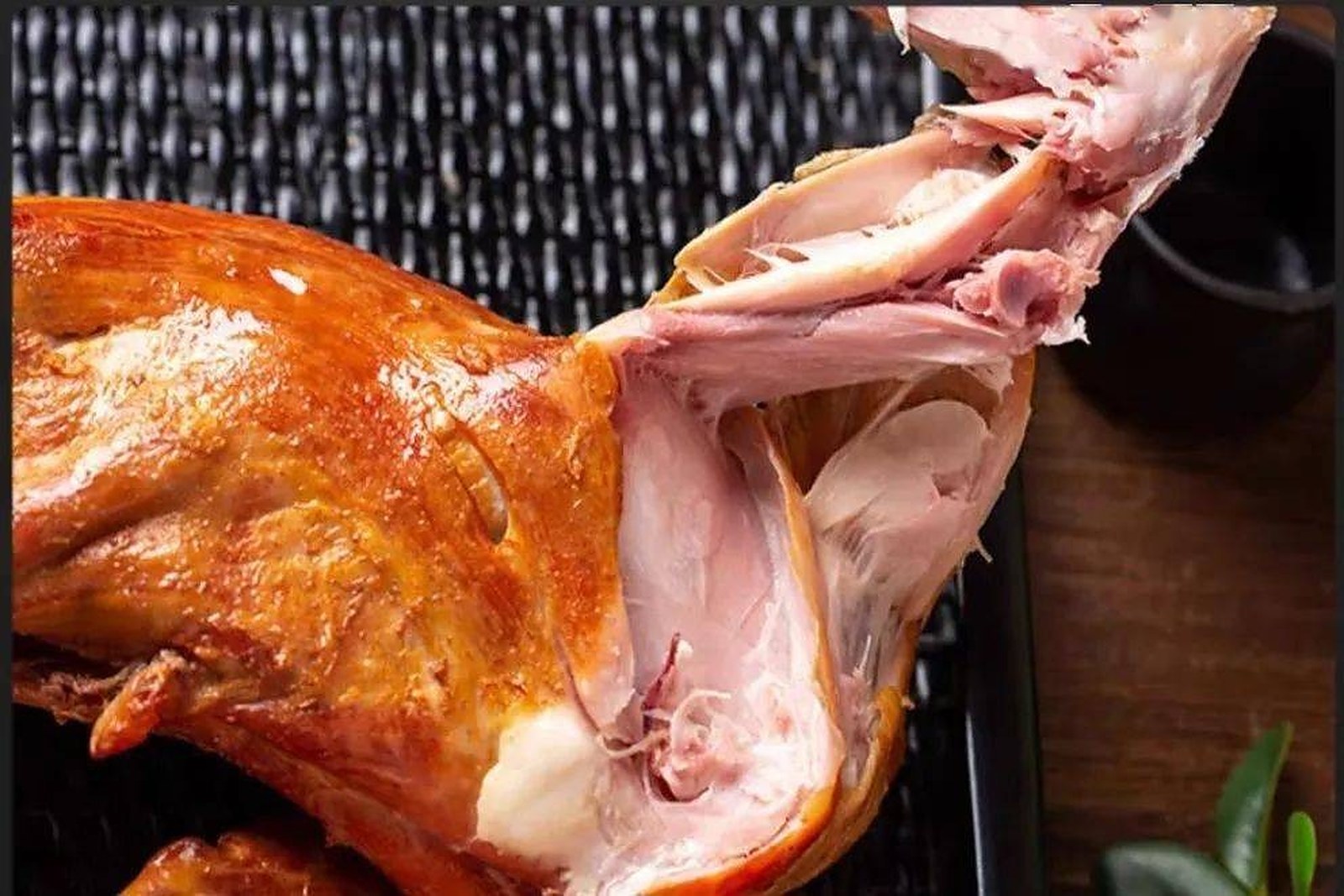
flowcloud would say Lao Erwei is Lutai’s smoke memory: fruitwood, sugar, a copper-dark rabbit, and a queue that starts before the wrapper comes off the morning batch.
Where to find it: The Jiang family counter in Lutai is the origin shop, and the town’s markets carry wrapped portions of the same smoke through the week. All checked November 2026.