
Laowai Street Dining: Disused Rail Spur Beer Halls, Multi-Nation Kitchens and the Hongmei Road Eating Row of Minhang District, Shanghai
铁轨旧地灯初上,一街尽闻异国香。Tiěguǐ jiù dì dēng chū shàng, yī jiē jìn wén yìguó xiāng – On the old rail ground the lamps come up; one whole street scented with foreign kitchens.
老外街多国料理 Lǎowài Jiē duōguó liàolǐ Laowai Street multi-nation dining is the eating street of 虹梅路3338弄 Hóngméi Lù 3338 nòng Lane 3338 Hongmei Road in 闵行区 Mǐnháng Qū Minhang District, Shanghai – a disused rail spur 老铁路支线旧址 lǎo tiělù zhīxiàn jiùzhǐ reborn as an international dining row, where the old rail bed now runs between restaurant fronts instead of freight cars. The register is the point: a 德国啤酒坊 Déguó píjiǔfāng German beer hall, 日料 rìliào Japanese rooms, 东南亚菜 dōngnányà cài Southeast Asian kitchens, 拉美烤肉 Lāměi kǎoròu Latin American grills, and more doors in the same grammar (worth confirming the details – which cuisine holds which frontage turns over as theme streets do, and the tenant row is best confirmed on the lane on the day). The clientele is the mix the name promises: the city’s international households and their friends, and weekend table-groups making one street do for ten countries. The blunt definition: a freight line that changed cargo – one half beer-hall conviviality, one half around-the-world tasting walk, all of it priced with the theme on the menu.
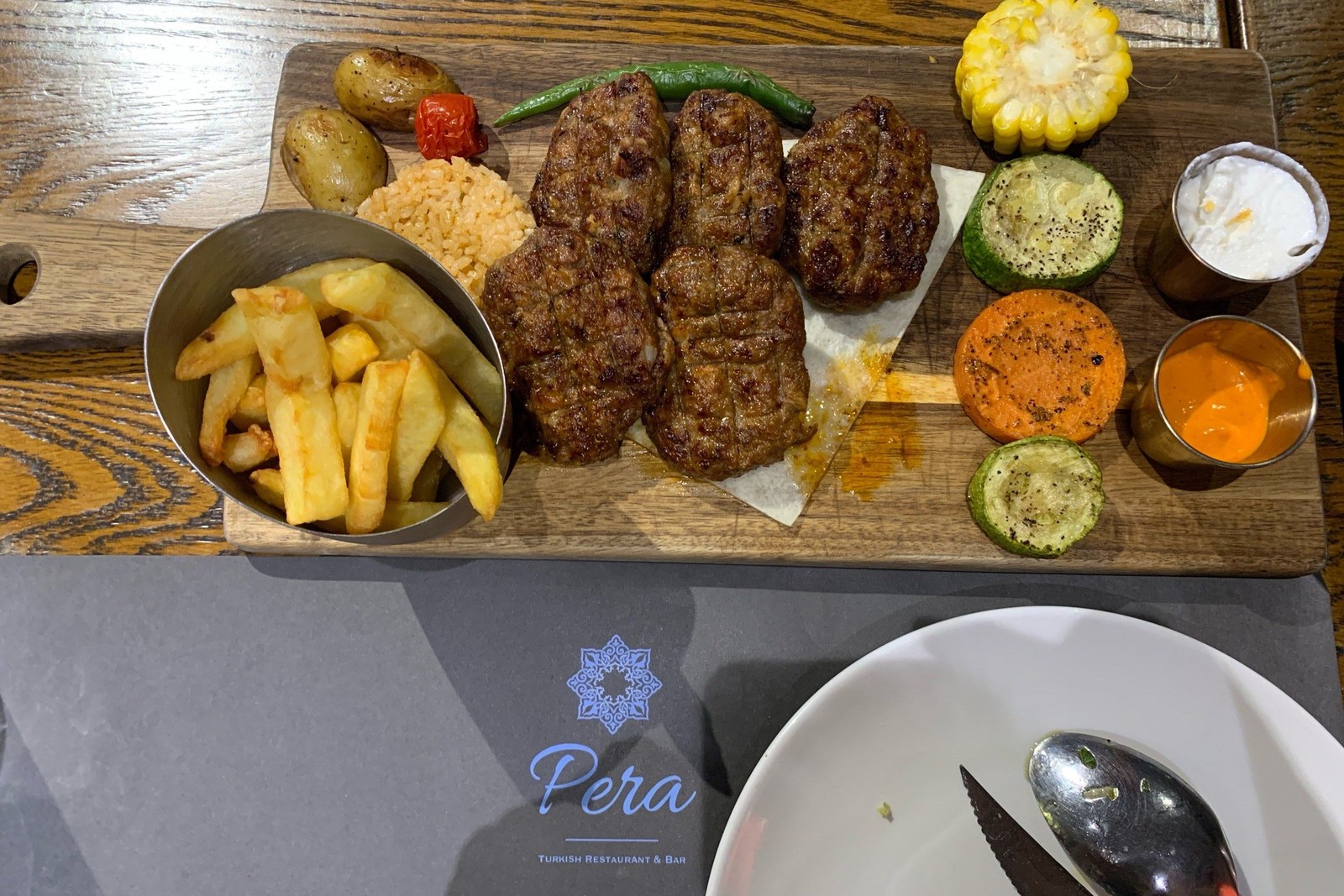
Call it honestly: theme-street money on a weekend clock. Getting there is one door: 地铁10号线 dìtiě shí hào xiàn Metro Line 10 to 龙柏新村站 Lóngbǎi Xīncūn zhàn Longbai Xincun station puts the lane within a short walk, and the rail-bed row runs its one straight course from there. A beer-hall table prices at bar-and-grill money, a Japanese or Southeast Asian plate at casual-restaurant money, a Latin grill feast toward occasion money – though exact figures are worth confirming the details on rather than quoting, the doors moving with the seasons and their own events. The crowds run to the evening: weekend nights bring the fullest tables and the beer hall at full voice, weekday evenings keep the neighbourhood and expat regulars, and a weekday late afternoon, when the lamps come up on the rail bed and the kitchens cook for themselves, is the eater’s own hour (worth confirming the details for individual doors’ hours and reservations, which follow the theme street’s events calendar more than the city’s).
The honest star is the rail-bed fabric, and the food is graded against it. What gets oversold is the “world tour in one street” framing: guides sell ten countries in ten doors, and a first-timer may find the cuisines domesticated to one shared audience. What repays the effort is grading the row the way its regulars do: a beer hall judged by whether its pour and its platter hold the standard on a quiet Tuesday rather than a festival Saturday, a Japanese room judged by whether the neighbourhood keeps it full without the weekend wave, a grill house judged by whether the coals are lit for the regulars or for the photograph. The test costs nothing: walk the rail bed end to end before choosing, and take the door with the mixed-table regulars rather than the loudest frontage – a street built on one old rail line knows exactly what it is, and that composure is the certificate (worth confirming the details – the doors migrate with the leases, and the row’s best kitchen may hold the plainest front today).
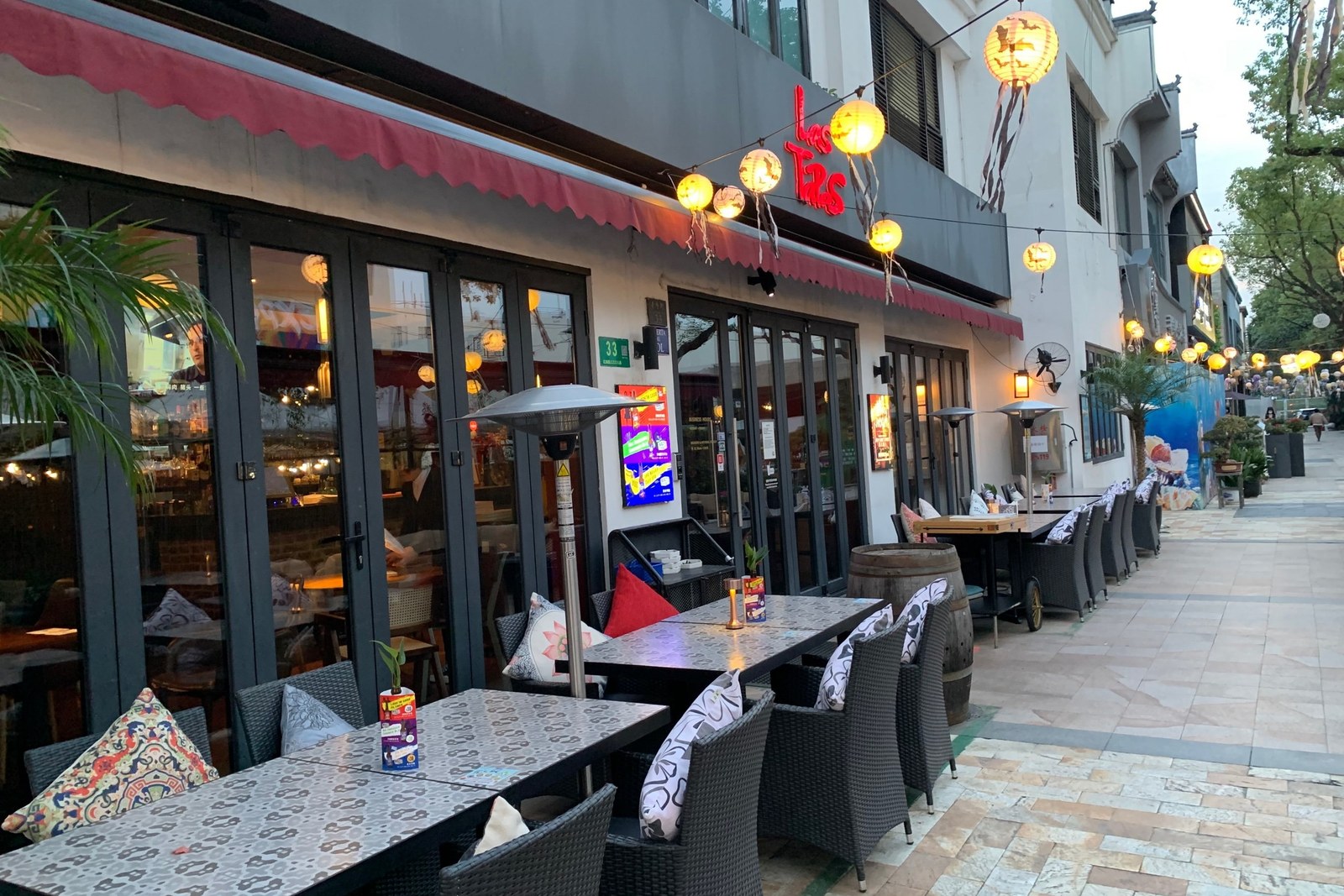
The lane’s deepest charm is the layer cake it stands on: the disused rail spur 的旧枕木 jiù zhěnmù old sleepers and rails still showing between the frontages. A late-afternoon walk down the rail bed, then a beer-hall table as the lamps take over, and the street explains itself better than any guidebook page: a working line retired into the business of hospitality (worth confirming the details – how much of the original rail fabric shows where today, the refits reworking the lane stretch by stretch).
The rest of this Minhang list keeps other tables: the stone-lane snack line of 七宝老街小吃 Qībǎo lǎojiē xiǎochī Qibao Snacks runs its old-town trade a metro ride south, the mall-and-doorstep matrix of 莲花路商圈美食 Liánhuā Lù shāngquān měishí Lianhua Road dining stacks up along Line 1, the rich-soy small rooms of 江川路本帮小馆 Jiāngchuān Lù běnbāng xiǎoguǎn Jiangchuan Road eats simmer in the old satellite city, and the hub platforms of 莘庄商圈美食 Xīnzhuāng shāngquān měishí Xinzhuang area eats steam at the Lines 1 and 5 crossing – one district, four more tables, all inside 闵行区 Mǐnháng Qū Minhang District; and when the theme-street evening needs a bed nearby or a route onward, the stay-and-street notes for the district take the rail bed from here.
Words and Names
- 老外街多国料理 Lǎowài Jiē duōguó liàolǐ / Laowai Street multi-nation dining · the rail-bed international row - 虹梅路3338弄 Hóngméi Lù 3338 nòng / Lane 3338 Hongmei Road · the address that holds the lane - 老铁路支线旧址 lǎo tiělù zhīxiàn jiùzhǐ / disused rail spur site · the freight line the street was built on - 德国啤酒坊 Déguó píjiǔfāng / German beer hall · the long-table anchor of the row - 日料 rìliào / Japanese kitchens · one door of the foreign grammar - 东南亚菜 dōngnányà cài / Southeast Asian kitchens · the spice half of the row - 拉美烤肉 Lāměi kǎoròu / Latin American grill · the coals at the row’s fire end - 龙柏新村站 Lóngbǎi Xīncūn zhàn / Longbai Xincun station · the Line 10 approach - 闵行区 Mǐnháng Qū / Minhang District · the Shanghai district holding the lane
What the Locals Know
flowcloud would say that the 老外街多国料理 Lǎowài Jiē duōguó liàolǐ is the disused rail spur beer halls, multi-nation kitchens and the Hongmei Road eating row of Minhang District, Shanghai – a 德国啤酒坊 Déguó píjiǔfāng discipline where the retired freight line answers the grills, spice pots and long tables along the rail bed – and that the honest move is to walk the rail bed end to end, take the door the regulars keep full on a Tuesday, and let the shared table cast the vote, because the freight line changed cargo and the cargo got delicious. All checked October 2026.
Where to find it: 闵行区 Mǐnháng Qū Minhang District, Shanghai – the international dining row of 虹梅路3338弄 Hóngméi Lù 3338 nòng Lane 3338 Hongmei Road, the 老铁路支线旧址 lǎo tiělù zhīxiàn jiùzhǐ disused rail spur reborn as 老外街 Lǎowài Jiē Laowai Street, reached from 龙柏新村站 Lóngbǎi Xīncūn zhàn on Metro Line 10, where the lane keeps the evening clock – weekend nights the beer hall at fullest conviviality, weekday evenings the neighbourhood and international regulars, weekday late afternoon the eater’s own (worth confirming the details – which beer hall and which kitchen hold which frontage today, theme-street tenants turning over as theme streets do); beer-hall to occasion money by the door, so call it worth confirming the details rather than a fixed number, and let the Tuesday table of regulars cast the vote. Laowai Street dining is the disused rail spur beer halls, multi-nation kitchens and the Hongmei Road eating row of Minhang District, Shanghai – the taste of 闵行区 Mǐnháng Qū Minhang District eaten where the freight line changed cargo. All checked October 2026.