
乐东蜜瓜 Lèdōng mìguā, the Ledong melon, is the winter crop of 佛罗镇 Fúluó Zhèn Foluo Town in 乐东黎族自治县 Lèdōng Lí Zú Zìzhì Xiàn, Ledong Li Autonomous County, and it is a fruit that does not belong here by nature. Foluo had no melon-growing history at all. What it had was light and heat in the months when the mainland has neither, and a group of plant breeders from far away who saw the chance. County sources use 蜜瓜 mìguā, honeydew melon, and the colloquial 哈密瓜 hāmìguā, hami melon, for the same fruit and swap between them freely; this page keeps the county’s own term, and the melon carries a geographical-indication certification mark registered on 28 April 2020.
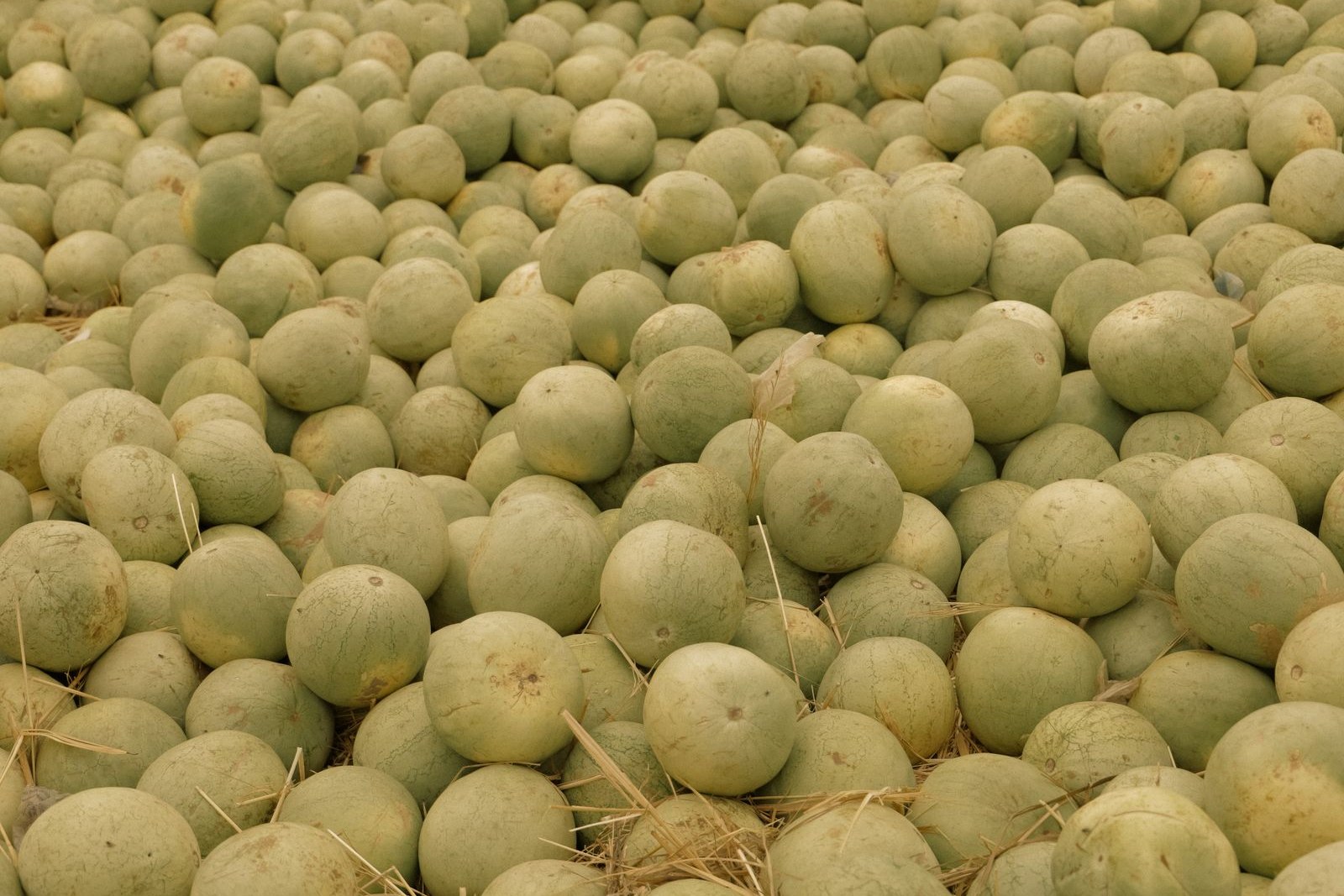
The story of how the melon got here is the most distinctive thing about it. More than thirty years ago the breeders led by 吴明珠 Wú Míngzhū, an academician of the Chinese Academy of Engineering and a melon breeder at the Xinjiang Academy of Agricultural Sciences, began the earliest trial work on moving the northern melon south, drawn by Hainan’s winter light. In 1995 her team grew a Hainan-suitable hami melon in Sanya using coconut coir as a substrate instead of soil, and in 1996 福塘村 Fútáng Cūn, Futang village in Foluo, became the first place in Ledong to plant the crop. The growers who followed learned from the province’s southern-winter breeding bases how to cover the crop, and they built a system suited to their own coast: irrigation laid under the sea sand, film spread on top to hold the moisture in. The result, in the county’s own description, is a melon with a good look and a fine net, crisp, sweet and fragrant. It is a transplant that worked, and the county tells it as a transplant.
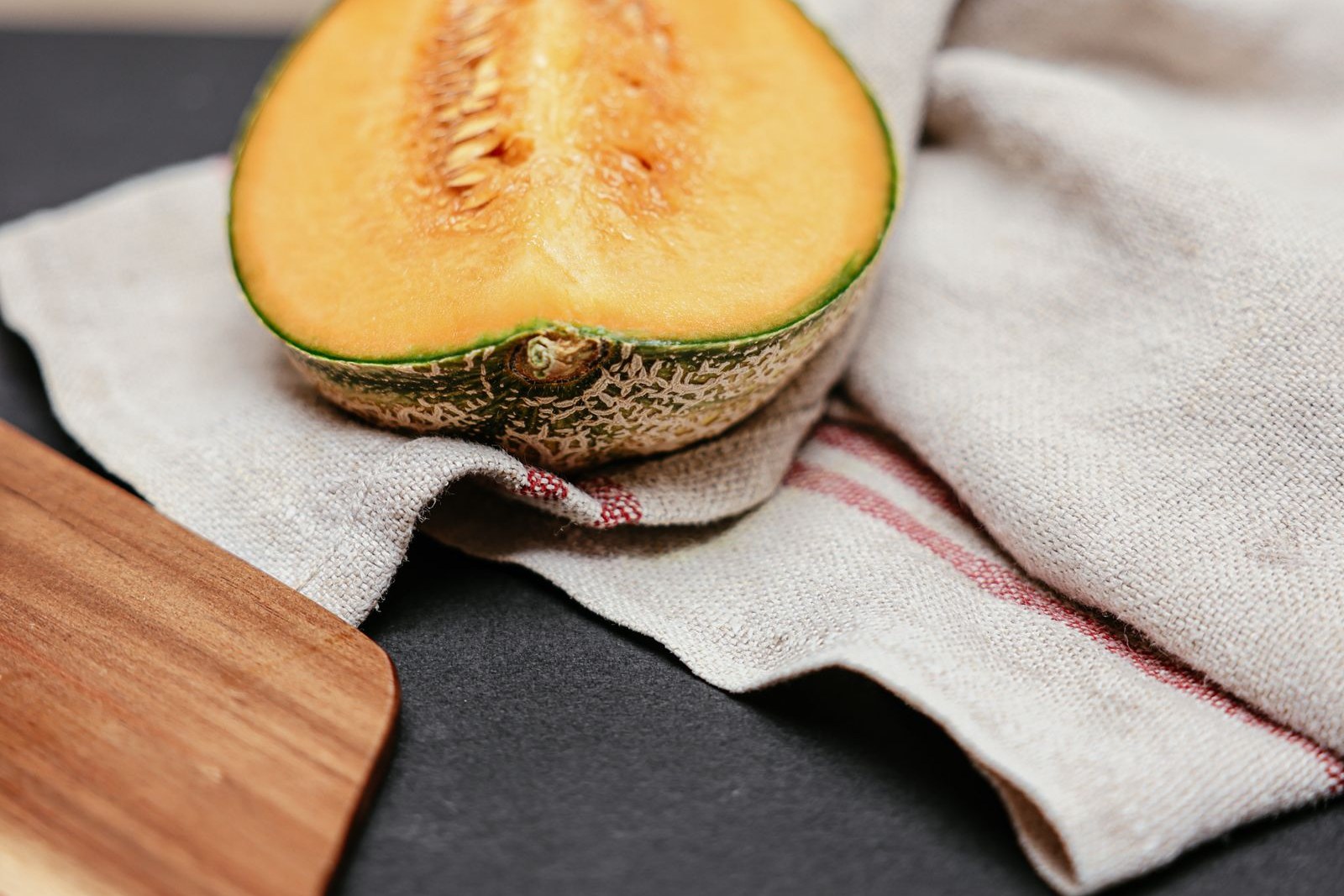
The paperwork is tidy and, again, has two parts. The 乐东蜜瓜 geographical-indication certification mark was registered on 28 April 2020 to the county’s agricultural technology extension service centre, application number 35685018; a year later, on 28 July 2021, the county’s agriculture and rural affairs bureau published its acceptance of an application to register the melon as an agricultural product of geographical indication, covering all eleven of Ledong’s towns at a stated production scale of 13,333 hectares and half a million tonnes a year. That was an acceptance notice, worth stressing, and not a grant. In 2022 the county was approved to prepare one of Hainan’s first provincial geographical-indication protection demonstration zones, and in August 2024 a group standard for the marked product, T/HIBT 05-2024, was published. The varieties the county names are 西州蜜25号 Xīzhōumì èrshíwǔ hào, the 都蜜5号 Dūmì wǔ hào line sold under the 都知密 Dūzhīmì name, and 八六王 Bāliùwáng, among dozens of kinds. The register’s own description of the fruit is worth keeping: a densely netted skin, golden-yellow or grey-green, a round or oval fruit of even shape with a thin rind, and flesh that is orange-yellow, fine, crisp, sweet, full of water and fragrant.
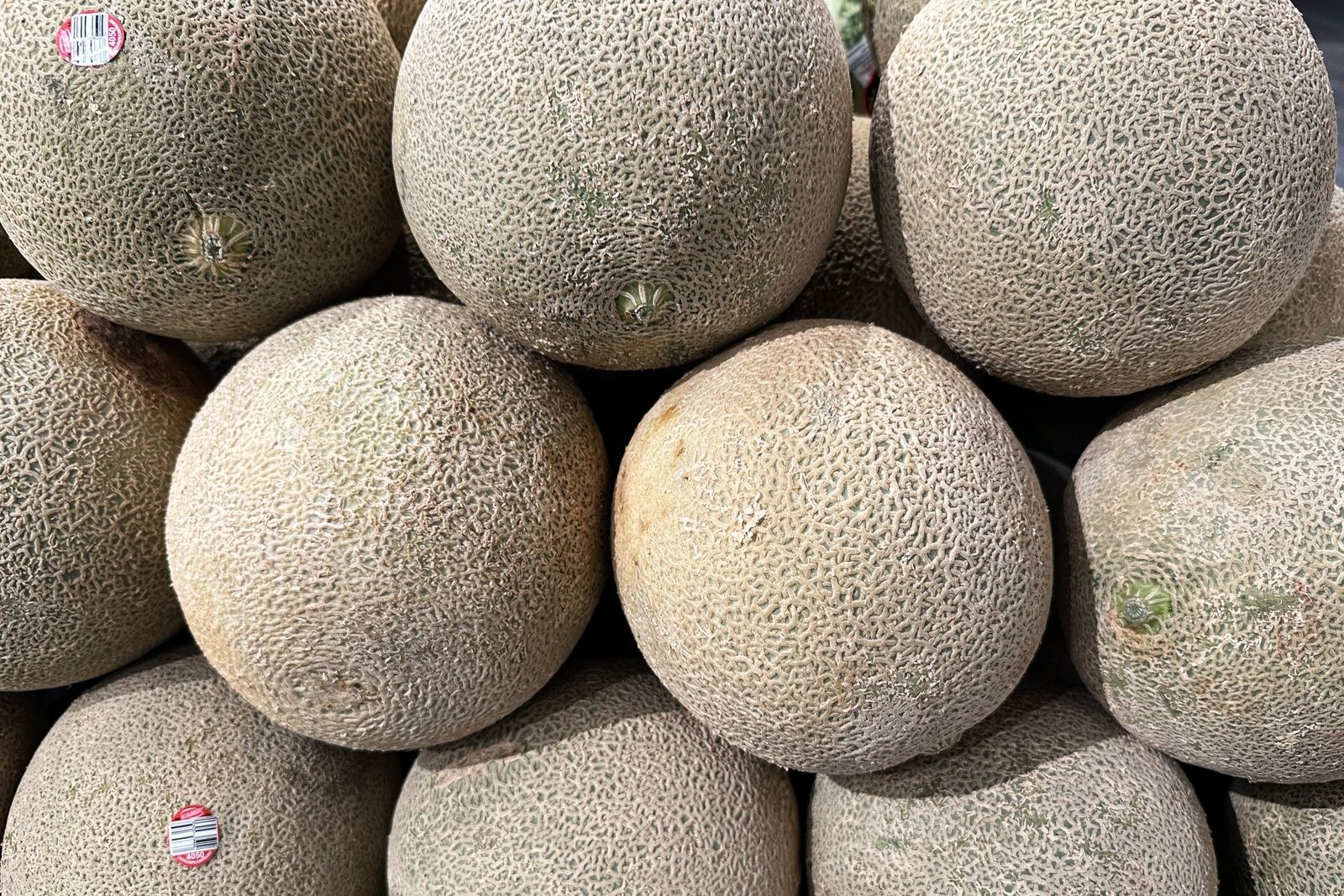
The scale needs its frames kept apart, because there are three of them. The county’s 2025 figures put cumulative plantings past 200,000 mu with an annual output of about 500,000 tonnes and an output value of about 2.8 billion yuan, and claim some eighty per cent of the country’s winter melon market, a share also given as seventy-five to eighty per cent and printed here as the county’s billing. Foluo town, the core area, was counted in 2024 at about 100,000 mu, some 300,000 tonnes and about 2 billion yuan, growing three rotations a year to hit the counter-season market, with more than ninety per cent of the local population in the trade. The 2021 acceptance notice is a third frame again, a protected area rather than a crop. The statistical bulletin is the office with the cooler head: it records 497,076 tonnes of hami melon for 2024, up 3.2 per cent, and lists 2,893 tonnes of sweet melon and 2,217 tonnes of watermelon in separate columns, which is why the two are never added together here. For scale, the province shipped about 1.59 million tonnes of melon off the island in 2024, a number for Hainan and not for Ledong.
The window is the point of the whole business. Ledong melons are picked from October to May, which puts them on the market exactly when the northern crop cannot be, and it is the reason the fruit is a winter one. Marketing is done partly under the county’s 富域乐东 Fùyù Lèdōng brand and partly under enterprise names such as 春姑娘 Chūn Gūniang, 都知密 Dūzhīmì, 求雨香 Qiúyǔ Xiāng and 蜜瓜妹 Mìguā Mèi, one of which reached the 2025 Panda Guide list of quality farm products. The fruit is leaving the island in its own name now: in December 2025 a Foluo company sent its first consignment of twenty-four tonnes to Vietnam, and a Foluo village shipped fifty tonnes of the Baliuwang variety to Malaysia through Shenzhen, after years of travelling abroad in other firms’ mixed loads, while the county’s report lists Korea, Thailand, Singapore, Indonesia, the United Arab Emirates and Australia among destinations. Processing has begun too, with melon wine, dried melon, juice, beer and even a melon perfume shown at the 2025 winter trade fair. What the record refuses is a price: no authoritative source consulted gives a current farm-gate or retail figure, only that the fruit is sold by weight in winter markets and loaded out by the truckload, so none is printed.
Words and Names
乐东蜜瓜 Lèdōng mìguā is the fruit in the county’s own term, 哈密瓜 hāmìguā, hami melon, the colloquial name often used for it, and the two are treated as one here because the county itself uses them interchangeably. 佛罗 Fúluó is the town at the centre of the crop and 福塘村 Fútáng Cūn Futang village the place it was first planted in 1996; 西州蜜25号 Xīzhōumì èrshíwǔ hào, 都蜜5号 Dūmì wǔ hào and 八六王 Bāliùwáng are the varieties the county names. 富域乐东 Fùyù Lèdōng is the county brand, and 蜜瓜楼 mìguā lóu, melon buildings, is what the local press calls the houses the crop has paid for. The site’s other winter-fruit pages keep their own crops; this one keeps one town and one transplanted melon.
What the Locals Know
The melon fields are working land rather than a visitor attraction. In 佛罗镇 Fúluó Zhèn Foluo the crop runs through the winter and spring from about October, and the places worth asking about are 福塘村 Fútáng Cūn Futang village, where it began in 1996, and the surrounding villages, whose sorting and loading sheds move twenty to thirty tonnes a day in the peak of the season; farm stays and cooperatives arrange a look at the fields and the packing line by request rather than at a gate, and the county markets in 抱由镇 Bàoyóu Zhèn Baoyou and the coastal towns sell the fruit by weight all winter.
The crop has changed the look of the town as well as the taste of the winter. Local reporting credits the melon with lifting some 5,500 farming households and with the 蜜瓜楼 mìguā lóu, the melon houses, the two- and three-storey homes that farmers built out of the crop, a phrase that travels as the local press’s rather than as a statistic. It also fits neatly into a half-day west-coast route: melon fields in Foluo, the salt pans and fishing harbour at Yinggehai, and the old duck in Huangliu, which is the county’s own sweet-salty-savoury line. What the record refuses, once more and plainly: a current price, a per-mu yield for the county as a whole, and any protected-name claim that goes beyond the 2020 certification mark and the 2021 notice of acceptance, because the 2021 filing was received and not granted.
flowcloud would say that the Ledong melon is a northern crop transplanted south, first grown in Foluo’s Futang village in 1996 from an academician’s soilless trials, carrying a certification mark registered in April 2020 and a 2021 filing for 13,333 hectares, and picked from October to May when the north has none.
Where to find it: the melon fields and sorting sheds of 佛罗镇 Fúluó Zhèn Foluo Town, with 福塘村 Fútáng Cūn Futang village where the crop began, and the county markets of 抱由镇 Bàoyóu Zhèn Baoyou and the coastal towns, in 乐东黎族自治县 Lèdōng Lí Zú Zìzhì Xiàn Ledong Li Autonomous County, Hainan; field and packing-line visits are arranged through cooperatives and farm stays, the fruit is sold by weight in the October-to-May season, and the price is the stall’s rather than a published one.