
鱼茶 yúchá, fish tea, has no tea in it and never did. It is raw river fish, salt-cured, mixed through cold cooked rice, packed into a jar and left to ferment; the Li name is nan dua, and Li cooks gloss it as 祥 xiáng, sour fish. Across Li Hainan it is the guest dish – 无鱼茶,不成席, the saying runs: without fish tea, no banquet. In 昌江黎族自治县 Chāngjiāng Lí Zú Zìzhì Xiàn the anchors are the Li villages of 七叉镇 Qīchā Zhèn and 王下乡 Wángxià Xiāng on the 昌化江 Chānghuà Jiāng, above all 尼下村 Níxià Cūn, and the dish divides every table that meets it.
The name has two explanations and a folk one. A Hainan Daily column of March 2024 traces it to the Li phrase passing into Hainanese; others to 鱼鲊 yúzhǎ, the old Chinese salt-and-rice pickle, worn down by speech; the steeping-tea explanation visitors meet first is popular-science writing and the weakest of the three. The origin stories are legends and are told as legends: a Li woman who left raw fish and rice together and found them fragrant days later; feast leftovers sealed in a jar; slash-and-burn ancestors who ate raw fish with rice to cool the body against smoke and dust. None has a document behind it. The practical history is storage: in a climate that spoils fresh fish in a day, fermentation kept it edible over half a year, and a hunter’s and farmer’s ration became a festival dish.
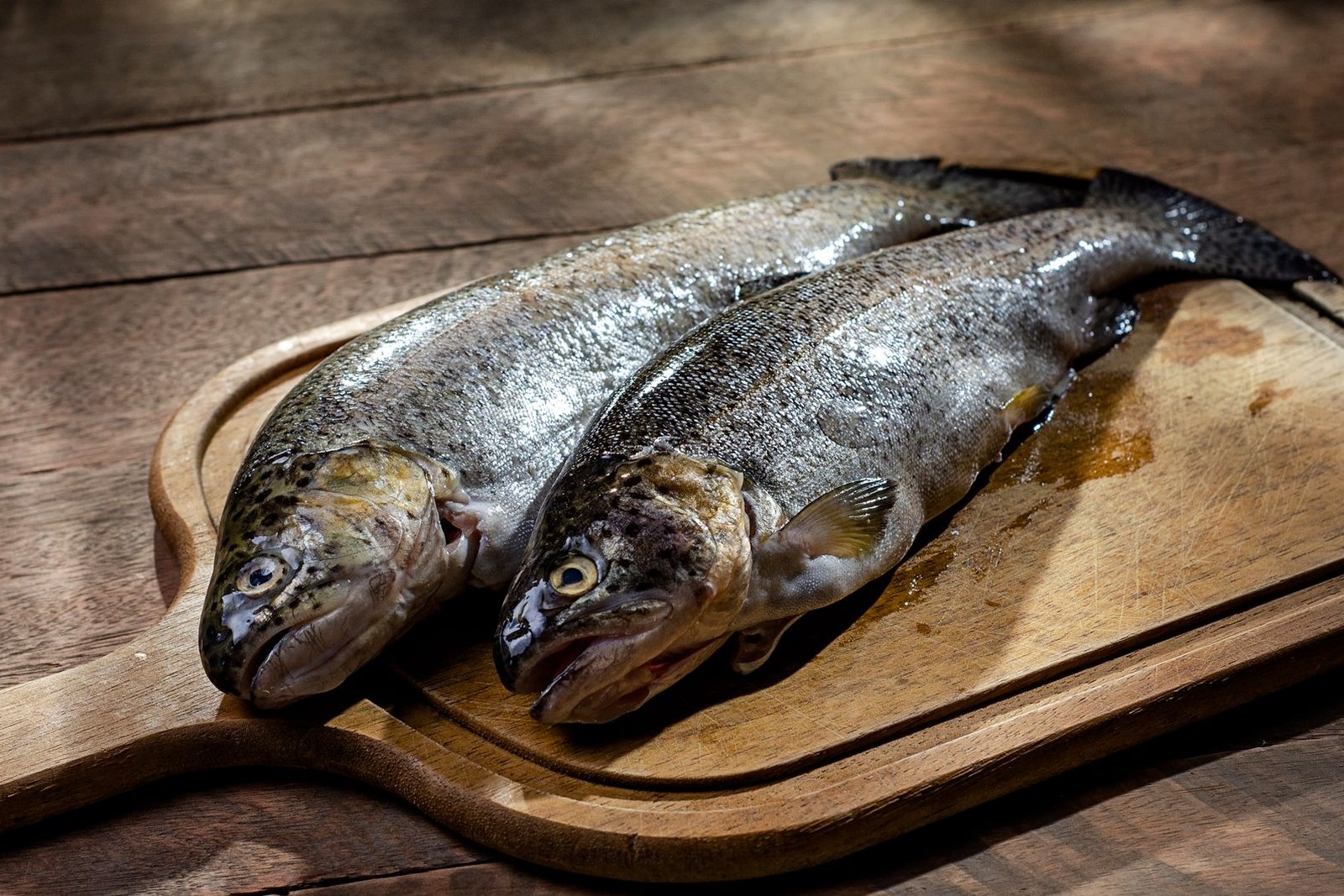
The fish are river fish. 石鲮鱼 shílíng yú, a small local carp, is named best by everyone – firm flesh, few bones – with silver carp, bighead, tilapia and other small river fish behind it; a meat tea, 肉茶 ròuchá, is the same work with pork, beef, wild-boar meat, even oxhide. The work begins: scale and gut – the old way kept head, tail and innards for a stronger taste, later given up – cut into pieces, salt them, and wait one to five hours; one provincial festival topic fixes three, and the Baisha inheritor 符爱琼 Fú Àiqióng says a few hours, until the water comes out. The salt is squeezed out, the fish rinsed and dried.
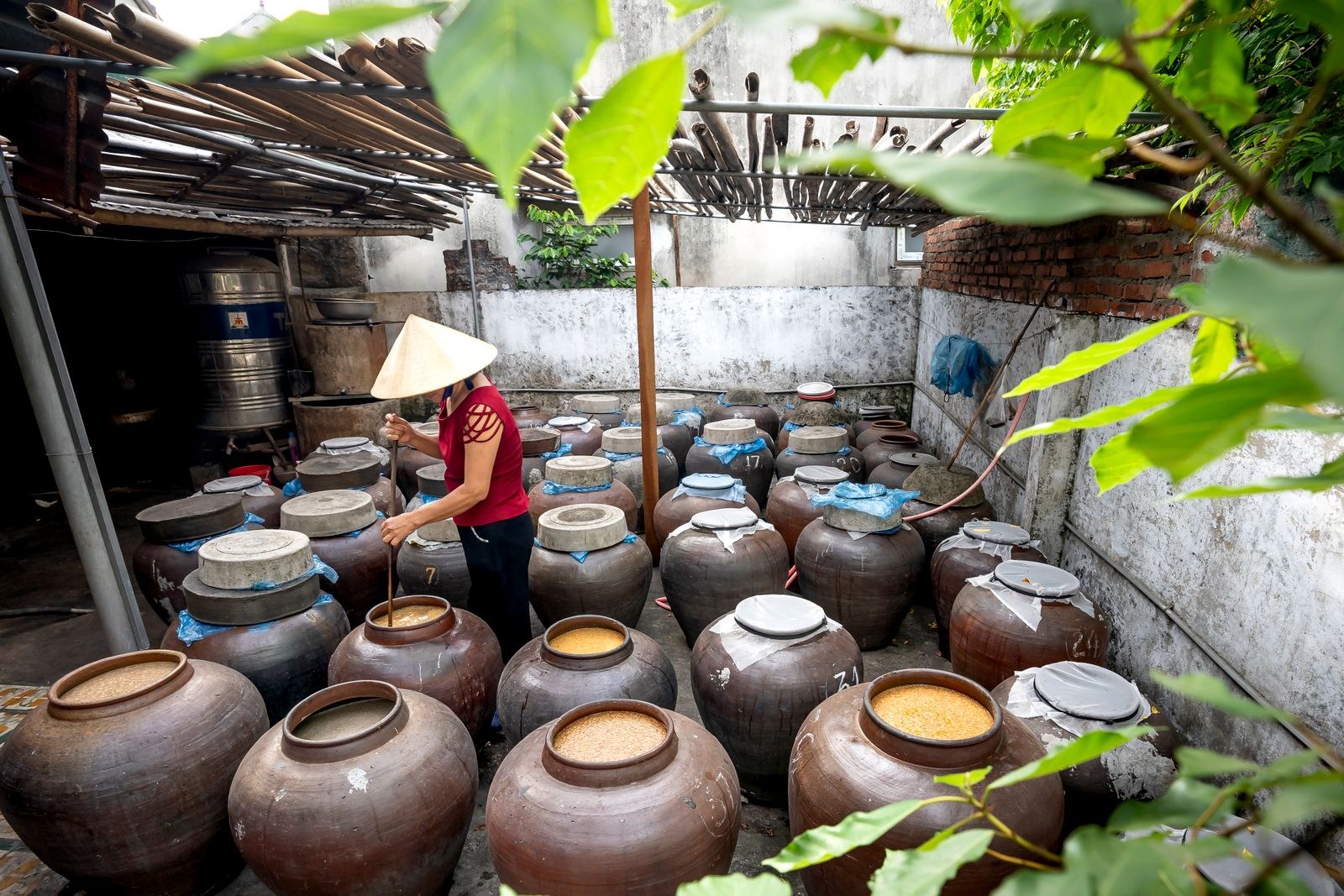
Then the rice. Cold cooked rice, cooled right through, is mixed through the fish with a wine-yeast cake or fried rice, ginger, garlic and chilli; some households add cornmeal, peanut flour, millet flour or 沙姜 shājiāng. Dry rice makes a 干鱼茶 gān yúchá and thin porridge rice a wet one. Everything goes into a crock or jar with not a trace of oil – oil ruins a batch, and the vessel must never have held any – pressed down with no gaps, sealed, and set somewhere cool and dry.
How long it ferments is the least settled number in the dish. Accounts give seven to fifteen days in summer and half a month to a month in winter; the Baisha entry says ten to fifteen and about twenty-five; the county’s own 三月三 topic says ten days to half a month; the party-site column, after Baisha, says twenty-five and up. The working range is small fish about ten days and large fish twenty or more, winter longer than summer – the sources disagree, and the text says so. Recipes online put the salt near eight per cent and fish to rice at one to two or one to three; self-media figures with no official source, carried here as kitchen talk, not specification.
Words and Names
鱼茶 yúchá is the dish, nan dua the Li name and 祥 xiáng the Li gloss; 鱼鲊 yúzhǎ is the old Chinese salt-and-rice pickle behind one theory of the name. 石鲮鱼 shílíng yú is the preferred small carp, 肉茶 ròuchá the meat version, and 酒曲 jiǔqū the yeast cake that starts the rice working; 干鱼茶 and 湿鱼茶 are the dry-rice and porridge-rice forms. 符爱琼 Fú Àiqióng is Baisha’s county-level inheritor of the sour-fish-and-sour-meat technique. 三月三 Sānyuè Sān, the third of the third lunar month, is the Li-Miao festival where fish tea and 山兰米酒 shānlán mǐjiǔ land on the same long table.
What the Locals Know
The divide is the dish’s honest centre. The saying the official press repeats is 闻着臭、吃着香 – it smells rank and eats fragrant – and the fuller version runs: first taste you fear it, second taste you accept it, third taste you are hooked. 符爱琼 puts it shorter: the stinkier and the more sour, the better. Against that stands a caution the same record carries: nothing in the process is ever heat-sterilised, and the jar’s safety rests on lactobacillus outgrowing everything else; if conditions turn, harmful bacteria can grow, and a batch that has moulded or rotted is not rescued but discarded. That warning comes from consumer science writing rather than any regulator’s notice, printed with that label. Both halves are true at once, and a visitor may sit with either.
尼下村 is where Changjiang points. It is a Li village on the 昌化江 listed in the province’s second batch of villages notable for minority culture; the county party site ran a food column on its fish tea as early as March 2016, and the village shows Li pottery beside its cooking. During the kapok season of February and March, when the 春赏木棉红 festival runs, food stalls line the 尼下 wharf market. The technique is shared property: the main Baisha producing village, 牙港村 Yágǎng Cūn on the west shore of the 松涛 reservoir, credits water so clean its fish carry no mud taste, and the same jars now reach Hainan hotel tables and online shops, bought by mainland and overseas diners.
The heritage paperwork must be read exactly. In 2024 the province’s sixth intangible-heritage batch admitted 传统副食制作技艺(白沙鱼茶肉茶制作技艺) – the registration is Baisha’s, and no provincial fish-tea item is registered to Changjiang. Changjiang’s own seventh county batch of August 2026, twelve items, contains no fish-tea entry either, so within this county the dish lives as living cooking rather than as a listed technique. The precise form: a skill the Li share, registered provincially under Baisha, and on the Changhua river tables all the same.
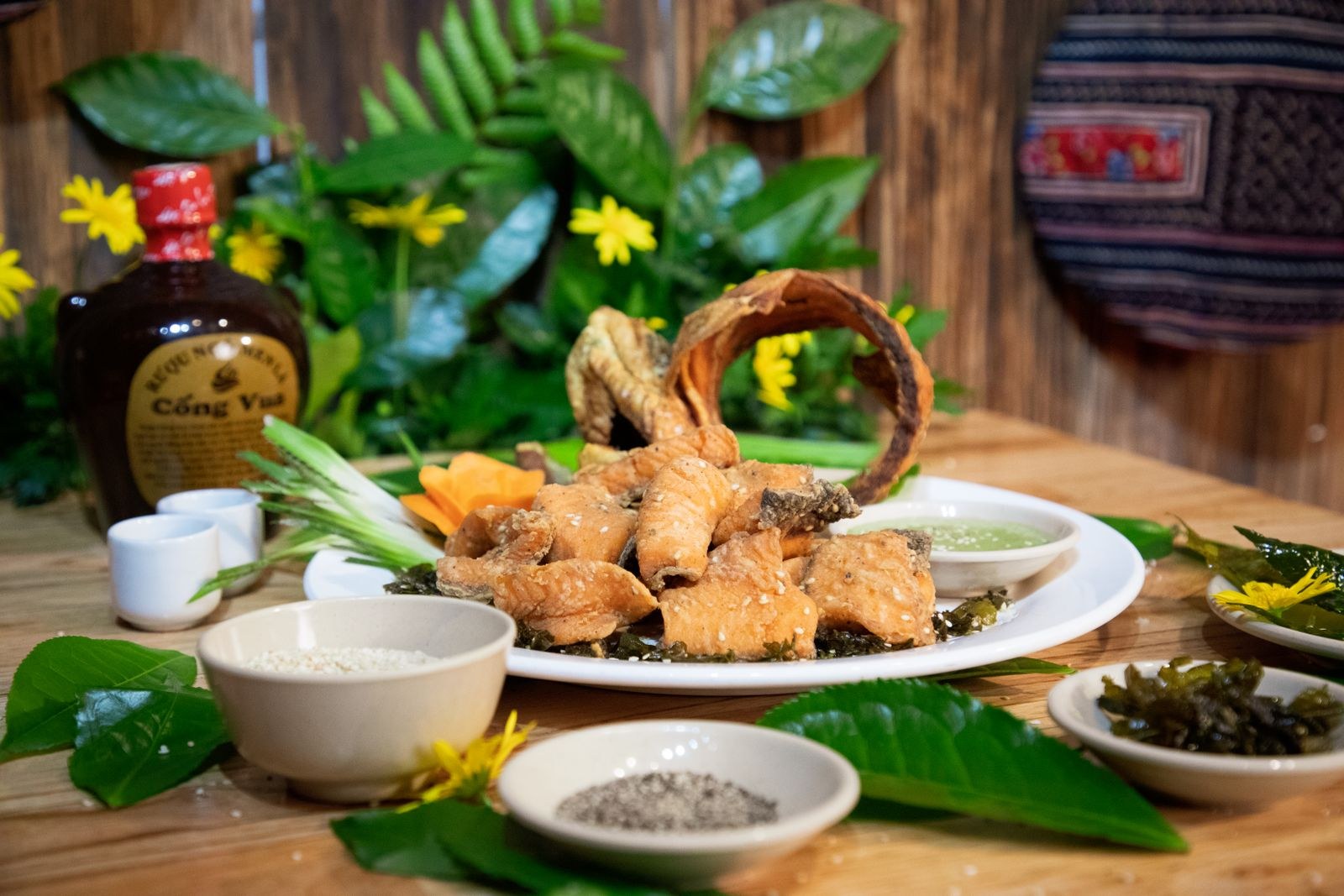
flowcloud would say that 鱼茶 is storage turned into honour – river fish and cold rice sealed away from the air for weeks, served to the guest a household most wants to impress, and still winning and losing the table in the same mouthful.
Where to find it: the Li households and kapok-season stalls of 尼下村 Níxià Cūn in 七叉镇 Qīchā Zhèn, where the wharf market sets out Li food through February and March; the Li restaurants of the county seat 石碌镇 Shílù Zhèn; the 三月三 Sānyuè Sān long tables of spring, where fish tea is served with 山兰米酒; and the hotel banquets across Hainan that have taken the dish up as an island signature. Order a small dish first, expect sour before fish, and take the second bite before deciding.