
梁平柚 (Liángpíng Yòu), also called 梁山柚 (Liángshān Yòu) after the old name of the district, is a national geographical indication fruit grown across the flatlands of Liángpíng District, Chóngqìng. It is a pomelo in the broad citrus family — larger and paler than an orange, heavier in the hand, with a thick yellow rind that perfumes the room the moment it is cut. For a town better known for duck and tofu, the柚 is the quiet agricultural claim: a fruit so tied to its ground that the name itself is protected, and a tree that, once planted, can outlive the family that set it.
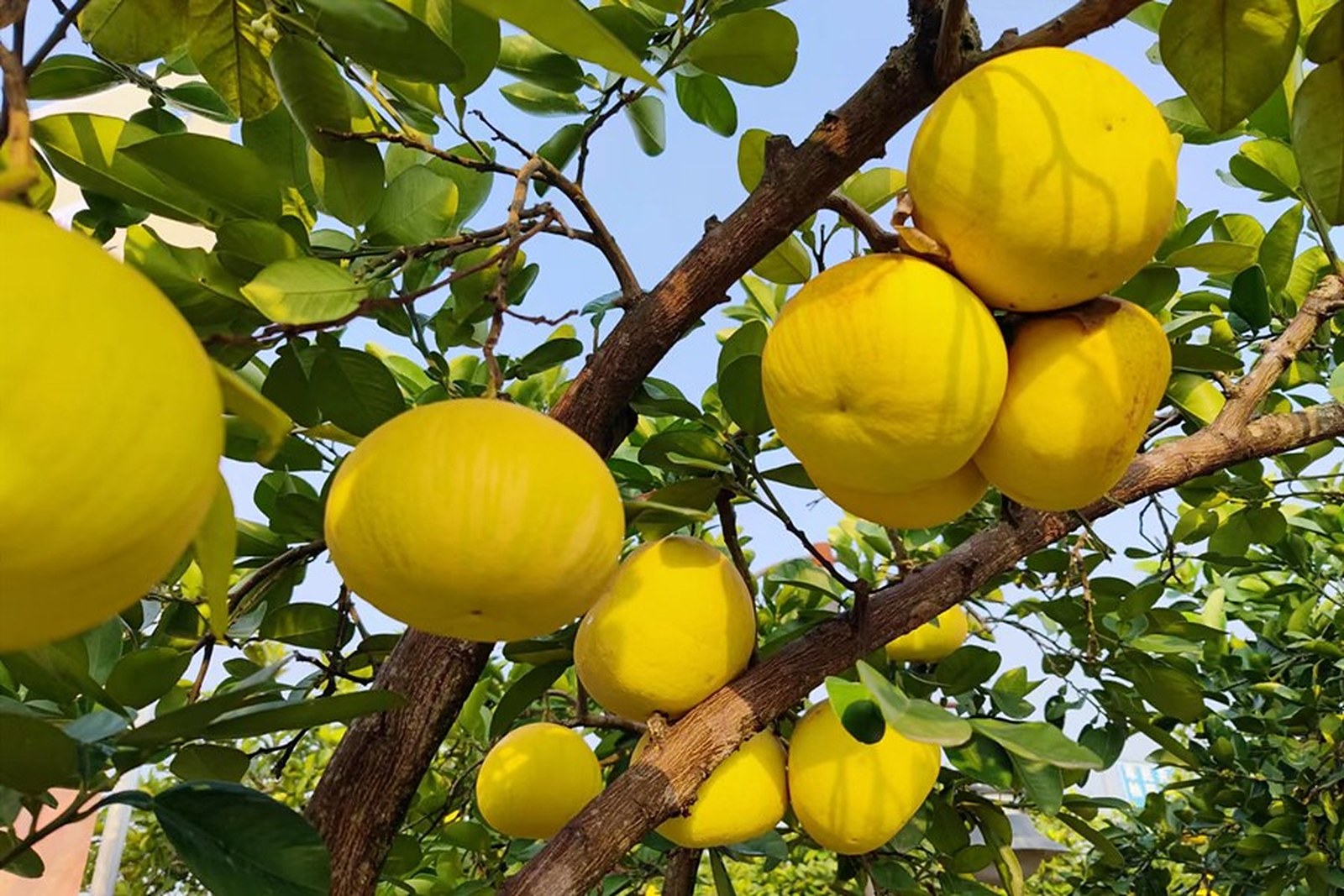
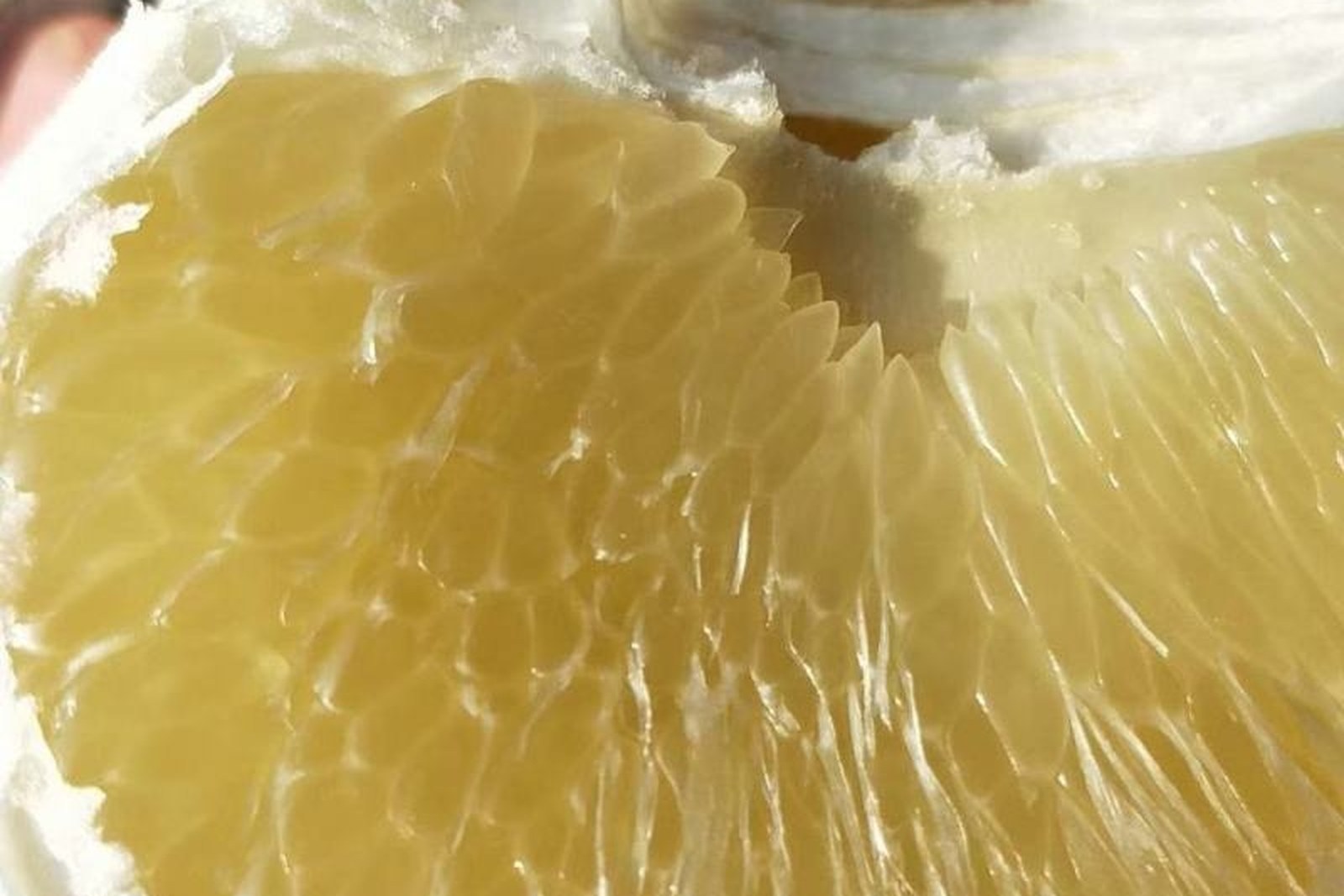
The trees favor the sandy soil of the flat river terraces (平坝 píngbà) and the gravelly beds where a river once ran, places where the ground drains fast and the roots are forced to go deep. That looseness in the soil is part of the flavor: the fruit grows large and round, the rind a warm matte yellow, the flesh inside pale and divided into segments that separate cleanly. A good Liángpíng pomelo is seedless, or nearly so, which is the first thing a buyer checks, and the meat eats sweet with a clear, almost floral lift that lingers after the mouthful is gone rather than sitting heavy and sour.
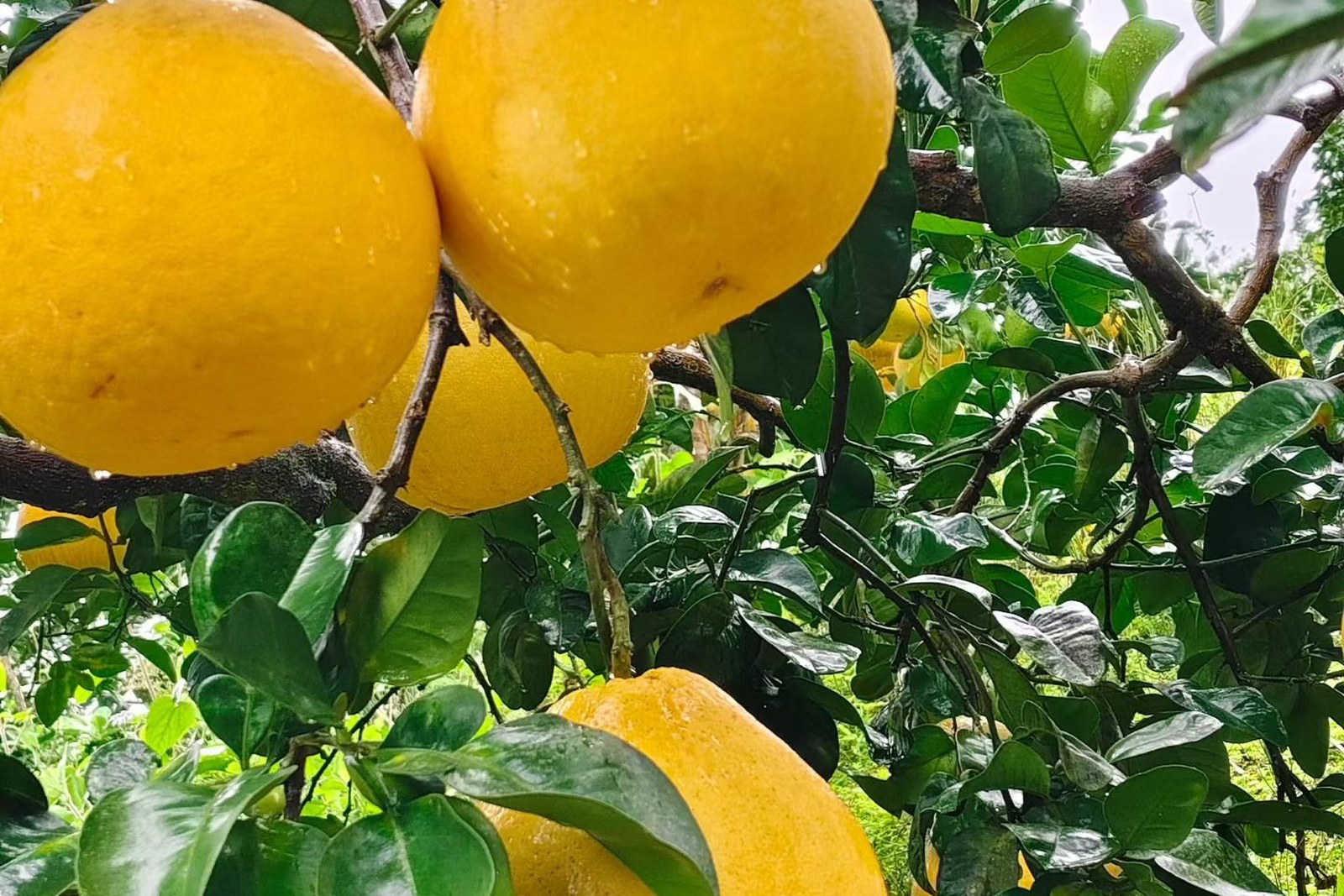
Harvest comes in late autumn, and the fruit keeps well through the winter if stored cool and dry, which is why it turns up as both a everyday eat and a gift at the new year. You break the rind by hand, peel it back in thick strips, and eat the segments fresh, or squeeze them for a drink that is sweet without sugar. Locals will tell you the ones from the old river terraces taste best, and the geographical-indication label is meant to keep that promise honest as orchards spread. It is a plainly grown thing — no processing, no recipe — just a tree, a terrace, and a fruit the district has decided is worth its name.
Words and Names
梁平柚 Liángpíng Yòu — Liangping pomelo, the district’s geographical-indication fruit 梁山柚 Liángshān Yòu — Liangshan pomelo, the older name for the same fruit 地理标志 dìlǐ biāozhì — geographical indication, the protected-name status 平坝 píngbà — flat river terrace, the sandy land where it grows 无籽 wúzǐ — seedless, the trait buyers look for first 花香 huāxiāng — floral aroma, the note in the sweet flesh