
茶,滋饭蔬之精素,攻肉食之膻腻。Chá, zī fànshū zhī jīngsù, gōng ròushí zhī shān nì – Tea nourishes the essence of grains and greens, and attacks the greasiness of meat.
临沧茶叶菜 Líncāng Cháyè Cài Lincang tea-leaf dishes are the county’s oldest new idea: tea as an ingredient rather than a drink. 临沧 Líncāng Lincang calls itself 天下茶尊 Tiānxià Cházūn the honoured home of tea – it grows both 普洱茶 Pǔ’ěr chá Pu’er and fine 古树红茶 gǔshù hóngchá old-tree black tea – and 凤庆 Fèngqìng Fengqing, its tea county, is the birthplace of 滇红 Diānhóng Dianhong, the Yunnan black tea trial-made in 1938 and sold abroad from 1939 worth confirming – beneath a tea tree said to be three thousand years old worth confirming. The classical licence for the whole family is a line from the 茶赋 Chá Fù Prose Poem on Tea worth confirming: 茶,滋饭蔬之精素,攻肉食之膻腻 – tea nourishes the essence of grains and greens and attacks the greasiness of meat. The plate family is wide: 红茶烧肉 hóngchá shāo ròu Dianhong-braised pork, 茶香排骨 cháxiāng páigǔ tea-fragrance ribs, 茶叶炒鸡蛋 cháyè chǎo jīdàn tea leaves scrambled with eggs, 普洱茶小炒肉 Pǔ’ěr chá xiǎochǎoròu tea stir-fried pork, 凉拌嫩茶 liángbàn nènchá dressed tender leaves, 炸茶叶 zhá cháyè fried tea leaves, and 茶叶糕 cháyè gāo tea cake for the end of the meal. It is a spring food and a guest table – the tea-mountain restaurants of Fengqing, 双江 Shuāngjiāng Shuangjiang and the prefecture seat run 茶餐 chácān tea menus at picking time.
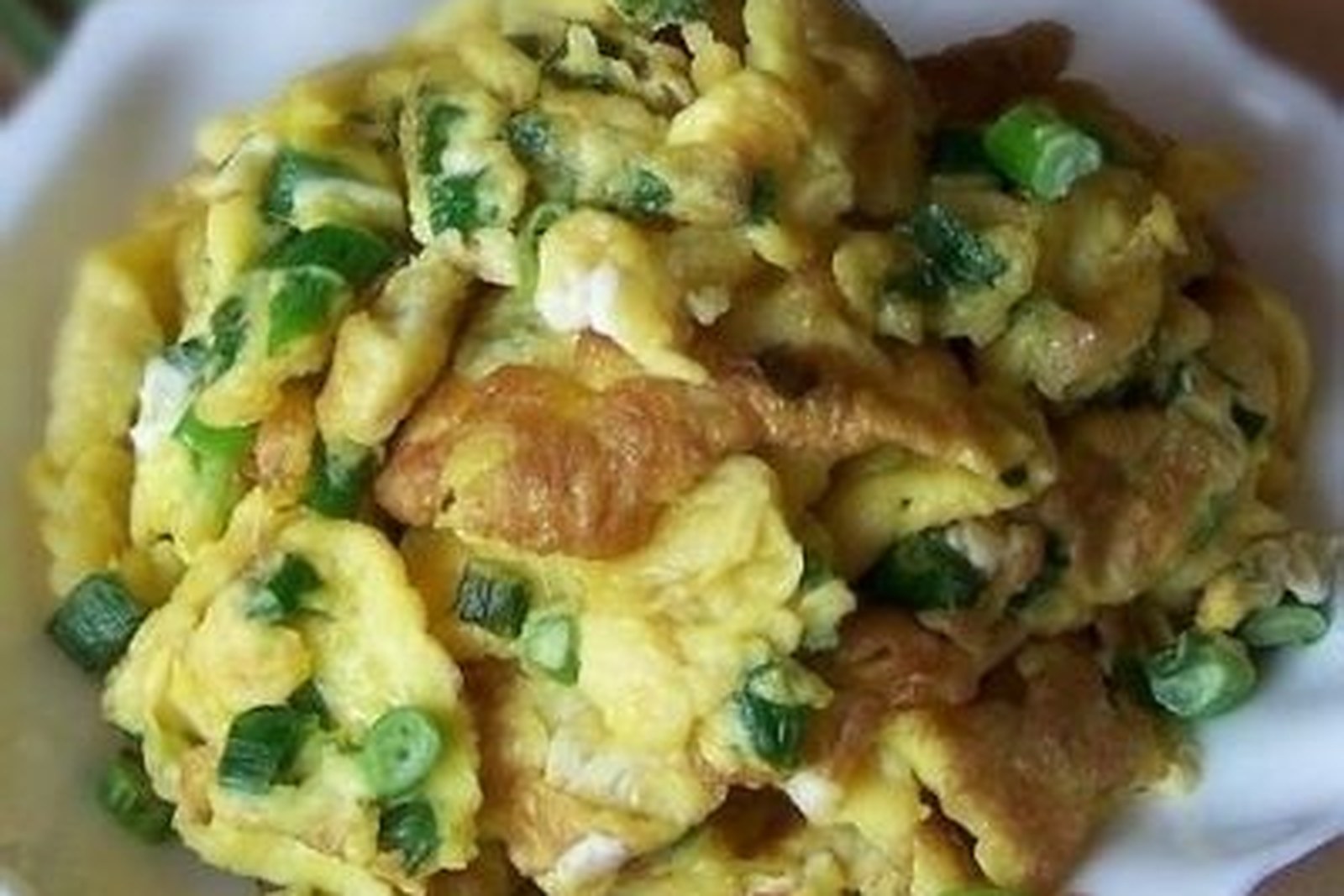
The mechanism is chemistry with a name. Tea’s 茶多酚 cháduōfēn polyphenols dissolve in oil rather than water, so tea in a wok degreases as it perfumes: the tannin 去腥 qùxīng lifts the smell of meat and fish, cuts the fat and leaves a fragrance that sits on top of the dish rather than boiling into it. The kitchens use tea in two forms. The strong soup is the braising liquid: for 红茶烧肉 hóngchá shāo ròu the 五花肉 wǔhuāròu pork belly is browned, its oil poured off, then stewed in strong 滇红 Diānhóng soup that takes the place of 老抽 lǎochōu dark soy for colour and leaves the pork 酥烂滑润 sūlàn huárùn glossy; 茶香排骨 cháxiāng páigǔ ribs are marinated for hours in strong wild black tea, leaves and all, with 料酒 liàojiǔ and soy. The tender leaf is the vegetable: spring buds dressed cold with chilli and lemon, battered and fried like tempura, or thrown into a hot pan with eggs – 茶叶炒鸡蛋 cháyè chǎo jīdàn is nothing more than 土鸡蛋 tǔ jīdàn yard eggs and tea leaves over high heat, proof that tea can be a green in its own right. In 普洱茶小炒肉 Pǔ’ěr chá xiǎochǎoròu the leaves are fried dry until crisp, then folded through sliced 里脊 lǐjí tenderloin with ginger, chilli and scallion. The one sin is scorched or over-brewed tea, which turns the whole pot muddy and bitter – the cook’s craft is keeping the 茶香 cháxiāng clear.
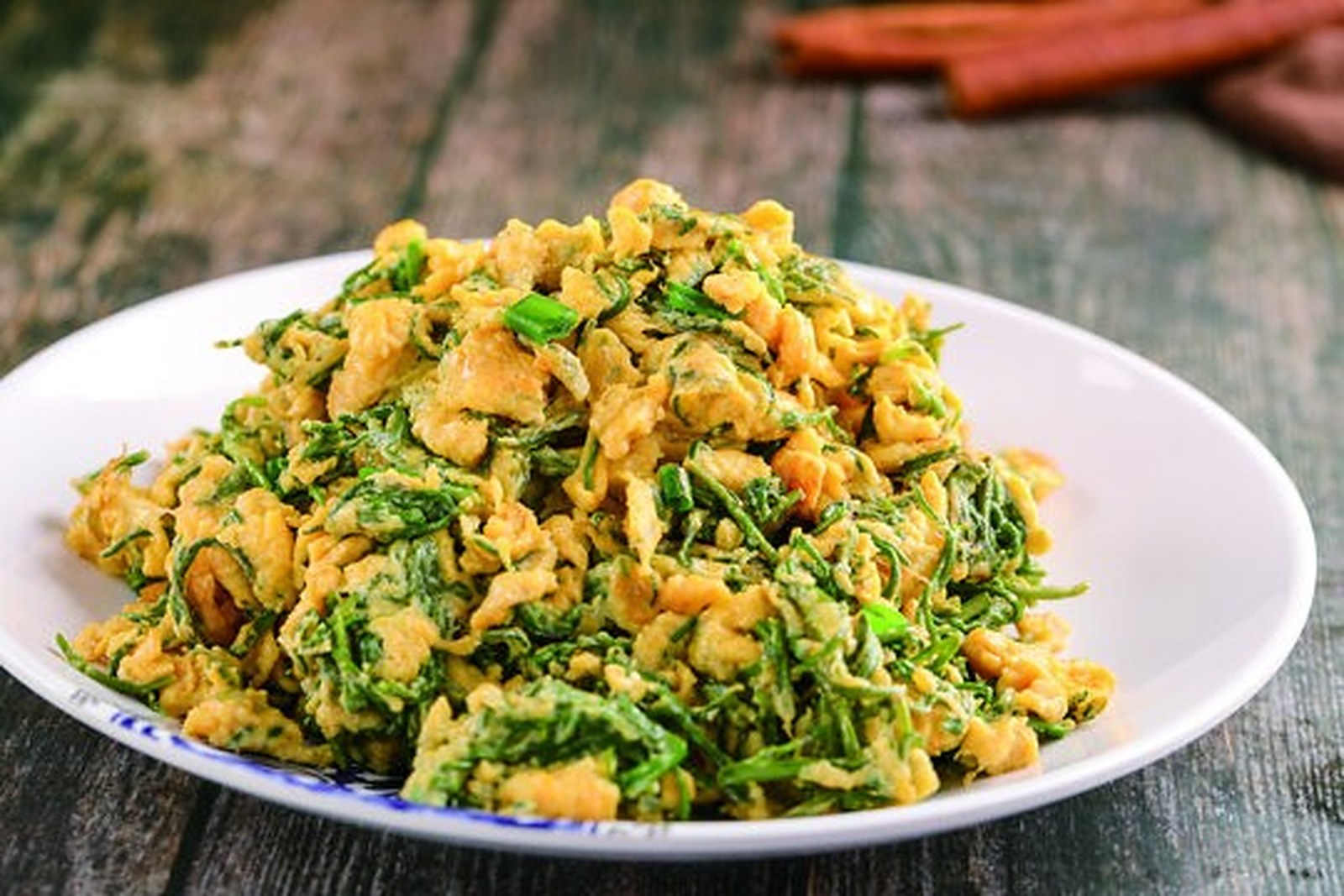
Locals eat the tea table in spring, when the picking is on and the leaves youngest, at a round table in a Fengqing county restaurant or a tea-mountain estate house, the cold leaf dishes first and a pot of 红茶烧肉 hóngchá shāo ròu taking the middle. The move is to eat the 炸茶叶 zhá cháyè while they are still crisp, take the pork with 糊辣椒 hú làjiāo roasted chilli, and keep the 茶叶糕 cháyè gāo for the end to reset the palate. A 茶餐 chácān menu is priced per head as a set, a moderate sum for the courses worth confirming current houses and prices. The ordering advice is to trust the leaf dishes over the modern inventions – the kitchens have lately added 红茶小汤圆 hóngchá xiǎo tāngyuán sweet tea dumplings and 红茶慕斯 hóngchá mùsī tea mousse for visitors, honest fun, but the plates a home stove cannot copy are built on fresh leaves from the estate’s own rows: 凉拌嫩茶 liángbàn nènchá, 炸茶叶 zhá cháyè, 茶叶炒鸡蛋 cháyè chǎo jīdàn. The honest test of any dish is where the fragrance sits: on top of the meat, clear and faintly bitter, the plate finishing lighter than it looks. Newcomers are told a tea menu is not a tea ceremony – nobody is scoring the 汤色 tāngsè soup colour – and the season is the spring picking, when the whole county smells of fresh leaf. All checked October 2026.
Words and Names
临沧茶叶菜 Líncāng Cháyè Cài Lincang tea-leaf dishes · 凤庆 Fèngqìng Fengqing · 滇红 Diānhóng Dianhong black tea · 普洱茶 Pǔ’ěr Chá Pu’er tea · 茶多酚 Cháduōfēn tea polyphenols · 茶赋 Chá Fù the Prose Poem on Tea · 红茶烧肉 Hóngchá Shāo Ròu Dianhong-braised pork · 茶香排骨 Cháxiāng Páigǔ tea-fragrance ribs · 茶叶炒鸡蛋 Cháyè Chǎo Jīdàn tea leaves with scrambled eggs · 普洱茶小炒肉 Pǔ’ěr Chá Xiǎochǎoròu tea stir-fried pork · 凉拌嫩茶 Liángbàn Nènchá dressed tender tea leaves · 炸茶叶 Zhá Cháyè fried tea leaves · 茶叶糕 Cháyè Gāo tea cake · 茶餐 Chácān a tea menu · 茶香 Cháxiāng tea fragrance · 去腥 Qùxīng to lift the fishy smell · 五花肉 Wǔhuāròu pork belly · 双江 Shuāngjiāng Shuangjiang
What the Locals Know
- Match the tea to the pot the way the estate kitchens do: strong 滇红 Diānhóng soup for braising and colour, tender spring leaves for the cold dishes and the fryer, and old 生茶 shēngchá for stir-fries that need the tannin to 去腥 qùxīng.
- The leaf dishes are the ones to order – 炸茶叶 zhá cháyè crisp, 凉拌嫩茶 liángbàn nènchá dressed raw, 茶叶炒鸡蛋 cháyè chǎo jīdàn over high heat – because the kitchens fry the same fresh estate leaves the county sells as tea, and a home stove cannot copy them.
- The fragrance must sit on top of the dish: a plate that tastes bitter or muddy has been cooked with scorched or over-brewed tea, and the cook’s whole craft is keeping the 茶香 cháxiāng clear.
- Keep the 茶叶糕 cháyè gāo for last and plain – its job is to reset the palate after the pork, and the honest test of the table is that it looks heavy and finishes light.
- Come in the spring picking season, when the leaves are youngest and the tea-mountain restaurants run the full 茶餐 chácān; the 小汤圆 xiǎo tāngyuán and 慕斯 mùsī additions are honest fun, but the classics are the meat-and-tea plates worth confirming current houses and prices.
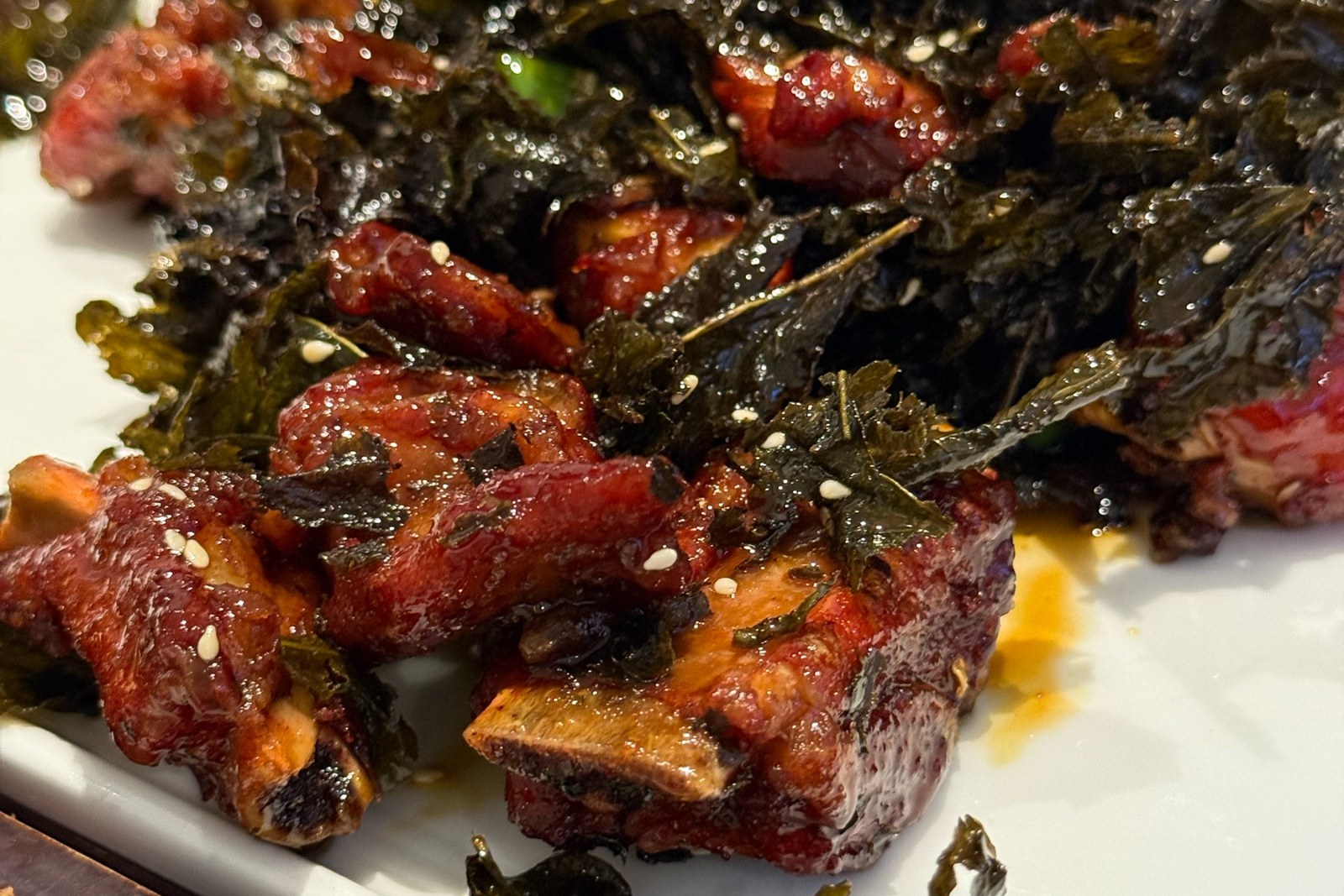
flowcloud would say that Lincang tea-leaf dishes are tea used as an ingredient – strong 滇红 Diānhóng soup braising the 五花肉 wǔhuāròu until it is 酥烂滑润 sūlàn huárùn, tender spring leaves fried crisp or scrambled with eggs, the tannin 去腥 qùxīng and the 茶香 cháxiāng sitting on top of the meat – and that the honest move is a spring round table in Fengqing with the leaf dishes first and the 茶叶糕 cháyè gāo kept for last, because the table is the county showing what it grows. All checked October 2026.
Where to find it: the spring tea table – a round table in a 凤庆 Fèngqìng county restaurant or a tea-mountain estate house while the picking is on (worth confirming the details); the cold leaf dishes arrive first, a pot of 红茶烧肉 hóngchá shāo ròu takes the middle, and the honest move is to eat the 炸茶叶 zhá cháyè while they are still crisp. All checked October 2026.