
芭蕉作碗手为筷,长桌排云是佤山。Bājiāo zuò wǎn, shǒu wéi kuài, chángzhuō pái yún shì Wǎshān – Banana leaf for a bowl and the hand for chopsticks; long tables rowed like clouds across the Wa mountains.
佤王宴 Wǎwáng Yàn the Wa King’s Banquet is the highest reception feast of the 佤族 Wǎzú Wa people, and it belongs to 沧源 Cāngyuán Cangyuan, the Wa autonomous county on 临沧 Líncāng Lincang’s Myanmar border. The name keeps its history: the 佤王 wǎwáng – the headman the Wa call their king – killed cattle and laid a long table only for war councils, migration, a victory or a honored guest, the Wa equivalent of a Manchu-Han banquet and the most a village could give. The creation myth sits underneath it: the 司岗里 Sīgǎnglǐ Sigangli story says the first Wa crawled out of a hollow in the rock, lit bonfires for stoves and sealed their alliance over food shared from banana leaves. The modern shape is the 长桌宴 chángzhuō yàn long-table banquet: raw-wood planks laid end to end, 芭蕉叶 bājiāo yè banana leaves spread as plates, and the mountain dishes carried out in baskets – 鸡肉烂饭 jīròu lànfàn chicken lanfan porridge, 烤乳猪 kǎo rǔzhū roast suckling pig, 牛排 niúpái beef ribs, 牛干巴 niú gānbā cured beef, 凉拌野菜 liángbàn yěcài dressed wild greens and 糯米饭 nuòmǐfàn glutinous rice. At the 新米节 Xīn Mǐ Jié New Rice Festival, the 木鼓节 Mùgǔ Jié Wood-Drum Festival and the 司岗里狂欢节 Sīgǎnglǐ Kuánghuān Jié Sigangli carnival in early May, the county lays the table for visitors from near and far; one 2010 Cangyuan table reportedly ran 2,270 metres worth confirming.
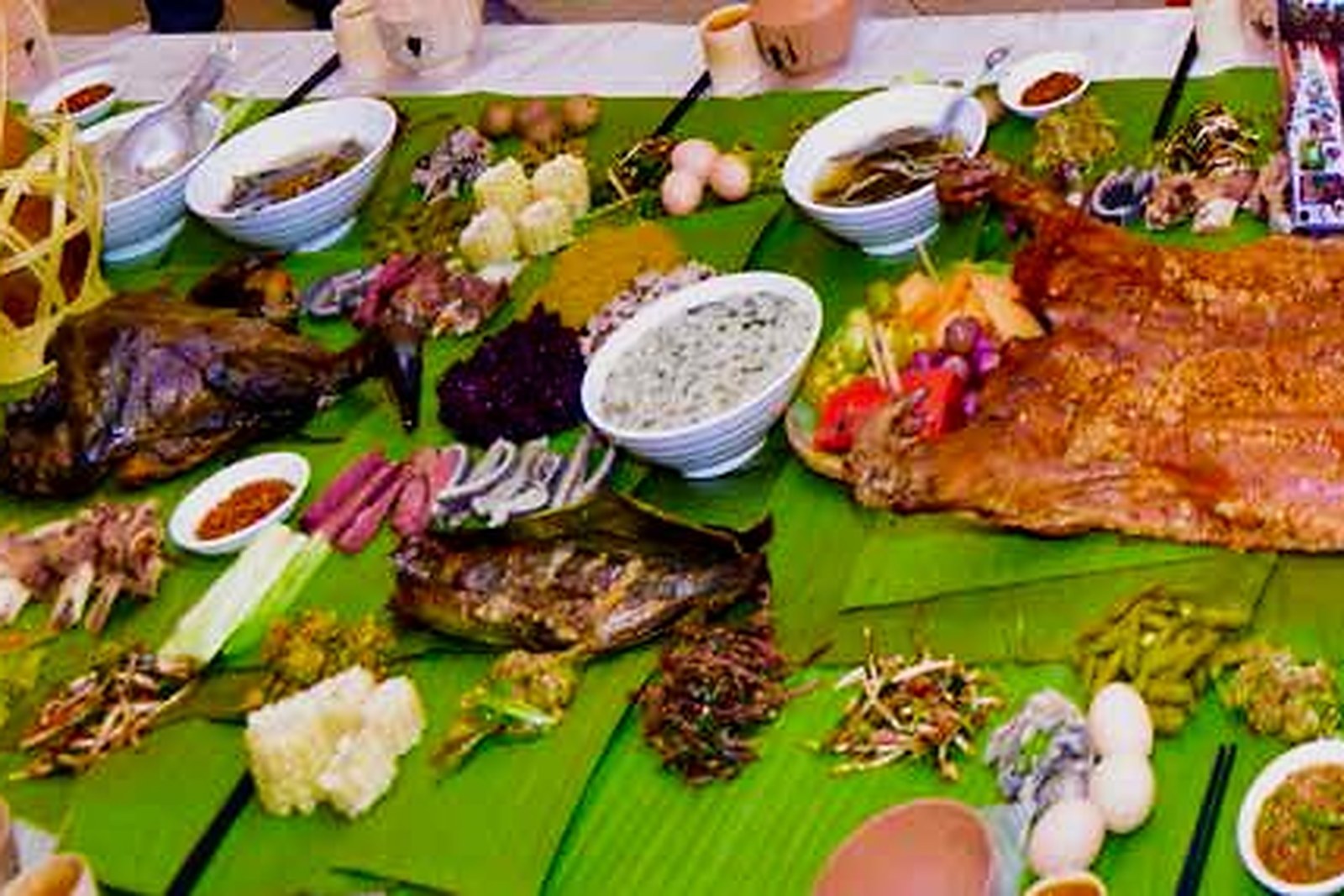
The mechanism of the banquet is sharing, not plating. Everything is eaten with the hands, under the rule 芭蕉叶当碗,手当筷 bājiāo yè dāng wǎn, shǒu dāng kuài the leaf is the bowl and the hand is the chopsticks; the pots are communal, one for the whole table, because the Wa table stands on 有肉大家吃,有酒大家喝 yǒu ròu dàjiā chī, yǒu jiǔ dàjiā hē meat for everyone to eat, wine for everyone to drink. The food comes from the mountain, not the market: the saying 绿的都是菜,动的都是肉 lǜ de dōu shì cài, dòng de dōu shì ròu everything green is a vegetable and everything that moves is meat describes a table of gathered ferns, flowers and fungi beside the roasted and boiled meats. Sour and fire run through the dishes – 酸笋 suānsǔn sour bamboo shoots and 骨头鲊 gǔtou zhǎ fermented pork bones carry the fermented edge, while 舂抓 chōng zhuā pounded dips – salt, chilli, 花椒 huājiāo Sichuan pepper, 木姜子 mùjiāngzǐ litsea, 芫荽 yánsuī – pass along the planks. The wine is 水酒 shuǐjiǔ, the sweet-sour red-millet wine, drunk through 竹筒 zhútóng bamboo tubes in the 同心酒 tóngxīn jiǔ heart-to-heart toast. The protocol is the ceremony: guests wash their hands at the door, the elder 魔巴 móbā priest chants a blessing in Wa, the 鸡头 jītóu chicken head is handed to the honored guest, and the women answer with 酒歌 jiǔgē drinking songs until the pots are empty.
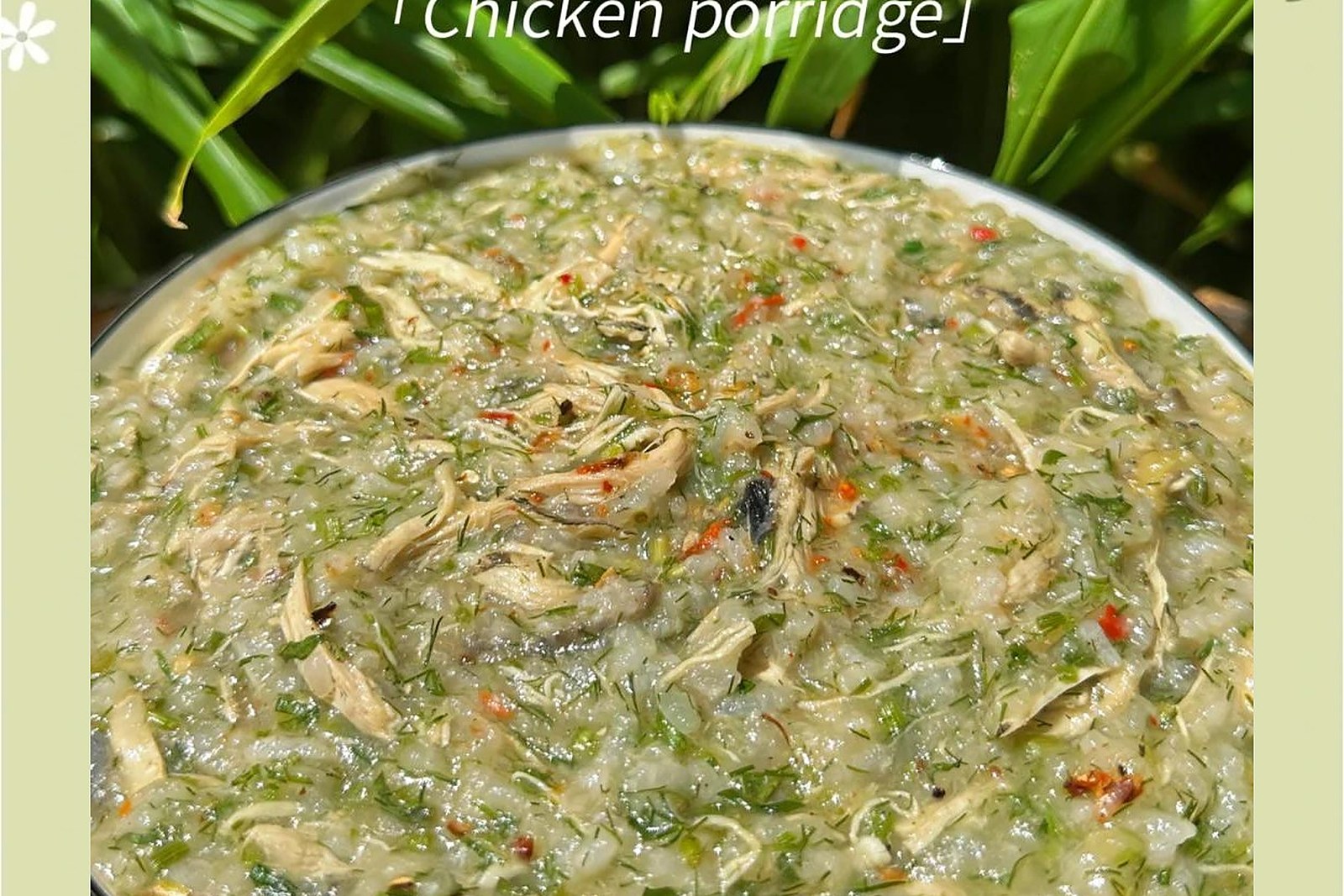
Locals eat it as a guest meal, not a weekday dinner, and a village 佤王宴 Wǎwáng Yàn has to be booked ahead – the guesthouses of the Wa villages and the county-town restaurants of Cangyuan set the long table for visiting groups, and at festival time the county eats from the same pot of 烂饭 lànfàn. A per-head set runs a moderate sum by Yunnan standards, commonly in the low-hundreds-of-yuan band for the full meat table worth confirming current houses and prices. The season is late spring, when the 司岗里狂欢节 Sīgǎnglǐ Kuánghuān Jié carnival smears the 摸你黑 Mō Nǐ Hēi medicinal mud of blessing on every face, and autumn, when the new rice is in and the 木鼓 mùgǔ log drums are hauled through the villages. The honest move is to sit, wash and eat with the hand: a bundle of 鸡肉烂饭 jīròu lànfàn off the banana leaf, a slice of 烤乳猪 kǎo rǔzhū, and the 舂抓 chōng zhuā dip for seasoning, the chilli and the litsea waking everything up. The tests are simple – the 烂饭 lànfàn should be chicken torn by hand and oily with broth, the 水酒 shuǐjiǔ sweet and barely alcoholic, and the table should look like the mountain, not a restaurant. Newcomers are warned to pace the wine, because the tubes keep coming and refusal is the one rudeness a Wa table knows. All checked October 2026.
Words and Names
佤王宴 Wǎwáng Yàn the Wa King’s Banquet · 佤族 Wǎzú the Wa people · 沧源 Cāngyuán Cangyuan · 临沧 Líncāng Lincang · 司岗里 Sīgǎnglǐ Sigangli, the Wa creation cave · 佤王 Wǎwáng the Wa headman · 长桌宴 Chángzhuō Yàn the long-table banquet · 芭蕉叶 Bājiāo Yè banana leaf · 鸡肉烂饭 Jīròu Lànfàn chicken lanfan porridge · 烤乳猪 Kǎo Rǔzhū roast suckling pig · 牛干巴 Niú Gānbā cured beef · 酸笋 Suānsǔn sour bamboo shoots · 骨头鲊 Gǔtou Zhǎ fermented pork bones · 舂抓 Chōng Zhuā pounded chilli dip · 水酒 Shuǐjiǔ Wa rice wine · 同心酒 Tóngxīn Jiǔ the shared-tube toast · 魔巴 Móbā the Wa priest · 木鼓节 Mùgǔ Jié the Wood-Drum Festival · 摸你黑 Mō Nǐ Hēi the mud-smearing carnival
What the Locals Know
- Eat with the hand from the 芭蕉叶 bājiāo yè: the leaf is the plate and the fingers are the chopsticks, and asking for a spoon marks you as an outsider before the first pot arrives.
- Book ahead and come hungry – a village 佤王宴 Wǎwáng Yàn is set for the whole table by reservation, and the meat is carried in baskets rather than plated in portions worth confirming current houses and prices.
- The 鸡头 jītóu goes to the honored guest by the elder’s hand, and the 同心酒 tóngxīn jiǔ tube is shared nose to nose – take the tube, and pace the 水酒 shuǐjiǔ, which is sweeter than it drinks.
- Look for the 烂饭 lànfàn to be chicken torn by hand into the rice, and the greens to be wild and gathered – a table of restaurant-plated courses is not the Wa banquet the listing is about.
- Time the visit to the 司岗里狂欢节 Sīgǎnglǐ Kuánghuān Jié in early May or the autumn 新米节 Xīn Mǐ Jié, when the county lays out the long tables and the 木鼓 mùgǔ drums are hauled worth confirming.
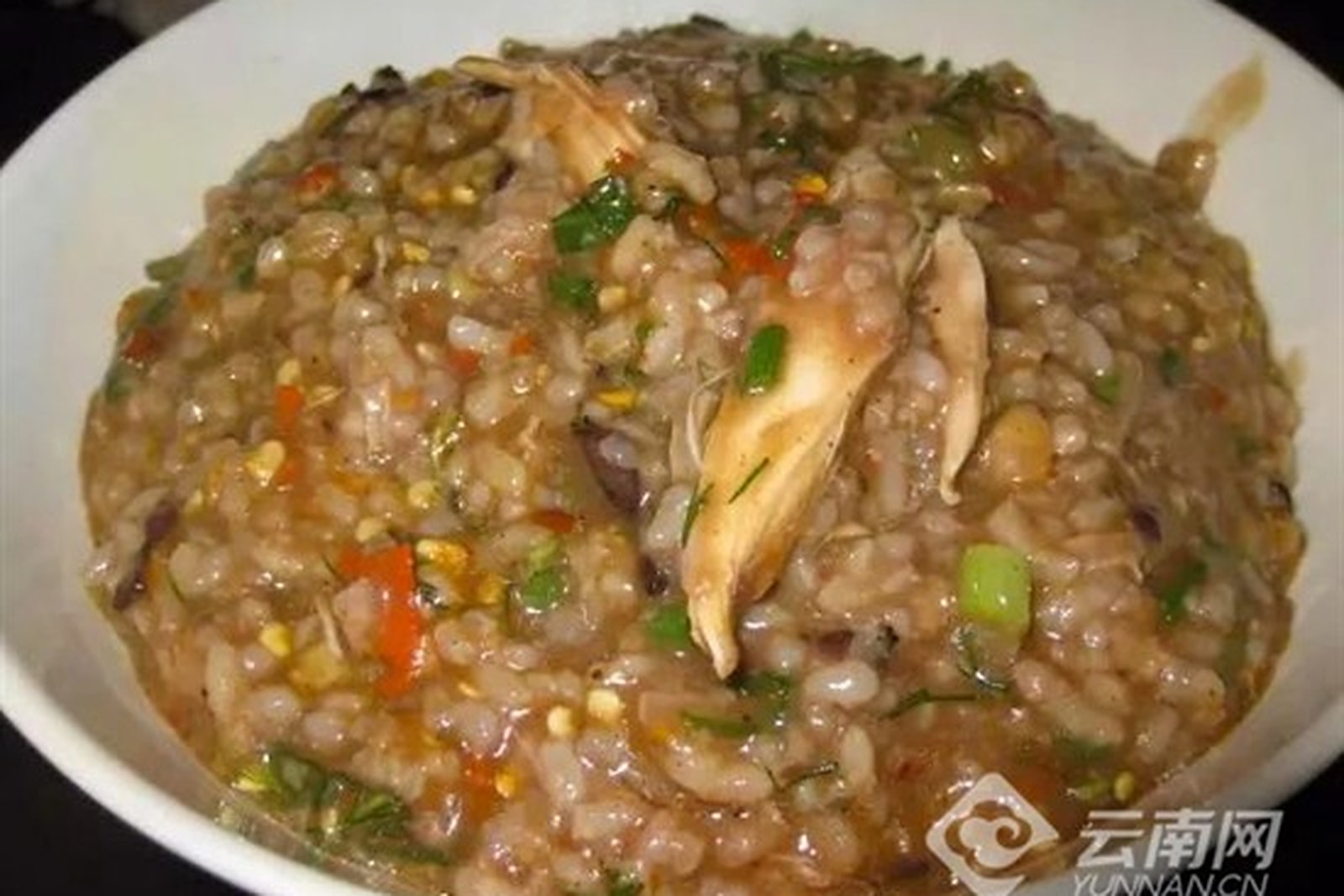
flowcloud would say that the Wa King’s banquet is the mountain laid on banana leaves – 鸡肉烂饭 jīròu lànfàn from the communal pot, 烤乳猪 kǎo rǔzhū and 牛干巴 niú gānbā off the long planks, 水酒 shuǐjiǔ through the shared tube – and that the honest move is a booked village table in Cangyuan, eaten with the hand and the wine paced, because the feast is 有肉大家吃,有酒大家喝 yǒu ròu dàjiā chī, yǒu jiǔ dàjiā hē and the table itself is the point. All checked October 2026.
Where to find it: the Wa-village guesthouses and county-town restaurants of 沧源 Cāngyuán, where the long table is set ahead for visiting groups, and at festival time the county eats from the same pot (worth confirming the details); a per-head set commonly runs in the low hundreds of yuan, and the honest move is to book through a village guesthouse a day ahead. All checked October 2026.