
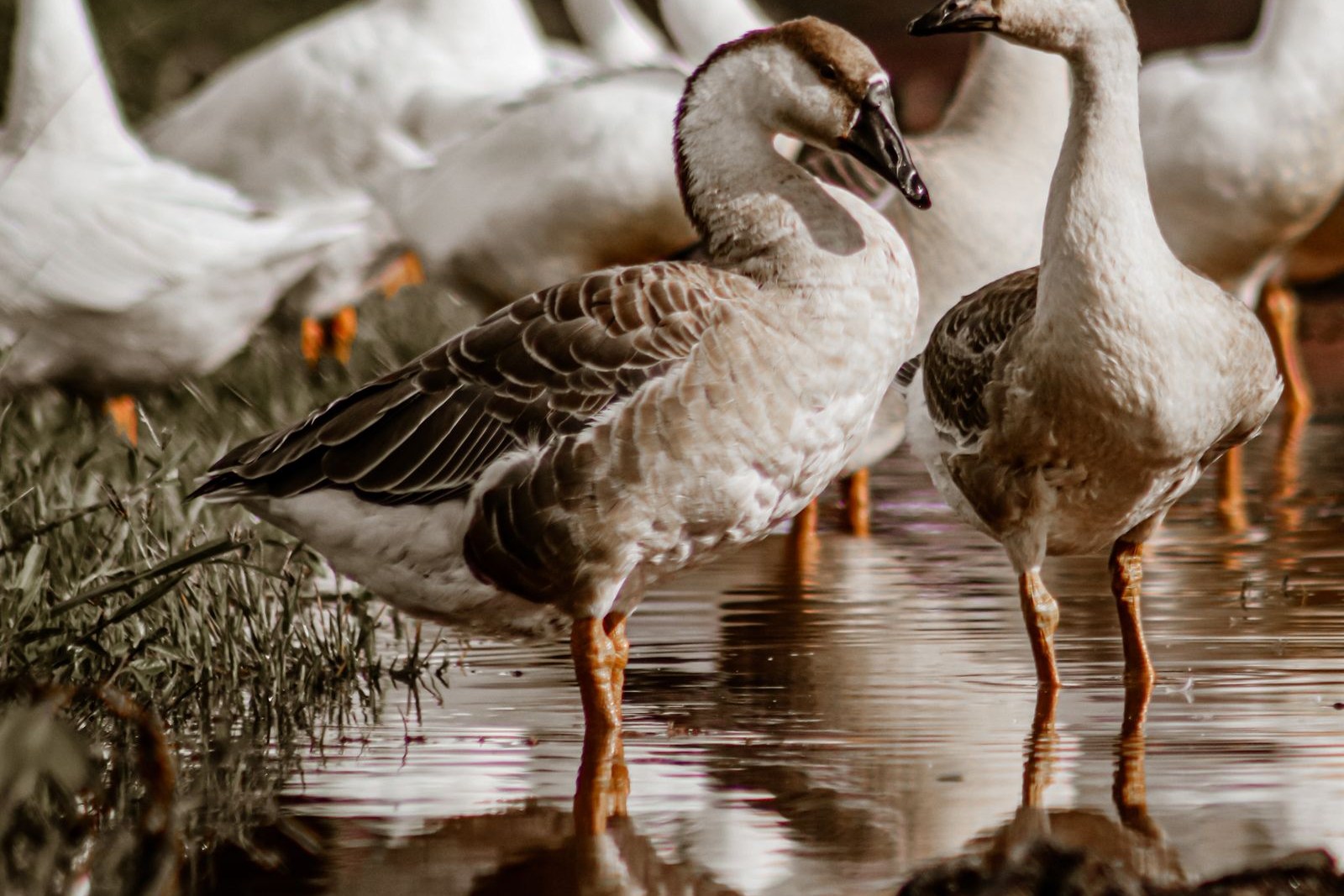
六弓鹅 Liùgōng é, the Liugong goose, is the meat goose of 六弓乡 Liùgōng xiāng Liugong Township in 保亭黎族苗族自治县 Baoting Li and Miao Autonomous County, a native goose with two clean official files behind it: a national geographical-indication certification mark approved on 28 March 2020 and a place on the 2021 national one-village-one-product list for meat geese. The bird is grazed out in the mountain streams and paddies, drinking spring water and pecking at mineral soil, feeding mostly on grass and grain, and it is served the way a Hainan festival table wants it, three ways at once. The site’s other goose pages keep their towns; this one keeps Liugong.
The register entry is exact and worth reading as written. 保亭六弓鹅 is a national GI certification mark, application number 33629273, approved on 28 March 2020, registered to the Baoting county agricultural service centre. The second file is the industry’s: in 2021 Liugong Township, for its meat geese, entered the eleventh batch of the national one-village-one-product demonstration townships, a recognition by the agriculture ministry published through the provincial ethnic-affairs commission. The two dates do two different jobs and are kept apart here, with 2020 the trademark grant and 2021 the township’s industry listing, and neither is a claim about which goose tastes best, because no such ranking exists.
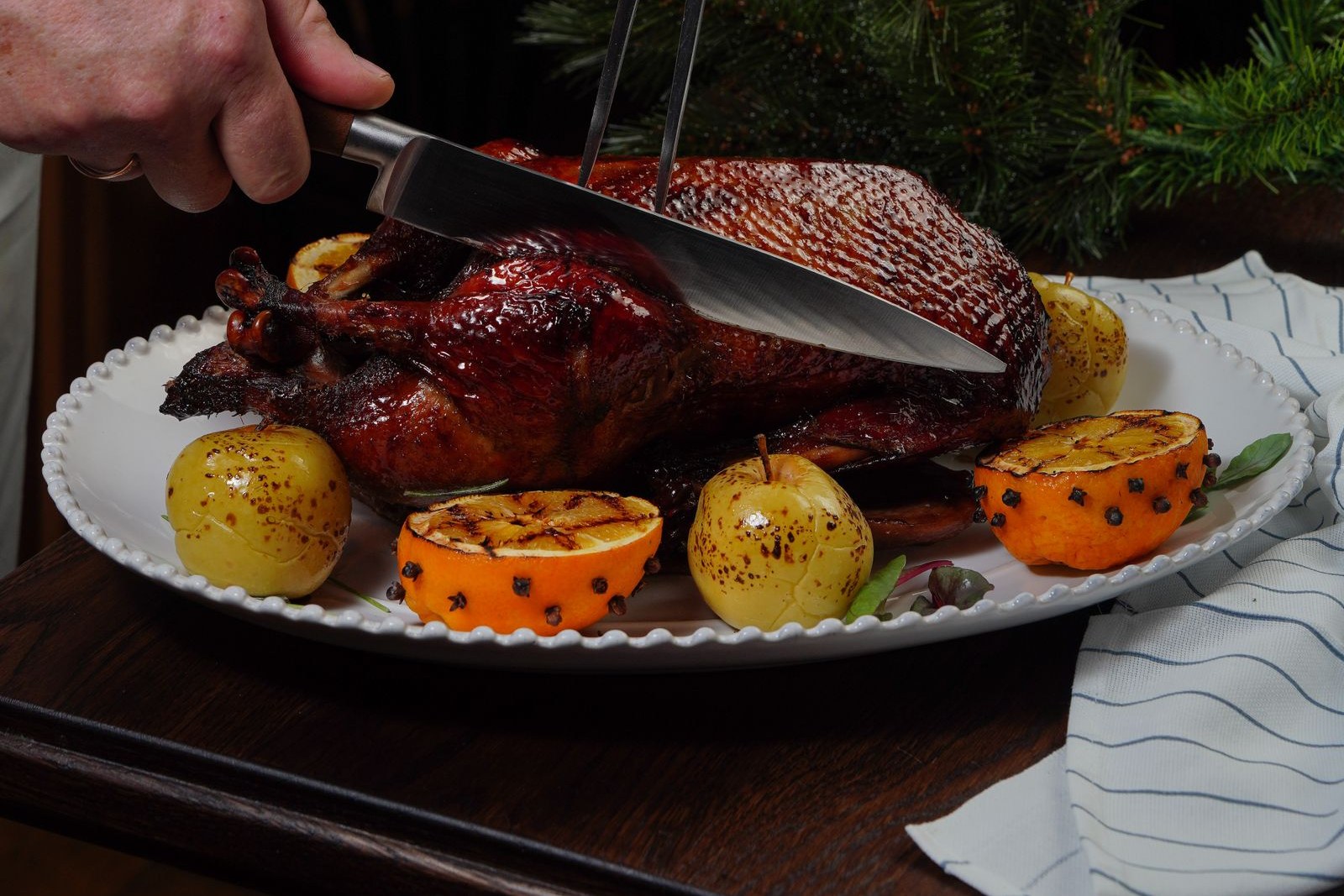
The keeping is what the county says gives the meat its character. The geese are grazed on the streams and fields, drink mountain spring water, peck at mineral-rich earth, and live on grass and the five grains; a lot of walking and natural foraging, in the register’s words, produce firm meat, thin skin, a thick layer of flesh, crisp smooth skin and a good aroma. A cooperative chairman puts it more directly: they feed no compound feed and are kept free a long time, so the meat is good, savoury and chewy, and the county adds that a bird generally takes more than half a year to finish. The signature is 六弓鹅三吃, Liugong goose three ways, as the local restaurants bill it: white-cut goose, poached and served with a ginger dip, pale yellow, smooth and light; dry-fried goose, the farmhouse tradition of slowly frying the bird with sand ginger and garlic until it is bright red and firm with a lingering savour; and a dry-pot goose offal, the heart, gizzard, liver, intestine and blood cooked with sour chilli and local celery for a sharp, rice-friendly plate. At festivals Liugong households must have the white-cut bird on the table.
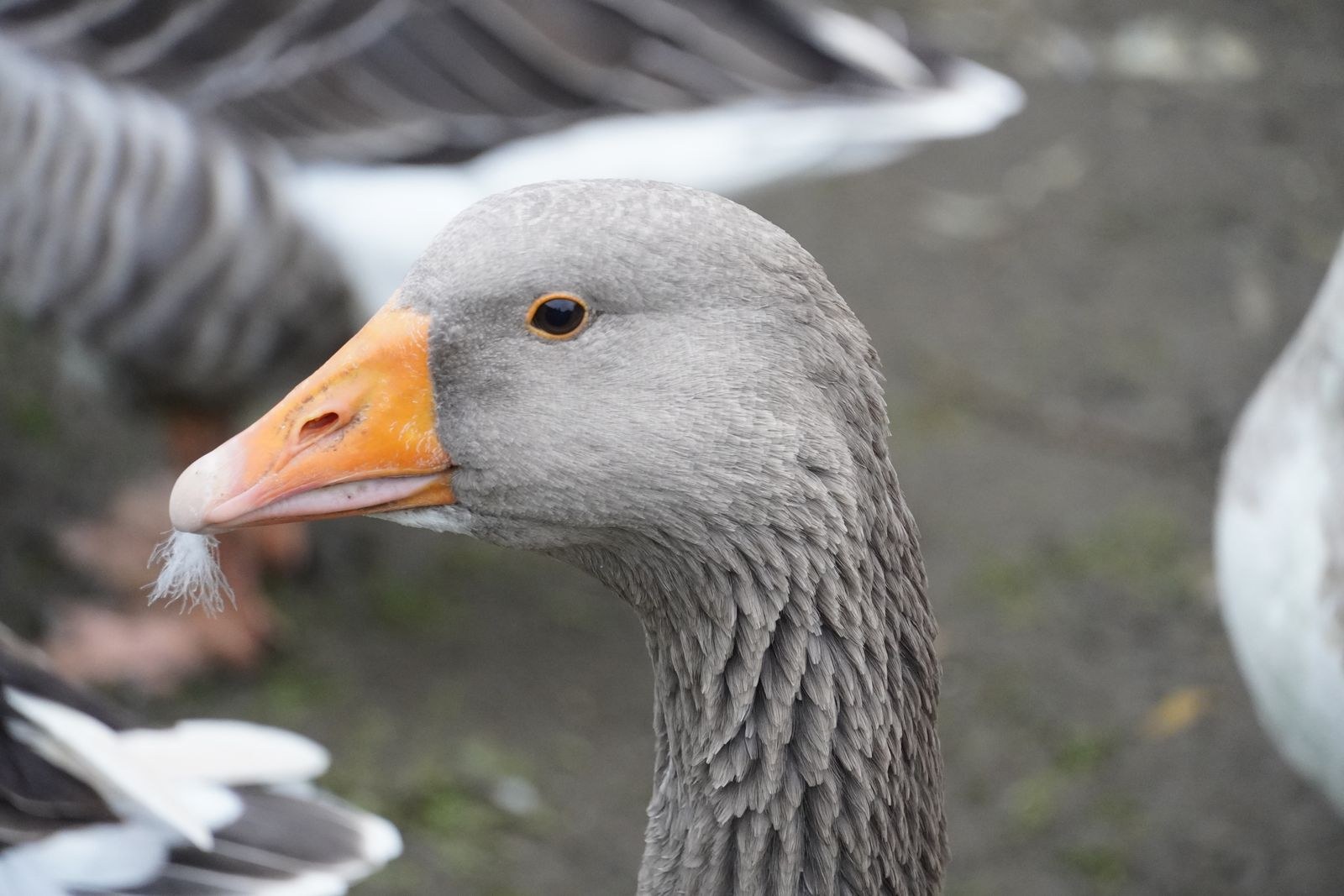
The scale needs two frames because the sources use two, and they must not be merged. The 隆达六弓鹅养殖专业合作社 Longda Liugong Goose Breeding Cooperative, the county’s largest base and a production-and-research operation, was put at 8,000 meat geese a year in a 2021 provincial ethnic-affairs commission account, and a 2023 report found more than 1,800 geese on site with about 600 ready for sale, an output value of 110,000 yuan for the first half of that year, and 200,000 yuan added to the village collective income the year before under a cooperative-plus-farmer model. The township as a whole, in the same 2023 reporting, had one hatchery base and four breeding bases, annual adult-goose sales above 25,000 and a yearly value holding steady past 3.5 million yuan, with dividends to five village collectives totalling 600,000 yuan over three years. The cooperative’s 8,000 and the township’s 25,000 are a single base and a whole township, and this text keeps them apart. A village sample adds the local-government detail: in 大妹村 Damei village the party branch stocked four collective fish ponds, put a first batch of 1,000 geese on the market county-wide, and lifted the village’s collective income from 14,000 yuan in 2021 to more than 470,000 in 2023.
The production model is a deliberate one: a demonstration base plus farmers plus order raising, run to green-food standards, with the cooperative setting the breed selection, the nutrition, the free-range method and the best marketing age. Alongside it sits a second engine in the township, an ecological-agriculture company working with three or four villages that pays more than 200,000 yuan a year in collective dividends and 2,000 yuan a mu a year in land rent while employing villagers at two thousand a month and more, figures that belong to the township’s passion-fruit line, mentioned once here for the shape of the place. Liugong’s wider farm economy is two crops: passion fruit, past eight million jin and sixty million yuan a year at its latest count, and the goose. The brand has been to market already: at the 2016 winter agricultural fair the Liugong goose drew positive notices for its green, healthy character, an event note rather than a certificate. What the record refuses: any retail price for a live or white-cut goose, which no source prints, so none is given here; any claim that the 2016 fair appearance was a geographical indication, because the grant came four years later; and any fourth way to cook the bird, which the sources do not list.
Words and Names
六弓鹅 Liùgōng é is the goose, named for 六弓乡 Liùgōng xiāng Liugong Township. 白斩鹅 báizhǎn é is the white-cut bird, 干煸鹅 gānbiān é the dry-fried one, 干锅鹅杂 gānguō é zá the dry-pot offal. 山姜 shānjiāng, sand ginger, is the aromatic the dry-fried version runs on. 一村一品 yī cūn yī pǐn, one village one product, is the national township programme, and 隆达 Lóngdá is the cooperative name. The site’s other goose pages stay in their own counties, Qionghai’s soup goose and Maogang’s roast and Baisha’s herb-steamed Nancha bird among them; Liugong’s is the stream-grazed township goose served three ways.
What the Locals Know
Two visits make the story. In 六弓乡 Liugong Township the cooperative’s base is open to groups by arrangement rather than as a walk-in attraction, and the Damei village ponds show the collective-farm side of the trade, so the honest advice is to arrange access ahead through a county tour or the cooperative itself. Back in the county seat, white-cut Liugong goose turns up on the farm-stay and hotel menus; one long-standing farm-stay kitchen on the road toward the hot springs keeps local goose dishes without naming a supplier, so this text does not point at it as a Liugong house. The route the county draws is simple: follow the road toward the Lingshui line for half an hour and watch the geese working the streams, then come back to town and eat the white-cut bird, the goose in the creek and the dish on the table.
That said, the surest taste is at a county table on an ordinary evening, when the white-cut goose is the house standard and the offal pot is on the stove. What the record refuses: any current menu price, which no source gives; any claim of a best or first goose in Hainan, which does not exist; and any straight equation between the cooperative’s output and the township’s, which measure two different things.
flowcloud would say that the Liugong goose is a small township’s bird with two official files, a trademark approved in March 2020 and a national one-village-one-product listing in 2021, raised on spring water and grass and served the way the festival table wants it, three ways at once.
Where to find it: 六弓乡 Liùgōng xiāng Liugong Township, with the 隆达 Longda cooperative base and the 大妹村 Damei village fish ponds, and the county-seat farm-stay and hotel tables, in 保亭黎族苗族自治县 Baoting Li and Miao Autonomous County, Hainan; cooperative visits by arrangement, farmhouse kitchens otherwise. Ask for the white-cut bird, the dry-fried one and the offal pot together, and confirm the day’s price at the table.