
Longzi Black Barley — the Dark Grain of the High Fields
黑穗摇风隆子田,一捧糌粑香更沉 Hēi suì yáo fēng Lóngzǐ tián, yī pěng zānbā xiāng gèng chén – Black ears sway in the wind over Longzi’s fields; a handful of tsampa carries a deeper fragrance
隆子黑青稞 Lóngzǐ Hēi Qīngkē Most highland barley on the plateau is golden; in 隆子县 Lóngzǐ Xiàn Longzi county, on some of the highest farmland anyone still tills, the grain ripens nearly black. The dark-hulled barley – a landrace adapted to short summers, brutal UV and thin soil – gives flour with a deeper, nuttier, faintly sweet edge, and locals insist the black tsampa made from it is the most filling bowl on the plateau.
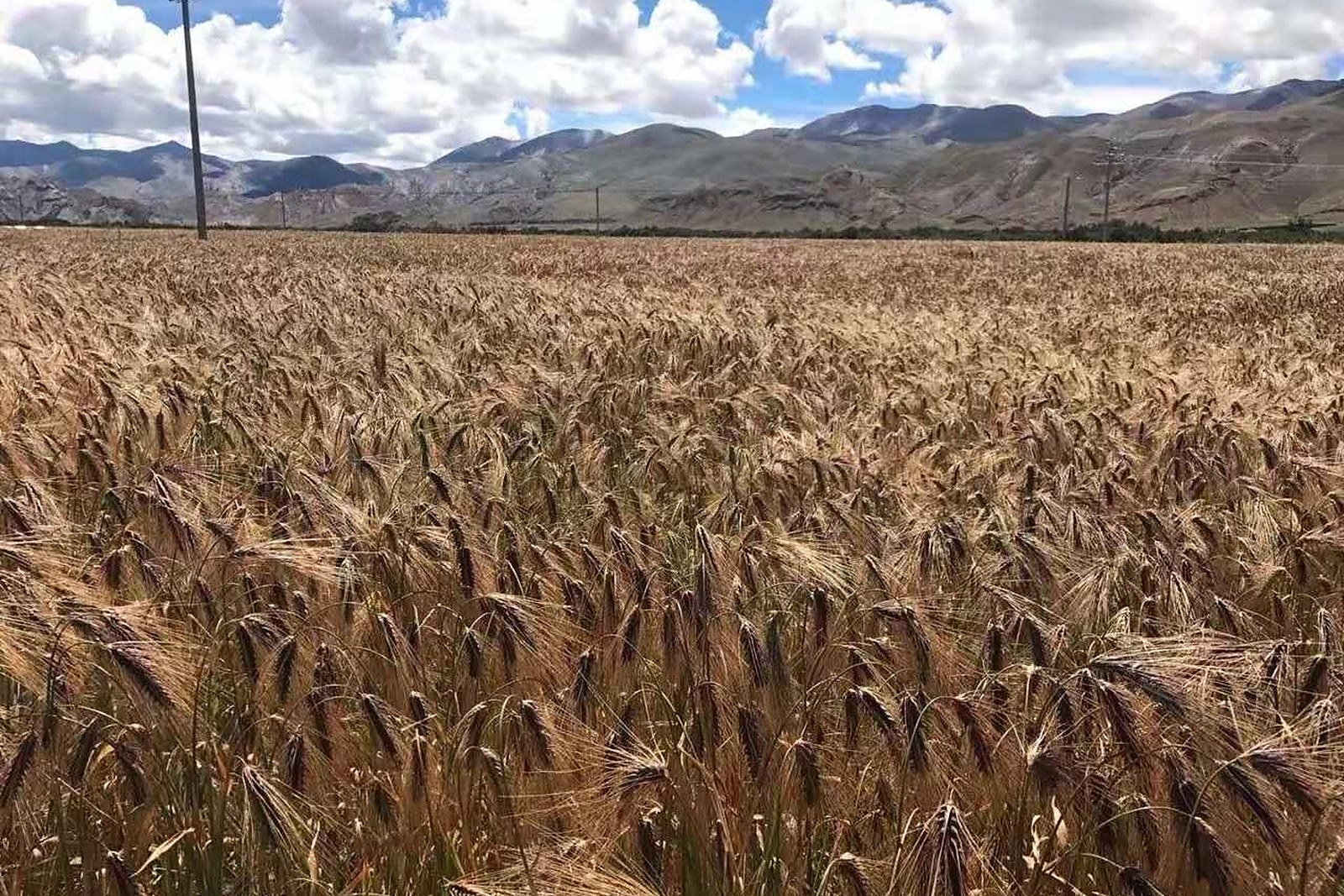
The county grows it as it has for generations: narrow field terraces at extreme altitude, worked by hand and two-cow ploughs, the black heads nodding where golden barley would wave. The crop is now a protected geographical-indication product – its name tied legally to the county – and harvest season turns the valley floors a rare dusky purple that photographers come hunting in late summer.
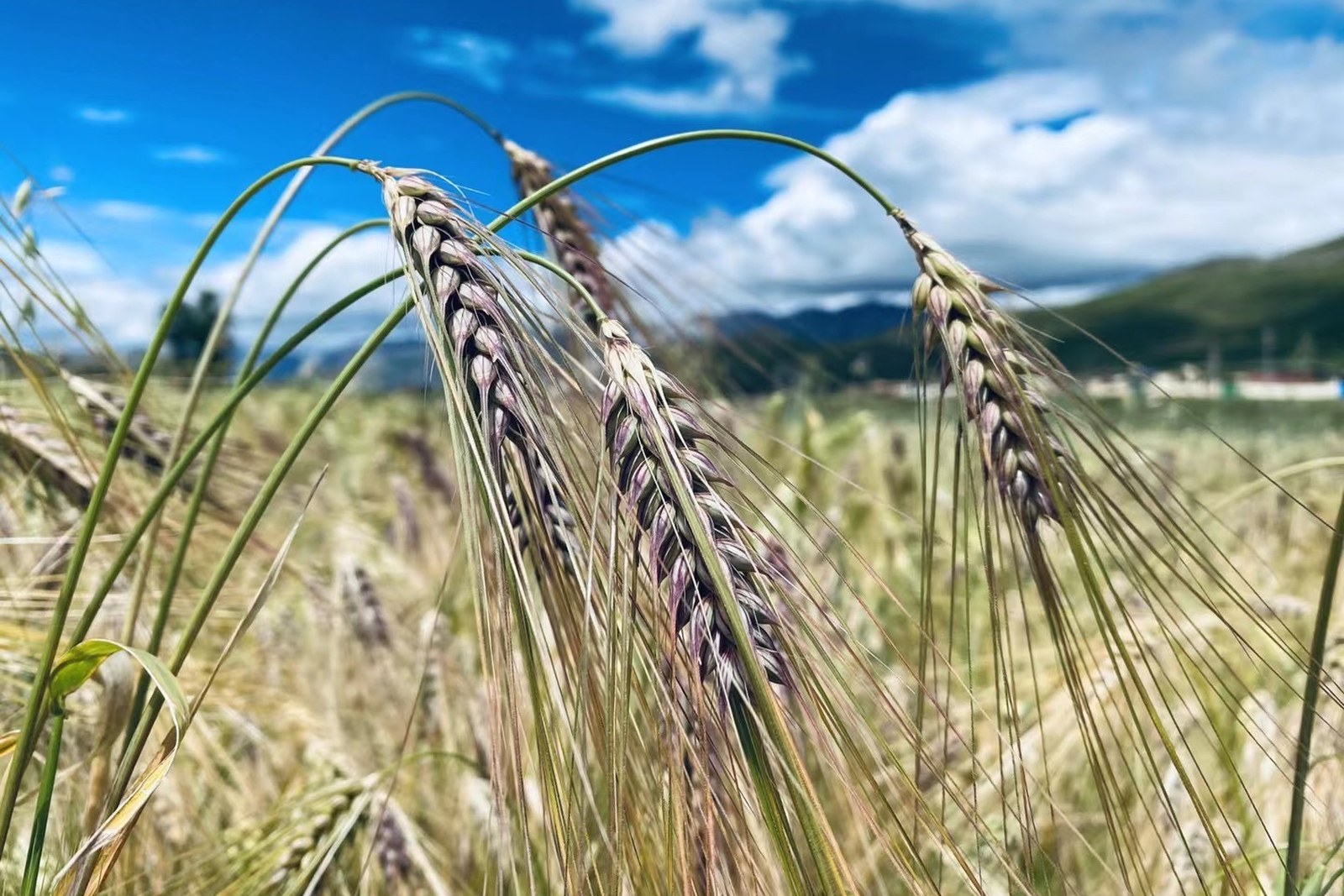
In the kitchen, black barley leads two lives. Roasted and stone-milled it becomes the dark 糌粑 zānbā tsampa – kneaded with butter tea into the traveling dough-ball of the plateau, with a heavier, toastier depth than the pale standard. Whole and pearl-milled it goes into soups and porridges, or the simple boiled-grain bowls that sit beside meat dishes in county-town restaurants. Either way the flavor signature is the same: more roast, more grain, more bottom.
Travelers taste it best at the source. County-town restaurants in Longzi serve black-tsampa balls and black-barley porridge the way lowland towns serve rice – as the base of the meal – and the autumn markets sell sacks of the grain whole for visitors to carry home. Nutritionists like the grain for its fiber and its dark pigment compounds; farmers like it because, at the roof of the farmland world, it is the crop that has never once failed them.
Words and Names
隆子黑青稞 Lóngzǐ Hēi Qīngkē Longzi black barley, the high-altitude dark landrace; 糌粑 zānbā tsampa, the roasted barley flour staple of the plateau; 青稞 qīngkē highland barley, the base crop of Tibetan agriculture; 地理标志 dìlǐ biāozhì geographical indication, the protected-source status the county’s grain holds; 隆子县 Lóngzǐ Xiàn Longzi county, home of the black fields. The same 山南市 Shānnán Shì Shannan holds more flavors worth chasing: 卡赛 kǎsài the golden festival pastry, 桑日葡萄 Sāngrì Pútáo the riverside grapes of Sangri, 桑耶素斋 Sāngyē Sùzhāi the monastery-town vegetarian table, or 羊湖羊 Yánghú Yáng the lakeside lamb of Yamdrok – four more doors into the same Shannan table.
What the Locals Know
Locals judge black tsampa by the depth of its roast aroma, and they say the dark grain simply “keeps you warmer” – a claim nutrition-minded visitors translate into fiber content. Farmers save seed from their own best heads every year, which is how a landrace stays a landrace. And the porridge, not the flour, is the winter breakfast of choice: slow, filling, and sweeter than the golden barley’s version. All checked November 2026.
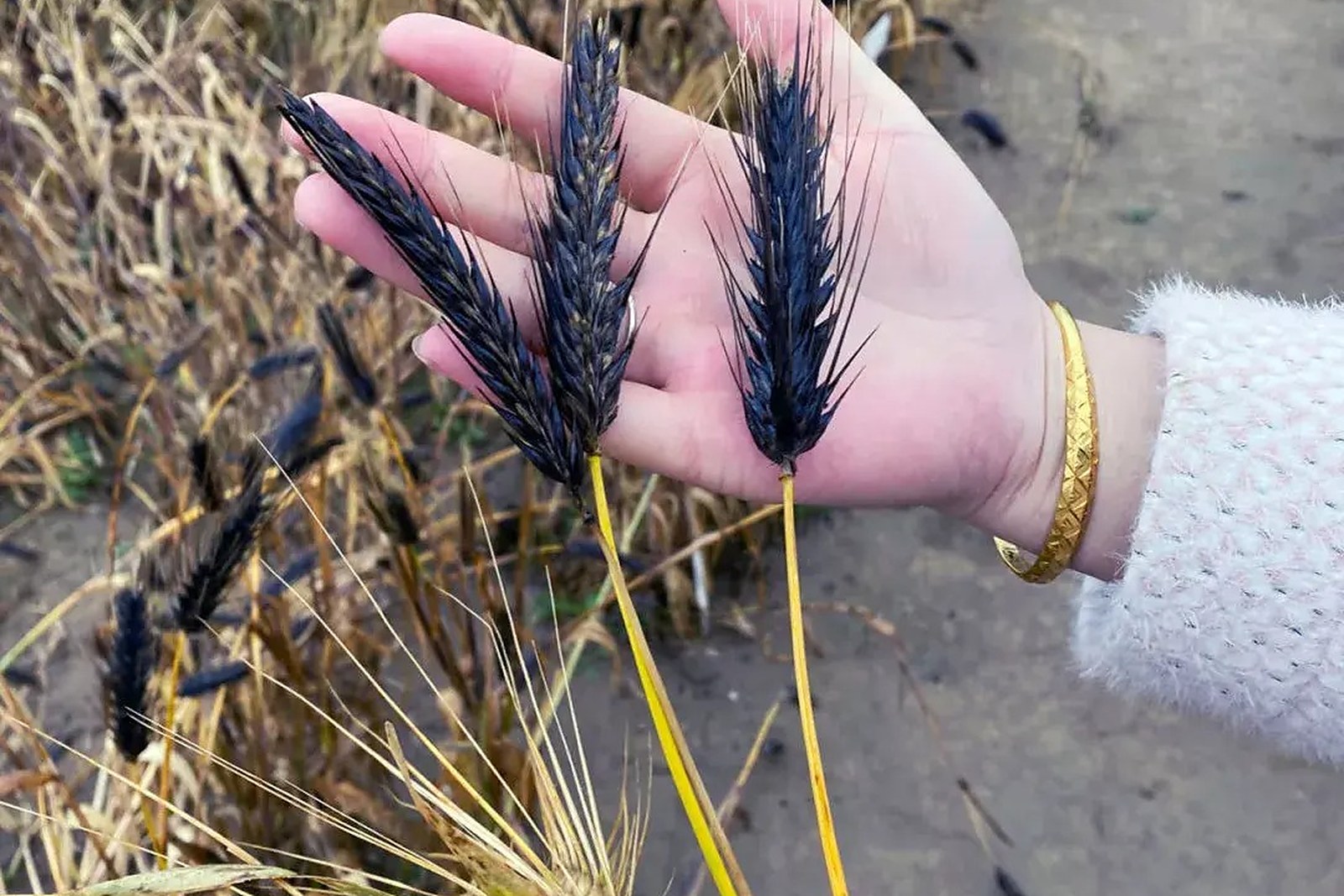
flowcloud would say Longzi’s barley is the plateau eating its own altitude – darker grain for thinner air, and a porridge that argues back at the cold.
Where to find it: County-town restaurants in Longzi serve it as the daily staple, and the county’s grain co-op shops sell the flour and whole grain; food streets in 山南市 Shānnán Shì Shannan carry black-tsampa bowls alongside the golden standard. All checked November 2026.