
Lujiazui Dining: Super Brand Mall and IFC Food Floors, High-Rise View Restaurants and the River-View Tables of Pudong New Area, Shanghai
陆家嘴上江风起,高楼食层客如潮。Lújiāzuǐ shàng jiāngfēng qǐ, gāolóu shí céng kè rú cháo – At Lujiazui the river wind rises off the water; in the towers’ dining floors the tide of diners runs like the tide itself.
陆家嘴商圈餐饮 Lújiazui shāngquān cānyǐn Lujiazui dining-district eating is the tower food trade of the 陆家嘴 Lújiāzuǐ Lujiazui financial district in 浦东新区 Pǔdōng Xīn Qū Pudong New Area, Shanghai – the skyline point between the river’s bends where the towers keep their own eating economy two storeys above the street: the food floors of 正大广场 Zhèngdà Guǎngchǎng Super Brand Mall running from fast counters to family tables, the restaurant levels of 上海国金中心商场 Guójīn Zhōngxīn the IFC Mall stacking branded kitchens and business rooms, and the 高层景观餐厅 gāocéng jǐngguān cāntīng high-rise view restaurants held in the towers themselves, where the 江景餐桌 jiāngjǐng cānzhuō river-view dining tables look back at the Bund across the water (worth confirming the details – which brand holds which mall floor or which tower’s restaurant levels turns over with the retail seasons, and the tenant lists are best confirmed at the mall directories on the day). The register is the district’s own: cooking priced and paced for the 白领午餐客流 báilǐng wǔcān kèliú white-collar lunch crowd that floods the malls at the noon bell, the same floors converting to the dinner-and-view trade after the offices empty. The clientele splits by the hour: badge lanyards at the food floors from noon to one-thirty, view-table bookings from seven onward. The blunt definition: the district that eats by the office bell at noon and by the river view at dusk – the taste of Pudong eaten at altitude.
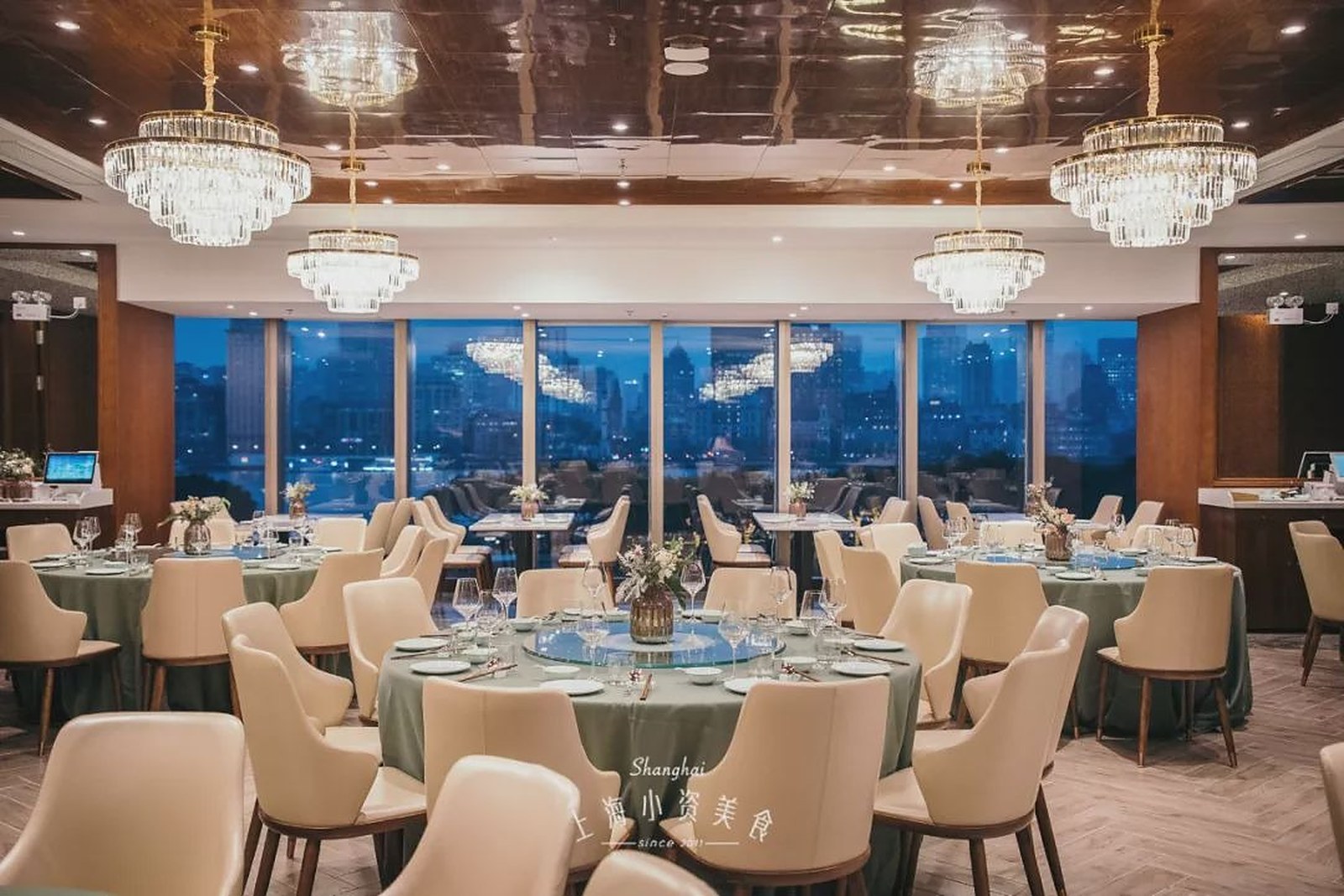
Call it honestly: tower money on an office clock. Getting there is one door: 地铁2号线 dìtiě èr hào xiàn Metro Line 2 to 陆家嘴站 Lújiāzuǐ zhàn Lujiazui station opens onto the whole commercial reach, the malls and the tower dining levels linked by the pedestrian bridges and the malls’ own corridors (worth confirming the details for which exit fronts which mall, the overhead connections shifting with the district’s construction seasons). The price spread is the registers’: a mall food-floor plate runs to casual money, a branded mall restaurant to mid-range money, and a high-rise view-table dinner toward occasion money with the view priced in – though exact figures are worth confirming the details on rather than quoting, the view restaurants repricing by window seat and season and the food floors running daily promotions for the office tide. The crowds run to the bell: weekday noon-to-two floods the food floors with the white-collar wave, weekend afternoons hand the malls to the family tide, and a weekday mid-afternoon, when the food floors thin between rushes and the view restaurants reset for dinner, is the eater’s own hour (worth confirming the details for individual kitchens’ hours, which follow the office calendar more than the city’s).
The honest star is the double register itself – food floor by day, view table by dusk – and each half is graded on its own. What gets oversold is the “world dining capital” framing: guides sell a tower district where every table overlooks the river, and a first-timer may meet an ordinary mall economy of food-court trays, queue screens and chain frontages – which is not the disappointment but the point. What repays the effort is reading the two halves against each other: a food floor judged by whether the noon queue is badge lanyards rather than tourists, a branded kitchen judged by whether the weekday tables are regulars from the towers above, a view restaurant judged by whether the food answers the window or hides behind it. The test costs nothing: eat the food floor at the bell and book the view table at dusk on the same day, and let the district grade its own halves – the register that feeds the towers at noon is the certificate (worth confirming the details – the floors migrate with the leases, and today’s queue-screen counter may be next season’s branded room).
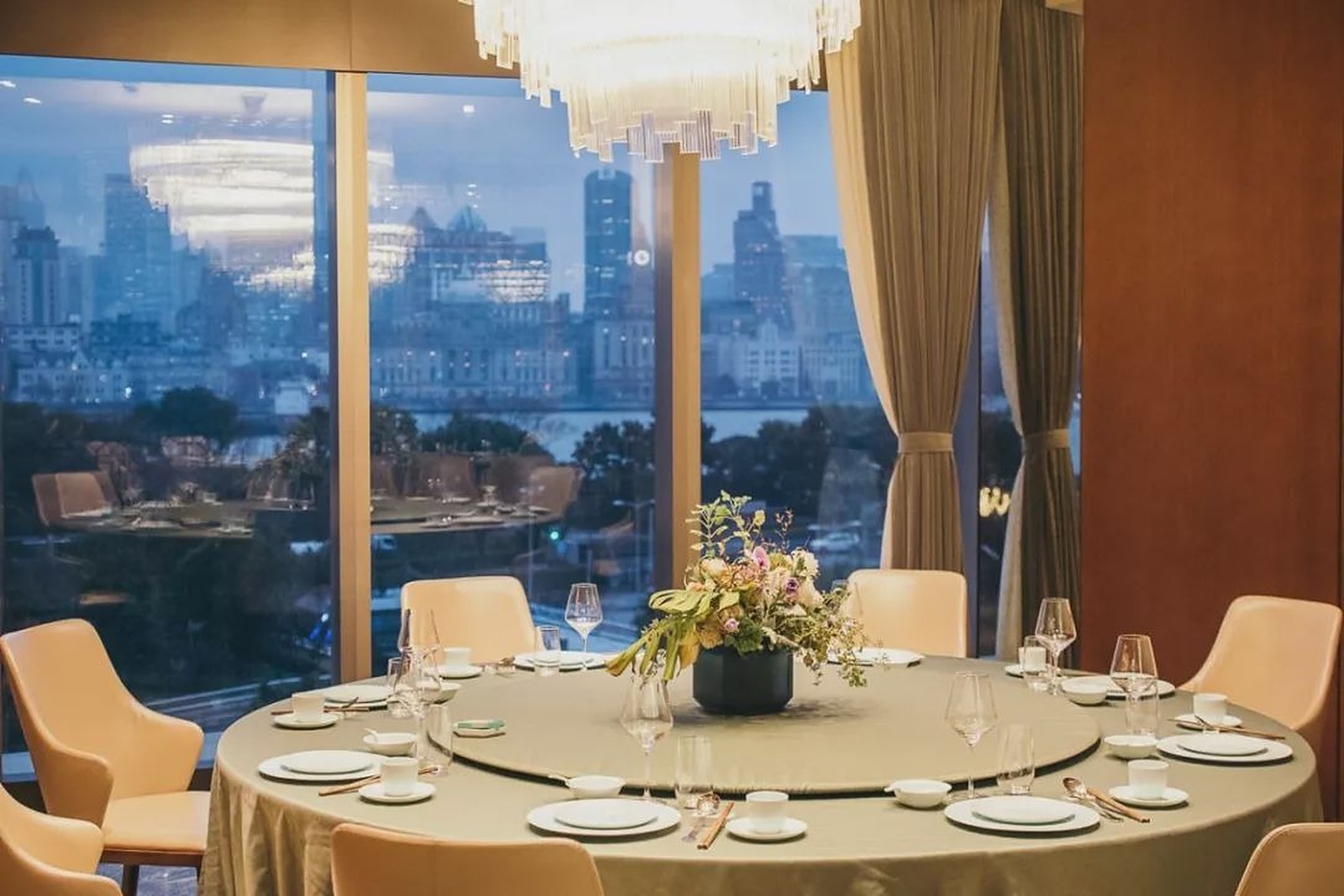
The district’s deepest habit is the lunch bell arithmetic: food floors that plan their kitchens around the noon-to-two wave, prep that starts before the offices open, and counters that price set lunches down to the minute of the tower crowd’s break – a discipline the dinner trade never sees. Time it right – the food floor at twelve sharp, the view table at seven – and Lujiazui explains itself better than either half alone: the towers built the tide, and the malls learned to feed it (worth confirming the details – which kitchens keep full evening service on weeknights, the dinner trade thickening with the theatre and river-walk seasons and thinning on wet midweeks).
The rest of this Pudong list keeps other tables: the root-kitchen banquets of 三林本帮菜 Sānlín běnbāng cài Sanlin benbang cooking simmer a metro ride south at Sanlin, the flaky-pastry ovens of 高桥松饼 Gāoqiáo sōngbǐng Gaoqiao songbing bake at the river mouth, the canal snack line of 新场古镇小吃 Xīnchǎng gǔzhèn xiǎochī Xinchang Old Town snacks steams down the Line 16 reach, and the international street tables of 碧云路国际餐饮街 Bìyún Lù guójì cānyǐn jiē Biyun Road international eating street cook in five tongues at Jinqiao – one district, four more tables, all inside 浦东新区 Pǔdōng Xīn Qū Pudong New Area; and when the tower afternoon needs a bed with a view or a route onward, the stay-and-street notes for the district pick up where the river tables leave off.
Words and Names
What the Locals Know
flowcloud would say that the 陆家嘴商圈餐饮 Lújiāzuǐ shāngquān cānyǐn is the mall food floors and the river-view restaurant levels of Pudong New Area, Shanghai – a 双钟美食 shuāng zhōng měishí double-clock discipline where the 白领午餐 báilǐng wǔcān white-collar lunch bell answers the dusk bookings and the 江景餐桌 jiāngjǐng cānzhuō river-view tables of the towers – and that the honest move is to read which clock you are eating on, take the food floor at the bell, and let the noon queue’s badge lanyards cast the vote, because the towers built the tide and the malls learned the arithmetic. All checked October 2026.
Where to find it: 浦东新区 Pǔdōng Xīn Qū Pudong New Area, Shanghai – the tower eating registers of the 陆家嘴 Lújiāzuǐ Lujiazui financial district: the food floors of 正大广场 Zhèngdà Guǎngchǎng Super Brand Mall and 上海国金中心商场 Guójīn Zhōngxīn the IFC Mall, and the 高层景观餐厅 gāocéng jǐngguān cāntīng high-rise view restaurants of the surrounding towers, all served by 陆家嘴站 Lújiāzuǐ zhàn on Metro Line 2, where the district keeps the office clock – weekday noon the 白领午餐 báilǐng wǔcān white-collar wave on the food floors, weekend middays the family tide through the malls, dusk the view-table bookings, weekday mid-afternoon the eater’s own (worth confirming the details – which brand holds which mall floor or tower level today, the doors migrating with the retail seasons); casual to occasion money by the register, so call it worth confirming the details rather than a fixed number, and let the noon queue’s badge lanyards cast the vote. Lujiazui dining is the Super Brand Mall and IFC food floors, high-rise view restaurants and the river-view tables of Pudong New Area, Shanghai – the taste of 浦东新区 Pǔdōng Xīn Qū Pudong New Area eaten at altitude between the lunch bell and the river lights. All checked October 2026.