
The Cellar Under Lutai: Lutaichun Baijiu
老五甑里粮成酒,一窖藏香三十年 Lǎo wǔ zèng lǐ liáng chéng jiǔ, yī jiào cáng xiāng sānshí nián – In the old five-zeng steamer the grain turns to liquor; one cellar holds thirty years of fragrance
芦台春酒 Lútái Chūn jiǔ is Ninghe’s house baijiu, distilled in the Lutai quarter of 天津市宁河区 Tiānjīn Shì Nínghé Qū Ninghe District – a bran-starter, strong-aroma spirit built on the old five-zeng craft, where sorghum cycles through five steamer rounds and ages in ceramic jars in cellars under the distillery floor. The bottle sits at every proper Ninghe banquet table: wedding feasts, New Year rounds, and the eight-bowl village dinners where a pour accompanies each course.
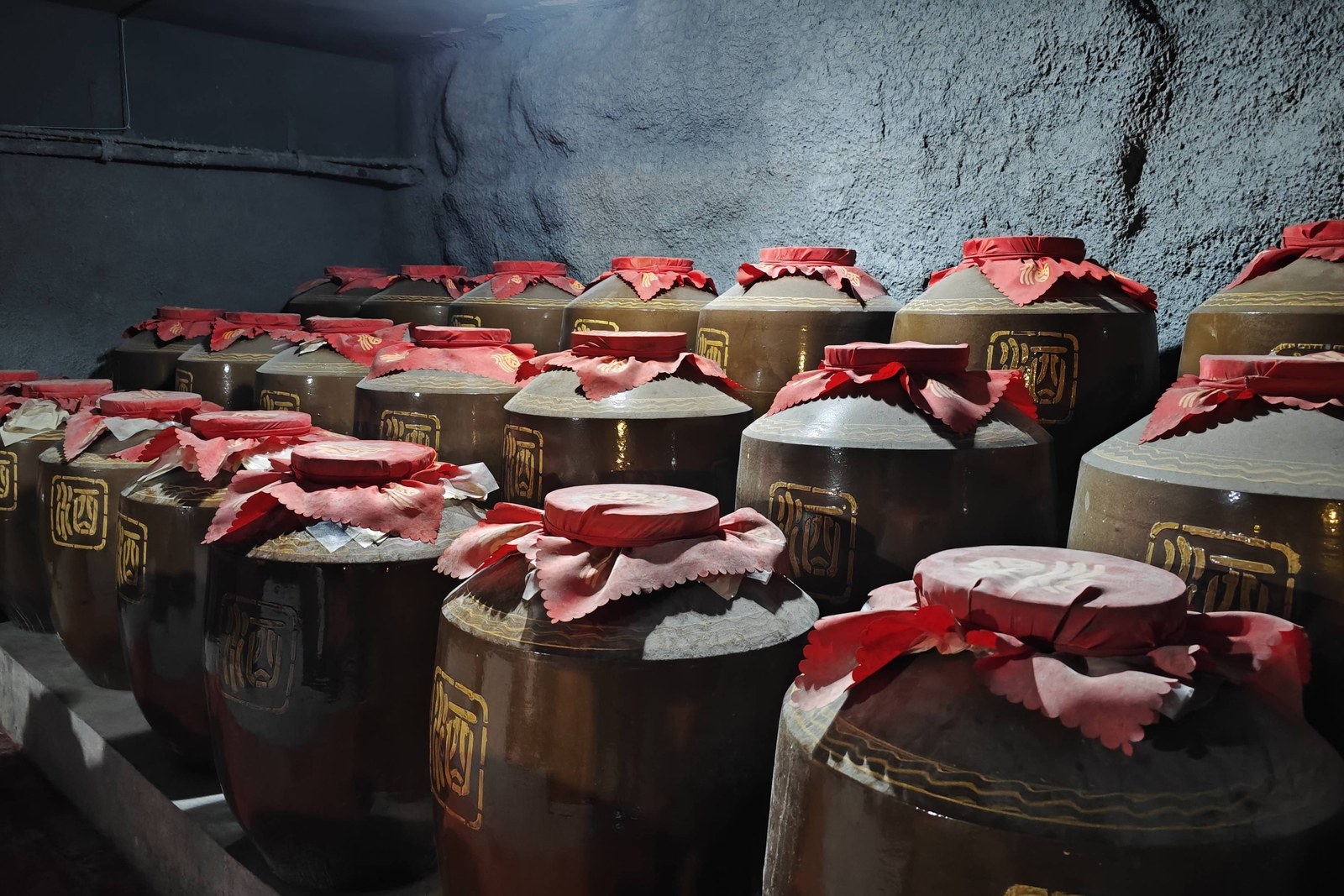
The craft is the sell. Bran starter ferments fast and clean, the five-zeng method steams grain and distills in shifting rounds so no flavor runs off half-developed, and the new spirit goes down into clay jars to round its edges in the dark. The distillery runs tasting rooms above ground and racks of sleeping jars below – the tour writes itself.
The glass pours softer than the name suggests. Strong-aroma baijiu carries a fruity, fermented weight, but the bran-starter route trades the fierce sorghum bite for a rounder middle – grain sweetness up front, a warm clean finish, and the cellar note that only time gives. Locals drink it with food, never solo: smoked meats, crab feasts, the whole Ninghe table.
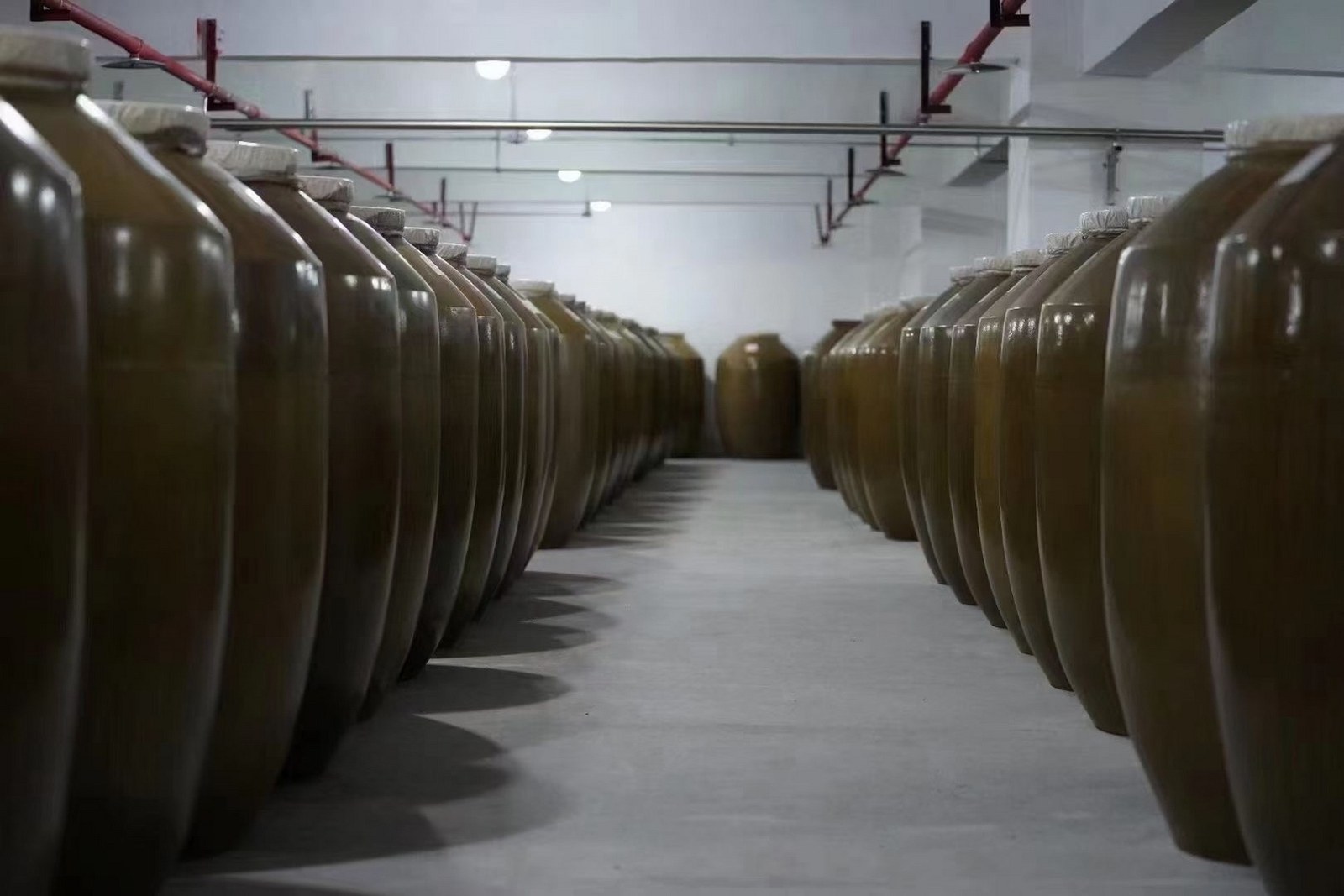
The brand keeps a working relationship with the district. The distillery grounds run as a creative culture park with the brewing halls open to visitors, the gift boxes stock the local supermarkets alongside the crab crates in October, and the older bottles – cellar years deep – circulate as the local answer to a formal gift. It is a liquor that never left home, and Lutai likes it that way.
The same 天津市宁河区 Tiānjīn Shì Nínghé Qū Ninghe District holds more flavors worth chasing: 七里海河蟹 Qīlǐhǎi héxiè the river crab of the marsh, 七里海河蟹面 Qīlǐhǎi héxiè miàn the crab-roe noodles, 老二位熏肉 Lǎo èrwèi xūnròu the smoked counter of Lutai, or 杨泗八大碗 Yángsì bādà wǎn the village feast of eight bowls – four more doors into the same Ninghe table.
Words and Names
白酒 báijiǔ Chinese distilled spirit; 麸曲 fūqū the bran starter that names the fermentation route; 老五甑 lǎo wǔ zèng the old five-steamer distilling craft; 浓香 nóngxiāng the strong-aroma type the spirit belongs to; 酒窖 jiǔjiào the cellar where the jars sleep.
What the Locals Know
The jar beats the bottle – distillery-store bottlings drawn from older cellar stock round out years earlier than the shelf versions, and locals buy by the case for wedding season. At the table, the host pours the first round full to the brim; a half pour reads as doubt about the guest. And the true test of a Ninghe banquet is whether the eight bowls arrive before the bottle empties. All checked November 2026.
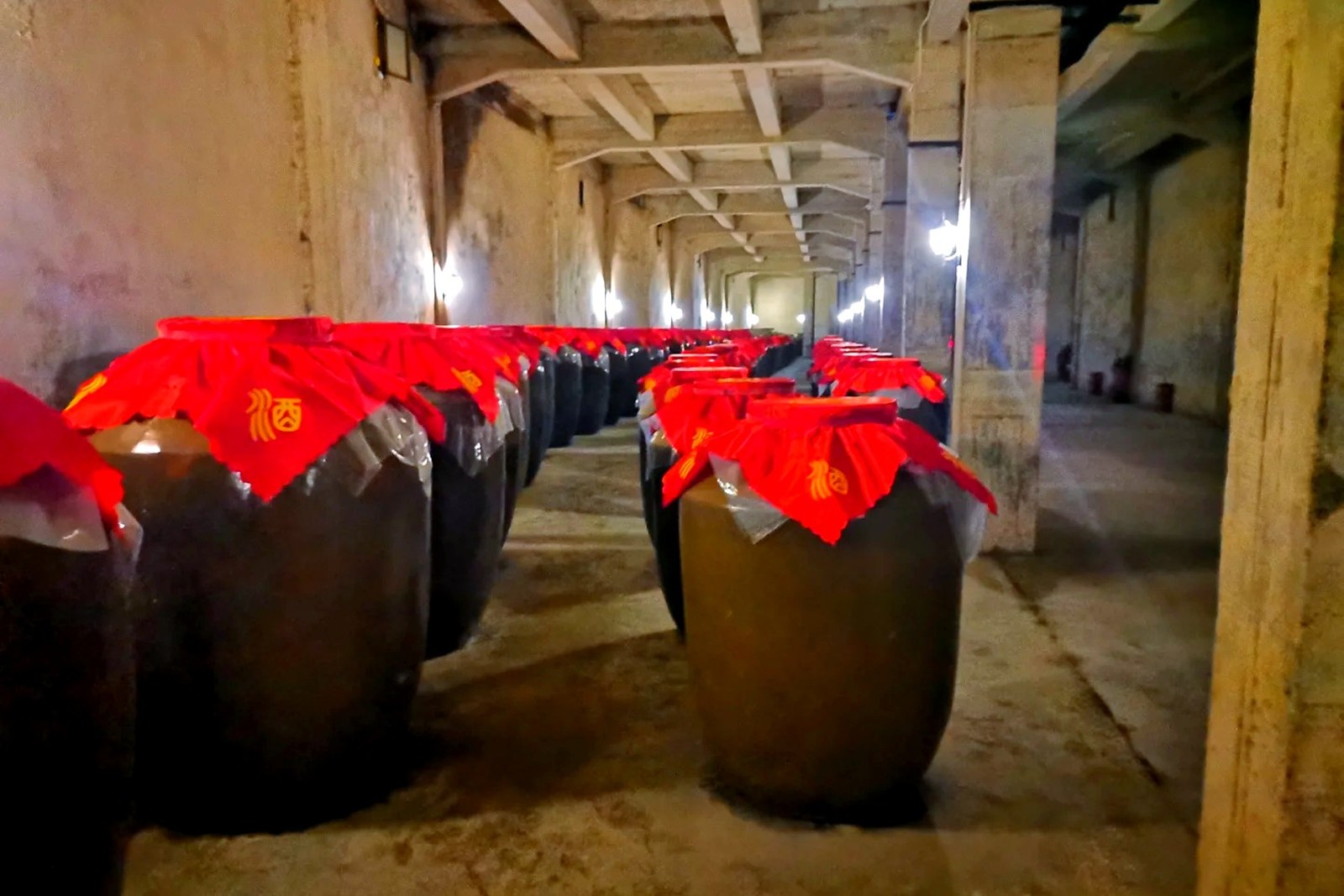
flowcloud would say Lutaichun is the district in a bottle: grain from the plain, water from the marsh country, and patience stored in clay below the town.
Where to find it: The distillery store at the Lutaichun culture park handles the full range, and Lutai’s markets and banquet restaurants pour it by the bottle through the year. All checked November 2026.