
Wine from the Mission Valley: Yanjing Grape Wine
传教士来葡萄种,澜沧谷底酒香浓 Chuánjiào shì lái pútáo zhòng, Láncāng gǔdǐ jiǔ xiāng nóng – Missionaries brought the vine; in the deep Lancang valley the wine smell grows strong
盐井葡萄酒 Yánjǐng Pútáojiǔ Wine in Yanjing is a legacy of the mid-nineteenth century, when French missionaries brought vine cuttings up the Lancang valley and planted them around their mission – the small Catholic church at 上盐井 Shàng Yánjǐng Upper Yanjing remains the only one in Xizang. The dry, warm valley floor proved ideal, and village families of 西藏自治区昌都市 Xīzàng Zìzhìqū Chāngdū Shì Chamdo have grown the dark grapes and pressed them ever since, passing down the craft that authorities now list among the region’s protected traditions.
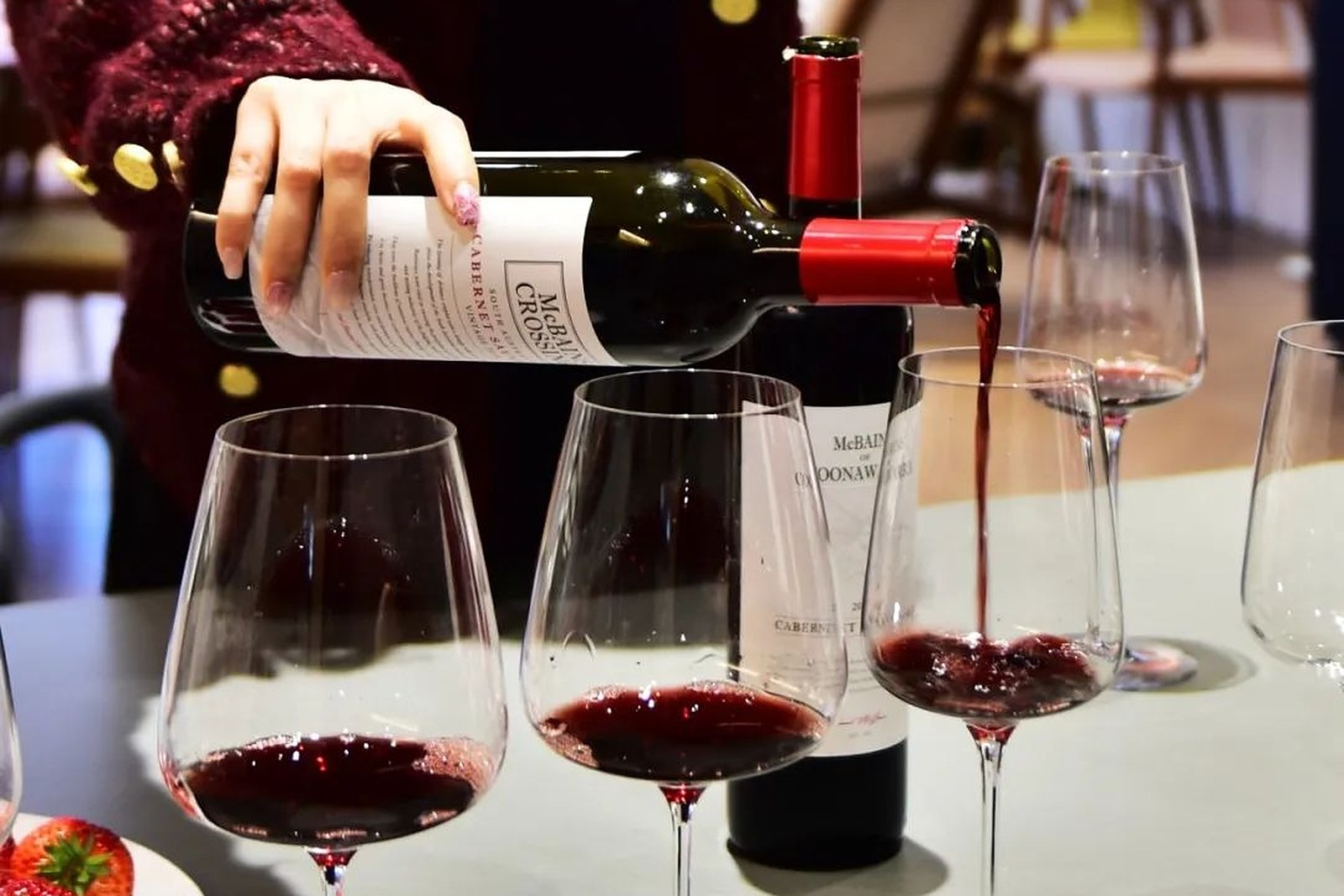
The wine is rustic in the best sense. The valley’s dark grapes ferment in household cellars into a soft red with round fruit and a faint wild-herb edge – bottled for the market in recent years, but still poured at home from jugs and plastic demijohns beside butter tea. Each family’s batch differs with the slope, the barrel and the hand, and comparisons across neighbors are a running conversation of the village.
The vineyards climb the terraces above the salt pans, a double harvest in one valley: brine below, grapes above. Autumn brings the pick, and the lanes smell of crushed fruit; cellar doors open for travelers who want the young ferment straight from the vat, and the church up the road completes the story – vine, wine and mission arrived together, and the bell tower still stands over the vines it started.
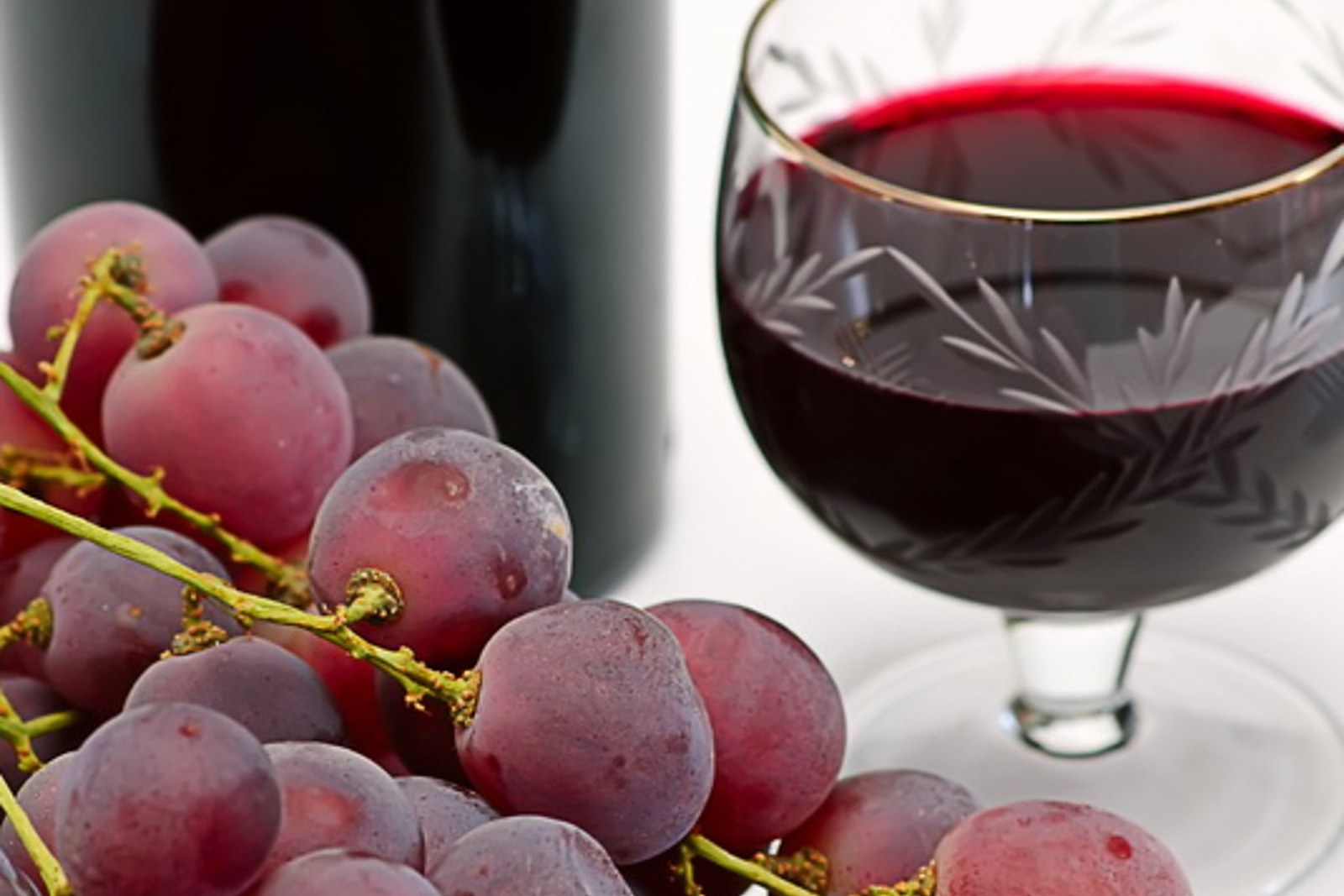
What the wine really marks is the valley’s openness. Salt and grapes both traveled this gorge – one to preserve, one to enjoy – and the caravan road that carried them made Yanjing the most cosmopolitan valley on the upper Mekong. A glass at a family table is the quickest way into that history: sweet, low, honest, and grown at what may be China’s highest vineyard country, two thousand meters up a Tibetan gorge.
The same 西藏自治区昌都市 Xīzàng Zìzhìqū Chāngdū Shì Chamdo holds more flavors worth chasing: 盐井加加面 Yánjǐng Jiājiā Miàn the one-bowl caravan noodles, 藏式血肠 Zàngshì Xuècháng the winter blood sausage, 人参果饭 Rénshēnguǒ Fàn the sweet droma rice, or 藏东松茸 Zàngdōng Sōngróng the rain-season matsutake – four more doors into the same Chamdo table.
Words and Names
盐井葡萄酒 Yánjǐng Pútáojiǔ Yanjing grape wine, the mission-valley red; 上盐井天主教堂 Shàng Yánjǐng Tiānzhǔ jiàotáng the Catholic church of Upper Yanjing, the only one in Xizang; 酿造 niàngzào the household brewing craft; 葡萄架 pútáo jià the vine trellises above the salt pans; 酒窖 jiǔjiào the family cellar where the winter ferment rests; 澜沧江 Láncāng Jiāng the Lancang valley that ripens the grapes.
What the Locals Know
The vintage is read like weather – a hot dry year gives the darker fruit, and the first bottles of a good autumn never reach the shops. The church-lane houses keep the oldest vines, and the family that pours you the young ferment will show you the press room if you ask. The proper pairing is local: a bowl of jiajia noodles first, the wine after, and the evening warm at two thousand meters. All checked November 2026.
flowcloud would say Yanjing wine is the mission’s second miracle: a French vine that learned to live on a Tibetan cliff, and a valley that pours its history one small glass at a time.
Where to find it: Family cellars and village shops around Upper and Lower Yanjing pour and sell the wine; the houses near the church lane open for tasting in the afternoon. All checked November 2026.