
Mango Pomelo Sago — the Modern Classic of the Dessert House
芒漿柚屑拌西米,一碗清涼晚市開 Mángjiāng yòuxiè bàn xīmǐ, yī wǎn qīngliáng wǎnshì kāi – Mango cream, pomelo shreds and sago; one chilled bowl opens the evening market
楊枝甘露 Yángzhī Gānlù mango pomelo sago is the modern classic of Hong Kong dessert houses – chilled mango cream laced with pomelo sacs and sago pearls, invented in the 1980s by a local restaurant group and copied onto every dessert menu since. The construction is simple and exact: ripe mango blended with coconut milk and evaporated milk into a pourable cream, sago boiled to translucent, and the pomelo’s juice sacs folded in last for the citrus burst that keeps the bowl from turning flat. The name – “sweet dew on the willow branch” – borrows a Buddhist image for the nectar of mercy, which the menu translates as mango season.
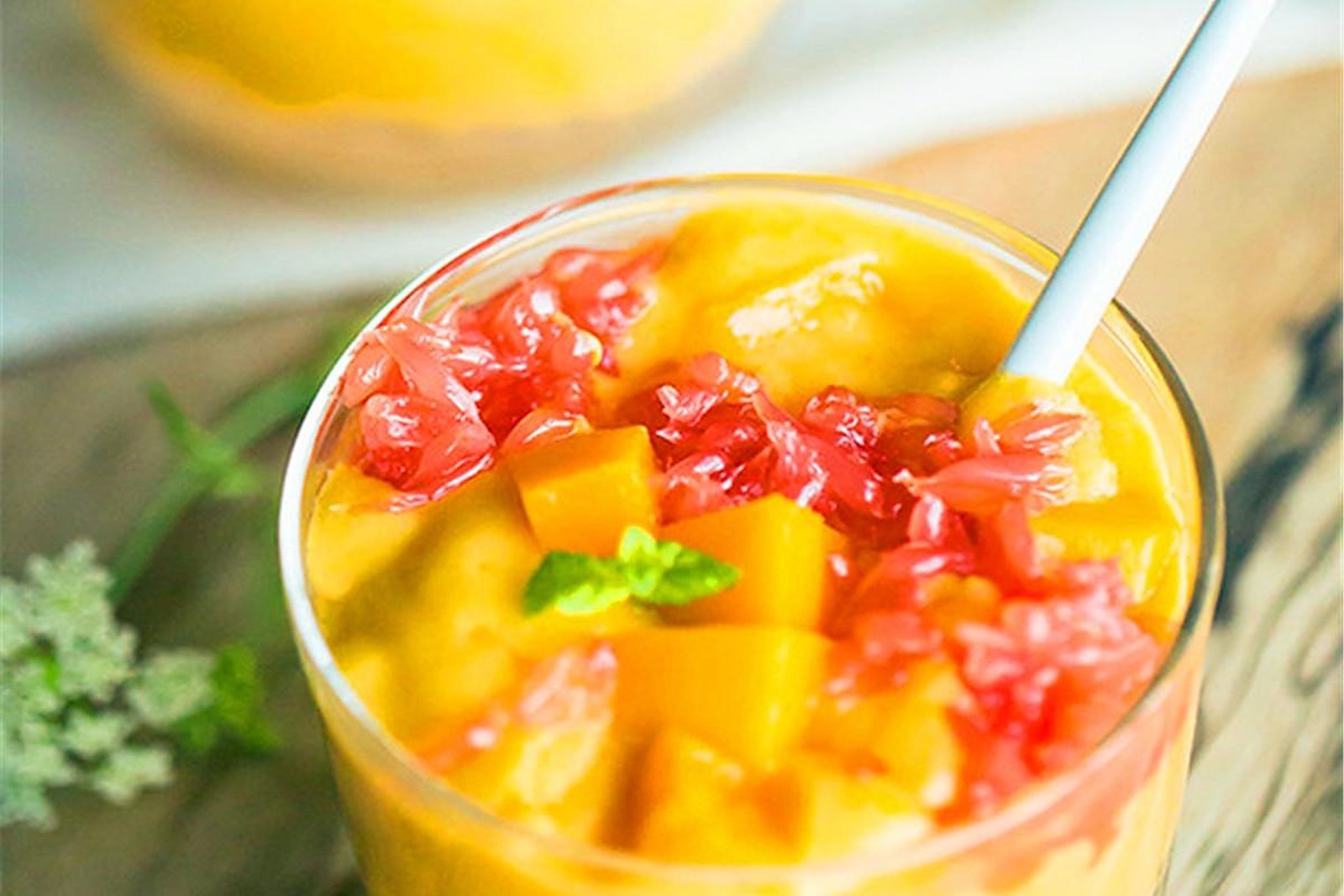
The bowl’s balance is the craft. Too much coconut and it turns heavy; too little pomelo and it loses the bitter-top note that makes the mango sing; the sago must be cooked through but still round. The best versions taste three-stage: mango first, citrus spark second, coconut finish third – and the good dessert houses adjust the mix by the season’s fruit.
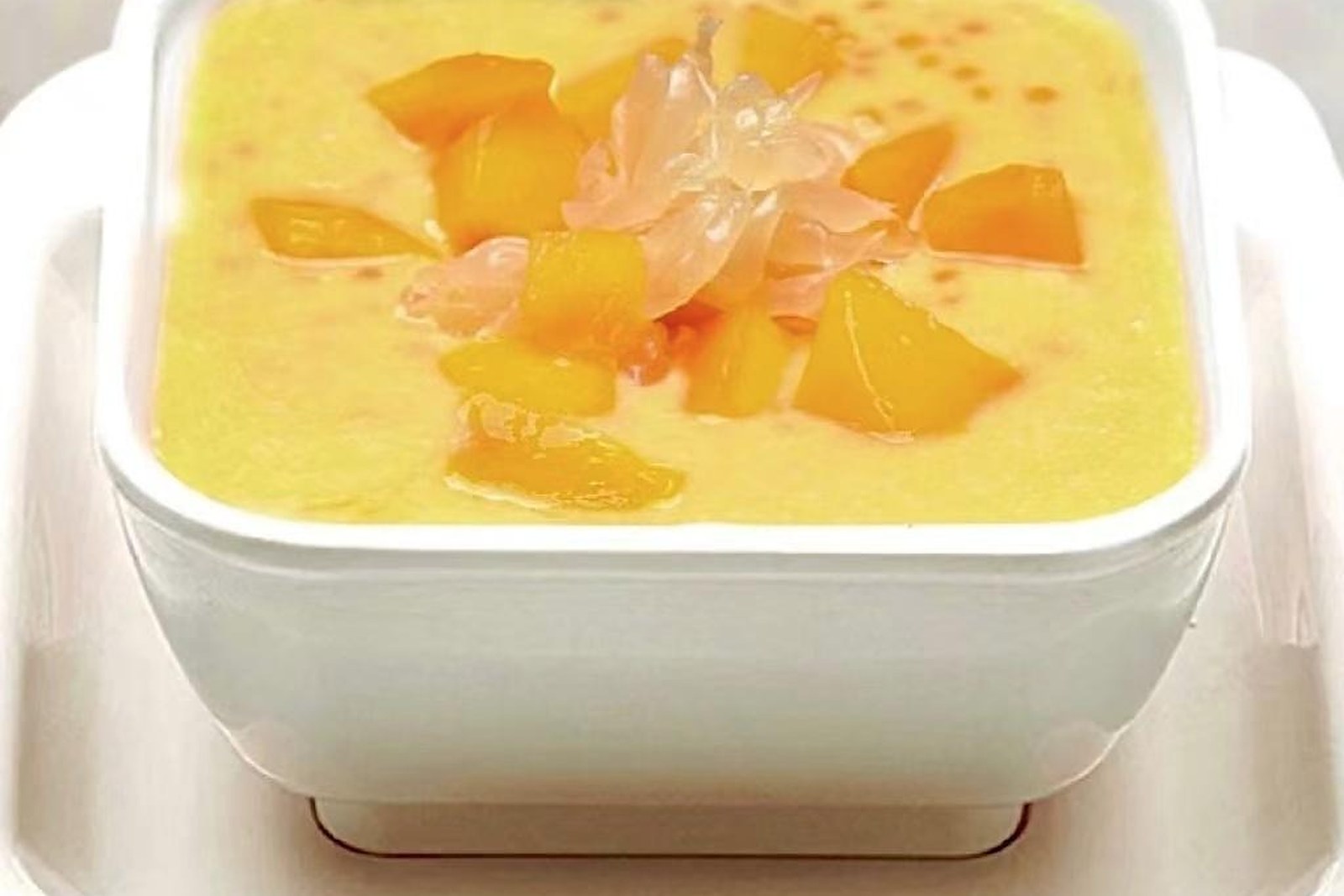
It arrived in the dessert-house era – the standalone sweet shops that opened across the 1980s and 1990s to serve the evening market after dinner hours, a Hong Kong invention of the late-urban city. The bowl is now the genre’s ambassador overseas, but the local dessert houses still set the standard, and the district’s branches pour a reliable one year-round.
Order it after any dinner in the district – it is the closing move of a food evening, lighter than anything fried and colder than the night air. In mango season (the summer months) the bowl peaks; the winter version leans on the fruit’s stored sweetness and the houses’ canned reserve.
Words and Names
楊枝甘露 Yángzhī Gānlù mango pomelo sago, “sweet dew on the willow branch”; 西米 xīmǐ sago, the translucent pearls; 柚肉 yòu ròu the pomelo sacs that cut the sweetness; 糖水 tángshuǐ the sweet-soup genre the dessert house extends; 芒果 mángguǒ the mango, the bowl’s whole argument. The same 東區 Dōng Qū Eastern district holds more flavors worth chasing: 咖喱魚蛋 Gālí Yúdàn the curry fish balls, 缽仔糕 Bōzǎigāo the crock-steamed rice cake, 瑞士雞翼 Ruìshì Jīyì the sweet-soy wings, or 港式西多士 Gǎngshì Xīduōshì the deep-fried peanut-butter toast – four more doors into the same district table.
What the Locals Know
Locals judge the bowl by the pomelo: the sacs should be fresh, bitter-edged and folded in last, never cooked into the cream. If the menu lists a mango-season price and the house boils its own sago, the dessert house is the real thing – and the second-best bowl on the menu will be the mango version with extra pomelo. All checked November 2026.
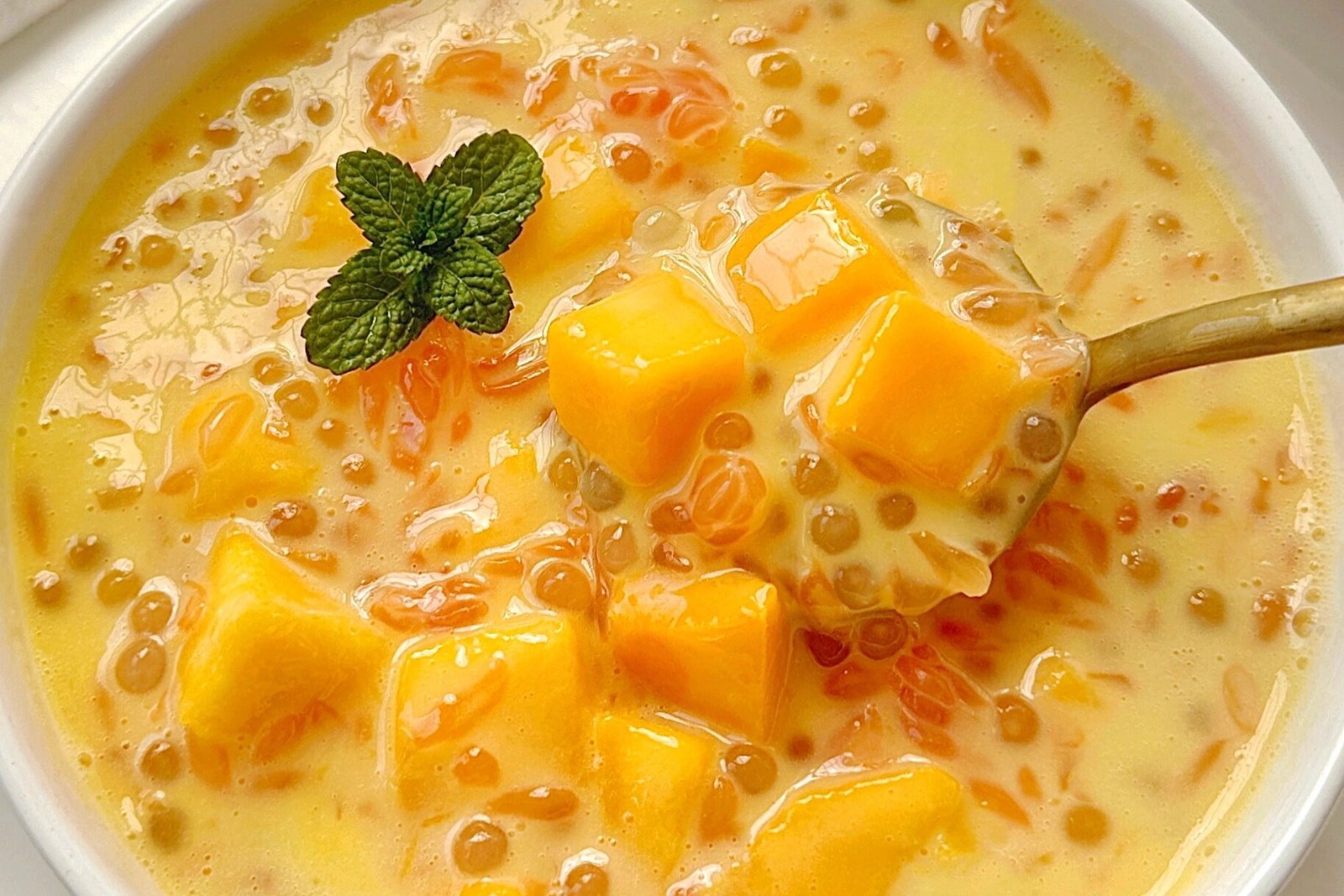
flowcloud would say mango pomelo sago is the city’s sweetness with a spine – cold, creamy, and sharpened by just enough bitterness to keep the evening honest.
Where to find it: The district’s dessert houses cluster around the MTR exits of Quarry Bay and Sai Wan Ho – the bowl is on every menu, and the houses that make the cream in-house list it as their signature. All checked November 2026.