
Two Layers and a Turning Bowl: Miancha
双层麻酱转碗浇,一口咸香到日高 Shuāng céng májiàng zhuǎn wǎn jiāo, yī kǒu xiánxiāng dào rì gāo – Sesame sauce poured in two layers, the bowl turned as you drink; one savoury mouthful lasts till the sun is high
面茶 miànchá Miancha – literally tea-noodle, though no tea is involved – is 天津市河东区 Tiānjīn Shì Hédōng Qū Hedong District’s most textural breakfast: millet paste cooked to a thick porridge, ladled into bowls in two layers with toasted 芝麻酱 zhīmájiàng sesame sauce running between and on top, finished with a dusting of salt-and-pepper 麻盐 máyán powder. The name confuses visitors; the texture converts them.
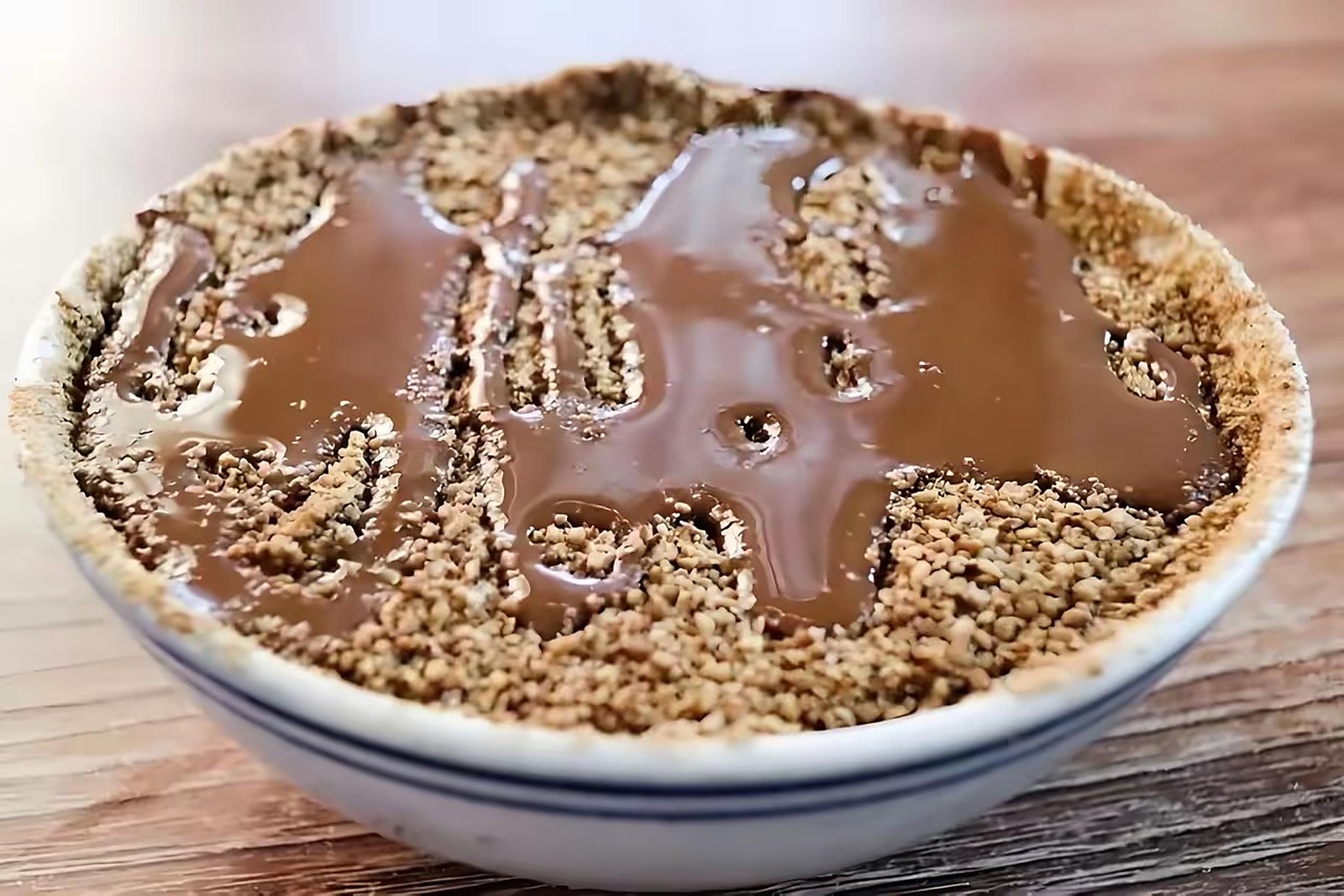
The construction is strict. Bottom layer of millet paste, a full spoon-circle of sesame sauce, another layer of paste, then the final sauce spiral drawn with the ladle’s edge and the salt dust sieved over. Get the order wrong and the stall knows you are not from the neighbourhood – the two-layer build is what keeps every spoonful threaded with sauce.
The eating rule is the famous part: no spoon. You lift the bowl and turn it as you drink, letting each sip take paste and sauce together around the rim. Locals rotate without spilling a drop; visitors learn on the second bowl. The stall keeps no forks, makes no exceptions, and respects anyone who tries.
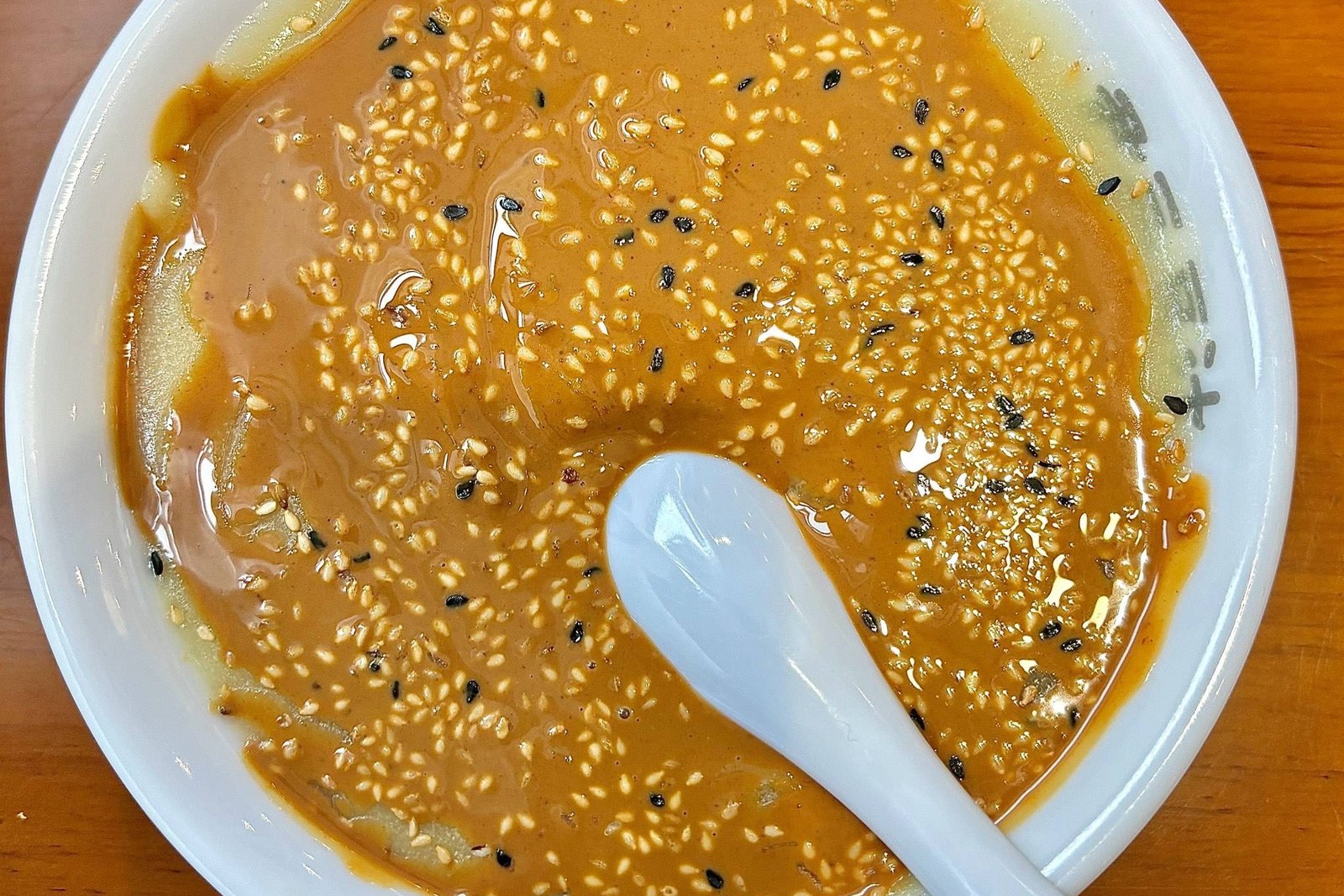
Miancha is a dawn food – the paste thickens as the morning cools, and by mid-morning the pots have thinned to homeopathic strength. It is the richer, slower sibling on the breakfast row: take a small bowl first, turn it properly, and let the sesame do the talking all the way to lunch.
The same district holds more flavors worth chasing: 直沽烧酒 Zhígū shāojiǔ the old river spirit, 卷圈 juǎnquān the fried breakfast rolls, 熟梨糕 shúlígāo the steamed street cakes, or 老豆腐 lǎodòufu the savoury tofu cubes – four more doors into the same Hedong District table.
Words and Names
面茶 miànchá Miancha literally tea-noodle; 天津市河东区 Tiānjīn Shì Hédōng Qū Hedong District; 芝麻酱 zhīmájiàng sesame sauce running between; 麻盐 máyán powder; 直沽烧酒 Zhígū shāojiǔ the old river spirit; 卷圈 juǎnquān the fried breakfast rolls.
What the Locals Know
Judge the stall by the sauce: real sesame paste pours in a slow ribbon and smells toasted, not bitter. The salt dust goes on once, at the end – ask for more and the ladle pauses. And drink it turning, always turning: a spoon marks you as a tourist faster than any map.
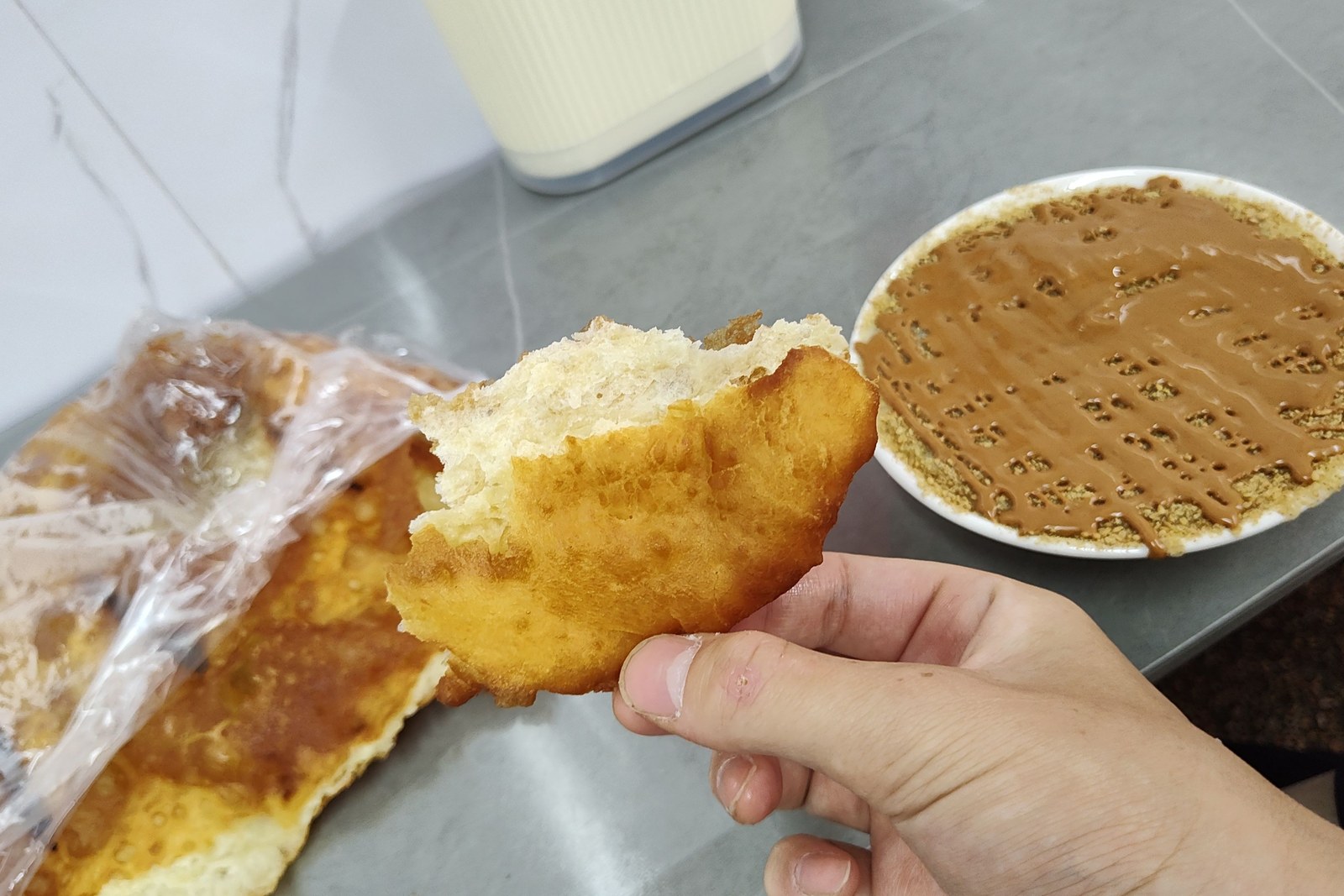
flowcloud would say miancha is Tianjin engineering applied to breakfast: two load-bearing layers of paste, a sealed sauce course, and a drinking protocol so efficient the bowl self-cleans on the way up. All checked November 2026.
Where to find it: Breakfast stalls across 天津市河东区 Tiānjīn Shì Hédōng Qū Hedong District ladle it from first light to mid-morning – the morning markets off 津塘路 Jīntáng Lù Jintang Road and the lanes around 大直沽 Dàzhígū Dazhigu keep the classic two-layer pots, usually beside the guobacai vats. All checked November 2026.