
The Cream That Rises: Milk Skin of the Northern Pastures
鲜奶慢火结云膜,一勺奶皮十里香 Xiānnǎi màn huǒ jié yún mó, yī sháo nǎipí shí lǐ xiāng – Fresh milk over slow fire grows a cloud-film; one spoon of milk skin scents ten li
正文:奶皮子 Nǎipízi milk skin is what patience does to milk – fresh cow or ewe’s milk simmered low in a wide pot for hours until a wrinkled cream film forms on the surface, is lifted off whole, folded and dried into yellow rounds that taste of pure concentrated cream. The herder families of the northern pastures around 五家渠市 Wǔjiāqú Shì Wujiaqu City still make it in the summer milking season, and at the market stalls the pale discs stack like parchment – the steppe’s most honest luxury, two days of milk folded into one sheet.
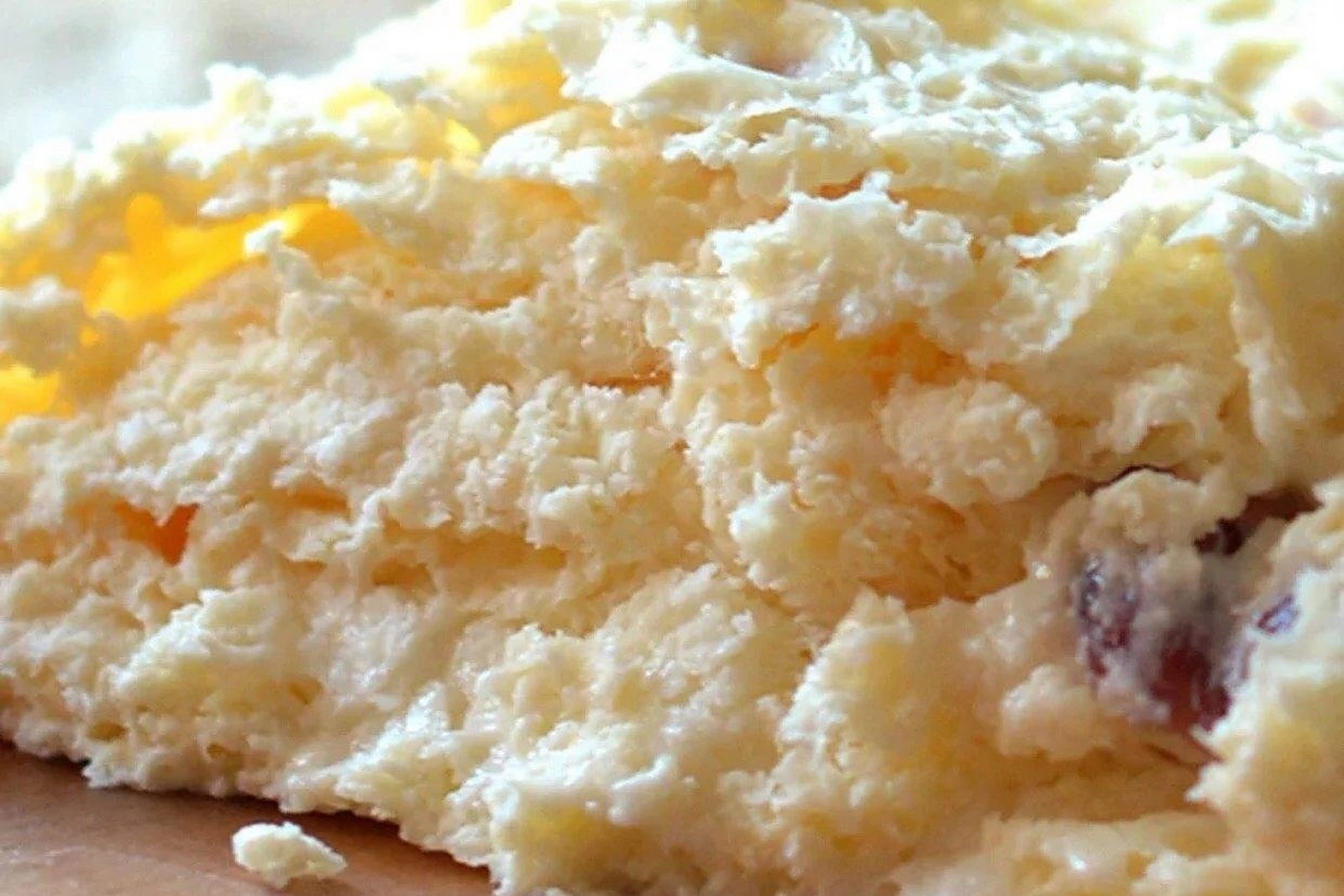
The making is a two-day rhythm. Evening milking goes into the pot over embers, warmed – never boiled hard – through the night as the cream rises and thickens; by morning a soft skin covers the surface and is peeled off in one piece, layered and folded, then pressed between cloths to drain. Fresh milk skin is eaten within days, soft and faintly sweet; dried skin keeps months and hardens into something closer to cheese, shaved or crumbled rather than bitten. The color tells the season: deep yellow for the June grass, pale for autumn.
Eat it the herder way. Fresh skin on hot tea dissolves into cream in an instant; dried skin crumbles over pilaf or melts into milk tea the way butter would, if butter had a richer cousin; and at breakfast the plain sheet with a spoon of sugar is the quiet luxury of the pasture morning. Vendors let you taste before buying – the honest milk skin tastes of grass and weather, never of sugar.
Milk skin marks the calendar. It appears when the milking herds come near – early summer through autumn – and disappears in winter except from the deep-freeze cases of the herder-family shops. The Qinggeda Lake fair carries the year’s best stock from the northern pastures, and the market women who sell it can name the family, the pasture and the week behind every disc. Ask, and the answer becomes the flavor’s address, the same provenance habit the whole district runs on.
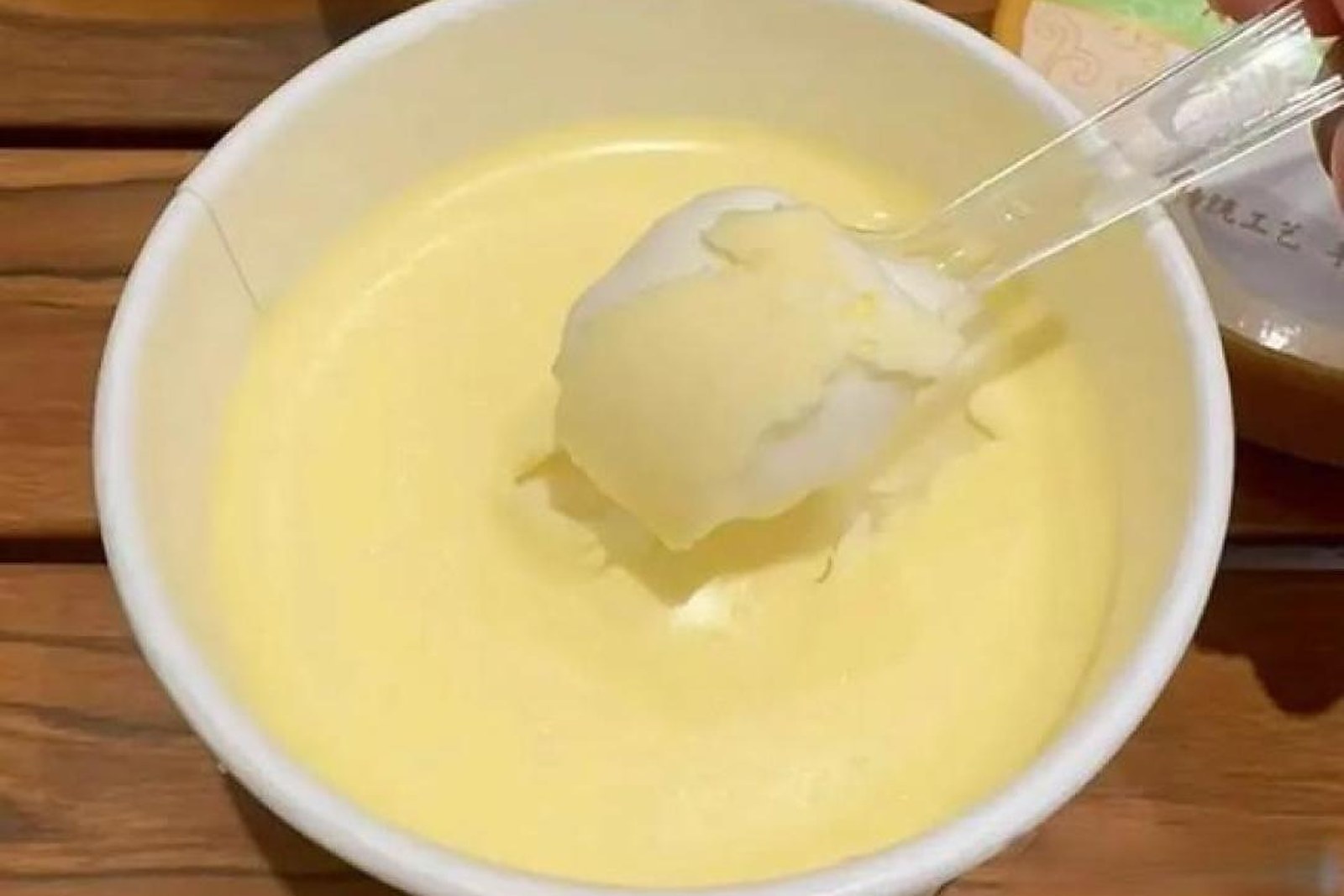
Buy it as the locals do: soft sheets for the next three days of tea, dried rounds for the journey home, and a bag of the cracked ends – the cook’s discount – for melting into the morning pot. Paper wrapping, not plastic; the skin needs to breathe or it sweats.
Beyond the cream rounds, the same 五家渠市 Wǔjiāqú Shì Wujiaqu City holds other flavors: 手抓饭 Shǒuzhuāfàn lamb pilaf for the gold rice pot, 烤羊肉串 Kǎo Yángròu Chuàn lamb kebabs for the charcoal smoke, 烤全羊 Kǎo Quán Yáng roast whole lamb for the festival table, and 韭菜盒子 Jiǔcài Hézi leek boxes for the frying-pan counter – four more doors into the same 五家渠市 Wǔjiāqú Shì Wujiaqu City. With the cream settled, our Wujiaqu travel map fills the day.
Words and Names
What the Locals Know
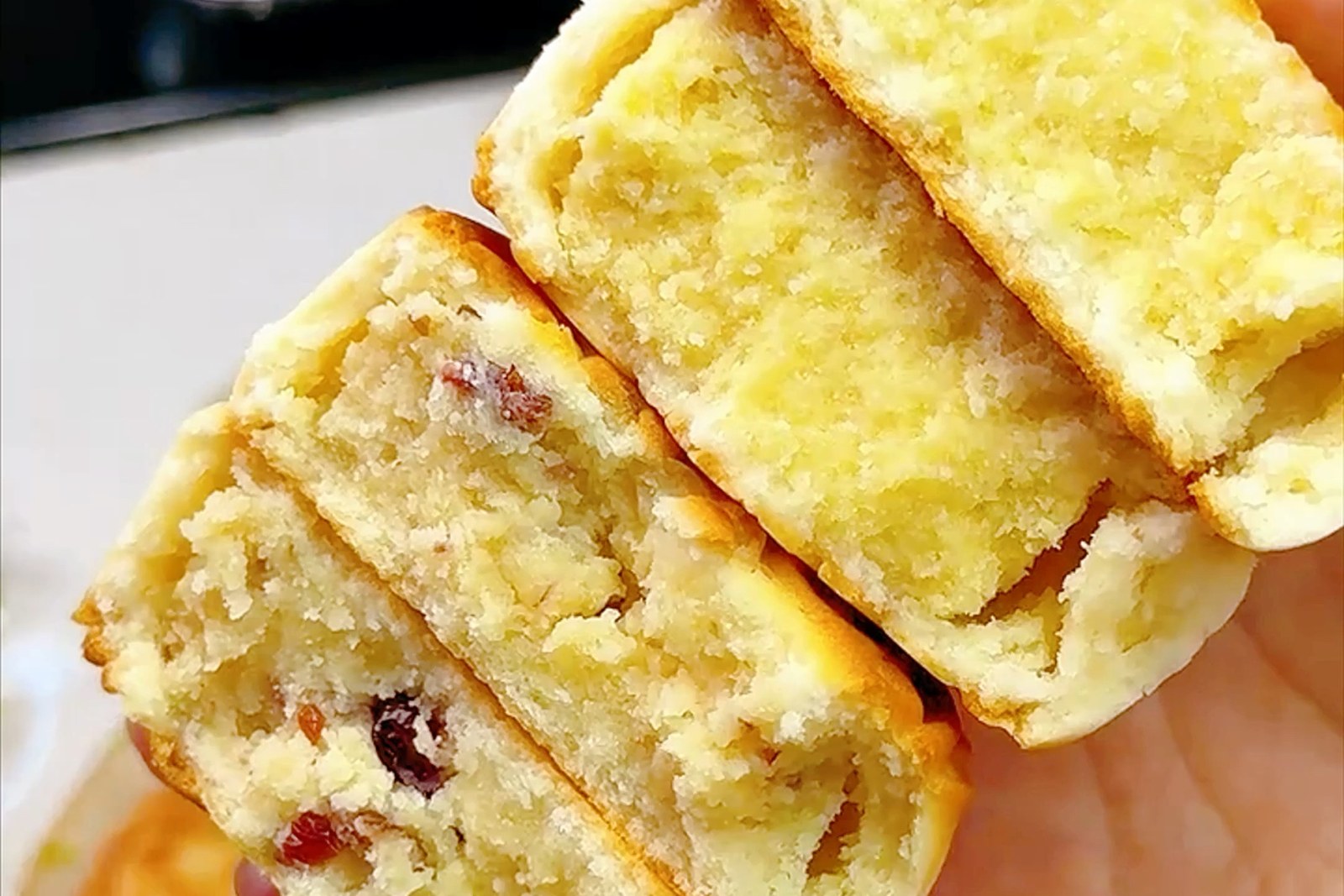
flowcloud would say milk skin is milk remembering how to be luxury: two days of cream folded into one yellow sheet, the pasture’s whole summer in a disc – the steppe’s own answer to a jar of jam, minus the sugar and the wait. All checked November 2026.
Where to find it: Milk skin sells from herder-family stalls at the markets of 五家渠市 Wǔjiāqú Shì Wujiaqu City and at the summer fair by Qinggeda Lake – taste the fresh sheet first, carry dried rounds home in paper, and keep them cool and breathing. All checked November 2026.