
Miyun Honey: Mountain Apiaries, Hundred-Flower Hives and the Beekeeper’s Harvest of Miyun District, Beijing
燕山百花蜂酿蜜,一匙甜过一山花。Yānshān bǎihuā fēng niàng mì, yī chí tián guò yī shān huā – On the Yanshan slopes bees brew honey from a hundred flowers; one spoonful is sweeter than a whole hill of blooms.
密云蜂蜜 Mìyún fēngmì Miyun honey is the jar of mountain flowers Beijing’s breakfast tables spoon without knowing it, and the address is a slope: the 蜂场 fēngchǎng bee apiaries strung along the mountain valleys of 密云区 Mìyún Qū Miyun District, Beijing, one of the capital’s great beekeeping districts, where the hives sit between the chestnut groves and the wild slopes and the villages under them grew into the billing everyone prints – the honey country of Beijing’s north (worth confirming which valleys hold the most hives). The craft most visitors under-rate is the bee itself: much of the district’s trade rides on 中华蜂 Zhōnghuá fēng the Chinese native honey bee, a smaller, hardier insect that works cool mountain mornings and gathers the 百花蜜 bǎihuā mì hundred-flower honey – a mixed, season-shaped honey no single-flower jar can mimic, because the bees, not the beekeeper, chose the blooms. The naming is the tell: honey billed by the district answers to the range of flowers the district grows – the reservoir’s shorelines, the Yanshan slopes, the orchard blossoms – one district’s spring and autumn in one jar (worth confirming the details of the district’s beekeeping registries). The eater’s test is still the taste and the spoon, not the label’s flourish.
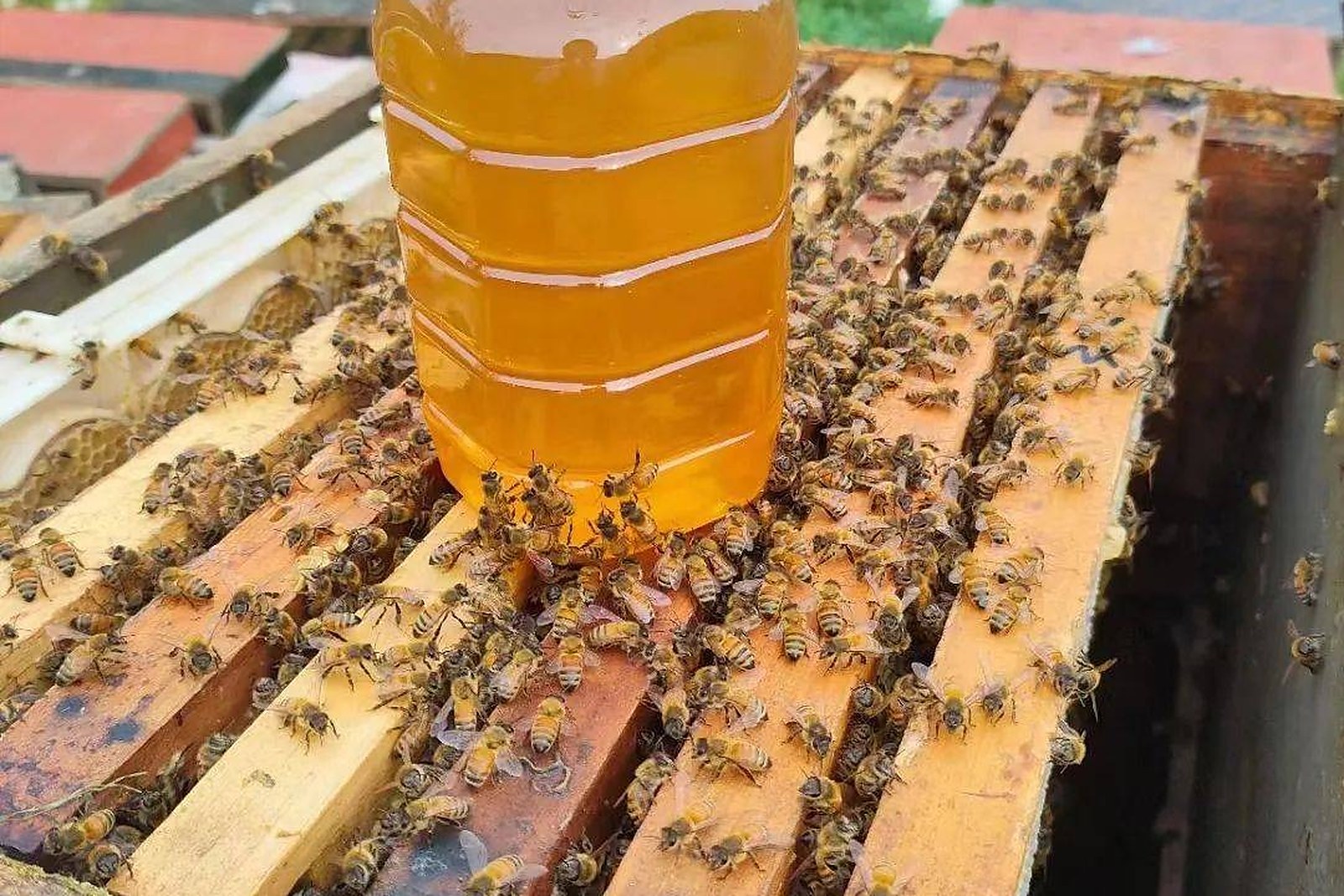
The eating is a spoon-and-flower grammar written for honey graded by what the season fed the bees, and it leans 甜 tián sweetness plus 香 xiāng flowered perfume to match the mountain pantry. The anchor is the raw jar itself: honey spooned thick and slow, tasting of whatever bloomed when it was drawn – spring’s orchard and locust lightness, summer’s wildflower depth, autumn’s darker herb notes – each batch a calendar you can eat. Around the jar the district’s beekeeping runs its supporting cast: honey sold by the jar and the tin at the farm gates and village shops, 蜂农 fēngnóng beekeeper families who move hives upslope with the season, honeycomb cut for the table, and the kitchen’s quiet uses – honey stirred into the pear stews the district’s fruit makes, spread on the farmhouse’s steamed breads, and poured over the walnuts and chestnuts the same mountains grow (worth confirming the details – each farm harvests and filters its own way). The rule the hives teach: ask which month the jar was drawn, because mountain honey has a season the way fruit does – a jar without a month is a blend of somebody’s warehouse.
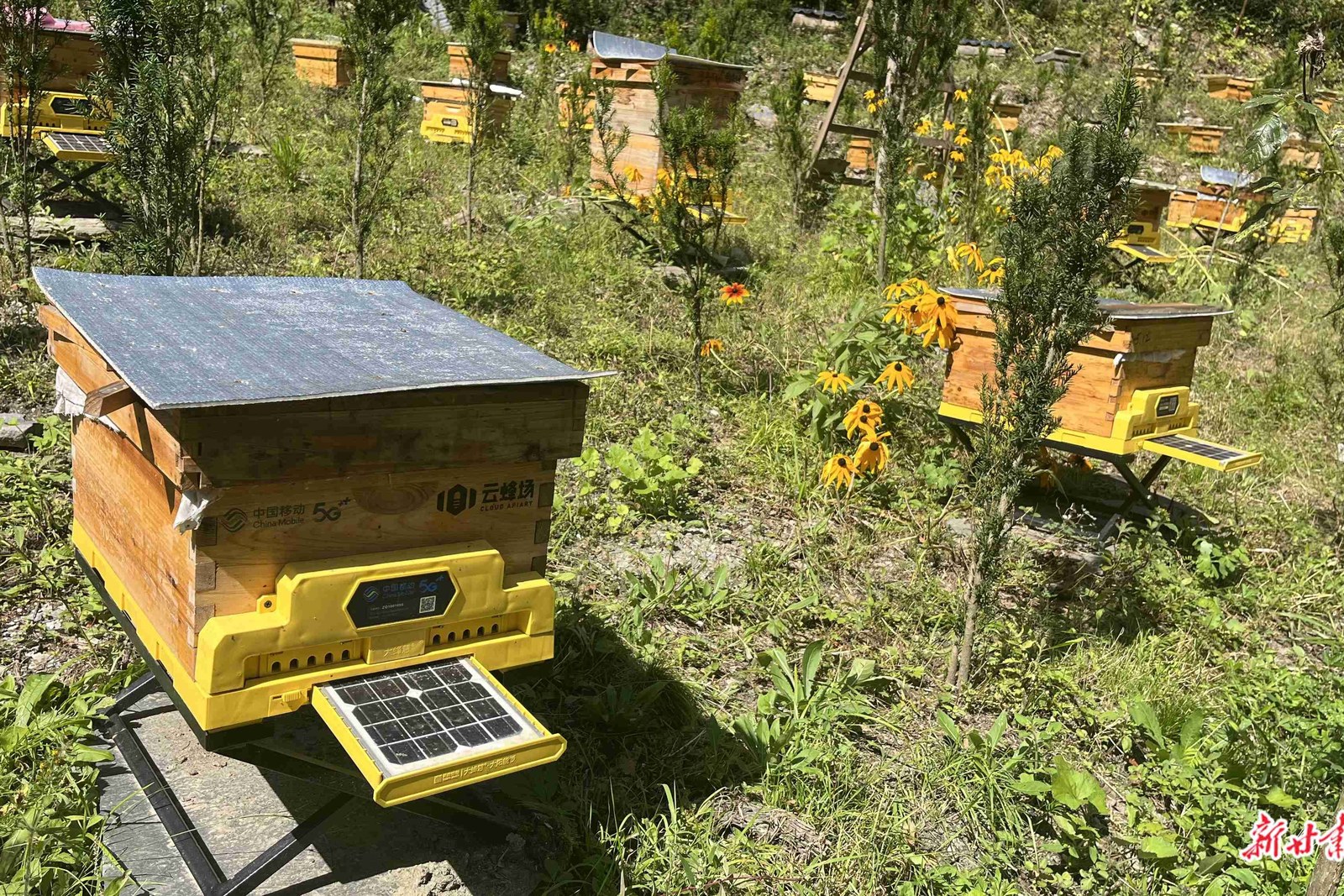
The honest grade is geography plus the extraction clock. In 密云区 Mìyún Qū Miyun District, Beijing the honest buying is at the mountain apiaries and the village counters along the northern roads, where the clientele is half 周末 zhōumò weekend drivers and half city buyers who return for the same farm’s autumn draw – a mix that keeps the hives honest, because a beekeeper here lives on families who remember whose spring honey crystalled clean (worth confirming the details – which farms welcome visitors and when). The test costs nothing: tilt the jar – honest honey pours in a slow rope and smells of flowers rather than of syrup – then taste a little plain on the spoon, because an honest harvest has nowhere to hide added sugar (worth confirming the details of each farm’s testing). A per-jar bill runs on the flower season and the farm, so call it worth confirming the details rather than a fixed number, and buy at the extraction: spring and early summer jars run lightest, the autumn draw is the year’s last and deepest, and the farms that show their hives fill their weekends in the bloom months.
The wry truth is that 密云蜂蜜 Mìyún fēngmì is over-rated as a countryside souvenir and under-rated as insect husbandry: the gift-jar genre files it under “natural product”, while the actual thing – native bees that winter through mountain cold, hives moved flower to flower with the season, and a harvest that is only as honest as the meadow around it – is landscape farming the pretty jar never explains. The self-deprecating footnote, and the district braid: a food writer will discourse on “liquid terroir”, photograph the golden pour at heroic shutter, and then call the honey “commendably floral” as if sweetness were scenery – which is the honest grade: 密云蜂蜜 Mìyún fēngmì is a working apiary the writer will romanticise more than he inspects, and the family at the next counter has tasted three months’ draw, chosen the autumn jar and asked when the chestnut bloom feeds through before the shutter closes. The same 密云区 Mìyún Qū Miyun District thread runs on: the iron-pot braises of 水库炖鱼 Shuǐkù dùn yú Reservoir stewed fish roll in the lakeside village kitchens, the sugar-roasted pans of 燕山板栗 Yānshān bǎnlì Yanshan chestnuts rattle through the autumn streets, the thin-skinned baskets of 黄土坎鸭梨 Huángtǔkàn yālí Huangtukan ya pears line the harvest counters, and the old braised perfume of 古北烧肉 Gǔběi shāoròu Gubei roast meat drifts through the Water Town tables – one district, four more tables.
Words and Names
- 密云蜂蜜 Mìyún fēngmì / Miyun honey · the mountain-jar sweet the district is named for - 中华蜂 Zhōnghuá fēng / Chinese native honey bee · the hardy mountain bee behind the trade - 百花蜜 bǎihuā mì / hundred-flower honey · the mixed-season honey the bees choose - 蜂场 fēngchǎng / bee apiary · the slope station holding the hives - 蜂农 fēngnóng / beekeeper · the family that moves the hives with the flowers - 养蜂 yǎngfēng / beekeeping · the district’s mountain trade - 密云区 Mìyún Qū / Miyun District · the Beijing district holding the apiaries
What the Locals Know
- Ask the draw month: mountain honey has seasons – light spring jars, deep autumn ones – and a jar without a date is warehouse honey (worth confirming each farm’s labelling).
- Tilt test: honest honey pours in a slow rope and holds a flowered smell; a watery pour that smells of syrup has something to hide.
- Crystal is honest: real raw honey granulates in the cold months – a jar that never clouds was treated for looks, not taste.
- Match the jar to the mountain’s other tables: stir it into 黄土坎鸭梨 Huángtǔkàn yālí pear stew or over cracked 燕山板栗 Yānshān bǎnlì chestnuts – the district’s own pairing.
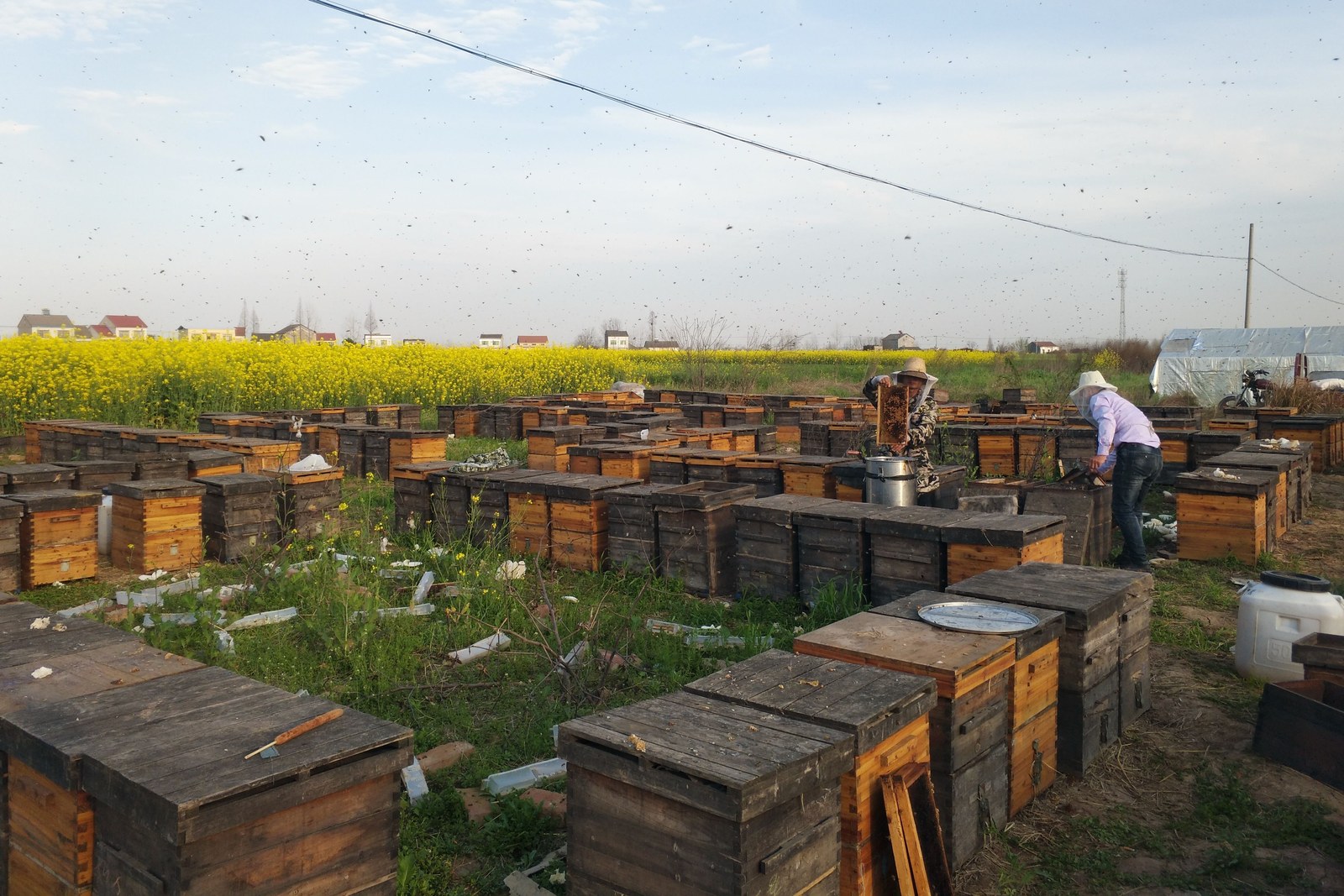
flowcloud would say that the 密云蜂蜜 Mìyún fēngmì is the mountain apiaries, hundred-flower hives and the beekeeper’s harvest of Miyun District, Beijing – a 中华蜂 Zhōnghuá fēng discipline where 百花蜜 bǎihuā mì carries one slope’s whole season into a jar – and that the honest move is to ask the draw month, run the tilt test, and trust the crystal, because the bees built the blend and the mountain built the flowers. All checked October 2026.
Where to find it: Miyun District Mìyún Qū, Beijing – the 蜂场 fēngchǎng apiaries and village counters along the mountain roads of the district’s north, where the honey trade runs with the bloom season from spring into autumn (worth confirming the details – which farms welcome visitors, their extraction dates and sales); a per-jar bill runs on the flower season and the farm, so call it worth confirming the details rather than a fixed number. Miyun honey is the mountain apiaries, hundred-flower hives and the beekeeper’s harvest of Miyun District, Beijing, season before syrup. All checked October 2026.