
Moshikou Street Snacks: The Camel-Bell Ancient Road’s Snack Lane of Shijingshan District, Beijing
驼铃古道斜阳里,一巷炊香续旧声。Tuólíng gǔdào xiéyáng lǐ, yī xiàng chuī xiāng xù jiù shēng – Under the slant sun of the Camel Bell ancient road; a lane of cooking scents carries the old calls on.
模式口大街小吃 Mòshìkǒu Dàjiē xiǎochī Moshikou street snacks are the lane-side eating where Beijing’s western trade road makes its last bend into the city, and the address is a trade route: 模式口 Mòshìkǒu Moshikou, the 石景山区 Shíjǐngshān Qū Shijingshan District, Beijing quarter strung along the 驼铃古道 Tuólíng Gǔdào Camel Bell Ancient Road – the western spur of the 京西古道 Jīngxī Gǔdào west-hills old roads down which camels and mule trains hauled 煤 méi coal, 炭 tàn charcoal and caravan goods from the 门头沟 Méntóugōu Mentougou valleys toward the city gates, a street named for the bells that answered the pass. The form is the 古街小吃 gǔjiē xiǎochī old-lane snack – a 烧饼 shāobǐng sesame biscuit off a 缸炉 gānglú cylinder oven, a 炸糕 zhāgāo fried cake, a 碗 wǎn bowl of 豆汁儿 dòuzhīr mung-bean sip and a 卤煮 lǔzhǔ offal braise eaten standing between temple walls and 灰砖 huīzhuān grey-brick courtyards – priced for the walker rather than a 餐厅 cāntīng seated dinner, and the street itself is the dining room: a 明清 Míng-Qīng Ming-Qing lane of gate towers, 老槐树 lǎohuáishù old scholar trees and renovated 门脸儿 ménliǎnr shopfronts that the neighbourhood refurbished into a 文旅 wénlǚ culture-tourism block without quite sweeping out its 京味 jīngwèi Beijing flavour. The craft most visitors under-rate is the double jury: a real 模式口 Mòshìkǒu snack must satisfy the 游客 yóukè tourist who came for the camel bells and the 老街坊 lǎo jiēfang old neighbours who have eaten the lane for decades at the same time, so the honest 摊主 tānzhǔ stall keeper keeps the 分量 fènliàng portion plain and the 手工 shǒugōng handwork visible, and a stall that re-styles its 碗 wǎn bowls for the photo has missed the neighbours who keep the lane fed between tour groups. The naming is the tell: the quarter was first written 磨石口 Móshíkǒu “whetstone pass”, a name it owed to the grinding stones its quarries sold; the modern 模式 mòshì “model” spelling came later – the story runs that the village was among the first in the western hills to string electric wires, a “model” village of its day (worth confirming the details) – so the street’s own sign is a pun between a stone that sharpens and a village that showed the way.
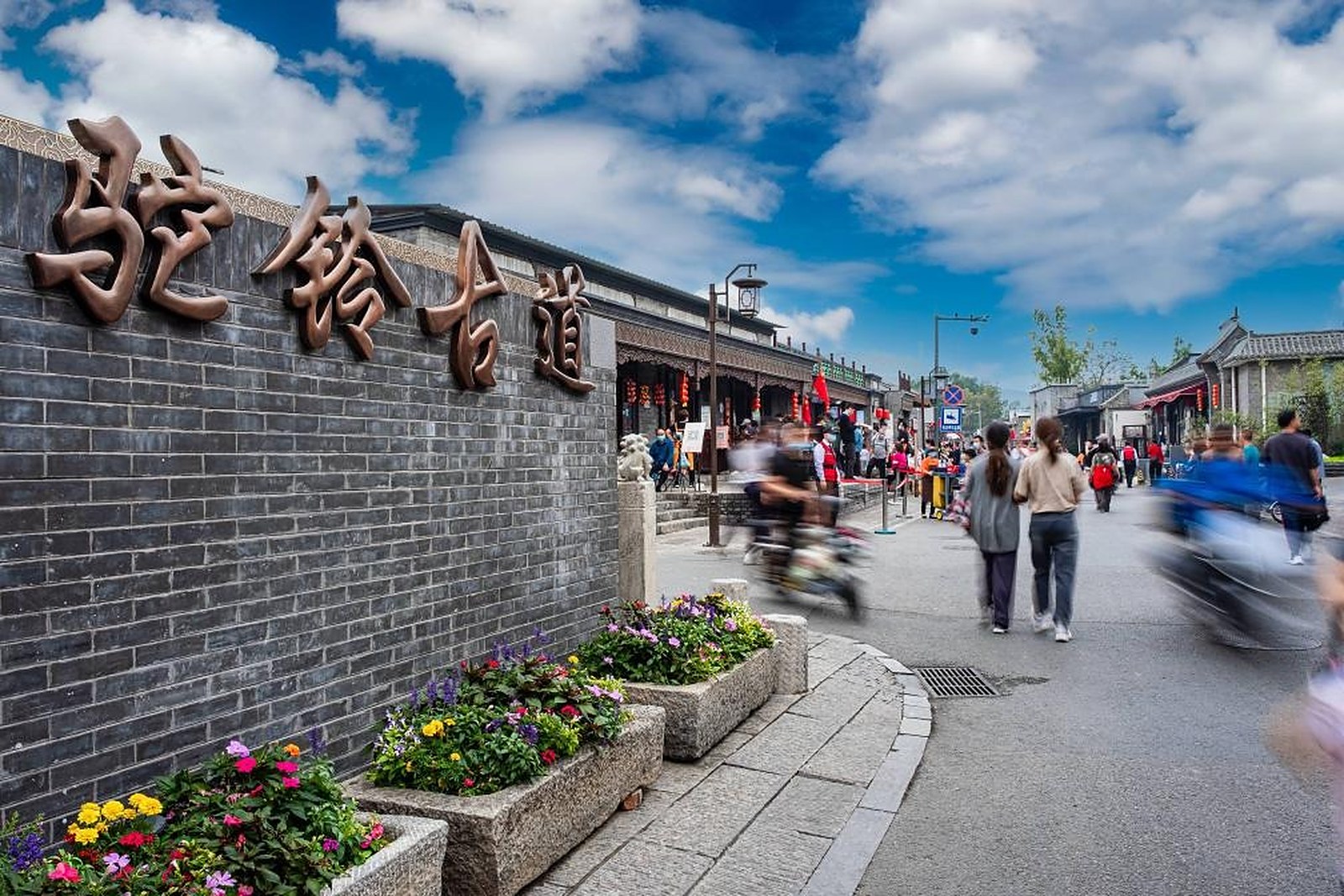
The eating is a hand-carried menu written for walkers, and the grammar leans 京味 jīngwèi Beijing-style 小吃 xiǎochī to match the 古道 gǔdào crowd. The anchor is the 烧饼 shāobǐng – 芝麻 zhīma sesame-crusted, 缸炉 gānglú baked, split while hot and eaten standing – backed by 炸糕 zhāgāo fried cakes, 糖葫芦 tángnghú candied haw sticks, 豆汁儿 dòuzhīr with 焦圈 jiāoquān crisp rings for the brave, 爆肚 bàodǔ flash-scoured tripe and 卤煮火烧 lǔzhǔ huǒshao offal braise with baked wheat cakes for the hungry, 面茶 miànchá millet paste ladled under 芝麻酱 zhīmájiàng sesame paste, and 糖火烧 táng huǒshao sweet biscuits for the pocket. The 文旅 wénlǚ refurbishment added the gentler seats – 茶馆 cháguǎn tea rooms pouring 茉莉花茶 mòlì huāchá jasmine tea, courtyard cafés pulling 手冲 shǒuchōng pour-over under the locust shade – but the street’s real museums stand at its ends: 承恩寺 Chéng’ēn Sì Cheng’en Temple, a Ming monastery that by tradition kept 不受香火 no incense, 不做道场 no rites and 不开庙门 gates long kept shut, and now houses the 燕京八绝博物馆 Yānjīng Bājué Bówùguǎn museum of Beijing’s eight exquisite crafts – 花丝镶嵌 huāsī xiāngqiàn filigree, 景泰蓝 Jǐngtàilán cloisonné and 玉雕 yùdiāo jade carving among them – while 田义墓 Tián Yì Mù, the tomb of the Ming eunuch Tian Yi, holds its 石刻 shíkè stone carvings a lane away, and the 第四纪冰川遗迹陈列馆 Dì-sìjì Bīngchuān Yíjì Chénlièguǎn Quaternary glacial vestiges gallery explains the scratched bedrock the whole quarter rests on; a snack in one hand and a stone carving in the other eye is the correct way to read the street.
The honest grade is geography plus the 周末 zhōumò weekend clock. In 石景山区 Shíjǐngshān Qū Shijingshan District, Beijing the stalls cluster along the main lane between the temple end and the 田义墓 Tián Yì Mù end, where the clientele is half 游客 yóukè day-trippers off the heritage trail and half 老街坊 lǎo jiēfang old neighbours from the courtyard housing behind the street, a mix that keeps the 烧饼 shāobǐng honest in a way a heritage-theme copy never could – a stall here is graded by 爷爷 yéye grandfathers who remember the lane before the renovation and can taste whether the 炸糕 zhāgāo is 现炸 xiànzhà fried to order or refried from a morning tray – worth confirming the details. The continuity is the point: the refurbishment is new, but the 街 jiē fed caravan men for centuries, and the neighbour who moved away in 2005 and came back in 2025 can still read the old 巷 xiàng grammar under the new lamps (worth confirming the details – which kitchens still 手工 shǒugōng hand-make and which have drifted to 半成品 bànchéngpǐn semi-finished supply). A per-person bill runs small – snack money, not dinner money – so call it worth confirming the details rather than a fixed number, and come on a weekday morning if you can, because the 周末 zhōumò pushes the narrow lane shoulder to shoulder; the ritual is walking and grazing, and the visitor who books one “lunch stop” has missed a street designed for five stalls in a row.
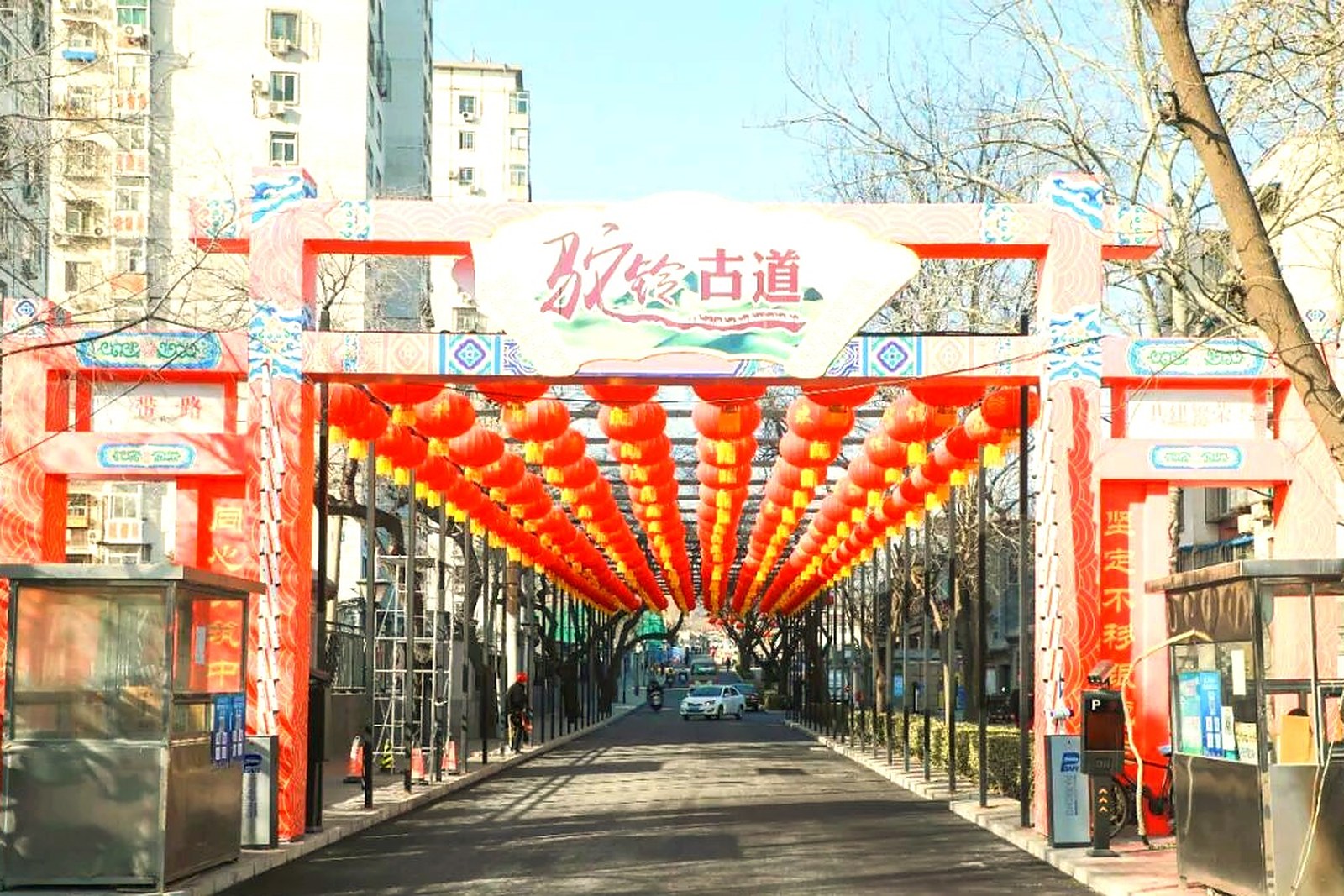
The wry truth is that 模式口大街小吃 Mòshìkǒu Dàjiē xiǎochī is over-rated as a “hidden ancient street” photo set and under-rated as a working heritage lane: travel lists file it as a backdrop for camel-bell costume shots, while locals – the 老街坊 lǎo jiēfang, the 石景山区 Shíjǐngshān Qū Shijingshan District, Beijing families who use the lane as their daily shortcut – treat the stalls as the breakfast and the 遛弯儿 liùwānr evening-stroll amenity they have always been. The real divide is 现做 xiànzuò versus 再热 zàirè: a 烧饼 shāobǐng cracked from a live 缸炉 gānglú reads 脆 cuì crisp and layered, while a reheated tray reads limp under the same 芝麻 zhīma crust, and no 甜面酱 tiánmiànjiàng sweet sauce hides it – worth confirming the details. Season barely matters; this is a year-round grazing lane, hot 豆汁儿 dòuzhīr steam in winter, 糖葫芦 tángnghú and shade-seat cafés in summer, the camel-bell lamps lit every evening because the 文旅 wénlǚ block keeps its own clock.
The self-deprecating footnote, and the district braid: a food writer will mispronounce 磨石口 Móshíkǒu to a 摊主 tānzhǔ whose family has heard whetstone jokes for generations, explain “heritage tourism” to a man frying 炸糕 zhāgāo beside a Ming tomb wall, photograph the 驼铃古道 Tuólíng Gǔdào archway at heroic shutter, and then call the lane “commendably authentic” as if authenticity were staged – which is the honest grade: 模式口大街小吃 Mòshìkǒu Dàjiē xiǎochī is a caravan street the writer will romanticise more than he chews, and the 老街坊 lǎo jiēfang at the next stall has finished her 面茶 miànchá and gone home before the shutter closes. The same 石景山区 Shíjǐngshān Qū Shijingshan District, Beijing thread runs on: the dinner woks of 苹果园家常菜 Píngguǒyuán jiāchángcài Pingguoyuan homestyle eats fire a few metro stops east, the noodle steam of 古城北路食街 Gǔchéng Běilù shíjiē Gucheng North Road food street rises in the old town core, the mall floors of 万达商圈餐食 Wàndá shāngquān cānshí Wanda area meals hum in the 银河 Yínhé Yinhe commercial belt, and the industrial cafés of 首钢园工业风餐咖 Shǒugāng Yuán gōngyèfēng cānkā Shougang park cafe fare pour under the blast furnaces – one district, four more tables.
Words and Names
模式口 Mòshìkǒu / Moshikou · the 石景山区 quarter on the old west-hills road, first written 磨石口 “whetstone pass” 驼铃古道 Tuólíng Gǔdào / Camel Bell Ancient Road · the mule-and-camel trade lane the street keeps its name by 京西古道 Jīngxī Gǔdào / West Beijing Ancient Roads · the coal-and-caravan network the lane belonged to 承恩寺 Chéng’ēn Sì / Cheng’en Temple · the Ming monastery housing the 燕京八绝 museum of eight exquisite crafts 田义墓 Tián Yì Mù / Tian Yi Tomb · the Ming eunuch tomb and stone-carving grounds beside the lane 第四纪冰川遗迹陈列馆 Dì-sìjì Bīngchuān Yíjì Chénlièguǎn / Quaternary Glacial Vestiges Museum · the gallery of the scratched bedrock the quarter rests on 烧饼 shāobǐng / sesame biscuit · the 缸炉 crisp that grades the street 石景山区 Shíjǐngshān Qū / Shijingshan District · the Beijing district holding the ancient road
What the Locals Know
- The double jury is the tell: a real 模式口大街小吃 Mòshìkǒu Dàjiē xiǎochī stall feeds 游客 yóukè on weekends and 老街坊 lǎo jiēfang on weekdays; a counter that only plays to the camera is a prop (worth confirming the details).
- 现做 xiànzuò beats 再热 zàirè: a 缸炉 gānglú 烧饼 shāobǐng reads 脆 cuì crisp; a refried tray reads limp, and no 甜面酱 tiánmiànjiàng hides it.
- Read the street end to end: 承恩寺 Chéng’ēn Sì and the 燕京八绝 Yānjīng Bājué crafts at one end, 田义墓 Tián Yì Mù and the glacial gallery nearby – the snacks are the connective tissue between the museums.
- Come early on a weekday: the lane is narrow, the 周末 zhōumò crowds run shoulder to shoulder, and the honest stalls sell through before the afternoon light turns.
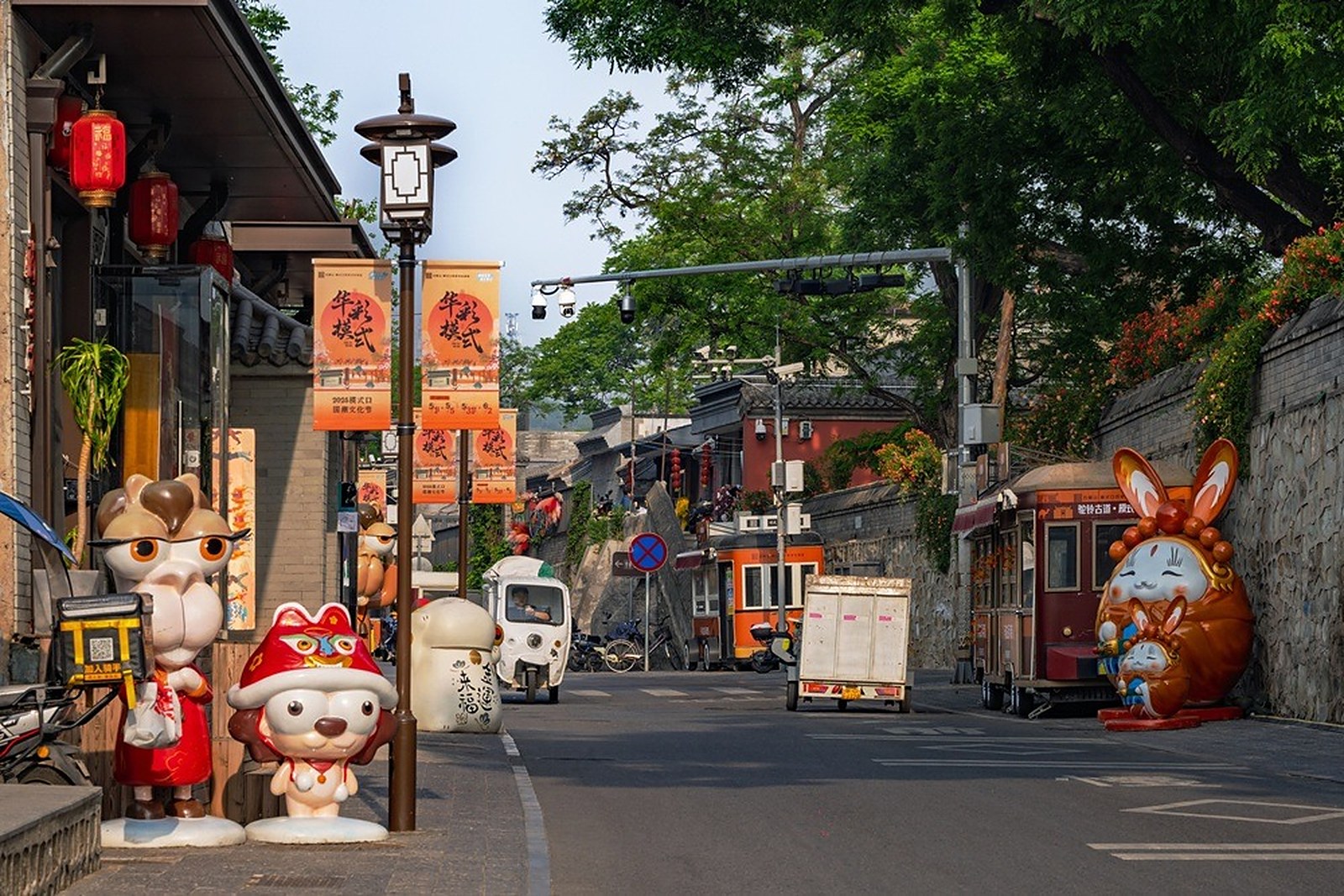
flowcloud would say that the 模式口大街小吃 Mòshìkǒu Dàjiē xiǎochī is the camel-bell ancient road’s snack lane of Shijingshan District, Beijing – a 磨石口 Móshíkǒu whetstone-pass lane where 京西古道 Jīngxī Gǔdào caravan history, 承恩寺 Chéng’ēn Sì crafts and 烧饼 shāobǐng, 炸糕 zhāgāo and 面茶 miànchá share one renovated 明清 Míng-Qīng street – and that the honest move is to graze on foot, watch the 缸炉 gānglú live, and let the old neighbours’ stalls set the grade, because the caravan built the lane and the neighbours keep it honest. All checked October 2026.
Where to find it: Shijingshan District Shíjǐngshān Qū, Beijing – the 模式口大街 Mòshìkǒu Dàjiē Moshikou street snack lane along the 驼铃古道 Tuólíng Gǔdào Camel Bell Ancient Road in western Shijingshan, between 承恩寺 Chéng’ēn Sì Cheng’en Temple and 田义墓 Tián Yì Mù the Tian Yi Tomb, where stall fires of 烧饼 shāobǐng, 炸糕 zhāgāo and 卤煮 lǔzhǔ line the renovated Ming-Qing lane (worth confirming the details – which stalls still 手工 shǒugōng hand-make and which have gone semi-finished); a per-person bill runs small snack money, so call it worth confirming the details rather than a fixed number. Moshikou street snacks are the camel-bell ancient road’s snack lane of Shijingshan District, Beijing, bells before brands.