
Nagqu Cordyceps — the Winter Worm, Summer Grass of the High Slopes
冬虫夏草出高原,一寸金来一寸山 Dōngchóng xiàcǎo chū gāoyuán, yī cùn jīn lái yī cùn shān – From the high plateau comes the winter-worm, summer-grass; an inch of gold for an inch of mountain
那曲冬虫夏草 Nàqū Dōngchóng Xiàcǎo Nagqu cordyceps is the most valuable thing the northern grassland grows: a fungus that winters inside a ghost-moth larva and sprouts each spring as a dark, root-like stalk above the turf, dug one by one from slopes above 4,500 meters. Buyers across the land grade the region’s specimens – plump, whole, deep-ringed – as the standard by which all 冬虫夏草 dōngchóng xiàcǎo cordyceps is judged, and prices at the summer markets of Nagqu town read like jewelry quotes.
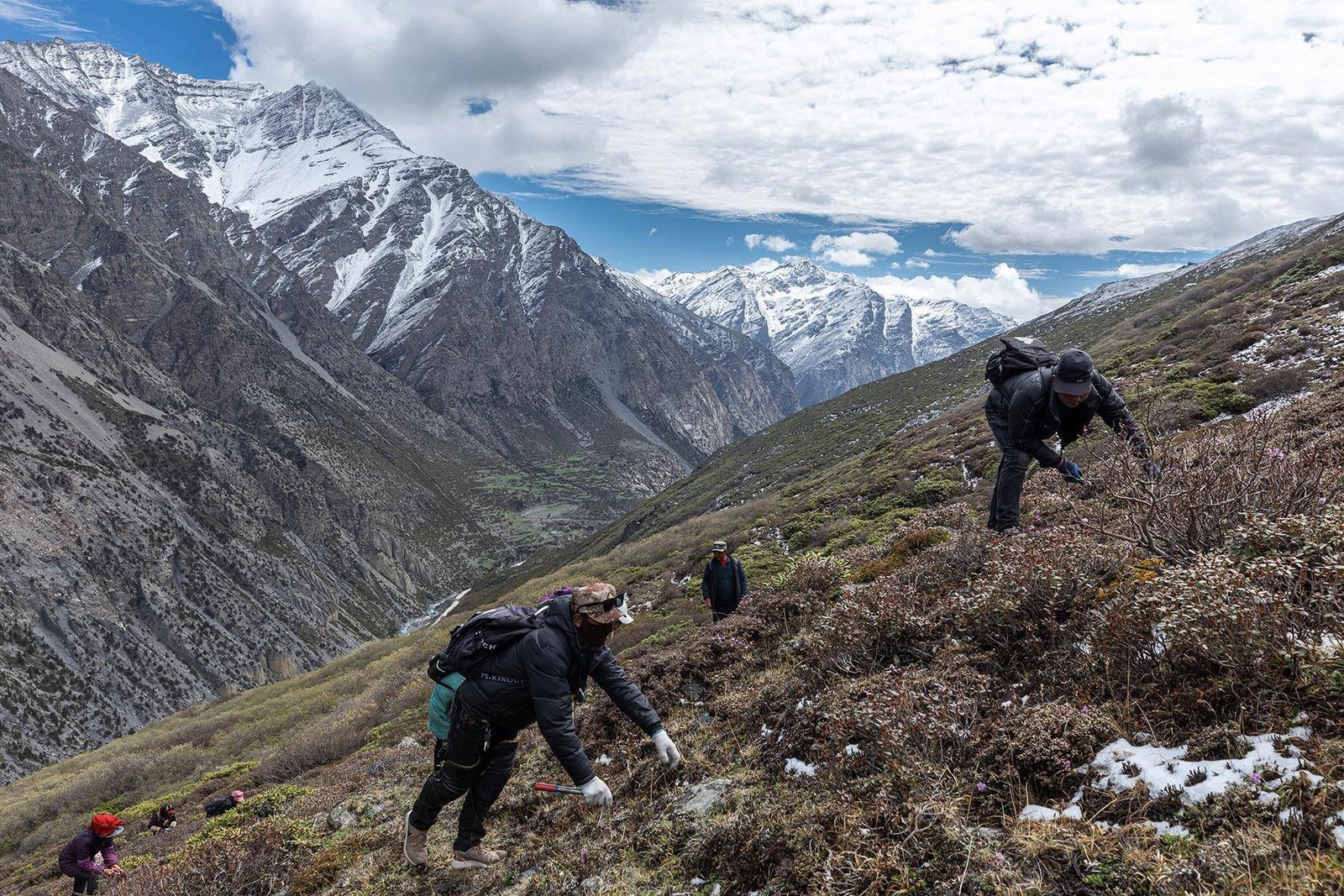
The harvest season, in May and June, empties whole townships onto the slopes. Families camp at the foot of the digging grounds, children included, and work the grass on hands and knees with flat hoes – brushing each specimen clean the same hour it comes up, counting the day’s take in small tins. The digging is regulated and licensed; the mountains breathe a collective, concentrated industry for six weeks, then sleep.
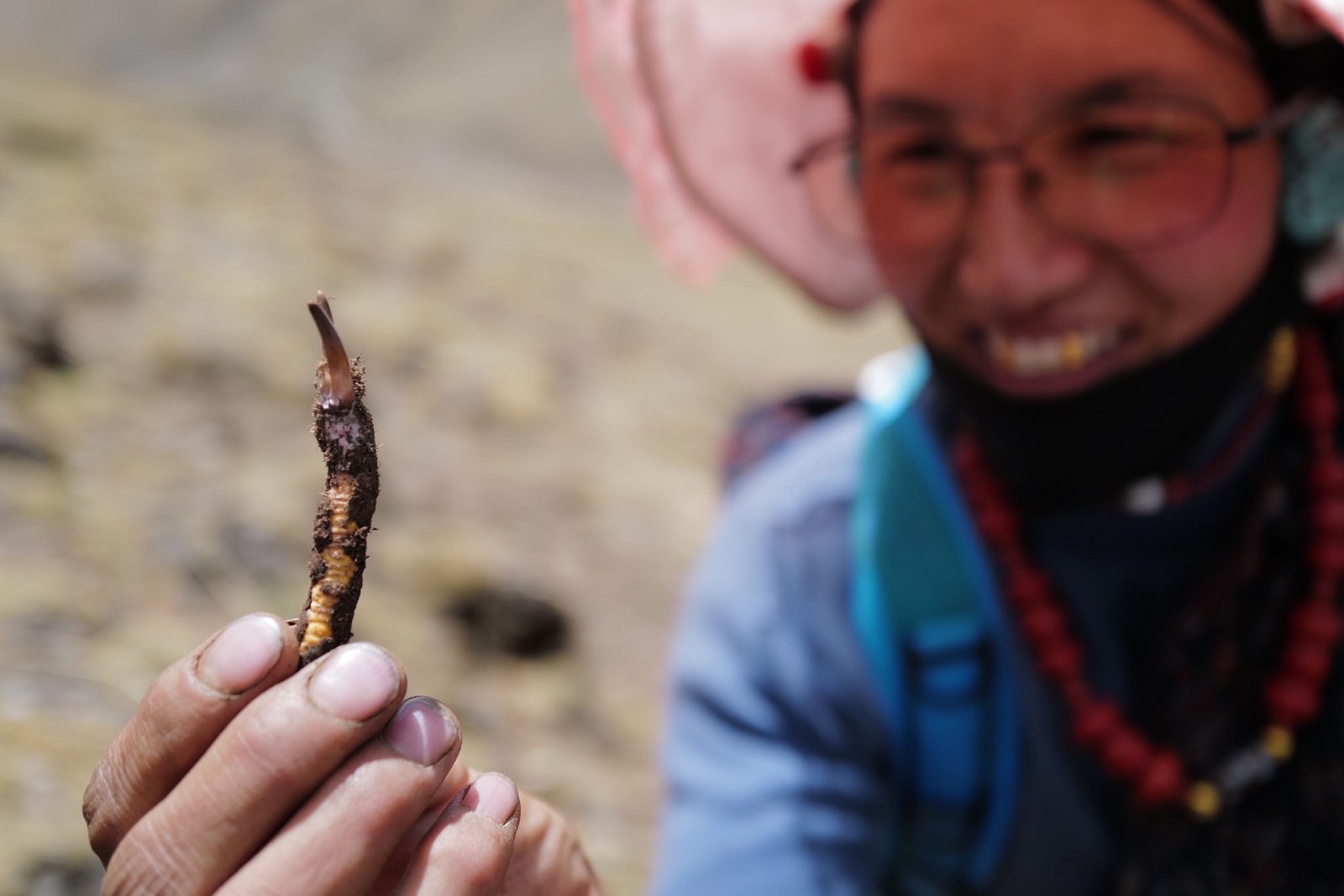
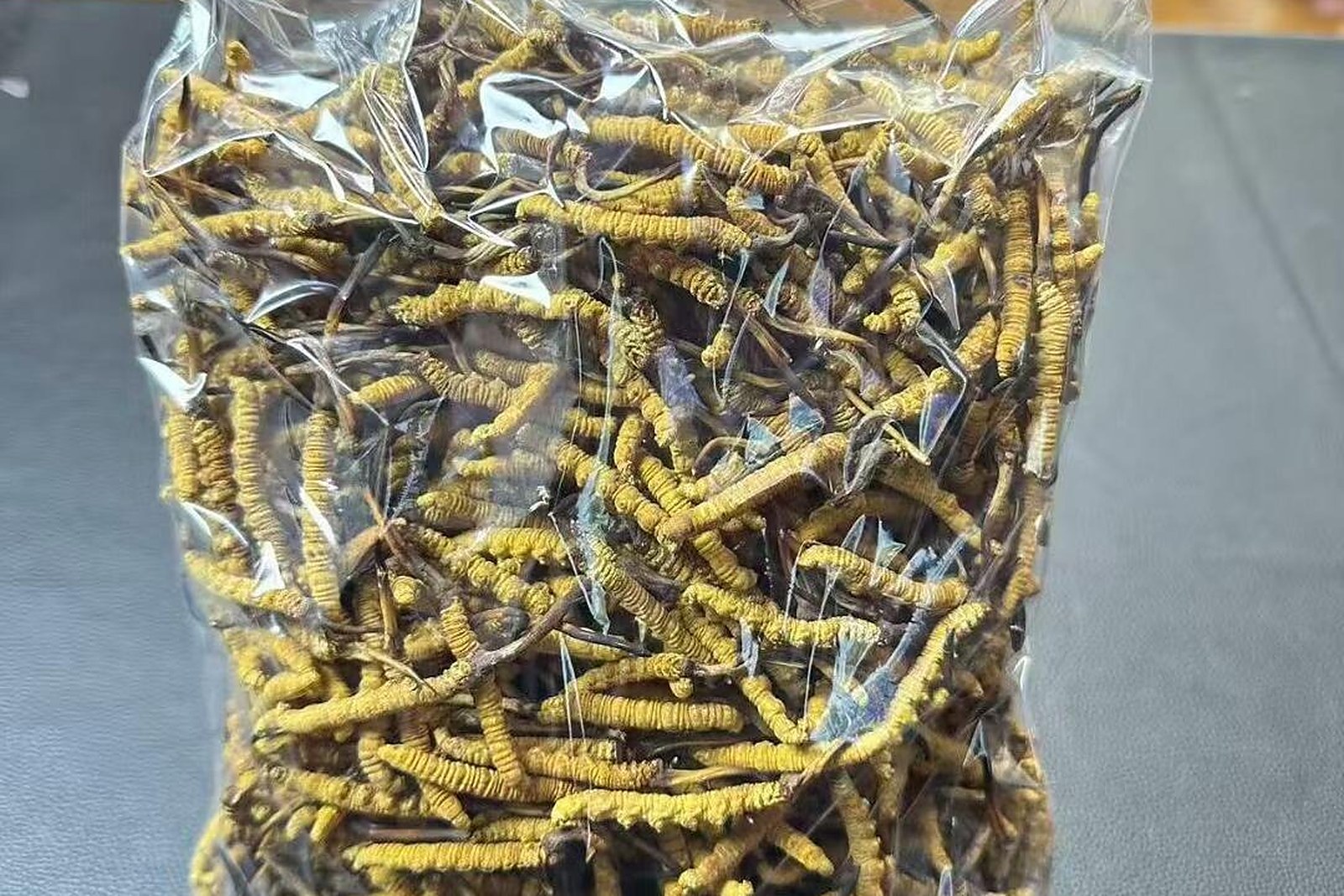
Trading is the second half of the harvest. In the county towns, graded piles change hands on tarpaulins – buyers with loupes and scales, sellers with thermoses and patience, and a bargaining language that moves in half-notes of price per 斤 jīn. A good Nagqu specimen is judged whole, dense and smelling of the clean cold grass; a great one gets wrapped like a relic and travels to pharmacies and kitchens in the lowland cities.
Travelers meet cordyceps three ways: in season, at the markets and on the slopes with permission; out of season, in the medicine shops of Nagqu town, where dried specimens sit in locked cabinets; and at the table, where a few strands simmered with duck or chicken make the celebratory soup of the plateau. Buy only from established shops, compare prices across stalls before committing, and remember that in this trade the authentic article is always the expensive one – that is not a scam, it is the story.
Words and Names
冬虫夏草 dōngchóng xiàcǎo cordyceps, the winter-worm summer-grass fungus; 采挖 cǎiwā the digging harvest of the spring slopes; 那曲 Nàqū Nagqu, the benchmark origin of the trade; 斤 jīn the market’s pound, unit of the bargaining; 虫草市场 chóngcǎo shìchǎng the cordyceps trading markets of the county towns. The same 那曲市 Nàqū Shì Nagqu holds more flavors worth chasing: 羌塘羊肉 Qiāngtáng yángròu the grassland mutton of the northern flocks, 蕨麻米饭 juémá mǐfàn the sweet juema rice of festival tables, 藏式甜茶 Zàngshì tiánchá the sweet tea of the town teahouses, or 牦牛酥油 máoniú sūyóu the yellow gold churned from high-pasture milk – four more doors into the same Nagqu table.
What the Locals Know
Locals read a cordyceps like a jeweler reads a stone: the rings, the girth, the smell, the tail’s completeness – and they buy in the morning, when the day’s fresh digs arrive. Families that hold digging rights on a good slope treat the season as the year’s economy in six weeks; outsiders should watch, admire, and only then buy. All checked November 2026.
flowcloud would say Nagqu cordyceps is the grassland’s stock market – a commodity with legs, literally, priced by the inch and argued over by the pound.
Where to find it: The licensed medicine shops and market rows of Nagqu town carry graded dried stock year-round, with the live-trade season peaking just after the June dig; county-town markets in the grassland offer the same trade at its source. All checked November 2026.