
Southern-City Laozihao Fare: The Old-Brand Household Table of Fengtai District, Beijing
南城巷底锅勺老,一味相传六十年。Nánchéng xiàng dǐ guōsháo lǎo, yī wèi xiāngchuán liùshí nián – In the bottom of the southern-city lanes the pot and ladle are old; one flavour passed down sixty years.
南城老字号 Nánchéng lǎozìhào Southern-city laozihao fare is the old-brand cooking Beijing’s plebeian half refuses to let die, and its address is the 市井 shìjǐng market street: 南城 Nánchéng the southern city, the commoner half of old Beijing where 手艺 shǒuyì handicraft and 平民 píngmín commoner appetite kept honest kitchens alive for centuries – and on the 丰台区 Fēngtái Qū Fengtai District side, the 老字号 lǎozìhào time-honoured houses and their 分号 fēnhào branch halls cluster around 马家堡 Mǎjiābǎo Majiapu and 角门 Jiǎomén Jiaomen, where the ringside compounds of the southern city meet the open south. The form is the 老字号 lǎozìhào itself – a house whose 招牌 zhāopai name is older than every customer in the room, run on a 老汤 lǎotāng master stock and a 手工 shǒugōng handcraft the 老师傅 lǎoshīfu master will not rush – a cuisine of 涮肉 shuànròu hotpot, 酱肉 jiàngròu spiced braise, 烧饼 shāobǐng biscuits and 炸酱面 zhájiàngmiàn noodles, graded by 咸鲜 xiánxiān salt-savoury depth rather than 摆盘 bǎipán plating. The craft most visitors miss is the 字号 zìhào grammar: the name is a bond – a 老字号 lǎozìhào that changes its 配方 pèifāng recipe answers to four generations of regulars – so the honest kitchen keeps the same 卤 lǔ braise and the same 手切 shǒuqiē hand-cut, and lets the fashions pass it by. The naming is the tell: 南城 Nánchéng speakers still say 老字号 lǎozìhào the way they say an elder’s name, and the nicknames locals pin on the houses – 老铺 lǎopù the old shop, 老号 lǎohào the old sign – are entries in a family register, not a marketing deck.
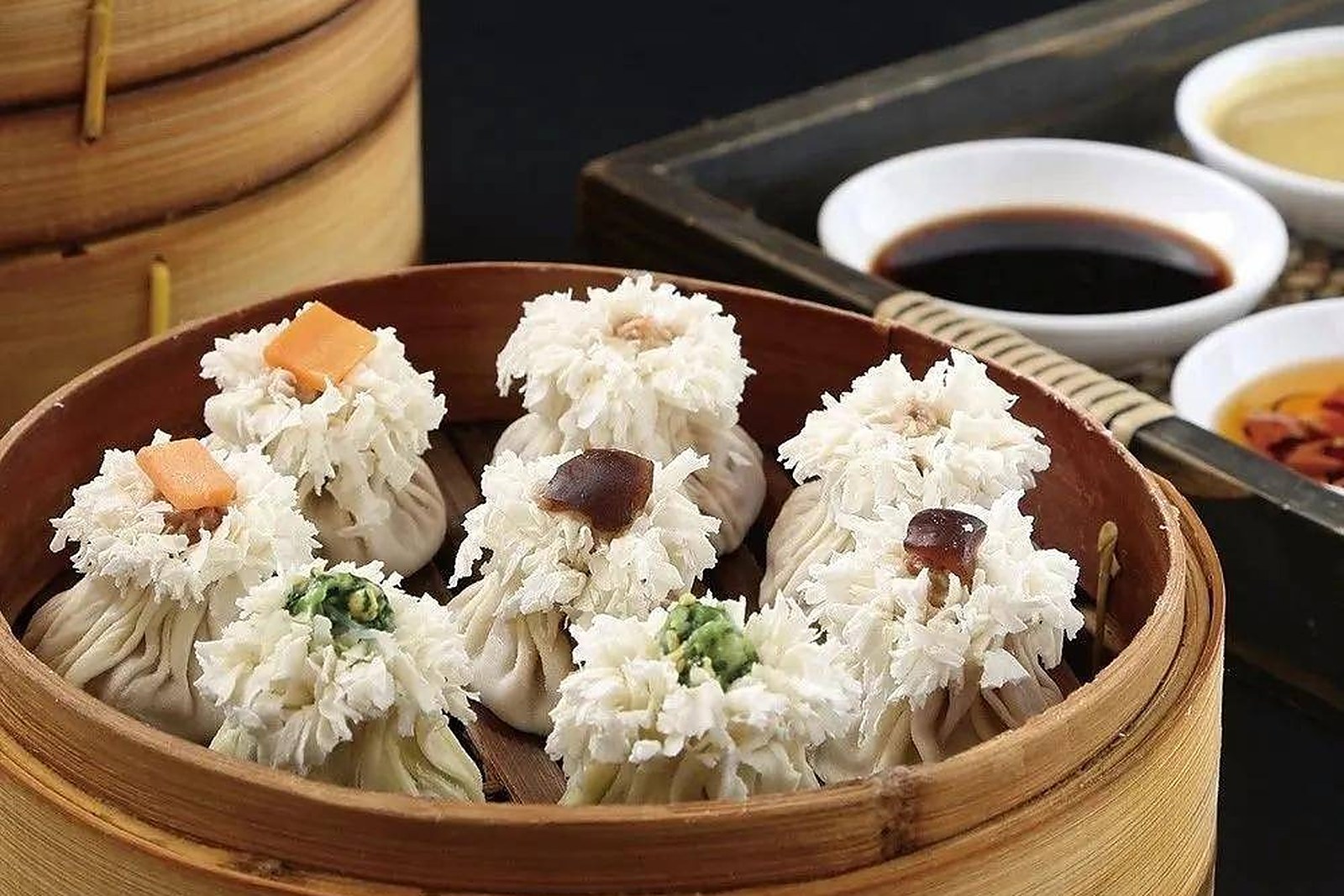
The eating is a 慢 màn slow, braised-and-simmered rite, and the menu grammar leans 铜锅 tóngguō copper pot and 老汤 lǎotāng to match the 老街坊 lǎo jiēfang old-neighbour crowd. The anchor is the 涮羊肉 shuàn yángròu – 铜锅 tóngguō over 炭 tàn coals, 手切 shǒuqiē hand-cut 羊肉 yángròu mutton dipped in 麻酱 májiàng sesame paste, 糖蒜 tángsuàn sweet garlic on the side – the winter rite the 马家堡 Mǎjiābǎo tables book a season ahead – backed by 酱牛肉 jiàng niúròu spiced beef sliced cold, 酱肘子 jiàng zhǒuzi spiced pork knuckle, 烧饼 shāobǐng biscuits split for the meat, and the 炸酱面 zhájiàngmiàn the 老师傅 lǎoshīfu dress with hand-fried 黄豆酱 huángdòujiàng bean paste and 菜码 càimǎ shredded trimmings. 爆肚 bàodǔ flash-scoured tripe holds the timing test – 汆 cuān blanched by the cut, 蘸 zhàn dipped in 麻酱 májiàng, timed to the second – while 砂锅 shāguō claypot stews and 卤煮 lǔzhǔ innard braise carry the cheap seats, and the meal closes on 二锅头 èrguōtóu erguotou or 茉莉花茶 mòlì huāchá jasmine tea, because a 老字号 lǎozìhào meal is a talking, toasting affair where the 汤 tāng matters as much as the 肉 ròu.
The honest grade is geography plus the 饭点 fàndiǎn mealtime clock. In 丰台区 Fēngtái Qū Fengtai District the 老字号 lǎozìhào tables cluster around 马家堡 Mǎjiābǎo and 角门 Jiǎomén, where the clientele is half 老街坊 lǎo jiēfang old neighbours and half the families who moved south for the compounds and kept the houses, a mix that keeps the 酱牛肉 jiàng niúròu honest in a way a heritage-street show window never could – a hall here is graded by 爷爷 yéye grandfathers who have ordered the same 切面 qiēmiàn cut noodles for forty years, and a kitchen that fools them fools no one. The continuity is the point: these are not nostalgia pop-ups but houses that have fed the same streets for decades, and the regular who left in 1995 and came back in 2025 can still find his 爆肚 bàodǔ where he left it (worth confirming the details – which 分号 fēnhào branches still 手工 shǒugōng hand-cut the mutton and which have gone 中央厨房 zhōngyāng chúfáng central-kitchen). A per-person bill runs on the 肉 ròu and the 酒 jiǔ, so call it worth confirming the details rather than a fixed number, and book the 包间 bāojiān for a 周末 zhōumò night because the family tables fill by six and the 铜锅 tóngguō waits stretch; the ritual is slow, and the table that rushes the 涮 shuàn has missed the point of a cuisine built on the wait.
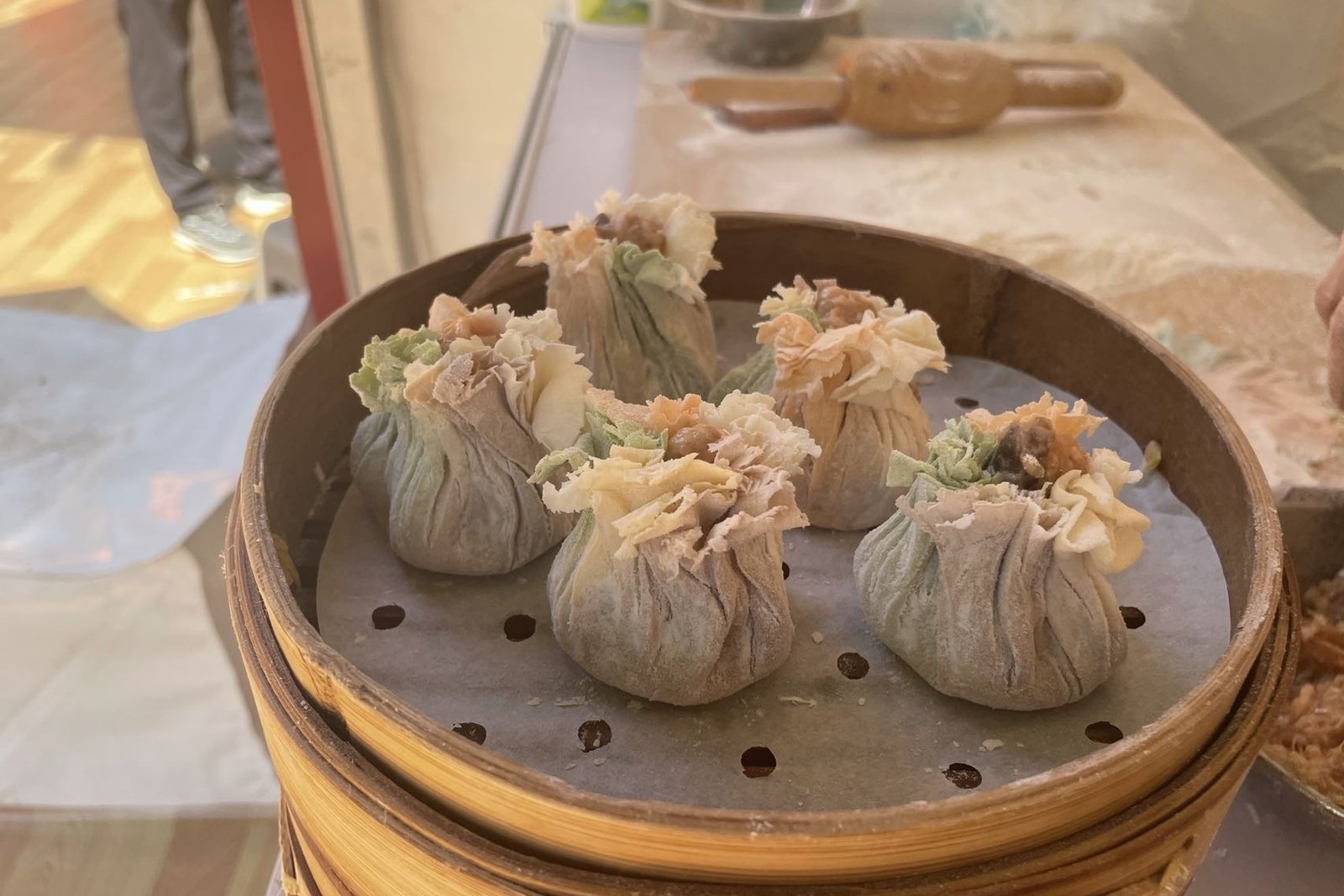
The wry truth is that 南城老字号 Nánchéng lǎozìhào is over-rated as a nostalgia listicle and under-rated as a craft: visitors collect the 字号 zìhào names like stamps and photograph the 招牌 zhāopai boards, while locals – the 老街坊 lǎo jiēfang, the 丰台区 Fēngtái Qū Fengtai District regulars who grew up on it – treat the houses as the family table they never need to book, the place the 生日 shēngrì birthday and the 讲究 jiǎngjiu standards live. The real exam is the 老汤 lǎotāng – a house that keeps its own master stock reads deep and 油润 yóurùn glossy, while a 勾兑 gōuduì blended shortcut reads thin by the second 碗 wǎn, and four generations of regulars can taste it through the wall – worth confirming the details. Season rules it harder than the snack trails: this is a 暖 nuǎn warm-bowl cuisine at its peak in 冬 dōng winter with 铜锅 tóngguō and 砂锅 shāguō, still honest in 夏 xià summer when the 酱牛肉 jiàng niúròu cools into cold plates and the 烧饼 shāobǐng holds the table, the 老字号 lǎozìhào never closing because the 老街坊 lǎo jiēfang don’t.
The self-deprecating footnote: a food writer will mispronounce 肘子 zhǒuzi to a 老师傅 lǎoshīfu who carved them before the writer was born, explain brand theory to a 掌柜 zhǎngguì who inherited the 字号 zìhào rather than studied it, photograph the 铜锅 tóngguō at heroic shutter, and then call the 老汤 lǎotāng “commendably deep” as if depth were a garnish – which is the honest grade: 南城老字号 Nánchéng lǎozìhào is a household table the writer will inventory more than he eats, and the 爷爷 yéye at the next 桌 zhuō has finished his 爆肚 bàodǔ before the shutter closes. The same 丰台区 Fēngtái Qū Fengtai District thread runs on: the lamps of 方庄美食街 Fāngzhuāng měishí jiē Fangzhuang food street light the same appetite to the northeast, the noon counters of 丽泽商务午餐 Lìzé shāngwù wǔcān Lize business lunch rush a few stops north, the dawn stalls of 岳各庄市场小吃 Yuègèzhuāng shìchǎng xiǎochī Yuegezhuang market bites load the same kitchens, and the halal ladles of 大红门清真小吃 Dàhóngmén qīngzhēn xiǎochī Dahongmen halal eats pour from the same southern stock – one district, four more tables.
Words and Names
南城 Nánchéng / southern city · Beijing’s plebeian south, the cradle of commoner cooking 老字号 lǎozìhào / time-honoured brand · the old-sign houses whose name is the bond 马家堡 Mǎjiābǎo / Majiapu · the Fengtai District node where the old-brand tables cluster 角门 Jiǎomén / Jiaomen · the southern gate quarter that shares the old-brand belt 涮羊肉 shuàn yángròu / mutton hotpot · copper pot over coals, the winter rite 酱牛肉 jiàng niúròu / spiced beef · the cold-sliced braise that grades the house 老汤 lǎotāng / master broth · the stock a kitchen keeps or loses its regulars over 丰台区 Fēngtái Qū / Fengtai District · the Beijing district holding the household table
What the Locals Know
- The 字号 zìhào is the tell: a real 老字号 lǎozìhào answers four generations of regulars; a nostalgia pop-up that restyles the 配方 pèifāng each season is performing the south for outsiders (worth confirming the details).
- Judge the house by the 老汤 lǎotāng: a stock kept deep and 油润 yóurùn glossy beats a 勾兑 gōuduì shortcut that reads thin by the second bowl.
- It runs on the 饭点 fàndiǎn family clock: book the 包间 bāojiān early for 周末 zhōumò – the 爷爷 yéye regulars hold the tables, and the 铜锅 tóngguō waits stretch.
- Order the house’s one 老手艺 lǎoshǒuyì – the 手切 shǒuqiē mutton, the 酱牛肉 jiàng niúròu, the 手工 shǒugōng 烧饼 shāobǐng – not the full list; a 老字号 lǎozìhào is graded on a single craft.
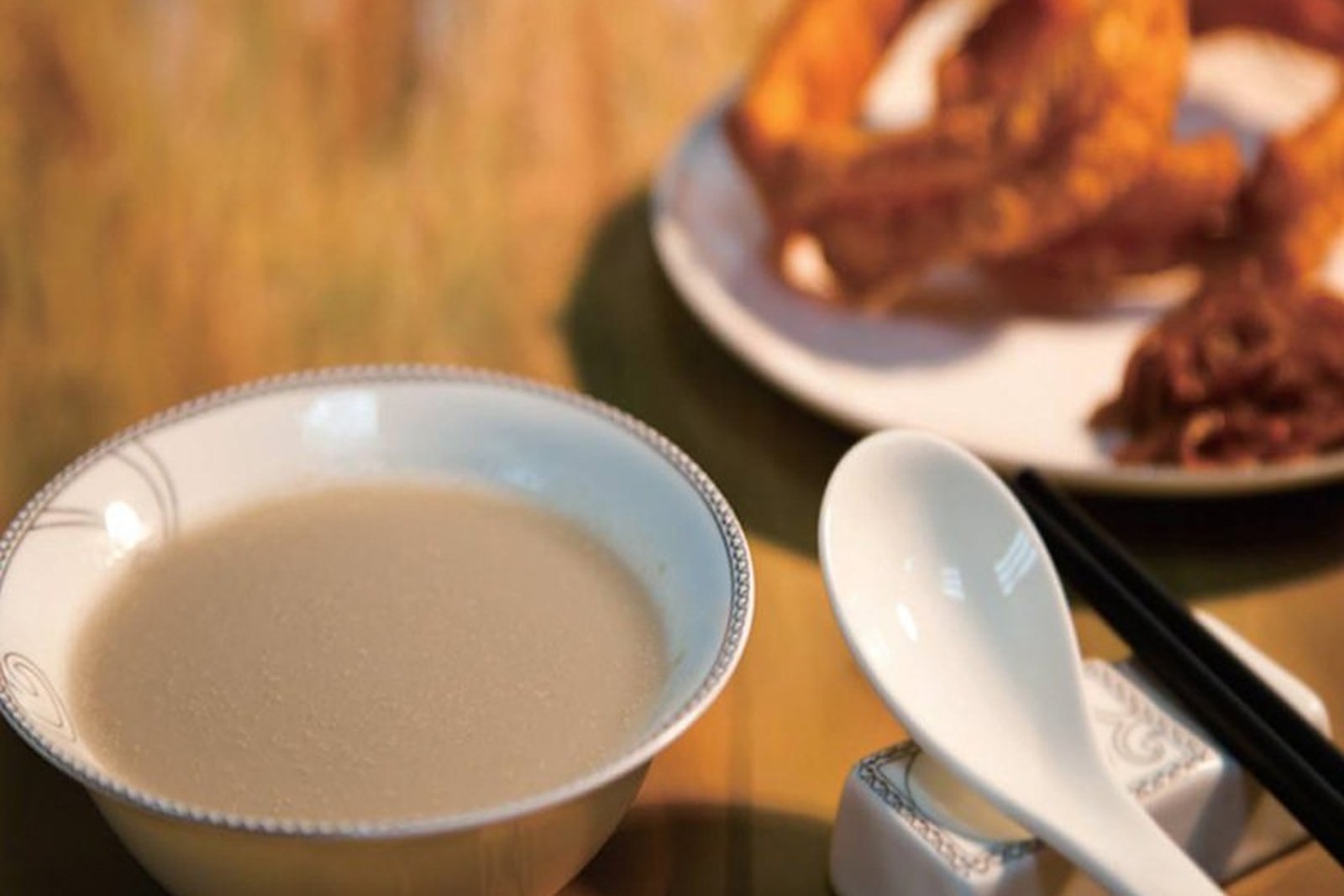
flowcloud would say that the 南城老字号 Nánchéng lǎozìhào is the old-brand household table of Fengtai District, Beijing – 马家堡 Mǎjiābǎo and 角门 Jiǎomén houses keeping the 老汤 lǎotāng, the 手切 shǒuqiē mutton and the 酱牛肉 jiàng niúròu the southern city was raised on – and that the honest move is to book the 包间 bāojiān, order the house’s single 老手艺 lǎoshǒuyì, and trust the 老街坊 lǎo jiēfang tables, because the name is the bond and the broth is the proof. All checked October 2026.
Where to find it: Fengtai District Fēngtái Qū – the 马家堡 Mǎjiābǎo Majiapu and 角门 Jiǎomén Jiaomen streets of the southern city, where 老字号 lǎozìhào halls and 分号 fēnhào branches fire 涮羊肉 shuàn yángròu, 酱牛肉 jiàng niúròu and 炸酱面 zhájiàngmiàn on the 饭点 fàndiǎn clock (worth confirming the details – which branches still 手工 shǒugōng hand-cut and which have gone 中央厨房 zhōngyāng chúfáng central-kitchen); a per-person bill runs on the 肉 ròu and the 酒 jiǔ, so call it worth confirming the details rather than a fixed number. Southern-city laozihao fare is the old-brand household table of Fengtai District, Beijing, broth before brand.