
Bread Against the Tandoor Wall: The Round Heart of Every Valley Table
炕壁贴金饼,一馕行千里 Kàng bì tiē jīn bǐng, yī náng xíng qiānlǐ – Golden rounds slapped on the tandoor wall; one naan will walk a thousand li
正文:馕 náng naan is the round hearth bread that anchors every table in 可克达拉市 Kěkèdálā Shì Keketokala City and everywhere else in the valley: dough slapped against the scorching wall of a clay tandoor, pulled out minutes later blistered and stamped, good for days and famous for traveling. The bakery rows start before dawn – the tandoors glow like small factories, the rounds go up wet against the clay, and by breakfast the neighborhood’s paper bags of warm bread are already walking out the door.
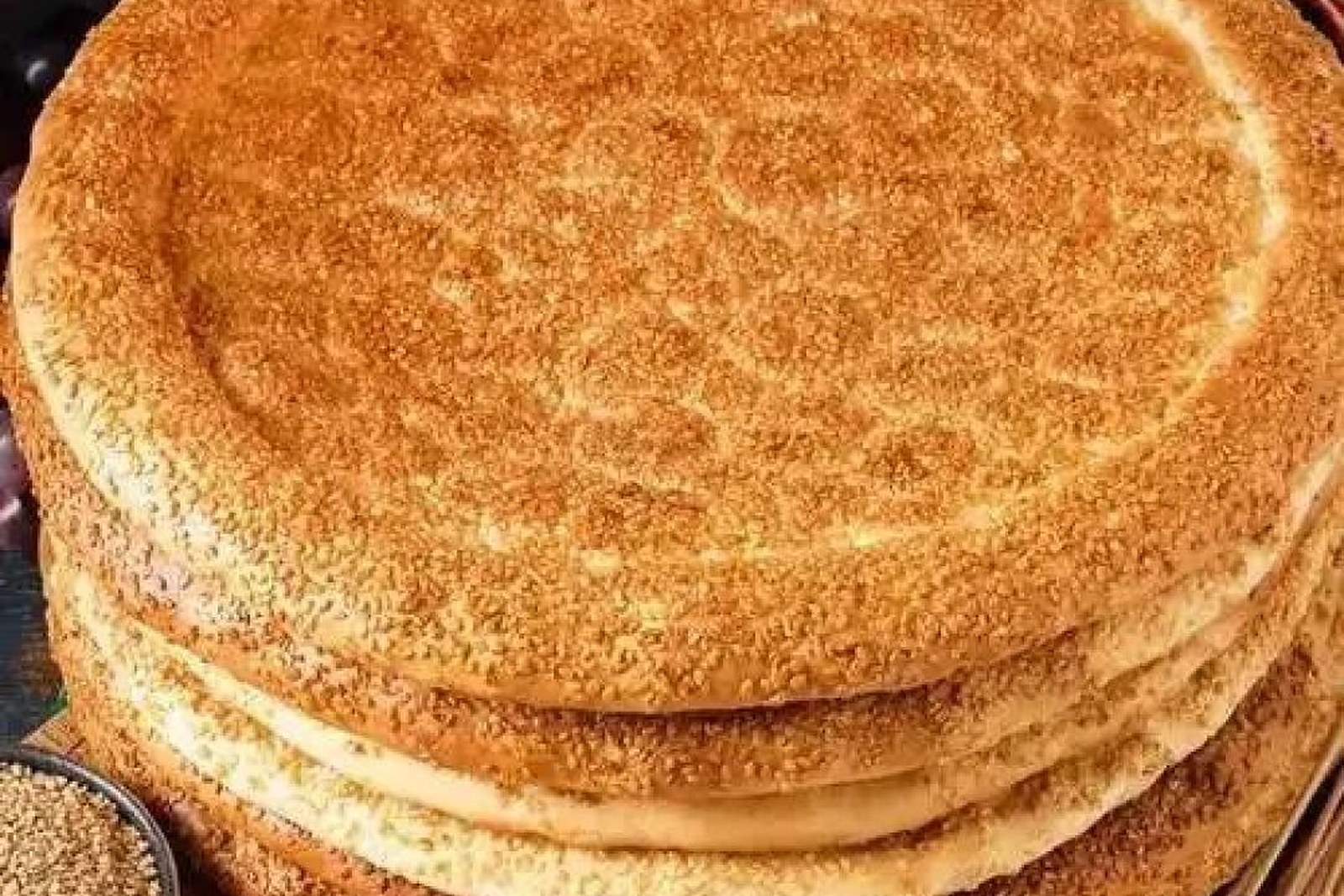
The range is wider than outsiders expect. The daily bread is the onion-studded disc the size of a dinner plate, chewy at the center and crisp at the rim; the wedding rounds run dinner-plate wide, sesame-heavy and stamped in patterns that announce the baker’s hand; the thick pocket naan holds its crust for a week; and the sweet tea breads scatter sugar and oil in a crumb that dissolves against hot tea. Every version shares the same logic – flour, water, salt, patience, and a wall of fire – and every bakery’s stamp is its signature: pinpricked grids, flower dies, thumb lines pressed in a rhythm the family has kept for generations.
Naan is infrastructure as much as food. It packs for the bus, the harvest and the winter road; it dips into broth, carries melon and cheese, and stands in for cutlery when the lamb arrives on the bone. Households buy it daily and bakeries bake twice daily, and the arithmetic is exact: a tandoor that lights at five serves its street by eight, and a bag carried to a neighbor is the valley’s most common small kindness.
Beyond the bread, the same 可克达拉市 Kěkèdálā Shì Keketokala City sets the rest of the table: 手抓羊肉 shǒuzhuā yángròu the boiled-lamb feast, 马肠纳仁 Mǎcháng Nàrén the horse-sausage naren, 熏马肉 xūnmǎròu the smoked horse meat, and 伊犁冰淇淋 Yīlí bīngqílín the hand-churned ice cream – four more doors into the same 可克达拉市 Kěkèdálā Shì Keketokala City. With the tandoor tasted, our Keketokala travel map fills the day.
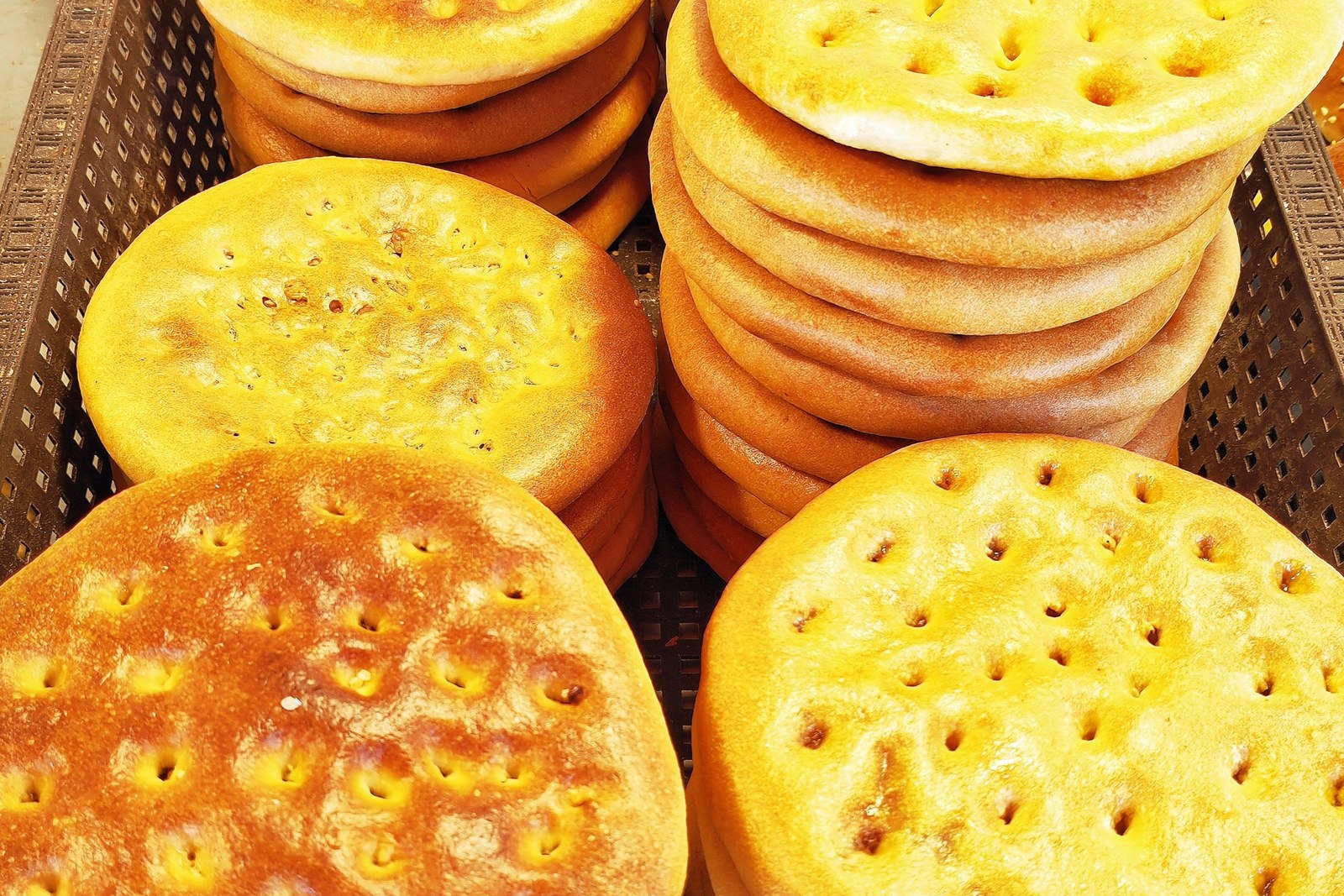
Practicalities first. The bakery rows sit on every market street; rounds cost pocket change, the dawn and dusk batches are the ones worth queuing for, and the test is the rim – it should crackle, not bend. Buy what you eat today, keep the rest in paper rather than plastic, and if the baker offers a fresh one still too hot to hold, wait the two minutes; patience converts directly into crust.
What stays with you is the sound. A working tandoor street at dawn – the slap of dough on clay, the hiss of steam, the peel going down and coming up – is one of the valley’s signature broadcasts, and it has not changed in a hundred years. The city around the bakery rows updates monthly; the bread keeps its own schedule.
Words and Names
What the Locals Know
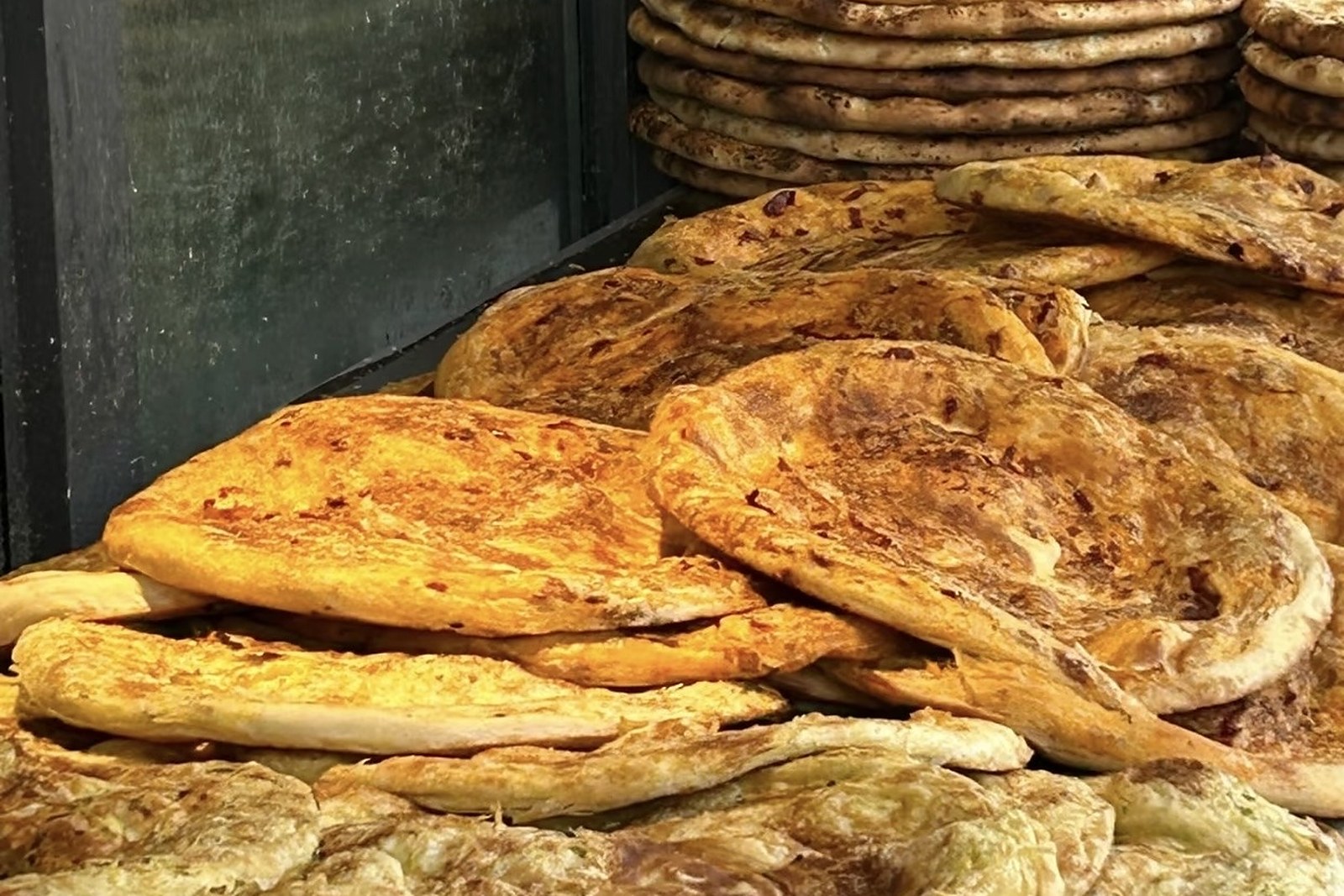
flowcloud would say naan is the valley’s oldest spreadsheet: flour in, calories out, stamped for identity, shelf-stable by design and audited daily by every grandmother on the street. All checked November 2026.
Where to find it: The tandoor bakery rows of Keketokala’s market streets bake twice daily; catch the dawn batch, test the rim for crackle, and carry your paper bag warm – the bread is at its best within the hour it leaves the clay. All checked November 2026.