
Nang: The Tandoor-Baked Round Bread of the Silk Road, Sesame Crust and Week-Long Keep in Urumqi, Xinjiang
馕坑贴壁千层香,一路干粮走天山。Náng kēng tiē bì qiān céng xiāng, yī lù gānliáng zǒu Tiānshān – A thousand layers of perfume where the bread meets the pit wall; one road’s provision walks the Tianshan.
馕 Náng nang is the bread that structures the day here – round discs slapped against the wall of a clay tandoor, blistered by the pit’s dry heat into a crisp golden crust over a tender, faintly sour crumb, sesame or onion or oil folded through by house style. The bakers work in pairs from before dawn, one shaping, one slapping and hooking the discs out by the dozen, and the round of bread rides into every journey: truck cabs, school satchels, the tea tables of the old city. Urumqi eats nang plain at breakfast, torn into broth at lunch, and the sweet 油馕 yóunáng oil-nang with afternoon tea; the crust crackles, the crumb gives, and a good nang keeps a week without complaint. The register is the daily round: paper sacks, warm armfuls, a bread that is also a plan.
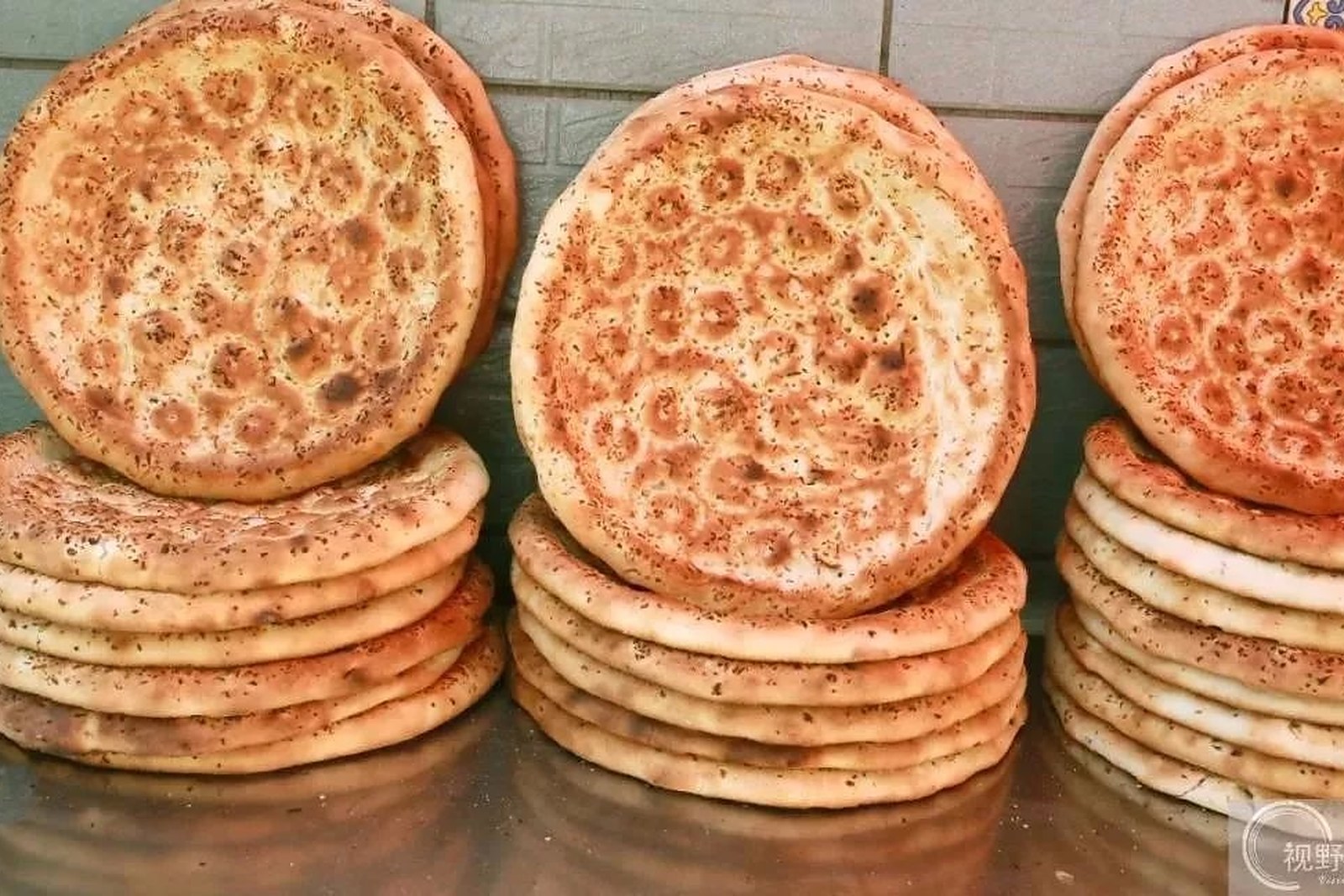
Call it honestly: baker’s arithmetic by the round. Getting there is one door: the workshop rows stand through the streets around the 大巴扎 Dàbāzhā Grand Bazaar where the ovens run all day (worth confirming the details for which houses sell the fresh-pull rounds straight from the hook, the pit emptying by the evening), and the neighbourhood 打馕 dǎnáng bakeries across the city bake to the morning crowd without theatre. A round prices at a few yuan money plain, a filled or sweet nang at picnic-pocket money – though exact figures are worth confirming the details on rather than quoting, the rounds repricing with the flour. The crowds run to the morning: the first pull goes with the commuters, the sweet rounds sell to the tea hour, and a mid-morning visit, when the second bake cools on the racks and the pit man leans on his hook, is the eater’s own hour.
The honest star is the pit itself – 馕坑 náng kēng the tandoor, whose wall-heat does what no oven manages. What gets oversold is the “souvenir framing”: gift boxes of nibble-size nang travel well, but the bread’s whole argument is freshness, a crackle that fades by the day. What repays is the range of the form: the sesame-crusted thin rounds for the tea table, the thick 窝窝 wōwō dome nang with its soft crown, the onion-flecked travel rounds that keep the week, each a different answer to the same pit (worth confirming the details for which houses bake which styles on which days, pit doors turning over as baker families do).
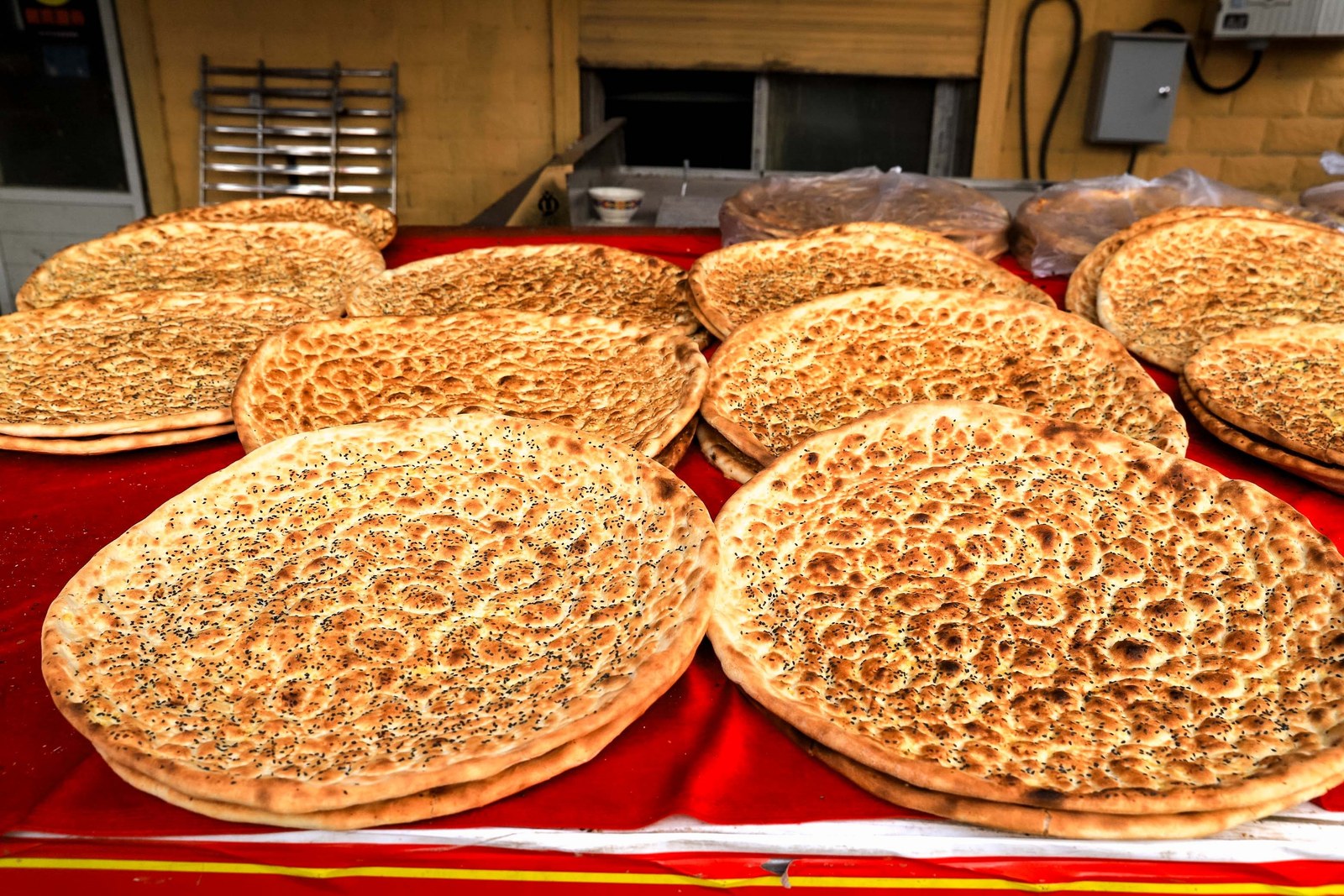
The town’s deepest habit is the round itself: bread bought by the stack and never by the slice – a unit of provision that makes the nang bag the city’s common currency, and the reason every journey out of town starts at an oven door.
The rest of this Urumqi list keeps other tables: the group platter of 新疆大盘鸡 Xīnjiāng dàpánjī the big plate chicken anchors the evenings, the charcoal perfume of 红柳烤肉 Hóngliǔ kǎoròu the red-willow skewers fills the night lanes, the golden rice of 羊肉抓饭 Yángròu zhuāfàn the lamb pilaf steams the noon and the pulled ribbons of 拉条子 Lātiáozi the latiaozi dress the noodle houses – four more doors into the same 乌鲁木齐市 Wǔlǔmùqí Shì Urumqi City.
Words and Names
What the Locals Know
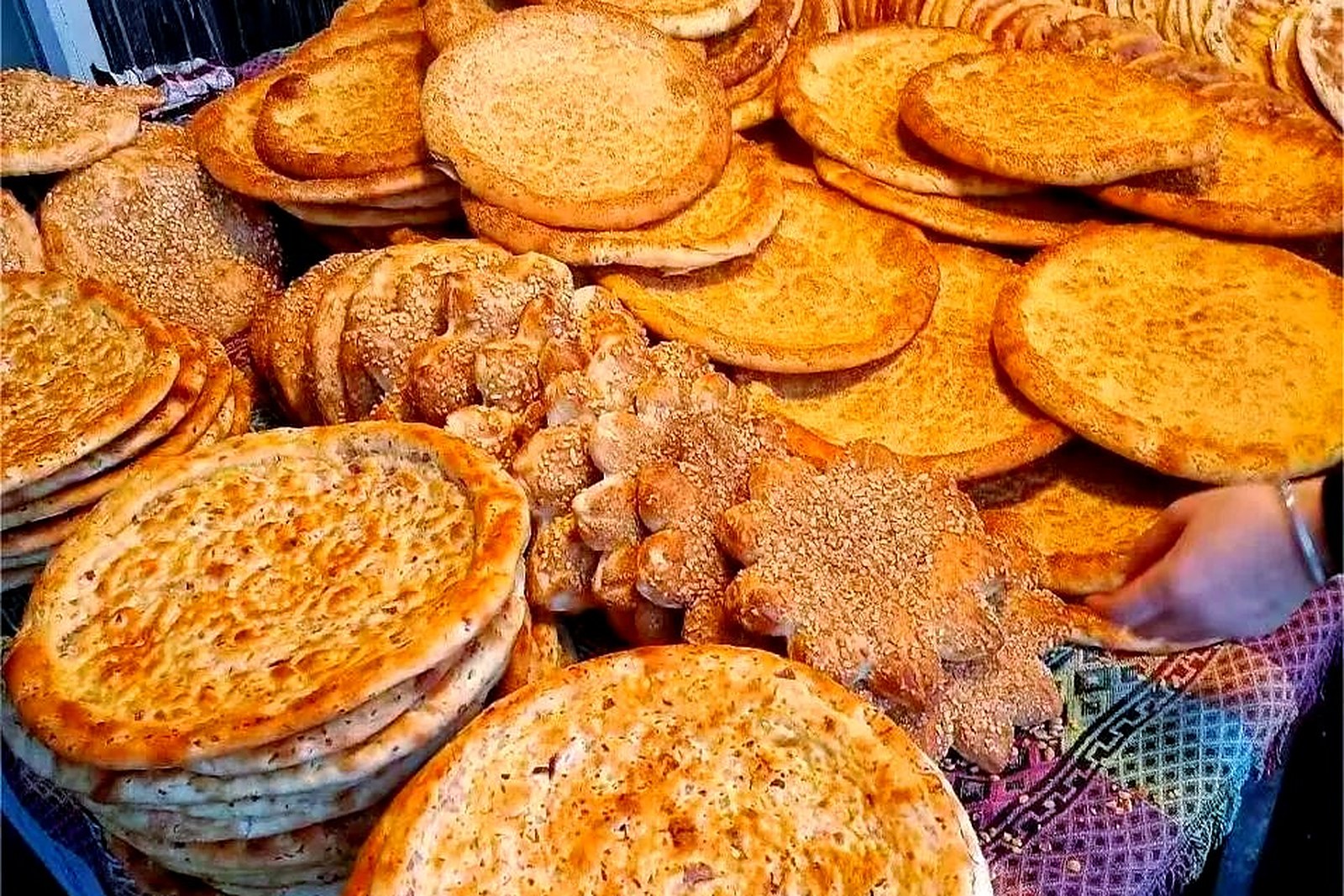
flowcloud would say that the 馕 Náng is the pit’s own architecture and the day’s first arithmetic – round by round, sack by sack, a bread that plans the journey before the journey plans itself – and that the honest move is to eat the first tear plain, listen whether the crust crackles, and buy the second round for the road rather than the shelf, because the pit raised the bread and the morning keeps the custom. All checked November 2026.
Where to find it: 乌鲁木齐市 Wǔlǔmùqí Shì Urumqi City, Xinjiang – the pit houses of the Grand Bazaar streets and the neighbourhood ovens across the city, where the 馕 Náng nang keeps the round-by-round register and the 馕坑 náng kēng tandoor wall does the baking, reached on foot through the morning streets or by bus to the bazaar quarter (worth confirming the details for which houses bake the thick 窝窝 wōwō domes and which keep to the thin sesame rounds, oven doors turning over as baker families do), where the trade keeps the morning clock – first pull the commuters’ armfuls, mid-morning the cooling racks, tea hour the sweet rounds; a few yuan to picnic-pocket money by the round, so call it worth confirming the details rather than a fixed number, and let the crust cast the vote. Nang is the pit’s own bread of the Silk Road streets, slapped round and eaten at the speed of the crackle – the taste of 乌鲁木齐市 Wǔlǔmùqí Shì Urumqi City eaten one sesame-fragrant, week-keeping round at a time. All checked November 2026.