
Nanxiang Xiaolongbao: The 1900s Origin House Story, Thin-Skin Juicy Soup Buns and the Old-Street Steamer Belt of Jiading District, Shanghai
南翔老街笼雾暖,薄皮汁满一口鲜。Nánxiáng lǎojiē lóng wù nuǎn, báopí zhī mǎn yī kǒu xiān – At Nanxiang’s old street the steamer fog hangs warm; thin of skin and full of juice, one bite tastes fresh.
南翔小笼包 Nánxiáng xiǎolóngbāo Nanxiang xiaolongbao is the soup-bun trade of 南翔老街 Nánxiáng Lǎojiē Nanxiang Old Street in 南翔镇 Nánxiáng Zhèn Nanxiang town, 嘉定区 Jiādìng Qū Jiading District, Shanghai – the river town on the district’s southern edge where the bun was invented and where the name still pulls half the city out on weekends. The story is the town’s own: in the early 1900s the cook 黄明贤 Huáng Míngxián Huang Mingxian worked at 日华轩 Rìhuáxuān the Rihuaxuan teahouse and refined the bun that became 小笼馒头 xiǎolóng mántou the xiaolong soup bun – 皮薄 pí báo thin skin, 馅大 xiàn dà generous filling, 汁多 zhī duō rich juice – folding the soup inside the dough itself, and the town has been steaming the same idea ever since. The ritual comes with it, recited on placards and by grandparents alike: 轻轻提、慢慢移、先开窗、后吸汤 qīng qīng tí, màn màn yí, xiān kāi chuāng, hòu xī tāng lift gently, move slowly, open a window first, then sip the soup. Today the trade keeps two registers side by side: the 古猗园 Gǔyī Yuán Guyi Garden restaurant and its 南翔小笼馒头 counters inside the classical garden, and the old-street shops steaming baskets for the day-trip tide (worth confirming the details – which shop holds which frontage on the old street turns over as old streets do, and the specific doors are best confirmed on the street rather than recited). The clientele is the town’s tide: weekend families, weekday regulars, garden visitors folding lunch into the sightseeing. The blunt definition: the town where the soup bun was born, still folding it by the morning batch – the taste of Jiading eaten off a bamboo steamer at the source.
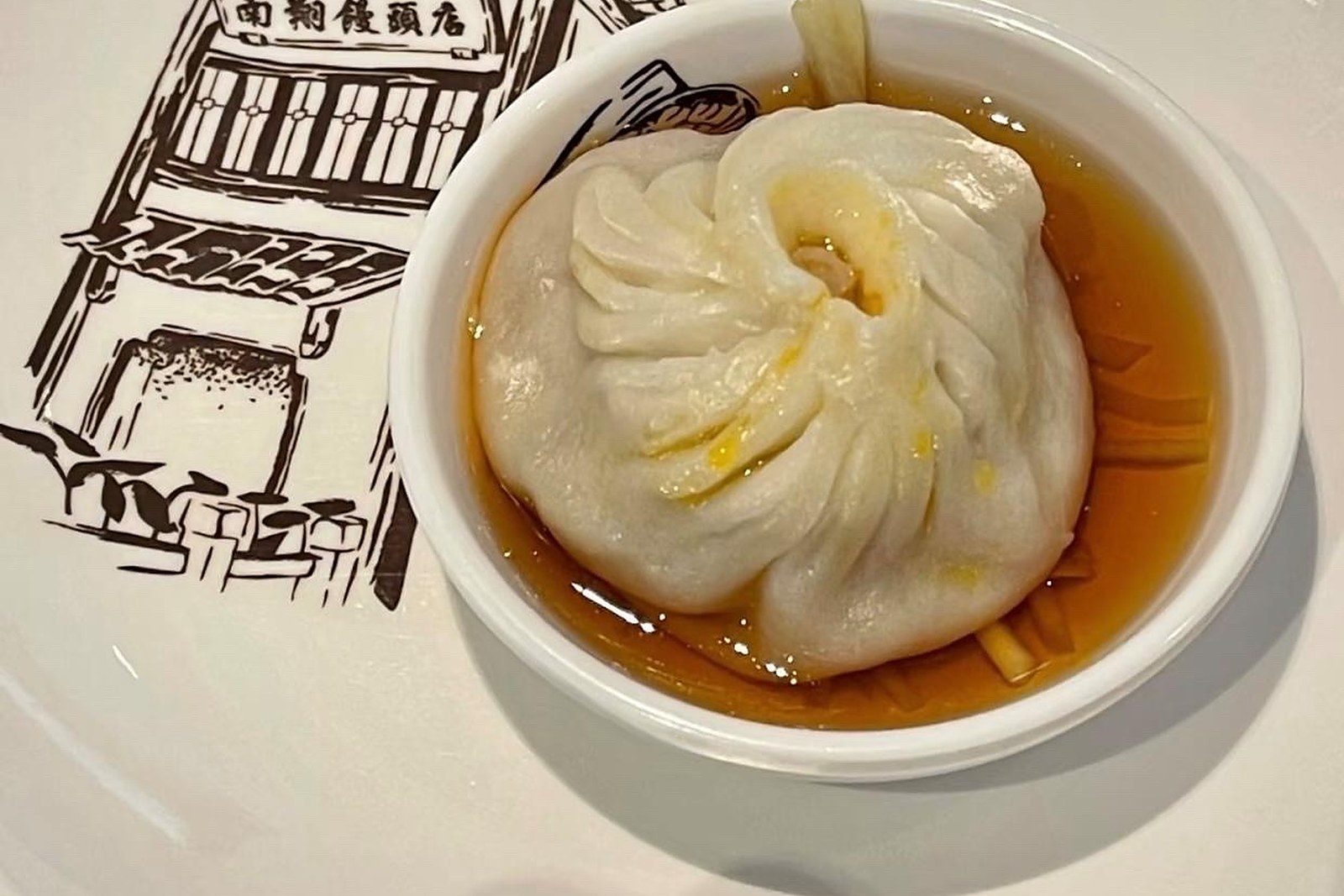
Call it honestly: origin-town money on a day-trip clock. Getting there is one door: 地铁11号线 dìtiě shíyī hào xiàn Metro Line 11 to 南翔站 Nánxiáng zhàn Nanxiang station puts the town within a short ride or walk of the old street and the garden gates, and the whole steamer belt sits between the two ends – the garden dining rooms at one anchor, the old-street shops at the other (worth confirming the details for the station-to-street connection and which gate fronts the dining rooms today, the approach shifting with the garden’s season arrangements). A basket of buns prices at street-snack money, a seated meal of buns with soup, noodles and tea at casual-neighbourhood money – though exact figures are worth confirming the details on rather than quoting, the doors being tourist-adjacent and repriced by season and queue. The crowds run to the tide’s calendar: weekend middays pack the old street shoulder to shoulder and the garden counters stack orders, warm-weather weekdays thin the trade to the locals and the garden’s own visitors, and a weekday mid-morning, when the steamers run for the morning regulars and the street belongs to its residents, is the eater’s own hour (worth confirming the details for individual shops’ hours, which follow the garden’s opening rhythm and the tour-bus schedule more than any posted sign).
The honest star is the bun at its source, graded basket by basket. What gets oversold is the “birthplace pilgrimage” framing: guides sell a shrine where every basket is revelation, and a first-timer may meet an ordinary tourist street of steamers, souvenir counters and queue screens – which is not the disappointment but the point. What repays the effort is grading the basket the way the town does: a shop judged by whether the skin holds its soup without tearing when lifted, a basket judged by whether the broth scalds sweet rather than greasy, a filling judged by whether it answers the season rather than the freezer. The test costs nothing: order one basket at a plain old-street window before you book a garden table, watch whether the counter hands out the 口诀 with the vinegar, and eat where the pensioners queue rather than where the flags fly – a town that has folded the same bun for over a century grades its kitchens daily, and the local queue is the certificate (worth confirming the details – the counters migrate with the leases, and today’s plainest shutter may be next season’s remembered one).
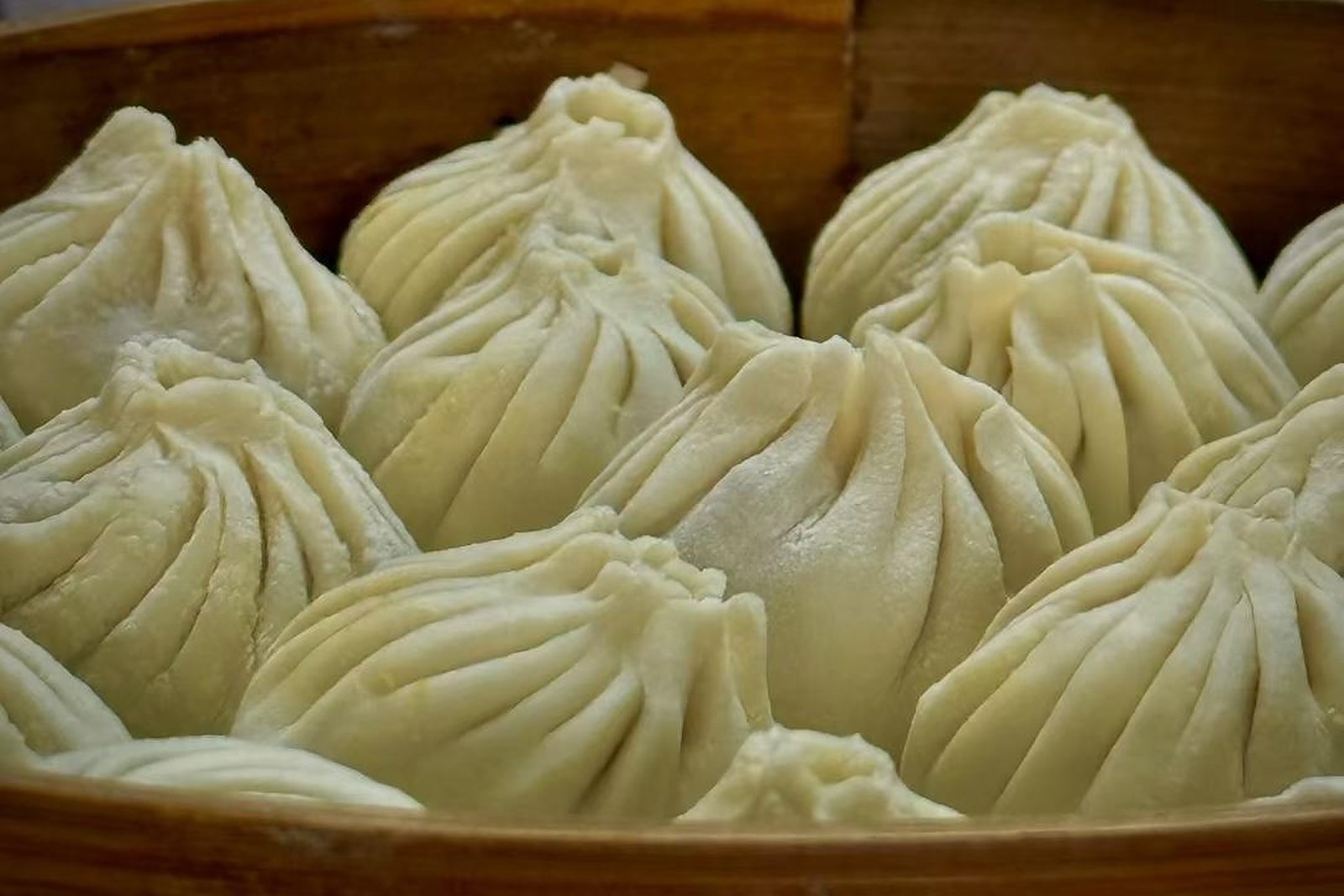
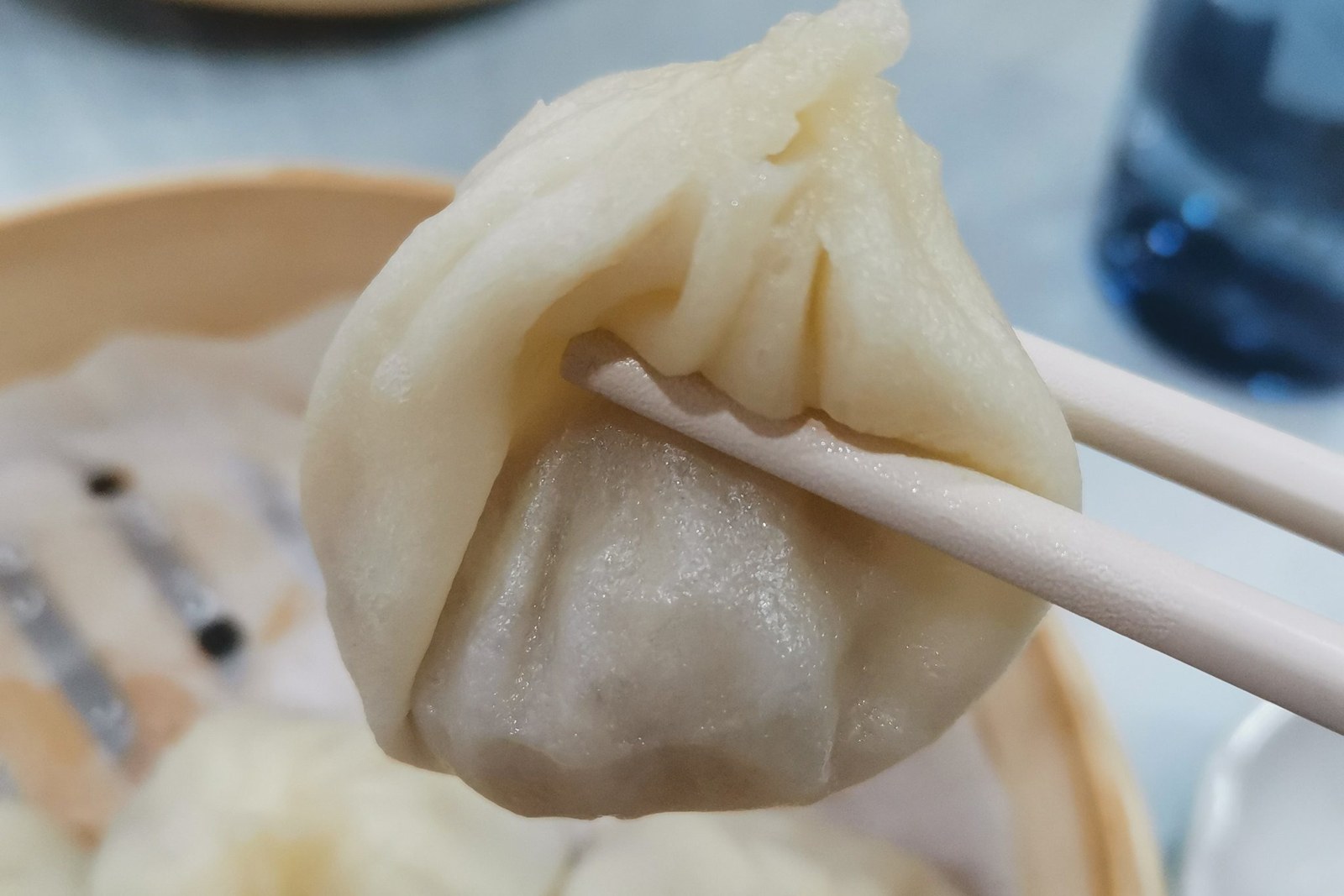
The town’s deepest habit is the ritual itself: 轻轻提、慢慢移、先开窗、后吸汤 – the bun handled like a living thing, the skin nipped open, the broth sipped before the bite. It is not decoration; it is the recipe’s own instruction, and the tables that follow it eat better than the ones that bite straight through. Time it right – an early Line 11 ride out on a weekday – and the basket arrives as the origin meant it: steamed to the minute, served before the fog lifts (worth confirming the details – which shops still fold and steam on site today, the trade thinning toward central kitchens as the queue grows). Learn the ritual once at a plain old-street table and it travels with you: every basket the town steams, in the garden rooms or the streetfront windows, is graded by the same small ceremony, and the visitor who follows it eats at the source rather than beside it (worth confirming the details – which rooms teach the ritual with the vinegar, the practice varying door by door).
The rest of this Jiading list keeps other tables: the pagoda-lane snack belt of 州桥老街小吃 Zhōuqiáo Lǎojiē xiǎochī Zhouqiao Old Street snacks steams a metro ride north at the district seat, the farmhouse kitchens of 嘉定乡野土菜 Jiādìng xiāngyě tǔcài Jiading country cooking simmer in the northern countryside, the twin-clock tables of 安亭美食 Āntíng měishí Anting eats run the old street and the Auto City malls to the west, and the vineyard season tables of 马陆葡萄与周边美食 Mǎlù pútao yǔ zhōubiān měishí Malu grape area eats ripen a Line 11 stop away – one district, four more tables, all inside 嘉定区 Jiādìng Qū Jiading District; and when the steamer morning needs a bed nearby or a broader route, the stay-and-street notes for the district pick up where the baskets leave off.
Words and Names
What the Locals Know
flowcloud would say that the 南翔小笼包 Nánxiáng xiǎolóngbāo is the thin-skin juicy soup bun and the old-street steamer belt of Jiading District, Shanghai – a 老字号点心 lǎozìhào diǎnxīn discipline where the 1900s origin-house story of 黄明贤 Huáng Míngxián Huang Mingxian answers the pleated skins and the ginger-vinegar dishes of the queue-screen mornings – and that the honest move is to eat at the counter with the first basket, test the skin before the soup scalds, and let the steamer turnover cast the vote, because the town folded the first soup inside the skin and the skin keeps the town. All checked October 2026.
Where to find it: 嘉定区 Jiādìng Qū Jiading District, Shanghai – the soup-bun belt of 南翔老街 Nánxiáng Lǎojiē Nanxiang Old Street through 南翔镇 Nánxiáng Zhèn Nanxiang town, anchored by the 古猗园 Gǔyī Yuán Guyi Garden dining rooms and the old-street shopfronts, reached from 南翔站 Nánxiáng zhàn on Metro Line 11, where the town keeps the day-trip clock – weekend middays the city’s pilgrimage tide through the queue screens, warm-weather weekdays the thinned local trade, weekday mid-morning the eater’s own (worth confirming the details – which shop holds which frontage today, old-street doors turning over as old streets do); street-snack to casual-neighbourhood money, so call it worth confirming the details rather than a fixed number, and let the pensioners’ basket queue cast the vote. Nanxiang xiaolongbao is the 1900s origin house story, thin-skin juicy soup buns and the old-street steamer belt of Jiading District, Shanghai – the taste of 嘉定区 Jiādìng Qū Jiading District eaten where 黄明贤 Huáng Míngxián Huang Mingxian folded the first soup inside the skin. All checked October 2026.