
The Stone-Mill Perfume: Nanxinzhuang Sesame Oil
石磨轻研芝麻酱,一滴香透半条街 Shímó qīng yán zhīma jiàng, yī dī xiāng tòu bàn tiáo jiē – The stone mill slowly grinds the sesame paste; one drop scents half the street
南辛庄小磨香油 Nánxīnzhuāng xiǎomó xiāngyóu is the north’s benchmark sesame oil – stone-milled from toasted sesame in the village of 南辛庄 Nánxīnzhuāng Nanxinzhuang, whose workshops grew from Qing-era presses into the largest traditional oil base in northern China. The 小磨 xiǎomó small stone-mill method is the whole difference: no solvent, no high heat, no pressing screw – just soaked sesame, stone, water and time, keeping the oil amber, nutty and clean. In 天津市武清区 Tiānjīn Shì Wǔqīng Qū Wuqing District the village name on the label works like a guarantee.
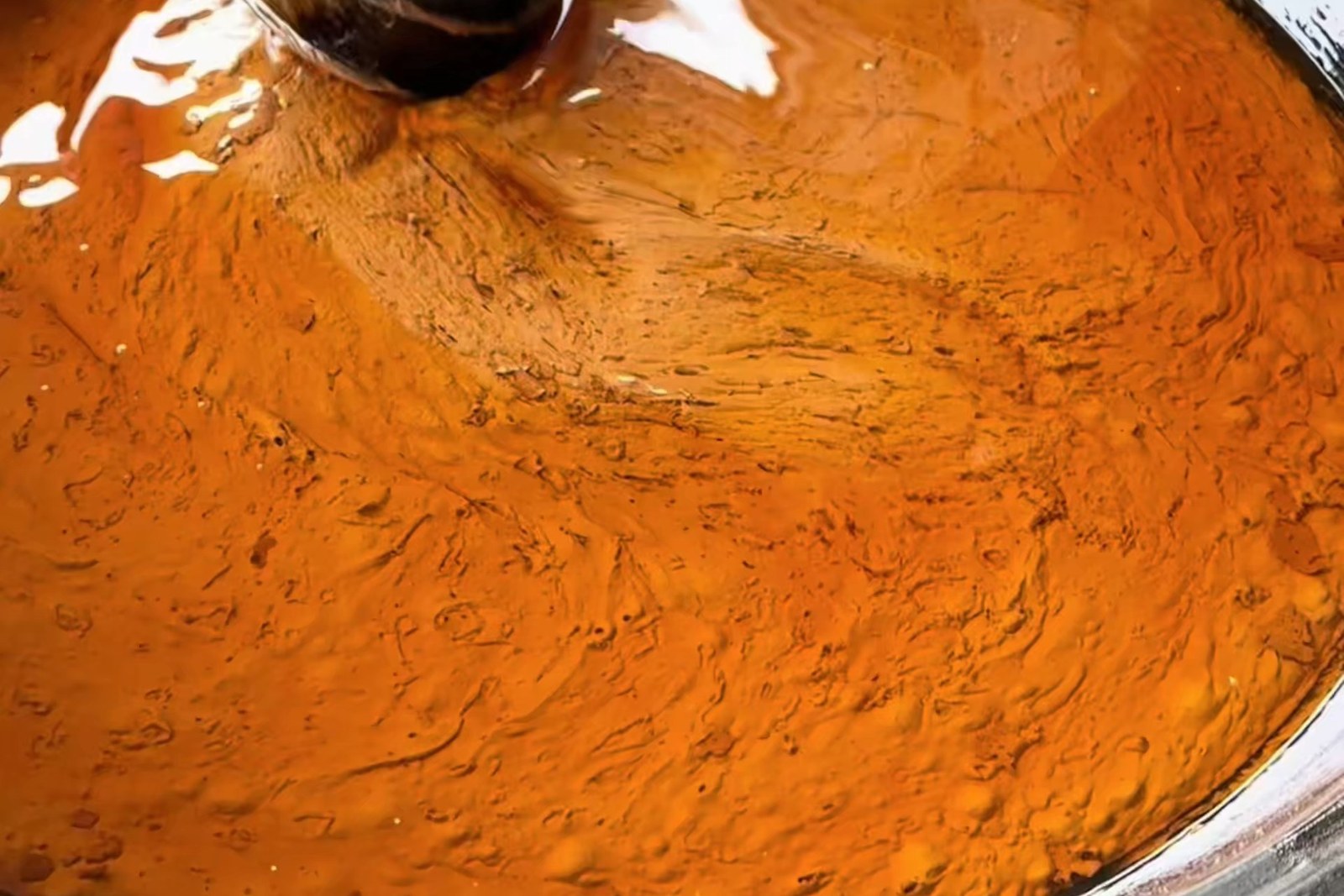
The mill is the craft’s slow heart. Toasted sesame feeds the stone in a thin stream, the paste tightens, and water added by feel makes the oil rise to be drawn off by hand. It is a day’s work for a day’s oil, and the workshops keep the method exactly because machines cannot spend that kind of time.
The aroma is the product. Fresh small-mill oil carries the toasted sesame whole – nutty first, sweet after, with none of the scorched edge of hot-pressed oils – and a drop finishes a soup or a dressing from across the table. Village buyers bring their own bottles; the shop rows during pressing season smell like a bakery running on seeds.
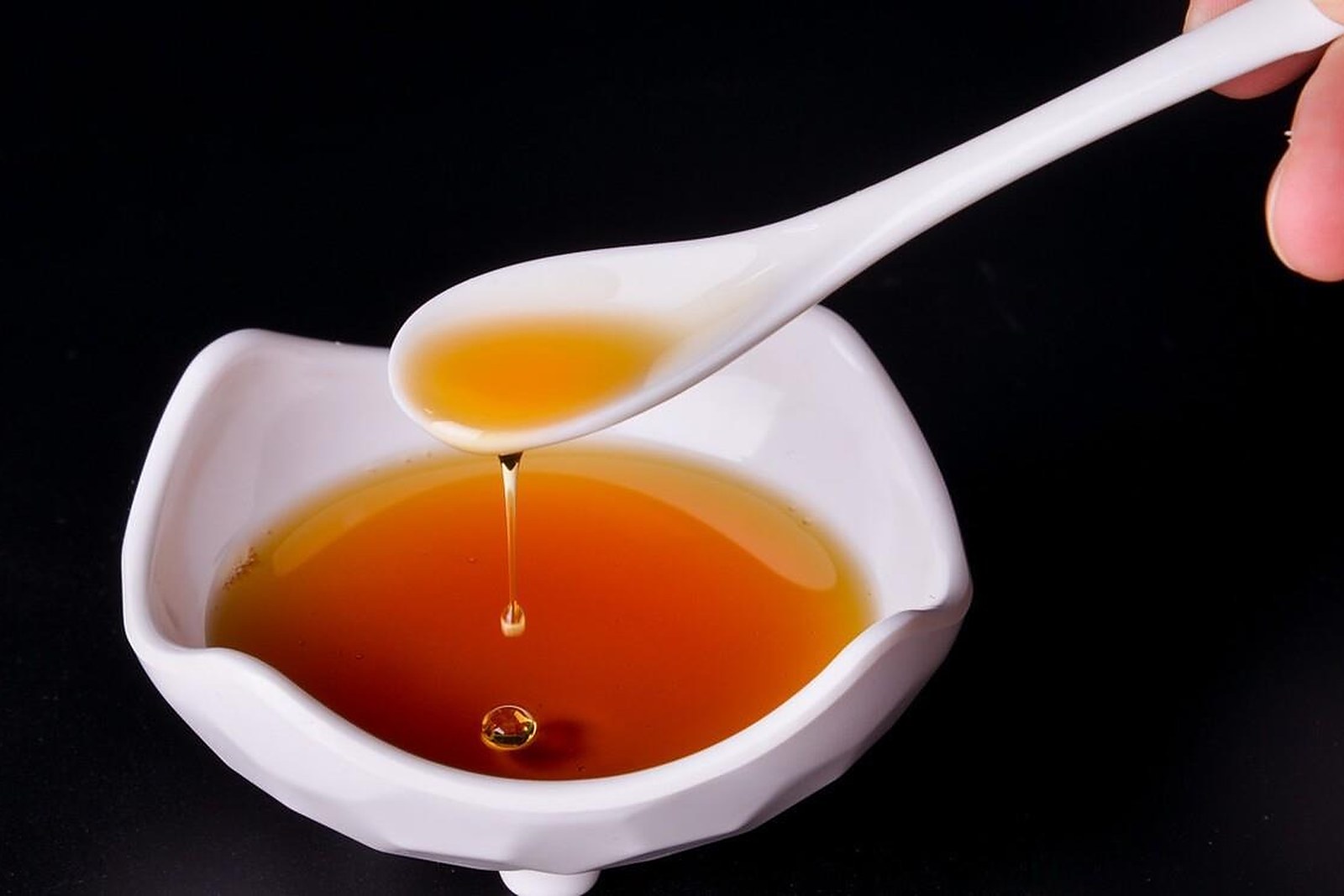
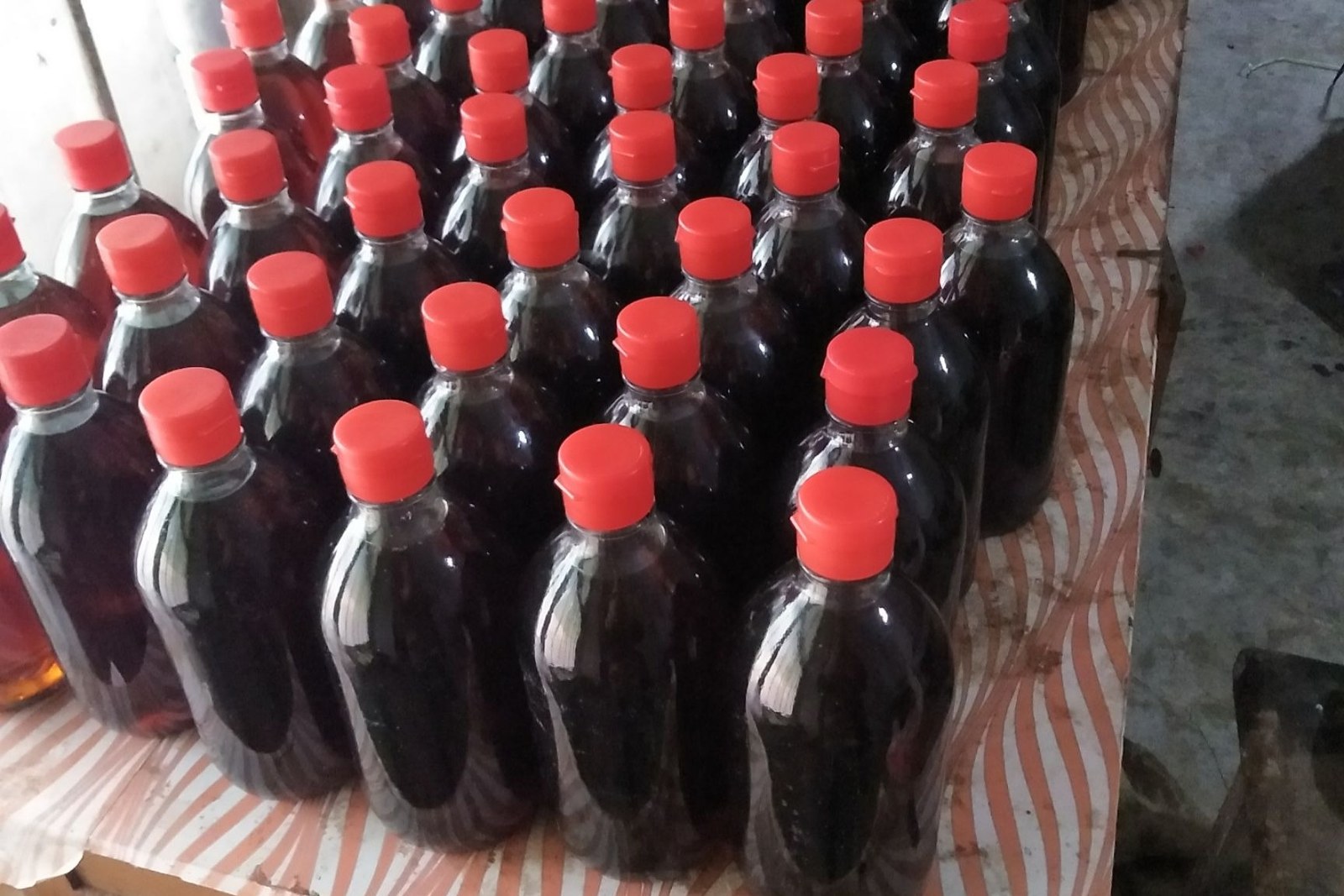
In the kitchen the oil plays finishing roles. Dressed over cold dishes, dripped into noodles and congee, or brushed on flatbread before the pan, it goes in last and by the drop. The village’s dark glass bottles are the standard gift, and the pressing-season batches – autumn sesame, winter pressing – are the ones regulars reserve.
The same district holds more flavors worth chasing: 杨村糕干 Yángcūn gāogān the white rice cake, 田水铺青萝卜 Tiánshuǐpù qīng luóbo the sweet green radish, 东马房豆腐丝 Dōngmǎfáng dòusī the spiced tofu shreds, or 狗屁果仁 Gǒupì guǒrén the famously named fried peanuts – four more doors into the same Wuqing District table.
Words and Names
香油 xiāngyóu sesame oil, “fragrant oil”; 小磨 xiǎomó the small stone-mill method; 芝麻 zhīma sesame; 磨坊 mófáng the mill workshop; 石磨 shímó the stone mill that names the craft.
What the Locals Know
The pressing-season bottle beats everything on the shelf – regulars reserve by autumn. Use by the drop and add it off the heat; the aroma is the purchase. If a bottle needs shaking or smells flat, it is not village oil. All checked November 2026.
flowcloud would say Nanxinzhuang’s oil is patience you can smell: stone, sesame, water and a day’s work, drawn off one amber drop at a time.
Where to find it: The Nanxinzhuang workshop rows in Dajianchang town sell the pressing-season batches, Tianjin specialty stores stock the village-labeled bottles, and district markets carry the local brands by the shelf. All checked November 2026.