
包谷砂拉酒,三杯敬远客。Bāogǔ shāla jiǔ, sān bēi jìng yuǎnkè – Corn-grit liquor; three cups to honour the distant guest.
包谷砂拉 Bāogǔ Shāla – 包谷 bāogǔ corn, 砂 shā the grits, 拉 la the local word for the drink – is the hospitality liquor of the 怒江 Nùjiāng gorge, a low-alcohol, faintly sweet-and-sour 水酒 shuǐjiǔ water-wine brewed from coarse-ground 包谷砂 bāogǔ shā corn grits rather than polished rice. The 傈僳 Lìsù Lisu and the 怒族 Nùzú Nu both keep a 酒坛 jiǔtán fermentation jar by the 火塘 huǒtáng, and the method is the old 水酒 shuǐjiǔ one: the corn grits are cooked soft, cooled, mixed with a 酒曲 jiǔqū ferment cake, packed into the jar and left to 发酵 fājiào ferment for a few days into a cloudy, mildly alcoholic mash, then 冲 chōng diluted with warm water straight from the jar when a guest arrives and drunk through a 竹管 zhúguǎn bamboo tube or ladled into a bowl. It is not 白酒 báijiǔ firewater – the alcohol sits low, maybe a few percent – and it eats like a grainy, lightly fizzy, sour-sweet 米酒 mǐjiǔ rice-wine cousin you can drink a lot of before it argues back. A jar or a shared pot runs about 20-50 yuan at a village house or 农家乐 nóngjiālè (worth confirming – it is often part of a set meal or given to guests rather than metered by the glass), and the honest shape is that this is the gorge’s welcome, the thing poured the moment a stranger sits, not a drink you order for the taste.
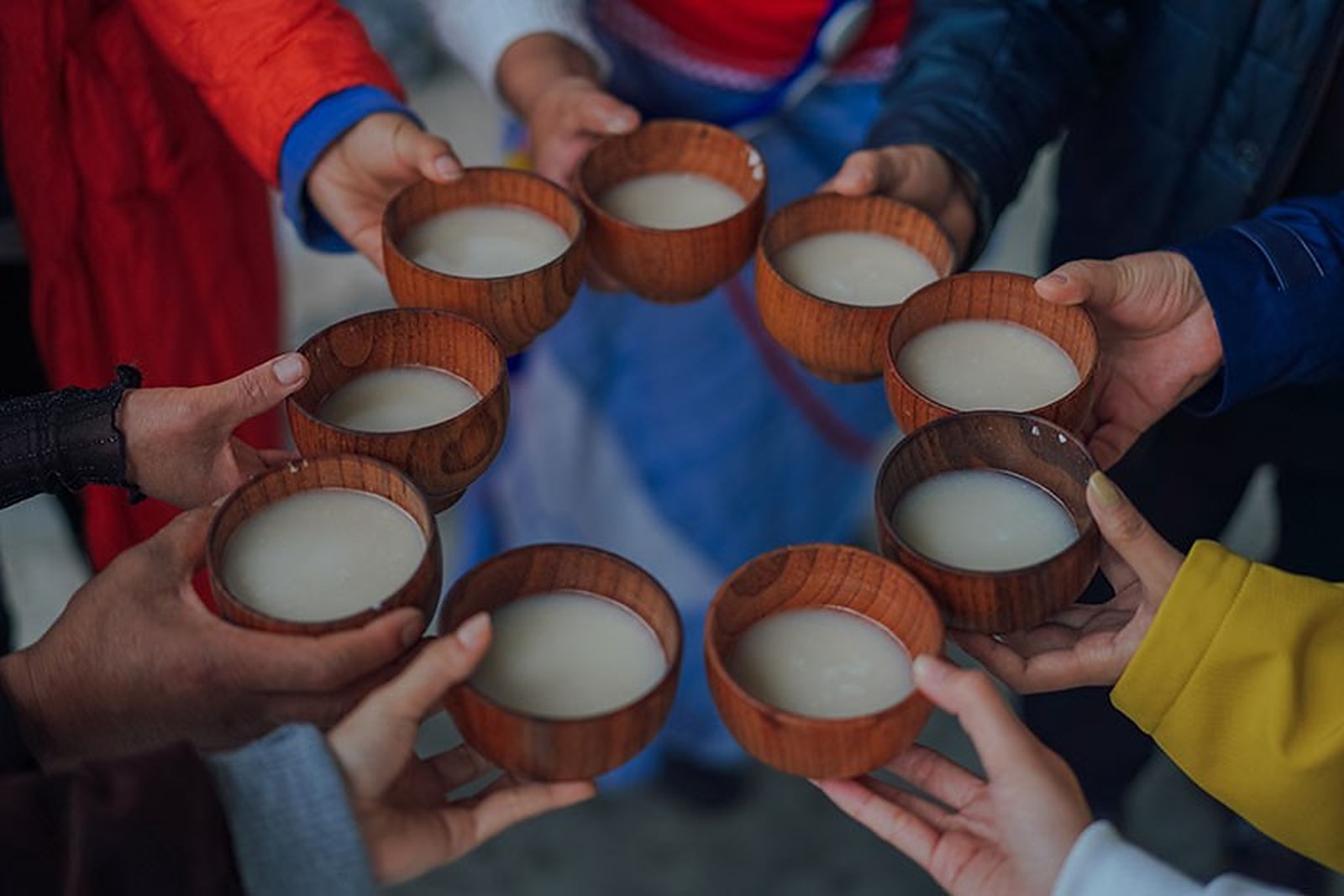
The mechanism is the grit and the water. Unlike a 白酒 báijiǔ distilled spirit, 包谷砂拉 bāogǔ shāla is a 水酒 shuǐjiǔ – fermented, not distilled – so the 包谷砂 bāogǔ shā coarse corn grits are cooked and fermented whole-ish, which leaves the drink cloudy with suspended grain and gives it the ‘砂’ shā gritty body the name points to, and the 酒曲 jiǔqū ferment (often a home-made 粬 qū cake of wild mould and herb) is what turns the corn sweet and slightly sour rather than merely starchy. The 冲 chōng dilution step is the trick: the jar holds a concentrated ferment, and the host adds warm water to taste each time, so the same 酒坛 jiǔtán yields a stronger first round and a weaker last one, and the drink stays live and changing through an evening by the 火塘 huǒtáng. The comparison locals draw is with the 甜酒 tiánjiǔ / 醪糟 láozāo fermented-rice wine of the Han plains and the 傣族 Dǎizú Dai 水酒 shuǐjiǔ of the warm south – same family of low-alcohol grain brews – but the 怒江 Nùjiāng one is built on 包谷 bāogǔ corn, the grain the gorge actually grows, not rice, and the 竹管 zhúguǎn bamboo-tube drinking is the Lisu and Nu signature. It is the gentle cousin of the 白酒 báijiǔ that goes into the 侠辣 xiála: same corn, opposite treatment – one distilled to burn, one fermented to welcome.
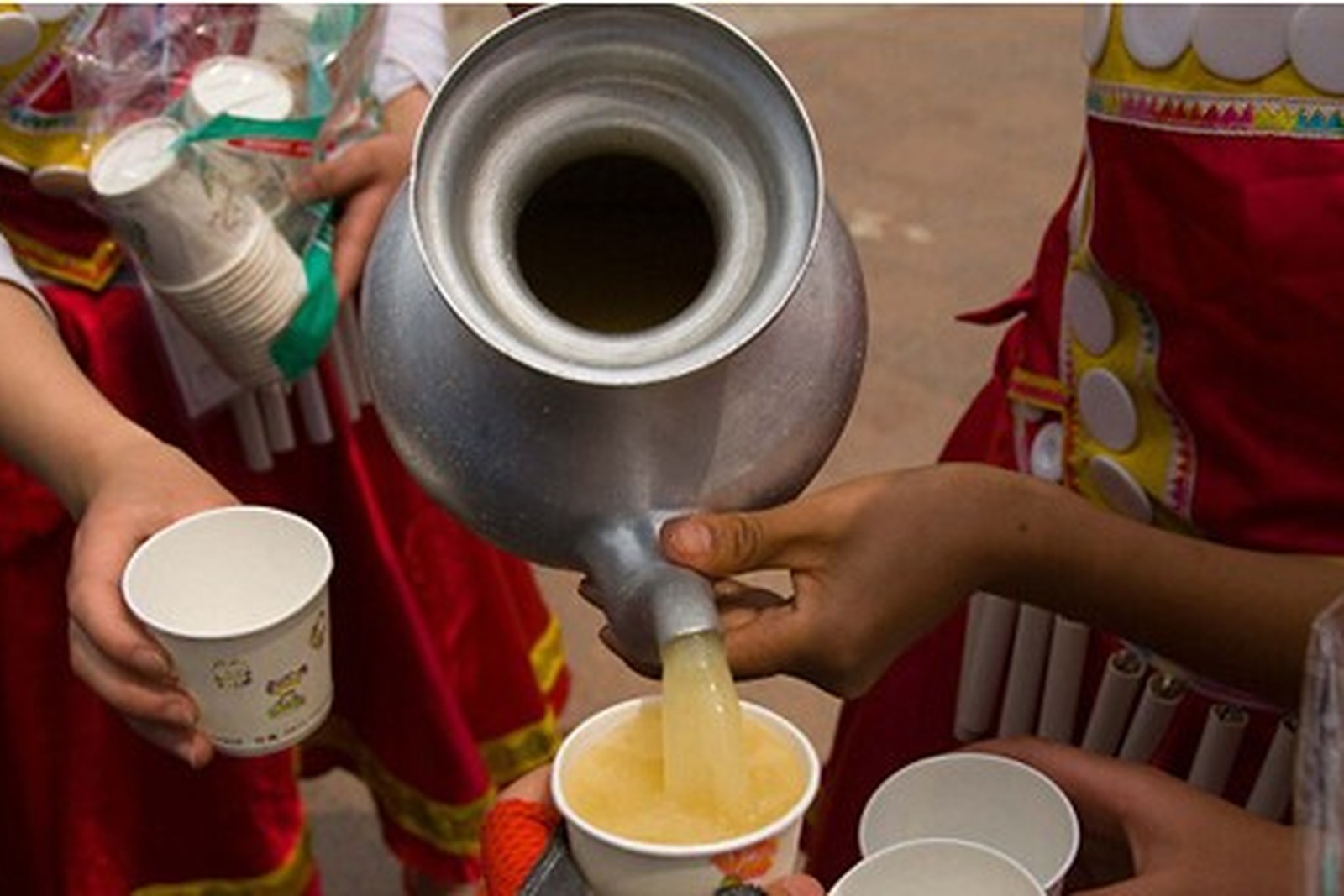
Locals drink it by the 三杯酒 sān bēi jiǔ three-cups custom: a guest is met with three successive small bowls – the first to welcome, the second to honour, the third to send off, or, in the livelier tells, three cups you are not meant to refuse – and the 火塘 huǒtáng session is built around refilling rather than measuring. The move, for a visitor, is to accept the first bowl at a 傈僳 Lìsù or 怒 Nù village house or a 怒江 Nùjiāng 农家乐 nóngjiālè, drink it warm (the host 冲 chōng dilutes with warm water, never cold), and pace yourself, because the low alcohol hides its work and a jar by a 火塘 huǒtáng has no ‘one more’ limit. The honest season is the cold half of the year, when a warm grainy 水酒 shuǐjiǔ by the fire is the social engine of the gorge, and the honest test of a house is the jar: real 包谷砂拉 bāogǔ shāla is cloudy with grit and alive with a faint fizz, not a clear, sweetened, bottled thing dressed up as the name. Note that the 三杯酒 sān bēi jiǔ three-cups rite is the Lisu greeting custom specifically – the 怒族 Nùzú have their own versions – so in a 怒 Nù house the exact ceremony may differ, and you should follow the host rather than recite the formula (worth confirming the local custom where you are, because the ’three cups’ is Lisu and the Nu version is its own thing).
Words and Names
包谷砂拉 Bāogǔ Shāla corn-grit liquor · 包谷 Bāogǔ corn · 包谷砂 Bāogǔ Shā corn grits · 水酒 Shuǐjiǔ water-wine / fermented liquor · 酒坛 Jiǔtán the ferment jar · 酒曲 Jiǔqū ferment cake · 发酵 Fājiào to ferment · 竹管 Zhúguǎn bamboo drinking tube · 三杯酒 Sān Bēi Jiǔ the three-cups custom · 傈僳 Lìsù the Lisu people · 怒族 Nùzú the Nu people · 火塘 Huǒtáng the fire pit
What the Locals Know
The local knowledge about the 包谷砂拉 bāogǔ shāla is the jar, the warmth and the three cups. The drink is a 水酒 shuǐjiǔ – fermented, not distilled – so it should be cloudy with 包谷砂 bāogǔ shā grit and faintly fizzy and alive, not a clear sweetened bottle wearing the name, and the 酒坛 jiǔtán is the whole kitchen: the host 冲 chōng dilutes with warm water to taste, stronger first round, weaker last. The second check is the temperature: it is served warm, never cold, because the corn 水酒 shuǐjiǔ is meant to sit by the 火塘 huǒtáng, and a cold pour is a house that doesn’t keep the jar the old way. The third is the pace: the alcohol is low but the refills are endless, so a visitor who matches the 火塘 huǒtáng bowl for bowl wakes up in a village with no idea how, and the move is to accept, sip, and let the host lead. A fourth, for the custom: the 三杯酒 sān bēi jiǔ three-cups welcome is the 傈僳 Lìsù Lisu rite, and the 怒族 Nùzú Nu have their own version, so follow the house you are in rather than reciting the formula, and verify the local ceremony where you are (worth confirming – the ’three cups’ is Lisu, not universal across the gorge).
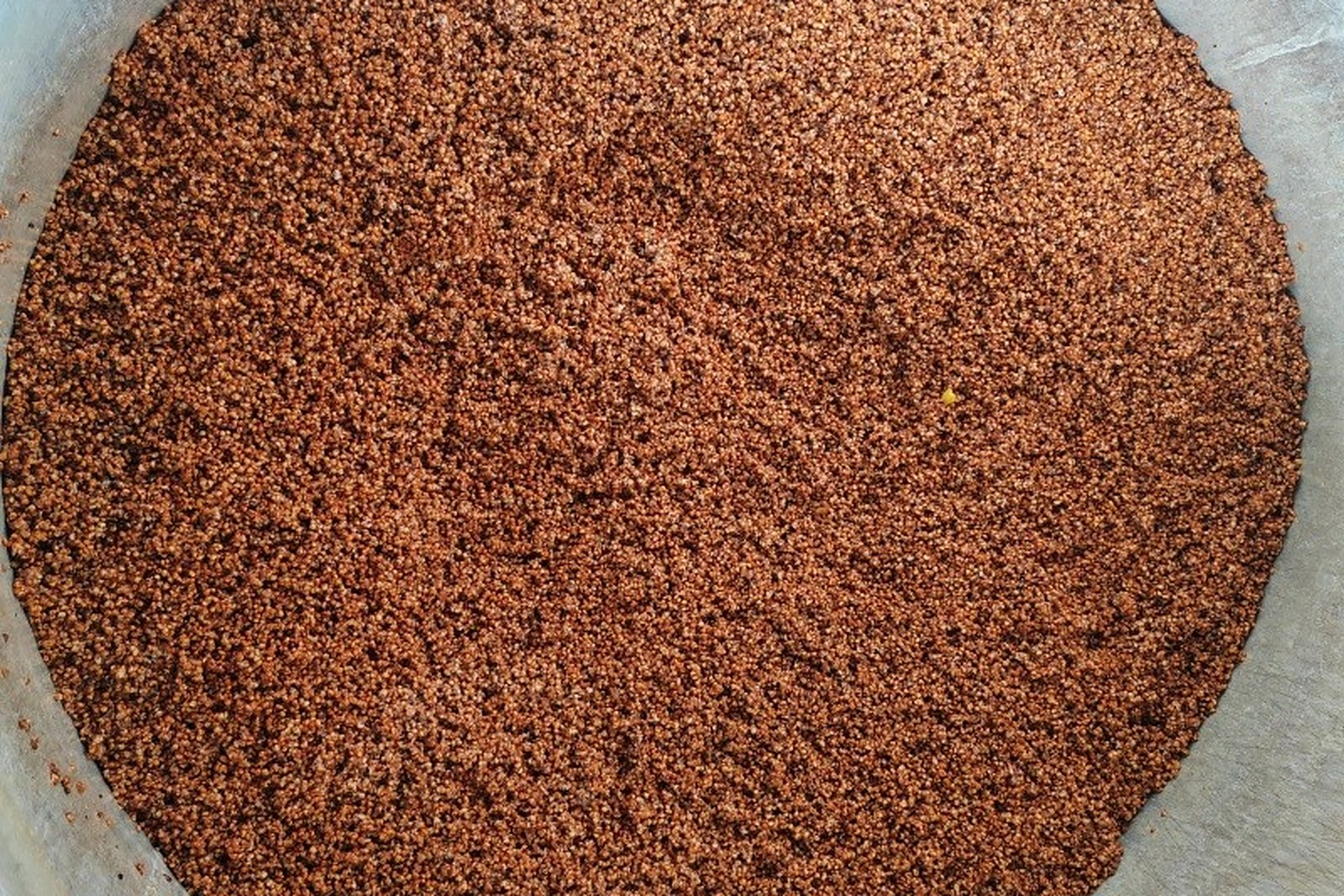
flowcloud would say that the 包谷砂拉 bāogǔ shāla is corn grits fermented into a cloudy, warm, low-alcohol 水酒 shuǐjiǔ – drunk from a 酒坛 jiǔtán by the 火塘 huǒtáng, three cups for a Lisu guest – and that the honest move is to accept the first bowl, drink it warm, and pace yourself because the alcohol hides and the refills don’t, because the grit is the grain and the welcome is the point. All checked October 2026.
Where to find it: 傈僳 Lìsù and 怒族 Nùzú village houses and 农家乐 nóngjiālè along the 怒江 Nùjiāng corridor – 包谷砂拉 bāogǔ shāla runs about 20-50 yuan a jar or comes with a set meal, often given to guests (worth confirming the details); drink it warm from the 酒坛 jiǔtán by the 火塘 huǒtáng, expect the 三杯酒 sān bēi jiǔ three-cups welcome among the Lisu, and pace yourself because the alcohol is low but endless. It is the corn-grit hospitality brew of Nujiang, fermented not distilled. All checked October 2026.