
漆油炖山鸡,一勺暖怒江。Qīyóu dùn shānjī, yī sháo nuǎn Nùjiāng – Lacquer oil stews the hill chicken; one ladle warms the Nujiang.
漆油鸡 Qīyóu Jī lacquer-oil chicken is the signature bird of the 怒江傈僳族自治州 Nùjiāng Lìsùzú Zìzhìzhōu Nujiang Lisu Autonomous Prefecture – a free-range 土鸡 tǔjī village chicken, fried or stewed in 漆油 qīyóu lacquer-seed oil, the render pressed from the seeds of the wild 漆树 qīshù lacquer tree that grows on the gorge walls. The 傈僳 Lìsù Lisu, who have made the 怒江 Nùjiāng Nu River their home for centuries, treat 漆油 qīyóu as their cooking fat the way a French kitchen treats butter: it is the fat of the mountains, the thing that turns a plain chicken into a meal with a reputation. The dish arrives as a deep, amber-brown stew – the oil is dark, almost resinous, and the chicken sits in it under a scatter of 干辣椒 gān làjiāo dried chili and sometimes 草果 cǎoguǒ black cardamom – eaten with a bowl of 包谷饭 bāogǔ fàn corn rice to soak it up. A pot runs about 60-100 yuan at a 傈僳 Lìsù village kitchen or a 农家乐 nóngjiālè farm house (worth confirming the details), and the honest shape is that this is a 补 bǔ tonic dish first and a dinner second: the Lisu say 吃漆油 chī qīyóu ’eating lacquer oil’ builds strength, and the chicken is the delivery system for the fat, not the other way round.
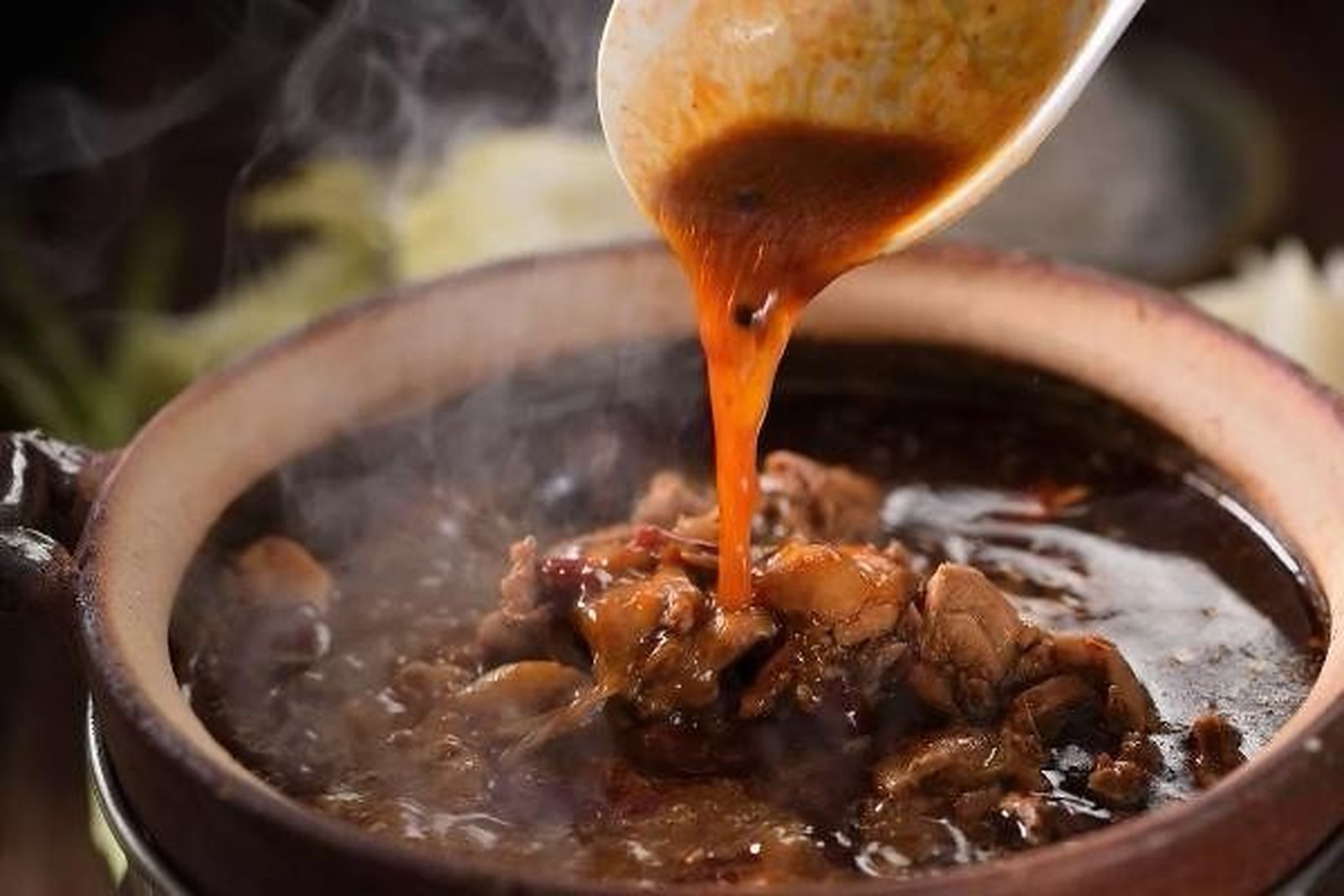
The mechanism is the seed. The 漆树 qīshù lacquer tree is the same plant whose sap makes the famous 生漆 shēngqī raw lacquer that poisons furniture-makers with its 漆过敏 qī guòmǐn urushiol allergy – but the cooking oil comes from the tree’s seeds, not its sap, and the seeds are pressed and strained until the fat is clean and edible. The render is solid at room temperature, like coconut oil, and it melts to a dark, faintly nutty, faintly bitter cooking fat that the gorge people use the way others use lard: to fry, to stew, to make a 火锅 huǒguō base. In a 漆油鸡 qīyóu jī the chicken is first seared in the melted 漆油 qīyóu so the skin picks up the fat’s colour and weight, then simmered with a little water or 高汤 gāotāng stock until the meat goes tender and the oil rises back to the top as a glossy layer. The comparison locals draw is with the 汽锅鸡 qìguō jī steam-pot chicken of central Yunnan – both are the ‘good chicken, little interference’ school – but where the 汽锅 qìguō is clean and steamy, the 漆油鸡 qīyóu jī is heavy and fat-forward, a cold-gorge dish built to put calories back into a body that burns them fast at the bottom of a 两山夹一江 liǎng shān jiā yī jiāng two-mountains-and-a-river valley. It is a cousin, too, of the 侠辣 xiála below – same oil, same chicken, different amount of liquor – and the two divide the Lisu table between the sober tonic and the drunken one.
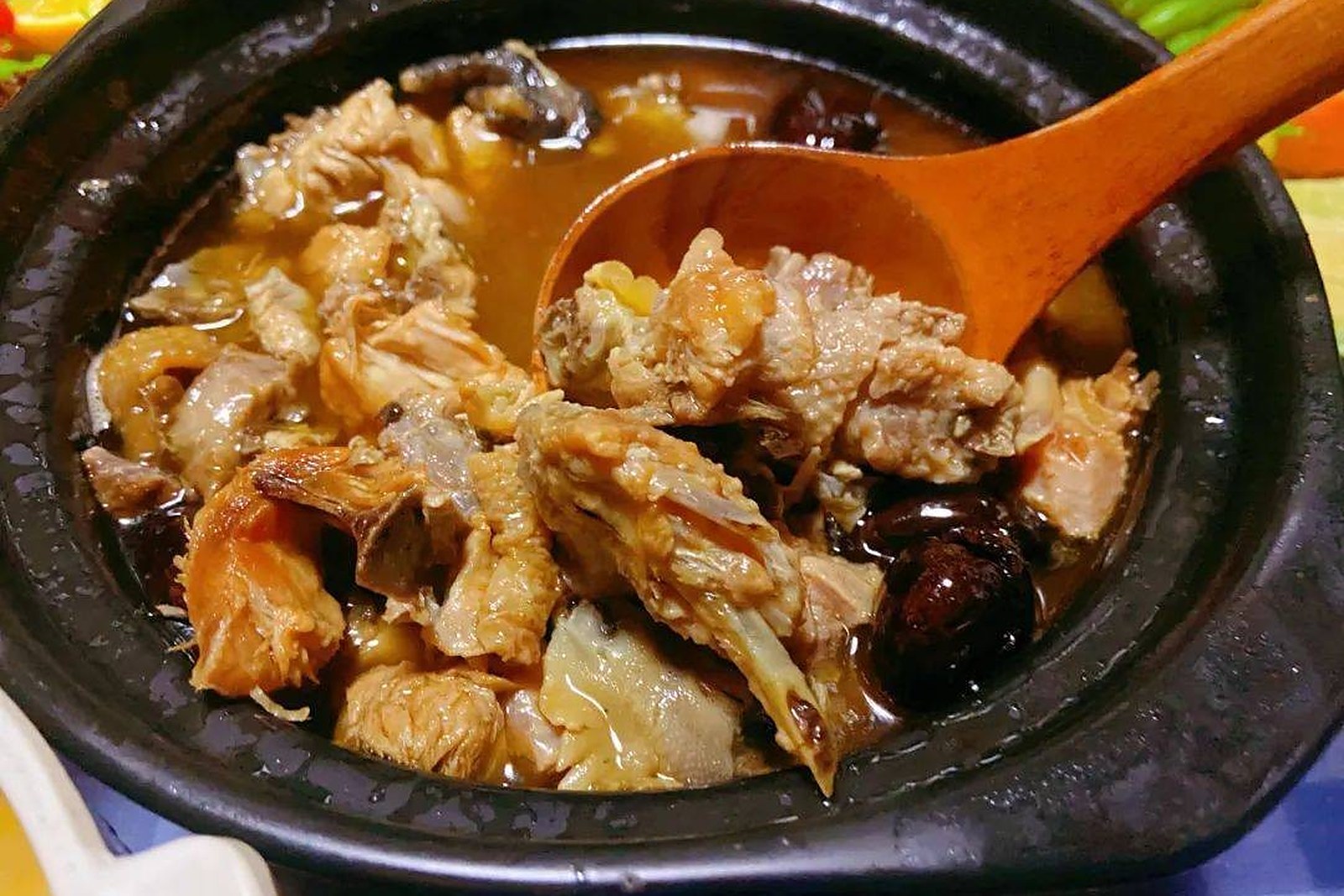
Locals eat it where the 傈僳 Lìsù live, which is up and down the 怒江 Nùjiāng and its tributaries rather than in the 六库 Liùkù Liuku prefecture seat’s restaurants: the village 农家乐 nóngjiālè farm kitchens of 福贡 Fùgòng Fugong, 贡山 Gòngshān Gongshan and the 泸水 Lúshuǐ Lushui countryside are where the pot is real, and a 六库 Liùkù tourist street selling it is usually a cook who learned it from a grandmother. The move is to order it as a shared pot for the table, eat it with 包谷饭 bāogǔ fàn corn rice, and treat the layer of oil on top as the point rather than the problem – a house that skims the 漆油 qīyóu off before serving has missed the dish. The honest season is the cold half of the year, late autumn through early spring, when the gorge wind comes down the river and the fat does its job; in the 雨季 yǔjì rainy season the dish feels heavy and the villages are harder to reach. The one warning that is not wry but serious: newcomers who are 漆过敏 qī guòmǐn sensitive to lacquer – a real subset of people, and you often don’t know until you try – should taste a little first, because the oil comes from the same tree that gives the notorious sap, and a reaction, though rare from the seed oil, is no joke in a village three hours from a hospital (worth confirming the current allergy guidance – this is the one caveat on this list you should take seriously).
Words and Names
漆油鸡 Qīyóu Jī lacquer-oil chicken · 漆油 Qīyóu lacquer-seed oil · 漆树 Qīshù the lacquer tree · 傈僳 Lìsù the Lisu people · 怒江 Nùjiāng the Nu River / Nujiang · 土鸡 Tǔjī free-range village chicken · 包谷饭 Bāogǔ Fàn corn rice · 草果 Cǎoguǒ black cardamom · 吃漆油 Chī Qīyóu ’eating lacquer oil’ tonic · 漆过敏 Qī Guòmǐn lacquer allergy · 六库 Liùkù Liuku · 福贡 Fùgòng Fugong · 贡山 Gòngshān Gongshan
What the Locals Know
The local knowledge about the 漆油鸡 qīyóu jī is the fat, the rice and the allergy. The oil is the dish: a real 傈僳 Lìsù house serves the chicken sitting in its 漆油 qīyóu gloss, and a kitchen that skims it off before the bowl reaches you has turned a tonic into a plain stew, so ask for it with the oil left on. The second check is the rice – eat it with 包谷饭 bāogǔ fàn corn rice, because the corn is what carries the fat, and a bowl of white rice leaves the oil pooling on your plate. The third is the season: this is a cold-gorge food, late autumn to early spring, when the 怒江 Nùjiāng wind justifies the calories, and in the 雨季 yǔjì it sits heavy. The fourth, and the only one that is not a flavour note, is the body: if you have any history of reacting to 漆 qī lacquer – the sap that gives furniture its shine – taste a spoon of the oil before the full bowl, because the seed render is not the sap but it comes from the same tree, and a reaction in a remote village is a bad kind of souvenir (worth confirming current medical guidance before you assume you are safe).
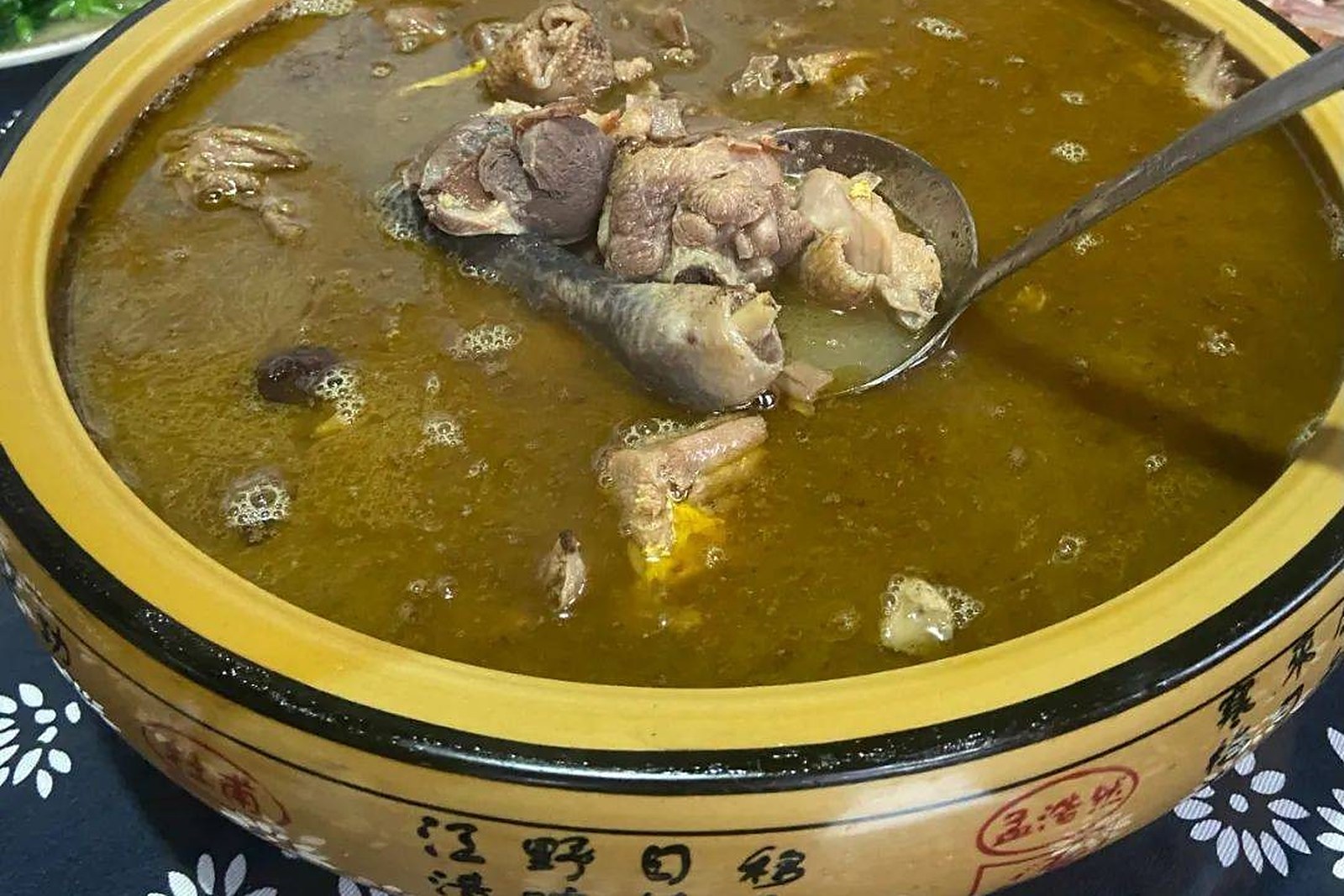
flowcloud would say that the 漆油鸡 qīyóu jī is a village chicken fried in the seed oil of the wild 漆树 qīshù – dark, heavy, eaten with 包谷饭 bāogǔ fàn and meant to build strength, not just feed you – and that the honest move is to find a 傈僳 Lìsù farm kitchen up the gorge, leave the oil on the bird, and taste a little first if you have ever itched near lacquer, because the fat is the point and the allergy is the one caveat that matters. All checked October 2026.
Where to find it: 傈僳 Lìsù village farm kitchens and 农家乐 nóngjiālè houses up the 怒江 Nùjiāng corridor – 福贡 Fùgòng, 贡山 Gòngshān and the 泸水 Lúshuǐ countryside above 六库 Liùkù – a pot runs about 60-100 yuan and is a shared table dish (worth confirming the details); eat it with 包谷饭 bāogǔ fàn corn rice and don’t let the house skim the oil. Lacquer-oil chicken is the Lisu tonic bird of the gorge, heavy with the seed fat, best in the cold months. All checked October 2026.