
Peppery Stir-Fried Pork
Every city has a dish it cooks at home when no one is watching, a recipe so plain it never makes the tourist menus, and so dear that its absence can make you homesick in a foreign bed. In Changsha, that dish is 辣椒炒肉 — la jiao chao rou, peppery stir-fried pork. It is not the loudest plate in Hunan, not the one that arrives flaming at the banquet table. It is the quiet one. The one that smells like an evening at home, like a wok that has known its cook for years.
A Dish Made of Memory
There is no emperor’s legend attached to stir-fried pork, no stolen secret, no dynasty that claims it. It is the folk dish of the province — xiangcai in its plainest, truest dress. When Hunanese families speak of “home food,” this is the plate they mean. Every household owns a version, and every household is certain that its version is the only true one. The father’s wok is too hot. The mother’s pork is too tender. The grandmother’s chilies are too patient. The arguments are affectionate, and they have been running for generations.
The dish belongs to the heat of a city that worships fire. Hunan cuisine is famously the spiciest in China, and this single plate contains the whole philosophy of that reputation: chilies are not a garnish here, they are the subject.
The Craft of the Wok
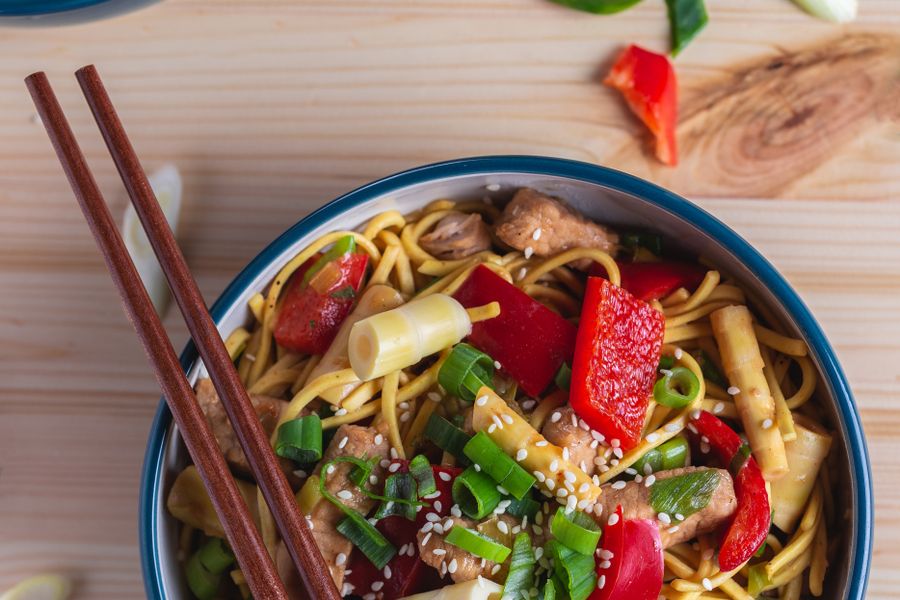
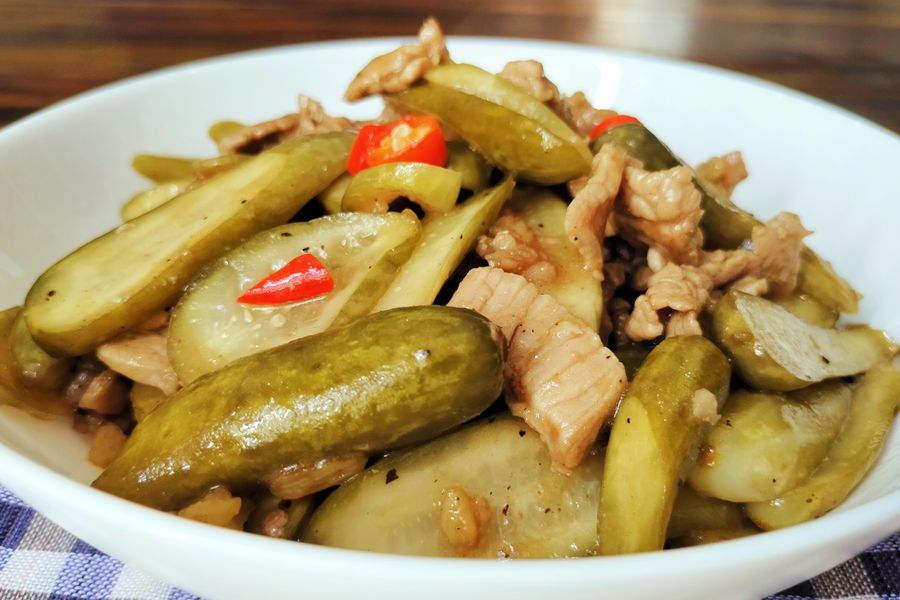
The ingredients are few enough to write on a napkin: pork belly or a cut with some fat, fresh green chilies, garlic, soy sauce, a little salt. Yet nothing about it is simple. The pork is sliced thin, against the grain, so that it surrenders without a fight. The chilies — long, pale-green, sometimes blisteringly hot — are cut on the bias and roasted dry in the pan first, until their skins blister and their sweetness comes out to meet the heat.
Then the wok turns serious. The fat renders and the pork slides in with a hiss, browning at the edges while the centre stays silk-soft. The chilies return, the garlic follows, a splash of soy sauce darkens everything. It is done in minutes — a dish that can be made in the time it takes a traveller to unpack, and forgotten even faster if it is done wrong.
Eating It the Hunan Way
The first bite announces itself. The chili heat arrives like a hand on your shoulder — not hostile, just insistent. Then comes the pork: fat-sweet, salt-touched, dissolving before it can be described. Hunanese cooks will tell you the pork is merely a vehicle for the chili, but that is modesty. They are equals, married in the heat of the same fire.
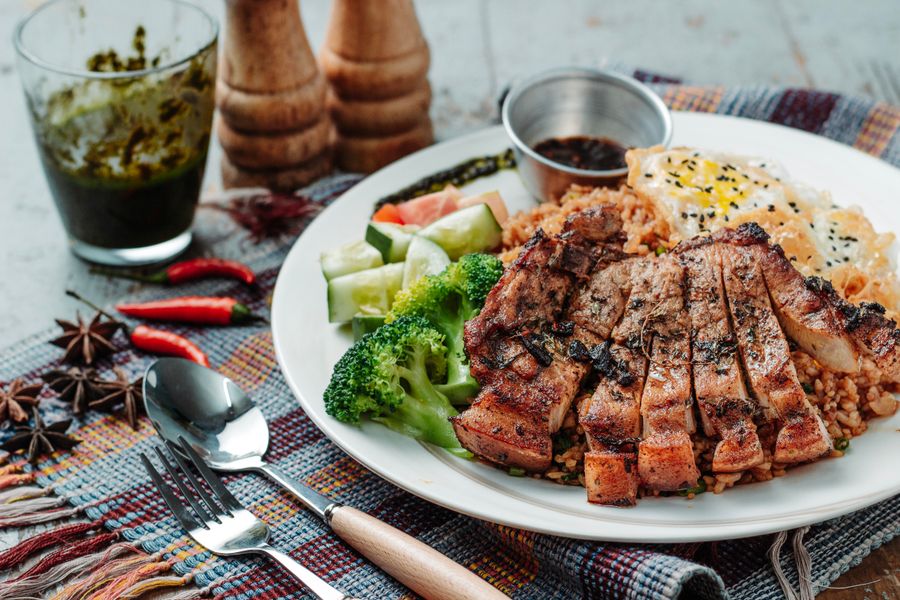
Eat it with rice. White rice, plain, steaming — because the sauce, that dark glossy lake pooling under the pork, is meant to be poured over it. Hunan people say you can eat this dish with three bowls of rice before the conversation even starts. The scraped plate, wiped clean with the last mouthful of rice, is the truest compliment in this province.
Where Changsha Eats It
The dish lives in ordinary places. It is on the tables of 火宫殿 (Huogongdian), the old fire palace, but it is sharper and more honest in the small kitchens around 坡子街 (Pozijie) and 南门口 (Nanmenkou), where the day’s menu is written on a whiteboard and the cook is visible through the steam of the pass. You do not find the best stir-fried pork in a famous hall; you find it in the shop that has been feeding the same block for twenty years.
A Small Philosophy of the Common Table
There is a loneliness in being a visitor, and there is comfort in a dish that refuses to be exotic. Stir-fried pork asks nothing of you. It does not need to be photographed, explained, or understood. It simply needs to be eaten, warm, while the wok still hums. That is its philosophy — and perhaps it is also the philosophy of the city itself. Changsha will not dress itself up for you. It will sit you at its kitchen table, feed you the same food it feeds its own children, and trust that, in time, you will understand why no one here ever wants to leave.
Where to find it: 火宫殿 (Huogongdian), the back kitchens of 坡子街 (Pozijie), and any small shop around 南门口 (Nanmenkou) where the wok is loud and the whiteboard menu lists a single, familiar name.