
Bolitai Glass-Leaf Feast: Leaf-Lined Steamers, Mountain Village Kitchens and the Farmhouse Banquet of Pinggu District, Beijing
山叶垫屉蒸糕软,玻璃台村宴一桌香。Shānyè diàn tì zhēng gāo ruǎn, Bōlitái cūn yàn yī zhuō xiāng – On mountain leaves the steamer’s cakes turn soft; in Bolitai village one banquet table runs fragrant.
玻璃台玻璃宴 Bōlitái bōliyàn the Bolitai glass-leaf feast is the leaf-lined banquet the mountain village has steamed for generations, and the address is a village: 玻璃台村 Bōlitái cūn Bolitai village in the northern hill country of 平谷区 Pínggǔ Qū Pinggu District, Beijing, where the farmhouse kitchens wash broad mountain leaves and lay them where other kitchens reach for oil or paper – under the batter, around the tofu, lining every steamer round (worth confirming which courtyards claim the oldest leaf trade). The craft most visitors under-rate is the leaf itself: the village’s 玻璃叶 bōliyè “glass leaves” – broad, glossy leaves picked from the trees on the mountains around the village – steam without sticking and give off a faint green perfume no seasoning was asked to supply, so the feast is named after its wrapper. The naming is the tell: a banquet that takes its name from a leaf answers to the hills where the leaf was the free, honest pan – a table that took the tree’s name because the tree lined every course. The village’s folk-tourism standing (worth confirming which listings and years) matters less than the unwrap: the eater’s test is still the perfume on the steam, not the signboard.
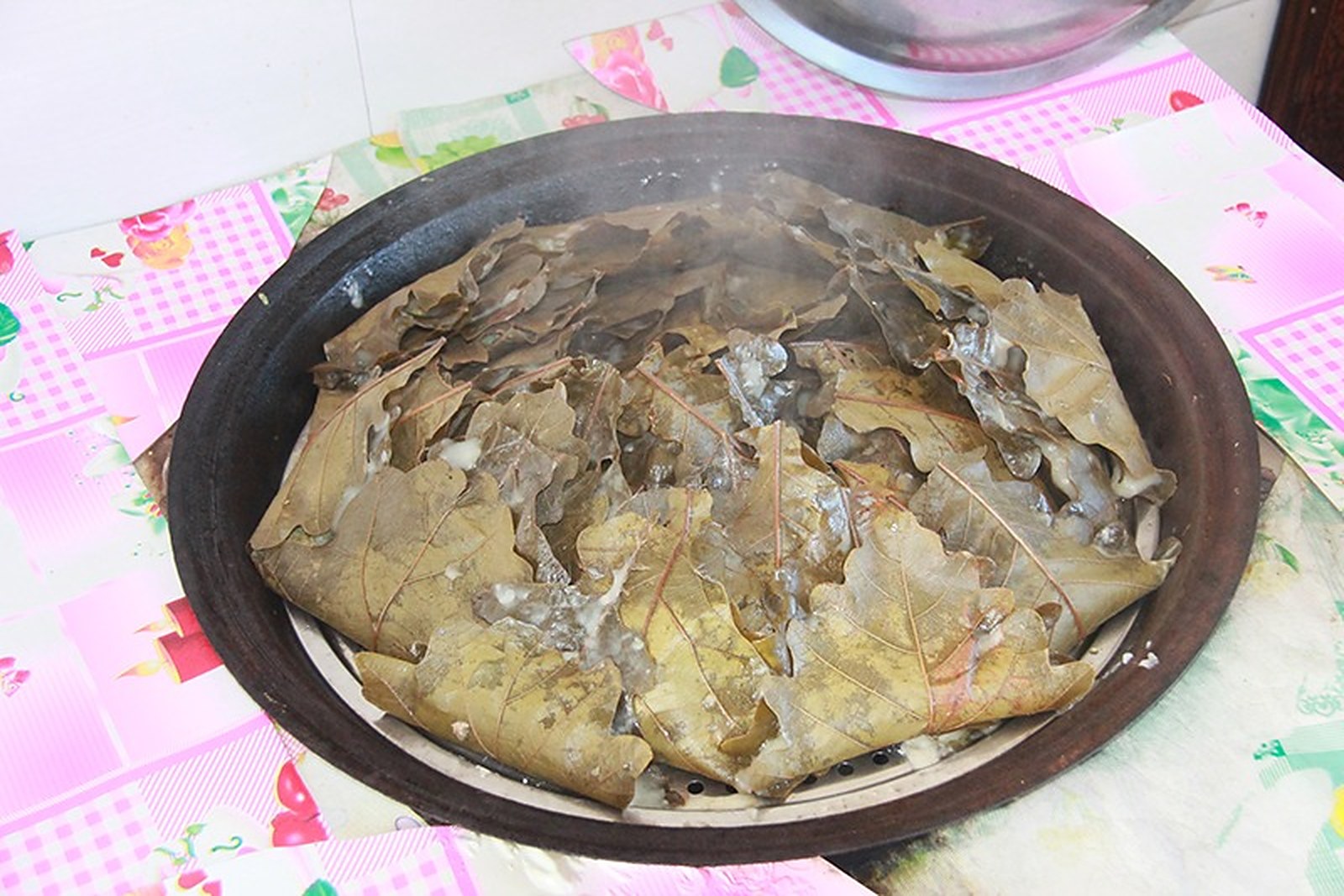
The eating is an unwrap-and-eat grammar written for dishes graded by what the leaf lent them, and it leans 清香 qīngxiāng clean fragrance plus 软糯 ruǎnnuò soft-melting to match the mountain table. The anchor is the 玻璃叶饼 bōliyè bǐng glass-leaf cake: cornmeal and vegetable fillings bedded on the leaves, steamed until the cake lifts away clean and the leaf has printed its perfume into the crust. Around the cakes the feast runs its supporting cast: 玻璃叶炖豆腐 bōliyè dùn dòufu tofu stewed over a leaf bed, the curd taking the green note the pot could not supply, steamed mountain vegetables and farmhouse preserved greens, corn and millet porridge for the base, and the village’s own pickles and cured dishes between steamer rounds (worth confirming the details – each kitchen lines and seasons its own way). The leaf’s own virtues decide the order: the steamer rounds arrive as they finish, because the perfume fades as the plates cool, and a table that lets the cakes wait has wasted the tree.
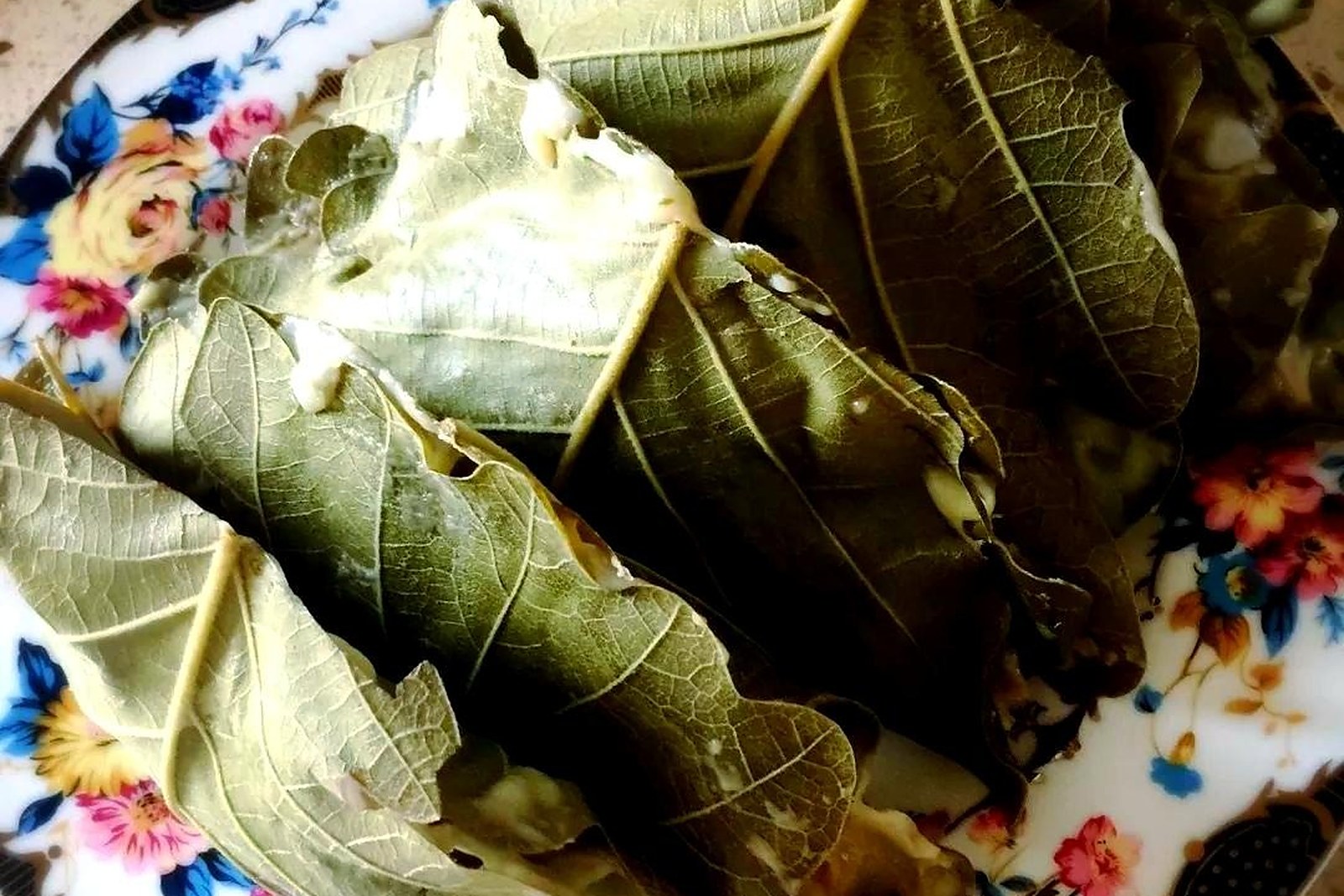
The honest grade is geography plus the leaf clock. In 平谷区 Pínggǔ Qū Pinggu District, Beijing the honest eating is at the farmhouse courtyards of 玻璃台村 Bōlitái cūn Bolitai village, where the leaves are picked in season, washed and laid the same day the feast is served (worth confirming the details – which courtyards serve the full banquet and their hours). The test costs nothing: lift the cake and look – a proper leaf liner parts from the crust clean, leaving a faint sheen and a greener perfume, while a greased liner sticks and smells of the pan – then eat one cake plain, because an honest leaf has nowhere to hide a lazy kitchen. A per-person bill runs on the feast and the courtyard’s standing, so call it worth confirming the details rather than a fixed number, and book the autumn weekends early: the village sits small in its valley, the leaf season is short, and the tables that want the full banquet go first.
The wry truth is that 玻璃台玻璃宴 Bōlitái bōliyàn is over-rated as a novelty gimmick and under-rated as a leaf-aroma craft: the folk-tourism genre files it under “village experience”, while the actual thing – a mountain tree that answered for the frying pan, leaves washed and laid by hand, and a steamer course that takes its perfume from the wrapper rather than the pantry – is subsistence ingenuity the flyer never explains. The self-deprecating footnote, and the district braid: a food writer will discourse on “forest-to-table soul”, photograph the opened leaf at heroic shutter, and then call the banquet “commendably primitive” as if a leaf were a technique – which is the honest grade: the glass-leaf feast is a working village table the writer will romanticise more than he finishes, and the family at the next table has unwrapped their third cake, claimed the last of the leaf-stewed tofu and asked which slope the morning’s leaves came down from before the shutter closes. The same 平谷区 Pínggǔ Qū Pinggu District thread runs on: the summer baskets of 平谷大桃 Pínggǔ dàtáo Pinggu peaches fill the orchard sheds, the big-pot braises of 海子垮炖鱼 Hǎizi kuǎdùn yú Haizi braised fish roll in the lakeside village kitchens, the russet gift boxes of 佛见喜梨 Fójiànxǐ lí Fojianxi pears line the autumn counters, and the charcoal feasts of 雕窝烤全羊 Diāowō kǎo quán yáng Diaowo roast lamb fill the farmhouse courtyards – one district, four more tables.
Words and Names
- 玻璃台玻璃宴 Bōlitái bōliyàn / Bolitai glass-leaf feast · the leaf-lined banquet the village named for - 玻璃叶 bōliyè / glass leaf · the broad glossy wrapper the feast steams on - 玻璃叶饼 bōliyè bǐng / glass-leaf cake · the steamed centrepiece of the table - 玻璃叶炖豆腐 bōliyè dùn dòufu / leaf-stewed tofu · the curd that drinks the green note - 清香 qīngxiāng / clean fragrance · the perfume the leaf lends every course - 软糯 ruǎnnuò / soft-melting texture · the melt the slow steam buys - 平谷区 Pínggǔ Qū / Pinggu District · the Beijing district holding the mountain village
What the Locals Know
- Ask what lined the pot: 玻璃叶饼 bōliyè bǐng should lift clean off its leaf with a green perfume – a greased, sticking liner is the kitchen’s confession.
- Eat the steamer rounds hot: the leaf’s perfume fades as the plates cool – take the cakes as they come, not after the photo round.
- Claim the leaf-stewed tofu: the 玻璃叶炖豆腐 bōliyè dùn dòufu takes the green note slowest and keeps it longest – locals order the feast around it.
- Book the full banquet ahead: the village is small and the leaf season short (worth confirming with each courtyard).
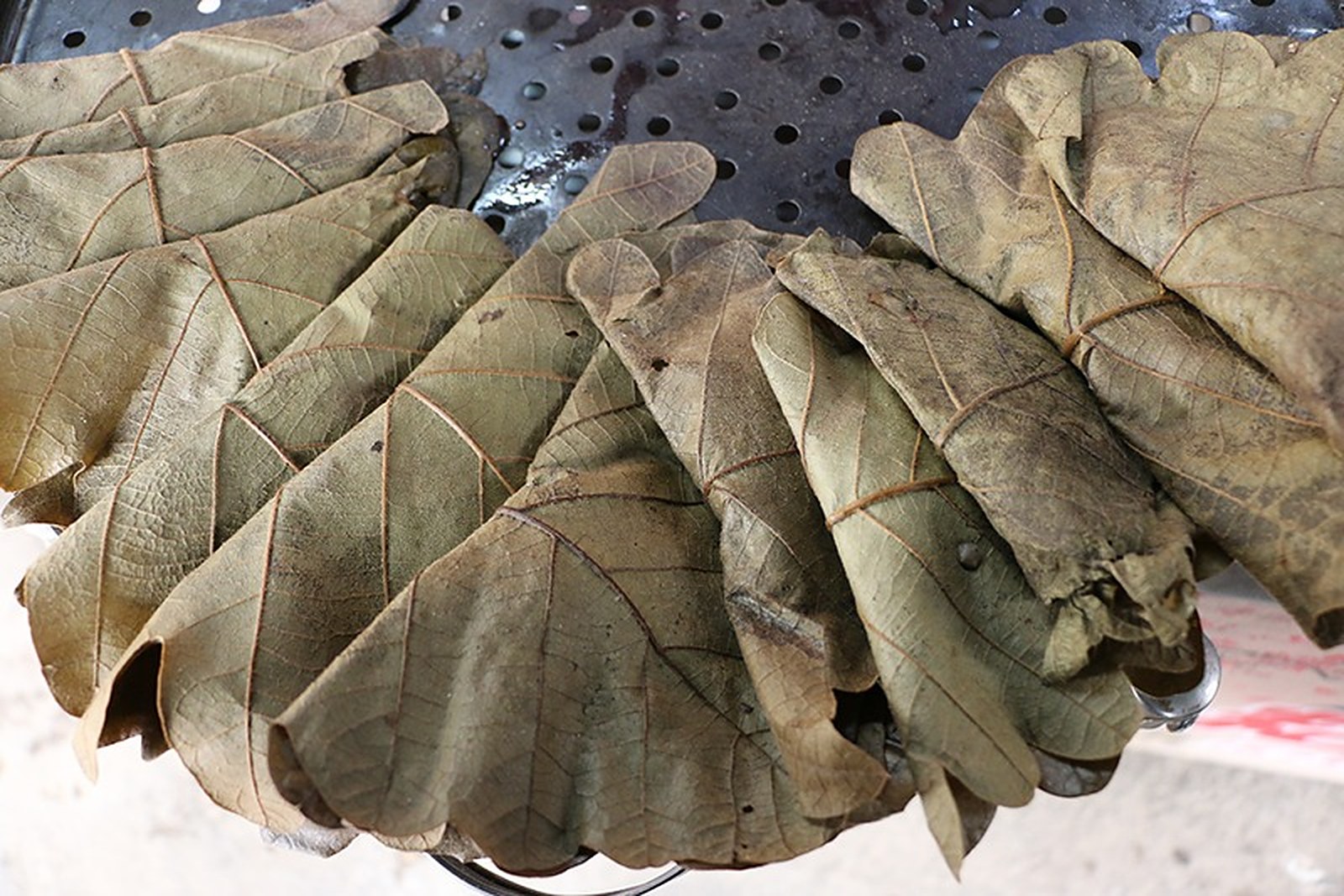
flowcloud would say that the 玻璃台玻璃宴 Bōlitái bōliyàn is the leaf-lined steamers, mountain village kitchens and the farmhouse banquet of Pinggu District, Beijing – a 玻璃叶 bōliyè discipline where 玻璃叶饼 bōliyè bǐng rides the slow steam into a 清香 qīngxiāng finish – and that the honest move is to ask what lined the pot, eat the rounds hot, and claim the leaf-stewed tofu, because the tree built the perfume and the village built the table. All checked October 2026.
Where to find it: Pinggu District Pínggǔ Qū, Beijing – the farmhouse courtyards of 玻璃台村 Bōlitái cūn Bolitai village in the district’s northern hills, where the 玻璃宴 bōliyàn leaf banquet runs from lunch into the evening in season (worth confirming the details – which courtyards serve the full feast, their hours and the leaf season); a per-person bill runs on the feast and the courtyard’s standing, so call it worth confirming the details rather than a fixed number. The Bolitai glass-leaf feast is the leaf-lined steamers, mountain village kitchens and the farmhouse banquet of Pinggu District, Beijing, leaf before oil.