
Pinggu Peaches: Orchard Rows, Summer Harvests and the Fruit Bowl of Pinggu District, Beijing
夏日桃园蜜桃熟,平谷山野一篮甜。Xiàrì táoyuán mìtáo shú, Pínggǔ shānyě yī lán tián – In the summer orchard the honey peaches ripen; in the Pinggu hills one basket runs sweet.
平谷大桃 Pínggǔ dàtáo Pinggu peaches are the orchard fruit Beijing’s east has picked for generations, and the address is a slope: the rows of 桃树 táoshù peach trees that climb the hillsides and fill the valley floors of 平谷区 Pínggǔ Qū Pinggu District, Beijing, where the villages under the orchard lanes grew into the billing everyone prints – the peach country of the capital – terraces of grey bark and green canopy where mountains hand off to orchard rows (worth confirming which villages hold the largest acreage). The season runs long by Beijing fruit standards: the first white peaches colour in July and the late blocks hold through October, so the district eats its own fruit for a third of the year, and the rest of Beijing buys it by the crate. The craft most visitors under-rate is the branch itself: the peaches here ripen on the tree – picked soft, never picked green to survive a van – which is why the fruit runs to juice and perfume rather than shelf life, and why a stall at the orchard gate empties by the weekend’s second morning. The naming is the tell: a district whose fruit is billed simply 大桃 dàtáo “the big peach” answers to the rows where size was the honest signal of a good season. The crop carries a national geographical-indication listing (worth confirming year and registry), but the eater’s test is still the bitten peach, not the plaque.
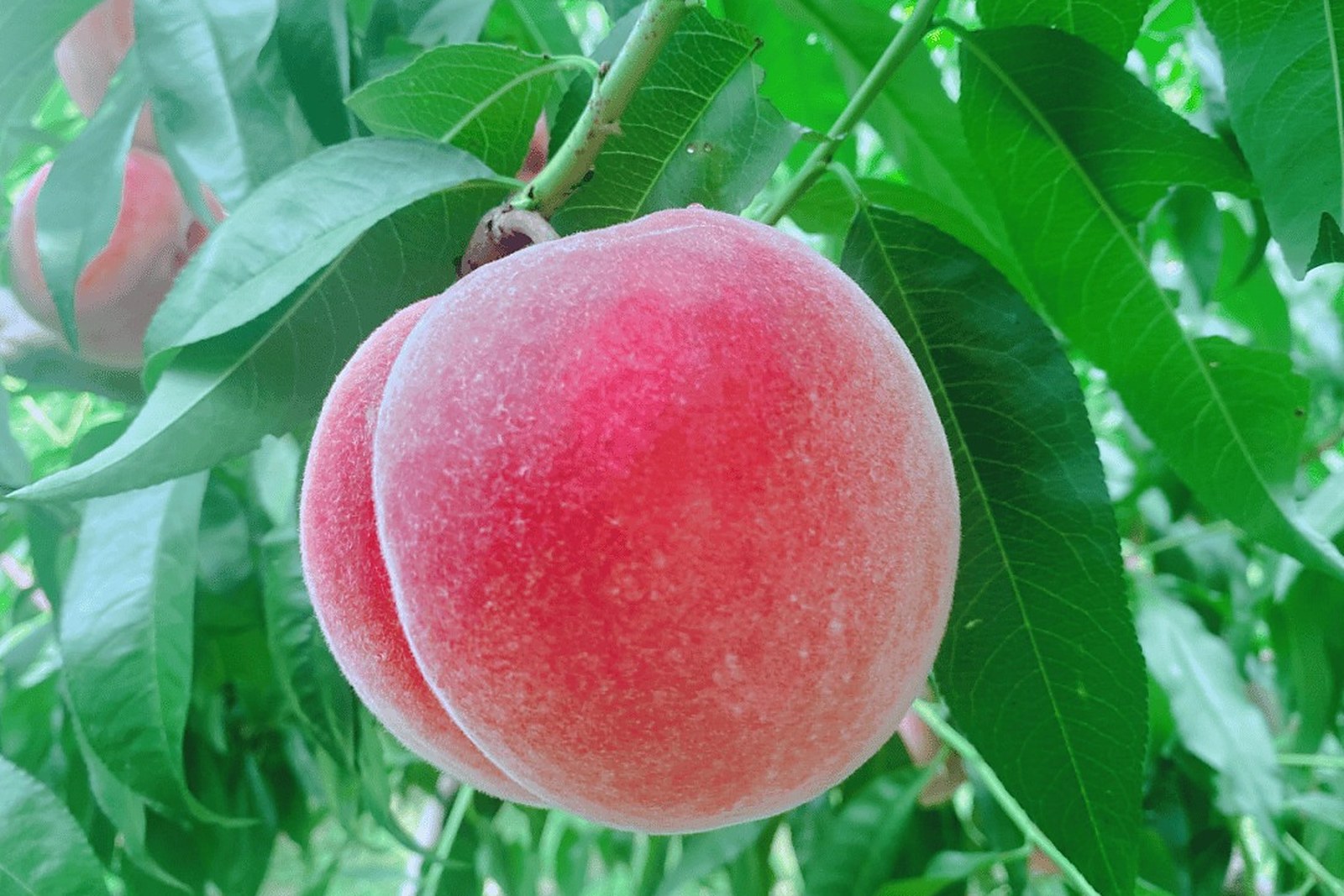
The eating is a bite-and-juice grammar written for fruit that will not wait, and it leans 甜 tián sweetness plus 香 xiāng perfume to match the orchard table. The anchor is the variety choice at the stall’s mouth: 白桃 báitáo white peach, the pale-fleshed classic whose juice runs clear and sweet, against 黄桃 huángtáo yellow peach, the firm golden one that holds its shape in the jar and in the oven, and between them 蟠桃 pāntáo flat peach, the squat saucer fruit that packs honey into a small skin – three flavours, three rows, and the honest grower will cut you a slice of each before you choose (worth confirming which orchards run which blocks). Off the branch the fruit runs to the district’s other tables: peaches sold by the crate at the roadside sheds, slices packed into jars as home-style 桃罐头 táo guàntóu preserved peach, baskets weighed at the shed for the drive home, and the picking trade – 桃园采摘 táoyuán cǎizhāi orchard pick-your-own – turning the rows into a summer weekend for families who eat half a basket standing between the trees (worth confirming each orchard’s season dates). The rule the trees teach: buy for the day, ripen at the sill and eat within the week – this fruit was bred for the orchard door, not the shelf.
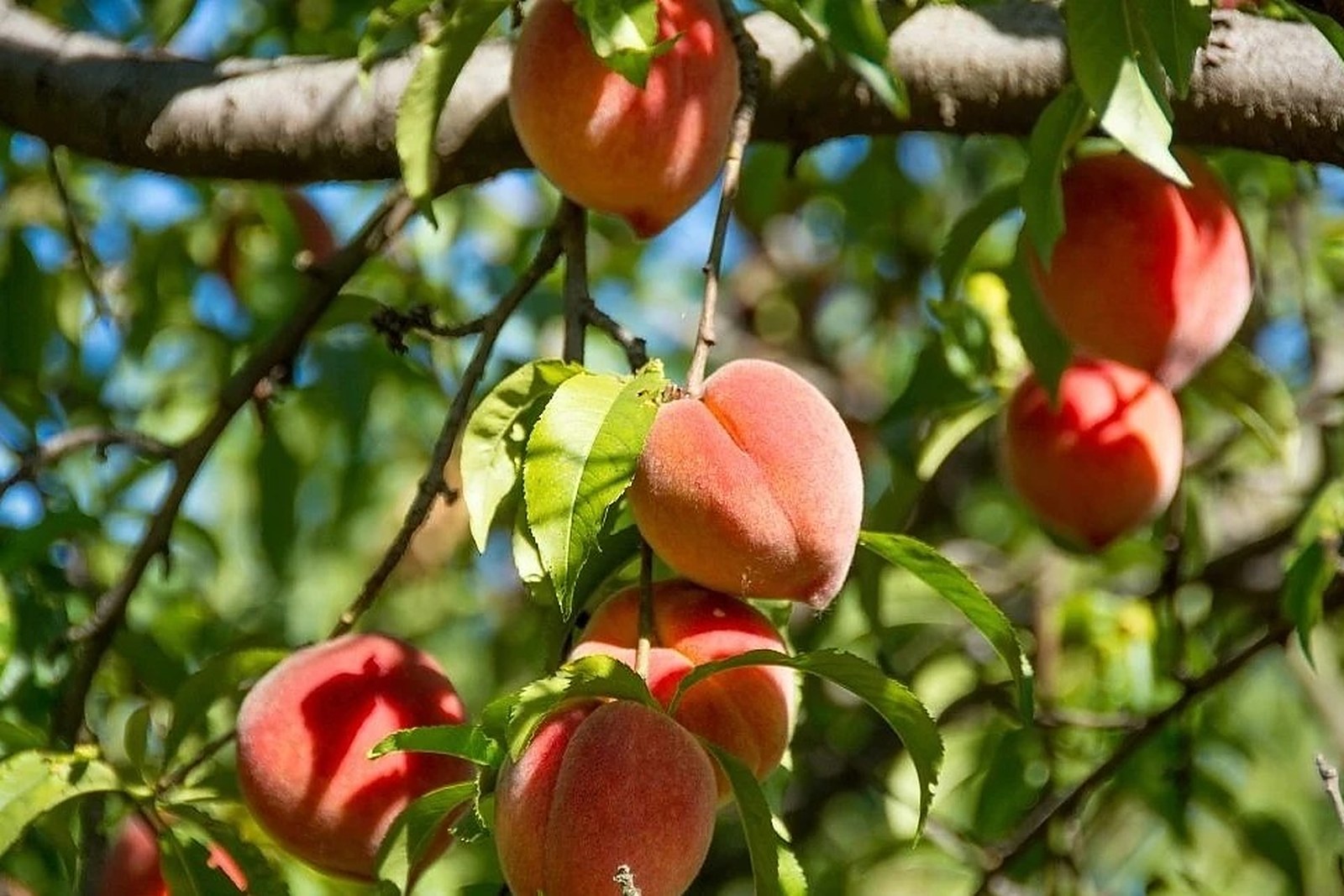
The honest grade is geography plus the ripeness clock. In 平谷区 Pínggǔ Qū Pinggu District, Beijing the picking orchards scatter along the farm roads of the peach country, where the clientele is half 周末 zhōumò weekend families and half city buyers collecting reserved crates – a mix that keeps the rows honest, because a grower here is graded by returning families who remember whose 白桃 báitáo ran sweet in August (worth confirming the details – which orchards book by phone). The picker’s test outranks any plaque: a tree-ripe peach parts from the branch with a soft tug and smells of itself through the fuzz; a firm pale one was picked to survive the van, and no crate lid hides it. A per-person bill runs on the basket and the month, so call it worth confirming the details rather than a fixed number, and book fine summer weekends early: the best rows empty by noon, and the season’s last weeks thin fastest of all.
The wry truth is that 平谷大桃 Pínggǔ dàtáo is over-rated as a photo outing and under-rated as summer horticulture: the picking-visit genre files it under “farm experience”, while the actual thing – orchards that bank July heat, fruit that ripens on the branch because it need not travel far, and a peach that tastes of the slope it grew on – is close-market farming the flyer never explains. The self-deprecating footnote, and the district braid: a food writer will compare the rows to a “wine terroir” no grower claimed, weigh a crate at heroic shutter, and then call the fruit “commendably photogenic” as if pink were a season – which is the honest grade: 平谷大桃 Pínggǔ dàtáo is a working orchard the writer will romanticise more than he picks from, and the family at the next row has finished a kilo standing up and booked the next weekend before the shutter closes. The same 平谷区 Pínggǔ Qū Pinggu District thread runs on: the big-pot braises of 海子垮炖鱼 Hǎizi kuǎdùn yú Haizi braised fish roll in the lakeside village kitchens, the russet gift boxes of 佛见喜梨 Fójiànxǐ lí Fojianxi pears line the autumn counters, the charcoal feasts of 雕窝烤全羊 Diāowō kǎo quán yáng Diaowo roast lamb fill the farmhouse courtyards, and the leaf-lined steamers of 玻璃台玻璃宴 Bōlitái bōliyàn the Bolitai glass-leaf feast whisper through the mountain tables – one district, four more tables.
Words and Names
- 平谷大桃 Pínggǔ dàtáo / Pinggu peaches · the orchard fruit the district is named for - 桃园采摘 táoyuán cǎizhāi / orchard pick-your-own · the summer trade the rows run all season - 白桃 báitáo / white peach · the pale clear-juiced classic of the early season - 黄桃 huángtáo / yellow peach · the firm golden one built for jars and ovens - 蟠桃 pāntáo / flat peach · the squat saucer fruit that packs honey into a small skin - 地理标志 dìlǐ biāozhì / geographical indication · the national listing the crop carries - 平谷区 Pínggǔ Qū / Pinggu District · the Beijing district holding the peach rows
What the Locals Know
- Pick by the variety, not the queue: 白桃 báitáo runs clear and sweet, 黄桃 huángtáo firm and golden, 蟠桃 pāntáo small and honeyed – taste a slice of each before choosing your row (worth confirming which orchard runs which blocks).
- Tug, don’t twist: a tree-ripe peach parts from the branch with the softest pull – resistance means it was picked to travel, not to eat.
- Press the shoulder, not the belly: gentle give at the shoulder means eat today; a hard peach ripens on the sill in two days, never in the fridge.
- Eat within the week: ripe peaches keep their perfume days, not weeks – buy what the table finishes and jar the rest.
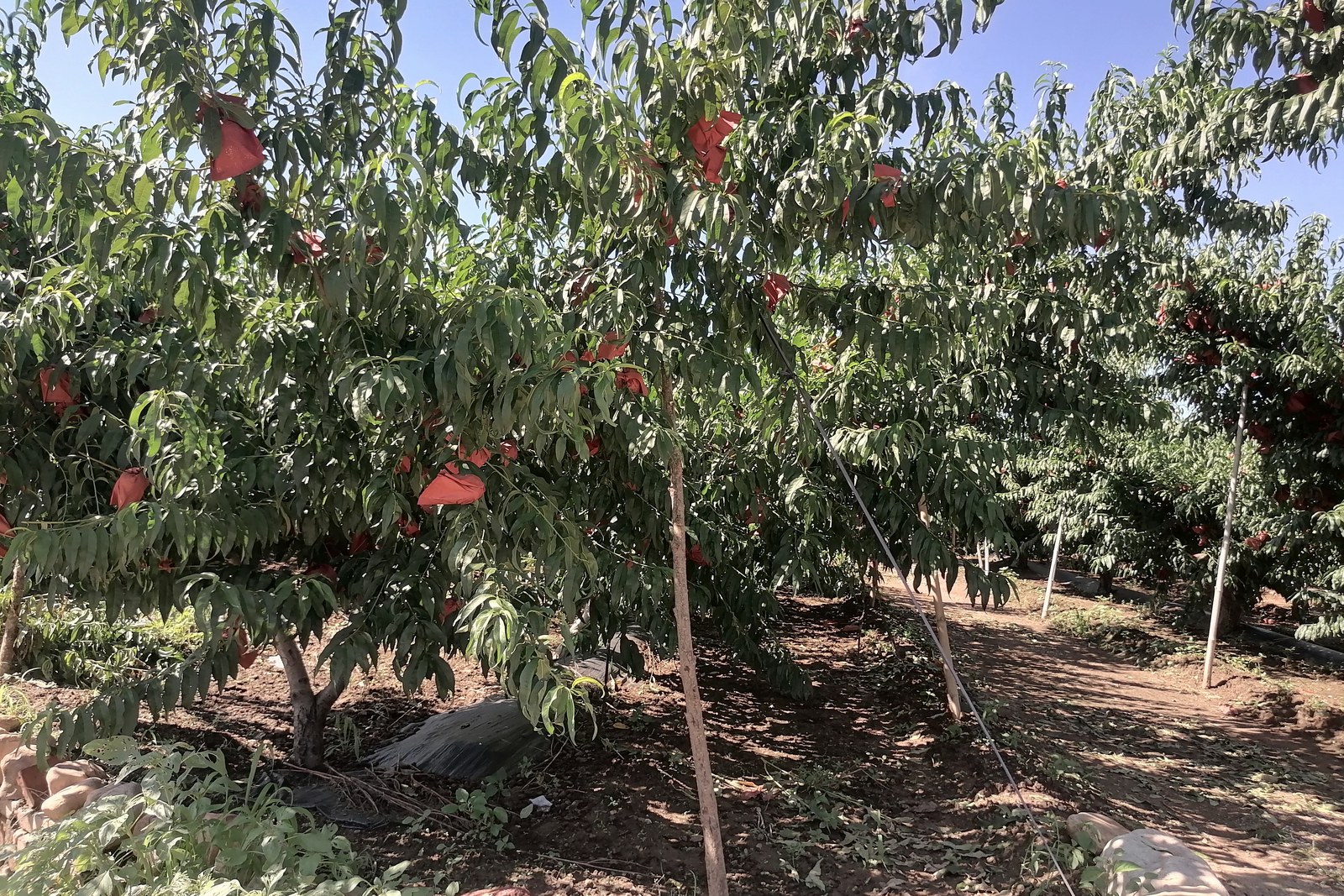
flowcloud would say that the 平谷大桃 Pínggǔ dàtáo is the orchard rows, summer harvests and the fruit bowl of Pinggu District, Beijing – a 白桃 báitáo belt where 黄桃 huángtáo and 蟠桃 pāntáo ripen behind the fuzz’s back – and that the honest move is to pick by the variety, tug don’t twist, and eat within the week, because the orchard keeps summer in and the van out. All checked October 2026.
Where to find it: Pinggu District Pínggǔ Qū, Beijing – the picking orchards and roadside sheds along the farm roads of the district’s peach country, where 白桃 báitáo, 黄桃 huángtáo and 蟠桃 pāntáo come off the branch from July into October (worth confirming the details – which orchards run pick-your-own and their season dates); a per-person bill runs on the basket and the month, so call it worth confirming the details rather than a fixed number. Pinggu peaches are the orchard rows, summer harvests and the fruit bowl of Pinggu District, Beijing, branch before crate.