
Fojianxi Pear: An Emperor’s Compliment, Autumn Shelves and the Gift-Pear of Pinggu District, Beijing
秋枝梨熟金衣脆,佛见喜名一果传。Qiūzhī lí shú jīn yī cuì, Fójiànxǐ míng yī guǒ chuán – On the autumn branch the pears ripen with crisp gold skin; under the name “the Buddha rejoices to see” one fruit carries the tale.
佛见喜梨 Fójiànxǐ lí Fojianxi pear is the gift-fruit the northeast hills of Beijing have packed for generations, and the address is a terrace: the rows of 梨树 líshù pear trees on the hill terraces of 平谷区 Pínggǔ Qū Pinggu District, Beijing, where the villages under the slopes grew into the billing everyone prints – the district’s pear country – terraces of russet fruit and green canopy where mountains hand off to orchard lanes (worth confirming which villages hold the oldest rows). The story is the name itself: 相传 the tale runs that a Qing emperor tasted this small russet pear and was pleased enough to grant it a title – 佛见喜 Fójiànxǐ, “even the Buddha would rejoice to see it” – a compliment the fruit has carried out of the orchard ever since (worth confirming the details of the tale, which the villages tell differently). The craft most visitors under-rate is the keeping: this is a late pear, picked in the autumn cold and stowed to sweeten through the winter, which is why it tastes of patience rather than of the van. The naming is the tell: a pear named for the pleasure it gives at first sight answers to the rows where looks and juice had to agree.
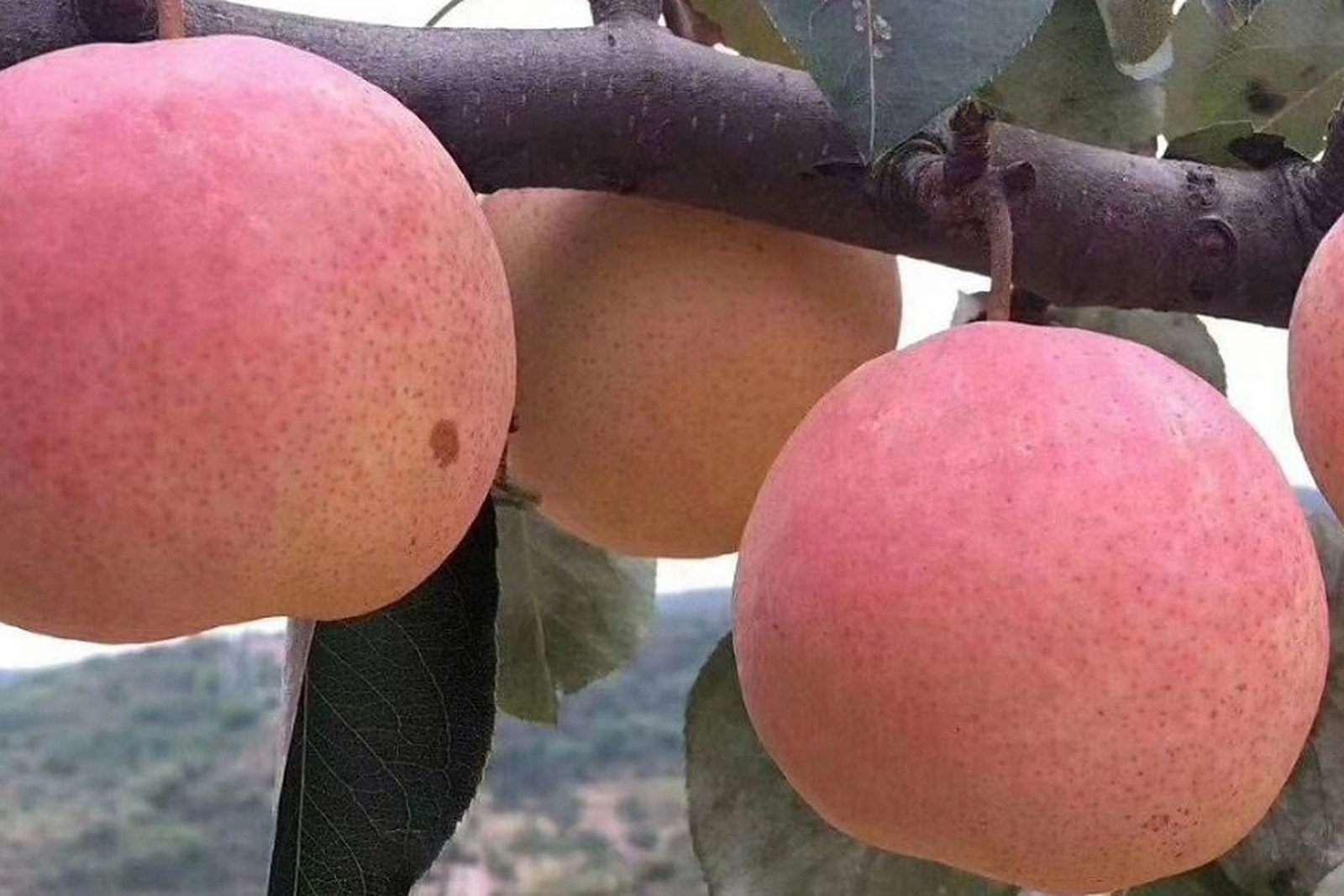
The eating is a bite-and-crunch grammar written for fruit graded by the way the juice runs, and it leans 甜 tián sweetness plus 脆 cuì crisp to match the autumn counter. The anchor is the pear itself, small and squat under a bronze-russet skin that looks rough and promises little: the flesh underneath runs white, fine-grained and heavy with juice, without the grit a supermarket pear carries. Around the fruit the season runs its supporting cast: pears sold by the box at the orchard sheds, gift cartons stacked for the 中秋 Zhōngqiū mid-autumn and New Year tables, fruit stowed in the cool of the farmhouse to sweeten toward winter, and the kitchen’s quiet uses – 冰糖炖梨 bīngtáng dùn lí pears stewed with rock sugar for the season’s dry coughs, and sliced fruit on the farmhouse tea table (worth confirming the details – each house packs and keeps its own way). The rule the orchard teaches: judge by weight, not by blush – a Fojianxi heavy for its size is the one the juice stayed with.
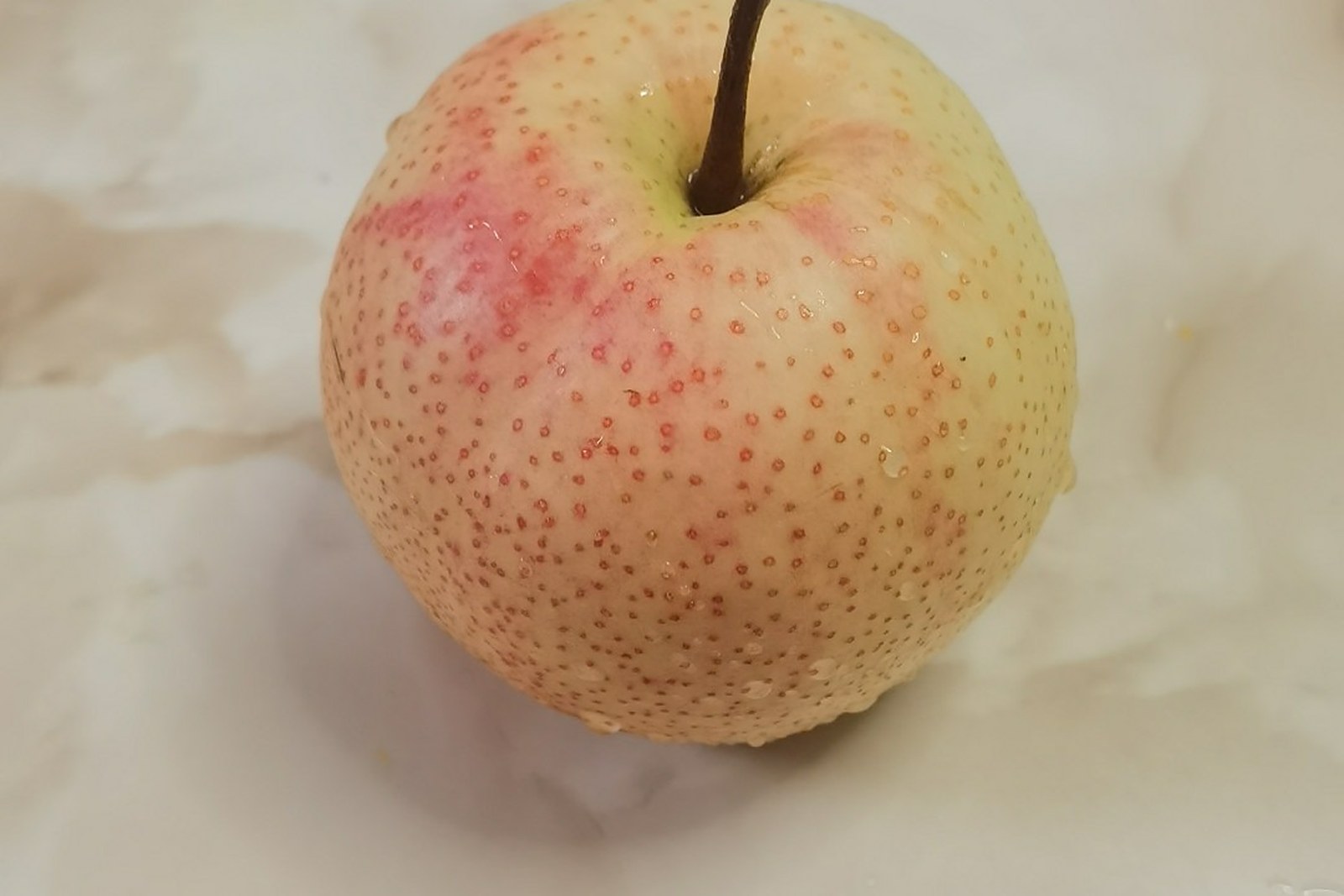
The honest grade is geography plus the storage clock. In 平谷区 Pínggǔ Qū Pinggu District, Beijing the pear orchards scatter along the hill roads of the district’s north, where the clientele is half 周末 zhōumò weekend pickers and half city buyers collecting reserved cartons – a mix that keeps the rows honest, because a grower here is graded by returning families who remember whose pears ran juicy in November (worth confirming the details – which orchards book by phone). The picker’s test outranks the legend: a ripe pear parts from the branch with a soft tug, sits heavy in the palm and smells of itself; a light dry one was picked early to fill the carton, and no gift ribbon hides it. A per-box bill runs on the grade and the month, so call it worth confirming the details rather than a fixed number, and come in the deep autumn: the fruit sweetens as the nights cool, and the best rows thin out fast after the first cold snap.
The wry truth is that 佛见喜梨 Fójiànxǐ lí is over-rated as an imperial legend sticker and under-rated as storage horticulture: the gift-box genre files it under “royal fruit”, while the actual thing – late-picked pears that sweeten in cold rooms, a russet skin built to be forgotten in the storeroom, and juice that improves the longer the fruit waits – is post-harvest craft the ribbon never explains. The self-deprecating footnote, and the district braid: a food writer will discourse on “imperial terroir”, photograph the gilt carton at heroic shutter, and then call the pear “commendably historic” as if an emperor were a recipe – which is the honest grade: 佛见喜梨 Fójiànxǐ lí is a working orchard’s late crop the writer will romanticise more than he finishes, and the family at the next row has eaten two pears standing up and ordered a carton for the winter before the shutter closes. The same 平谷区 Pínggǔ Qū Pinggu District thread runs on: the summer baskets of 平谷大桃 Pínggǔ dàtáo Pinggu peaches fill the orchard sheds, the big-pot braises of 海子垮炖鱼 Hǎizi kuǎdùn yú Haizi braised fish roll in the lakeside village kitchens, the charcoal feasts of 雕窝烤全羊 Diāowō kǎo quán yáng Diaowo roast lamb fill the farmhouse courtyards, and the leaf-lined steamers of 玻璃台玻璃宴 Bōlitái bōliyàn the Bolitai glass-leaf feast whisper through the mountain tables – one district, four more tables.
Words and Names
- 佛见喜梨 Fójiànxǐ lí / Fojianxi pear · the gift-fruit the legend named for - 佛见喜 Fójiànxǐ / “the Buddha rejoices to see” · the granted name the fruit carries - 脆 cuì / crisp texture · the bite the variety is graded by - 冰糖炖梨 bīngtáng dùn lí / rock-sugar pear stew · the winter kitchen use for the strays - 中秋 Zhōngqiū / mid-autumn · the gift season that empties the cartons - 梨树 líshù / pear tree · the terrace planter that carries the crop forward - 平谷区 Pínggǔ Qū / Pinggu District · the Beijing district holding the pear terraces
What the Locals Know
- Judge by weight, not looks: a Fojianxi heavy for its size is the one the juice stayed with – the russet skin promises nothing and the palm tells all.
- Tug, don’t twist at the branch: a ripe pear parts with the softest pull – resistance means it was picked to fill the carton, not to eat.
- Let it wait: the pear sweetens in the cool of the house – eating one the day it is picked wastes the storage craft the variety is built for.
- Stew the strays: bruised or soft fruit goes into 冰糖炖梨 bīngtáng dùn lí rock-sugar pear stew – the season’s cough course the farmhouse table runs on.
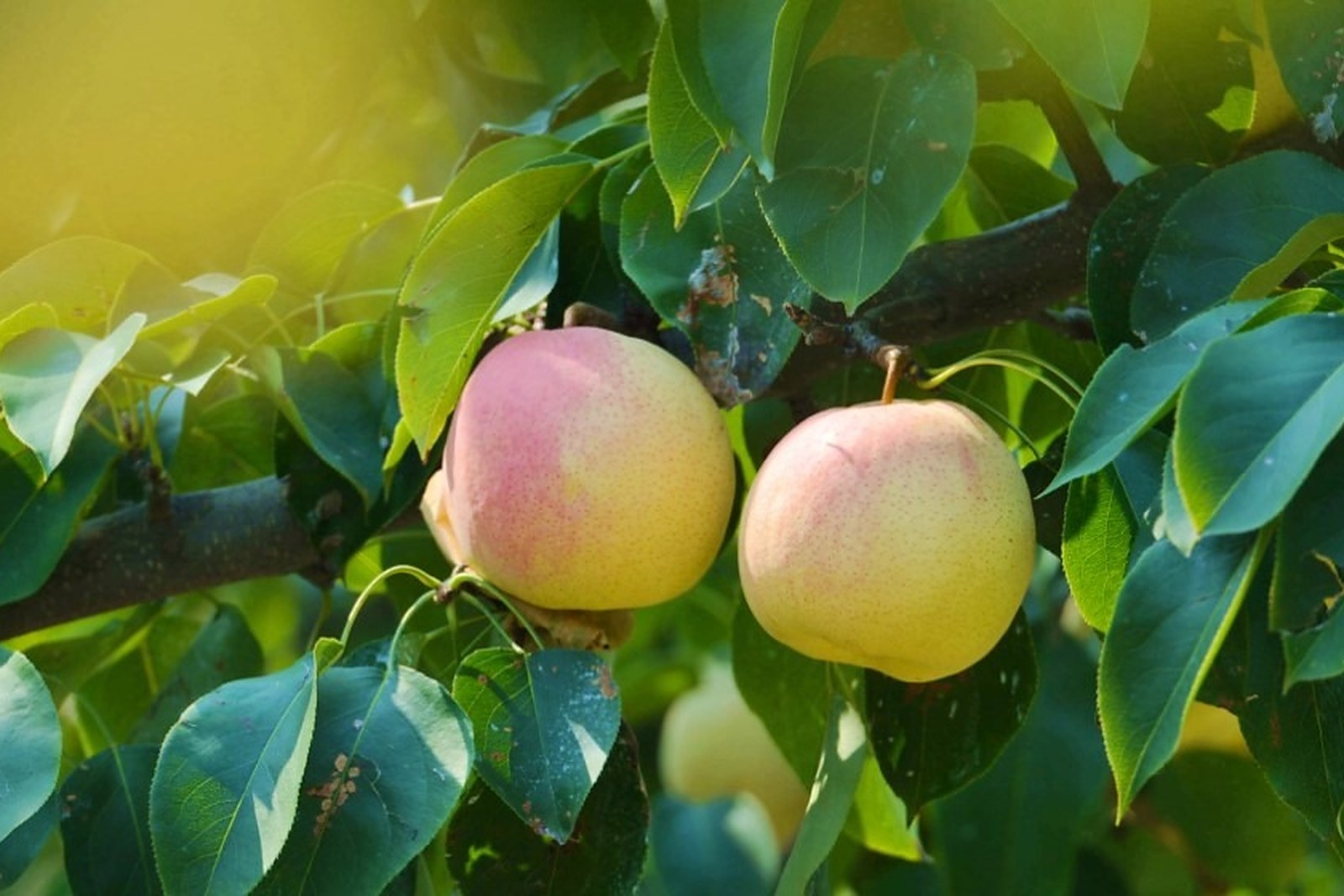
flowcloud would say that the 佛见喜梨 Fójiànxǐ lí is the imperial legend, autumn shelves and the gift-pear of Pinggu District, Beijing – a 佛见喜 Fójiànxǐ fruit where russet skins and rock-sugar stews sweeten through the cold – and that the honest move is to weigh before you buy, let the pear wait, and stew the strays, because the storage built the juice and the legend only built the ribbon. All checked October 2026.
Where to find it: Pinggu District Pínggǔ Qū, Beijing – the hill orchards and shed counters along the roads of the district’s northern pear country, where 佛见喜梨 Fójiànxǐ lí comes off the branch in deep autumn and sweetens into winter (worth confirming the details – which orchards run pick-your-own and their season dates); a per-box bill runs on the grade and the month, so call it worth confirming the details rather than a fixed number. Fojianxi pear is the imperial legend, autumn shelves and the gift-pear of Pinggu District, Beijing, weight before ribbon.